

Running long because it's keeping up
A clean unit on a 105 degree day will run long hours just to hold the house steady. The coil is clear, the airflow is strong, and the system shuts off once the house catches up. Long isn't the same as broken.
Send the request today and stop worrying about who to call.
I'm done searchingA heat pump that runs nonstop in a Sacramento summer is usually trying to keep up and losing. With triple-digit days stretching on for weeks, the system can end up running close to around the clock just to hold the house a few degrees under the outdoor temperature, especially in the afternoon. That alone isn't always a problem. But if the house isn't cooling down, or the air coming out doesn't feel as cold as it should, something is making the unit work harder than it needs to. A dirty outdoor coil, a low refrigerant charge, a failing capacitor, or a clogged filter all cause this same symptom: the heat pump runs and runs and can't get ahead. Left alone, that usually means a bigger repair later and a much higher power bill now, since electricity here isn't cheap. A licensed technician can tell you which of these it is and fix the actual cause.

A clean unit on a 105 degree day will run long hours just to hold the house steady. The coil is clear, the airflow is strong, and the system shuts off once the house catches up. Long isn't the same as broken.

Dirty coil fins block the heat the unit needs to shed, so it runs longer and still falls behind. Leaves packed around the base cut airflow further. A unit in this shape needs a contractor to clean and check it before a hot stretch pushes it into a breakdown.
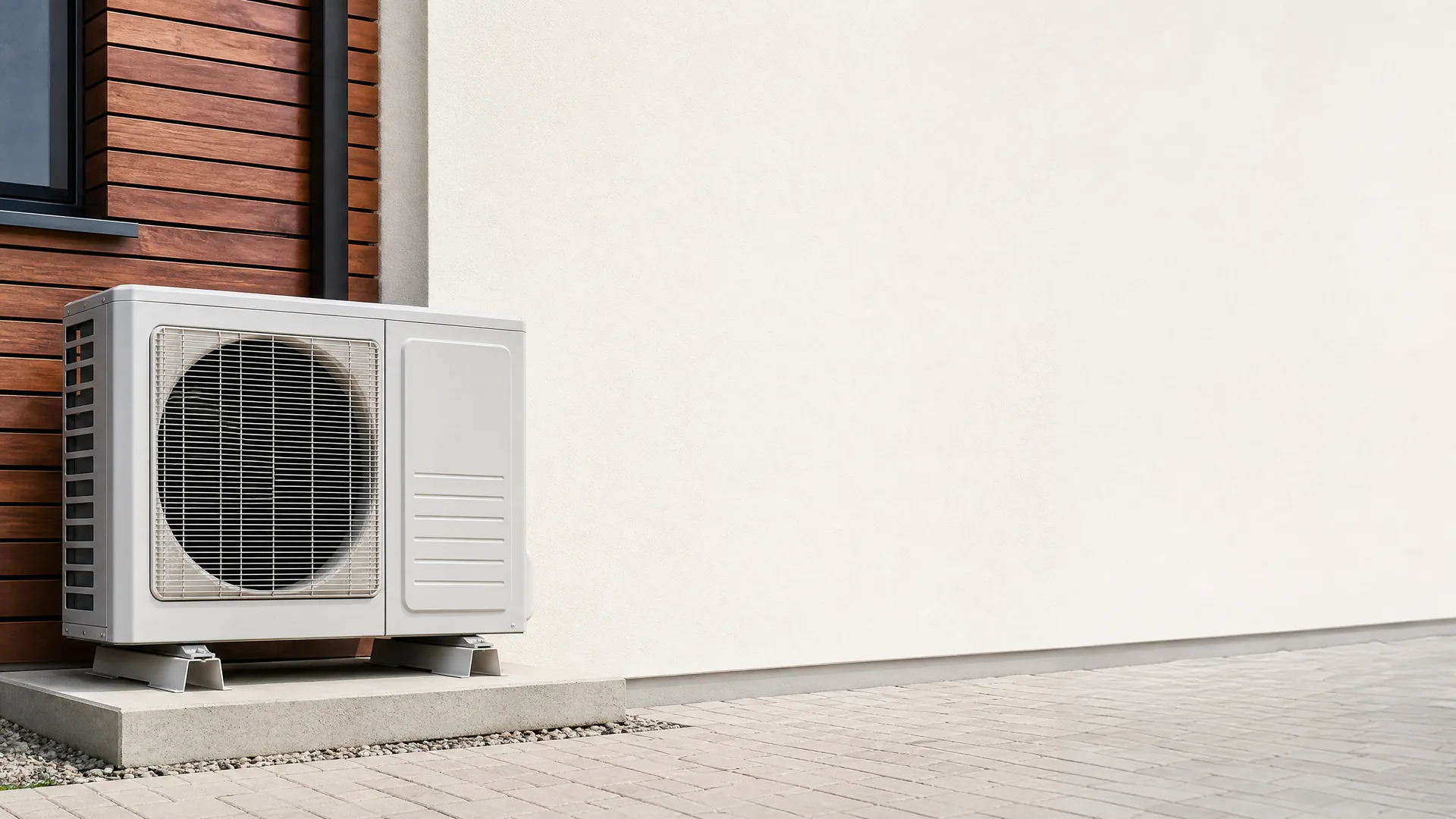
A heat pump moves heat from inside your house to the air outside, and in summer that outdoor coil has to dump that heat into air that might already be 105 degrees. The hotter the air around it, the harder that job gets. Dirt or a bent fin on that coil cuts into its ability to shed heat, and the system runs longer to make up for it, even when nothing else is wrong.
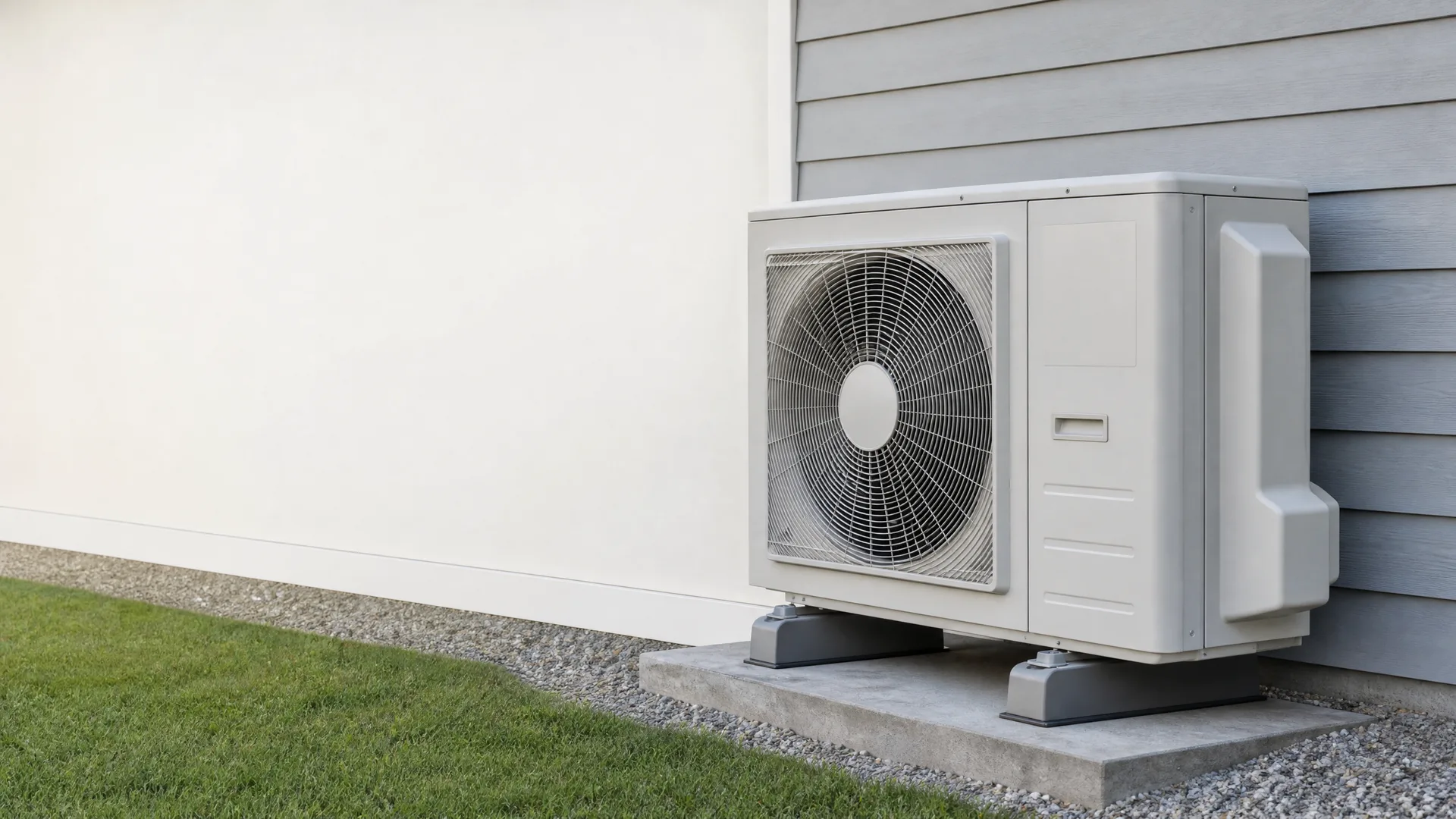
Refrigerant carries the heat from your indoor air out to that coil. If the system is low on charge, from a slow leak or a bad connection, it can't move as much heat per cycle, so it runs longer to do the same job. A tech checks this with gauges, not by guessing from how long the system runs. Long runtime alone doesn't tell you the charge is low.
Nights here only drop to about 40°F in the dead of winter, so your heat pump isn't fighting much of a gap to begin with. If it's running nonstop on a mild night like that, it isn't struggling against the cold. Something in the system is making it work harder than the weather calls for.
NOAA nClimDiv 1991-2020




A unit that's genuinely struggling, not just working hard, usually shows it in more than runtime. The house drifts above your setpoint anyway. The air at the vents feels less cold than it used to. The outdoor unit ices up, or the compressor cycles on and off instead of settling into a long steady run. Any of that alongside the nonstop operation points to something failing rather than a system doing its job on a brutal day. A contractor who works on heat pumps through Sacramento summers has seen this pattern enough times to know what tends to go first in this climate, from a dirty coil to a refrigerant leak to a failing capacitor. Sending the request puts your address and your symptoms in front of one local contractor suited to it, so you're not stuck guessing whether to wait out the heat wave or get someone out to look now.
A heat pump running long hours on a 105 degree day is doing what it's built to do. The question that matters is whether it ever catches up. If the house holds your setpoint and the system cycles off, even after running most of the afternoon, that's a unit keeping pace with a hard summer, not one failing at its job. What changes the picture is running nonstop on a mild winter night, ice on the outdoor unit, or air at the vents that's lost its chill. Those point to something actually wrong, not just a system working hard.
Telling the two apart from inside the house is hard, because long runtime looks the same from the thermostat whether the unit is fine or struggling. A contractor who services heat pumps through Sacramento summers has seen both often enough to know which symptoms matter and which don't, and what tends to fail first on units that run this hard this long. Sending a request here puts your situation in front of one licensed technician local to the area, not a handful of companies competing for the callback. That means someone who already knows what a heat pump working through a Sacramento summer looks like when it's fine, and what it looks like right before it isn't. Catching the difference now, before the next stretch of triple-digit days, is what keeps a unit that's merely working hard from turning into one that's actually broken down.

Let someone else find the pro