Furnace Maintenance in California
Homes in California need heat for fewer months of the year than in 28 of the other 49 states.
Tell us about the job
Takes about a minute. No obligation.
- 40°Fwinter overnight low where people live
- 7 monthsof heat, November through May
- $18.44 per million Btuwhat homes paid for natural gas in 2024 (Btu means British thermal units, a measure of heat)
- 1,816winter storms from 2015 to 2024
Storms here outnumber most of the country. Kern County takes the worst of it.
- Western counties need about 59% more heat than eastern ones
- Winter nights average 40°F where people live
- Heat runs November through May
- 1,816 winter storms from 2015 to 2024
- Climate zones 2B, 3B, 3C, 4B, 4C, 5B and 6B across the state
- 17% of homes lost power a day or more in 2024

- A clean flame sensor means the burner shuts off properly instead of locking out and leaving you without heat
- Fresh filters stop the heat exchanger from overworking, so parts last longer
- Catching a worn igniter now beats losing heat to it on the coldest morning
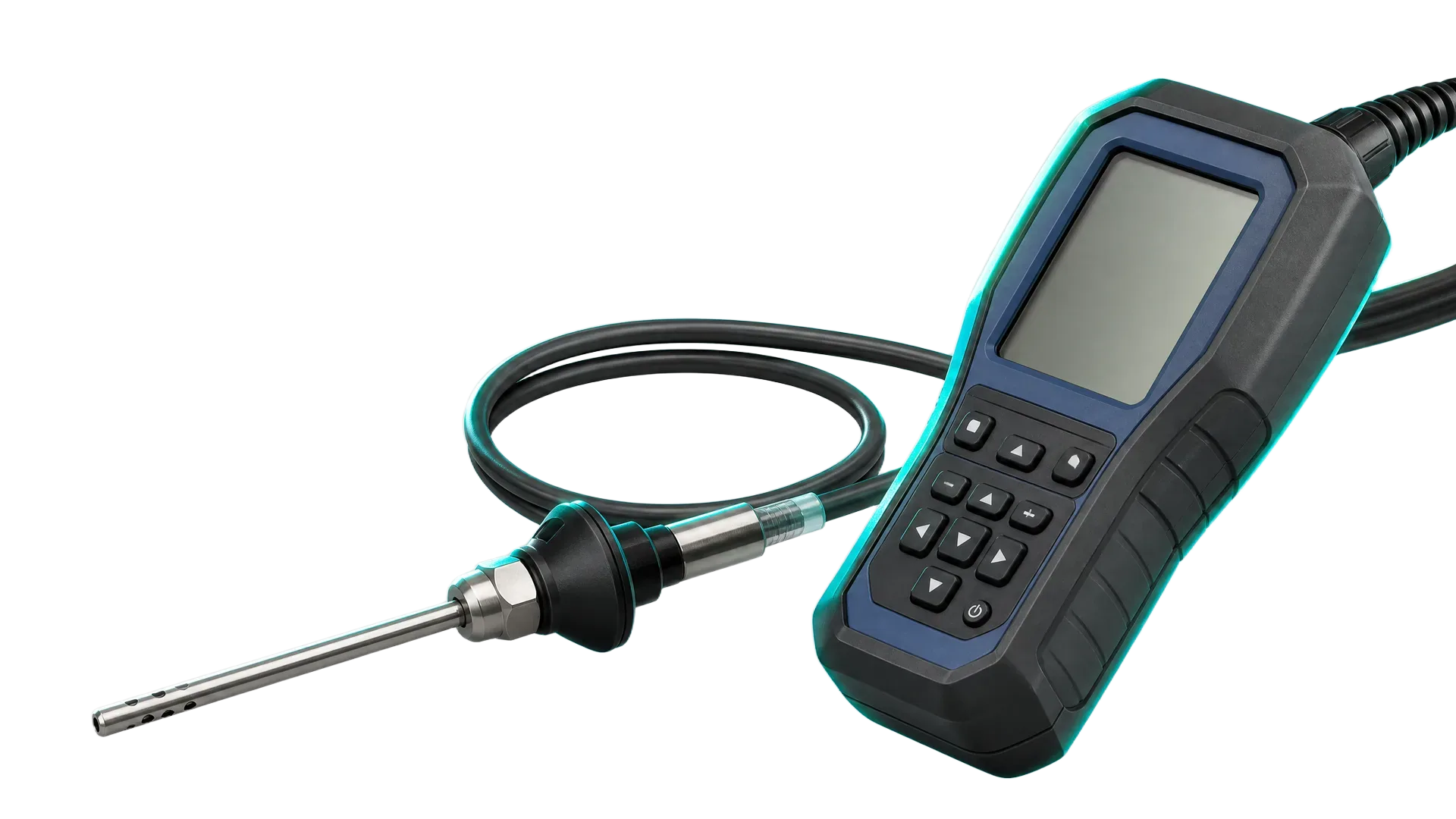
- Checking combustion gases keeps carbon monoxide outside the house where it belongs
- Loose wiring found early is a quick fix, not an overnight breakdown
Utility gas heats 61.0% of occupied homes in California, more than any other fuel.
Most furnace maintenance calls here involve a gas burner, so checking the flame and venting matters as much as the filter.
An older furnace needs eyes on it every year
Half the homes here were built in 1976 or earlier
Half the homes in California were built in 1976 or earlier. A furnace in a house that age has likely been repaired more than once, maybe had a blower motor replaced somewhere along the way. Yearly maintenance is how a contractor catches the next failure before it happens, a cracked heat exchanger, a connection that's worked loose, a flame sensor with just enough buildup to cause trouble. With storms and outages hitting California more than most states, you want that furnace starting reliably when the power comes back, not stalling on an igniter nobody checked since last year.
What does a furnace in California face?
How cold do winter nights get?
40°Faverage overnight low where people live
North Dakota4°F
Hawaii65°F
How many months does the heat run?
7 monthsof heating a year
Hawaii0 months
Alaska12 months
What does natural gas cost?
$18.44per million Btu, what homes paid in 2024
Montana$7.77
Hawaii$53.25
How often do storms hit?
239severe weather events per county from 2015 to 2024
Alaska5
Wyoming1,057
How many homes lost power for a day or more?
17%of homes in 2024
Arizona7%
Maine54%
A furnace that runs easy still needs a yearly look
A furnace here isn't working as hard as one in most of the country. Heat only runs about seven months a year, and the nights it's fighting against average 40 degrees, nothing like the deep cold that cracks heat exchangers elsewhere. That's less strain on the burner and the blower both. But light duty doesn't mean no duty. A flame sensor still picks up buildup over a season of use. A wire connection still works itself loose from the furnace cycling on and off. None of that shows up until the morning the furnace won't fire, and by then it's not a quick fix anymore. A yearly check catches it while it's still just a cleaning or a tightened screw.
What keeps a furnace running clean
The filter's only job is standing in the way of dust. Air passes through it, over the heat exchanger, and back out into the house. A filter packed with buildup chokes that airflow down, and the heat exchanger sits there soaking up heat with nowhere to send it. That's what cracks an exchanger over time, not age by itself. The blower feels it too, pulling harder against the clog, and a motor working harder wears out sooner. Coils and drains belong to the air conditioner side, not the furnace, but plenty of furnaces share a cabinet with the AC's indoor coil. A clogged drain under that coil backs water up into the cabinet, and water doesn't care which machine it damages first. A furnace inspection that skips the coil above it is missing part of the picture. On the furnace itself, the parts worth checking are the burner, the flame sensor, the igniter and the wiring. The filter is the one a homeowner can check without taking a panel off, and it's worth doing more than once a season.
Your part of the state, your timing
California isn't one furnace climate. Homes across the western counties need about 59% more heat over a year than homes across the eastern counties. Inside the state the gap goes further. Alpine County needs roughly 8 times the heat that Imperial County does, the lowest heating need in the state. A furnace in Alpine County is doing real work every winter and earns a close look before the season starts. A furnace in Imperial County barely runs, and a part that sits unused can seize or corrode just as quietly as one that's worn out from use. Where you are in the state should decide when you schedule the visit, not a date on a calendar.
Severe weather hits California more than most states, and this furnace needs to be ready for the outages that follow.
Tell us about the job
Takes about a minute. No obligation.
Fill out the form and a licensed California contractor will reach out to schedule the inspection.