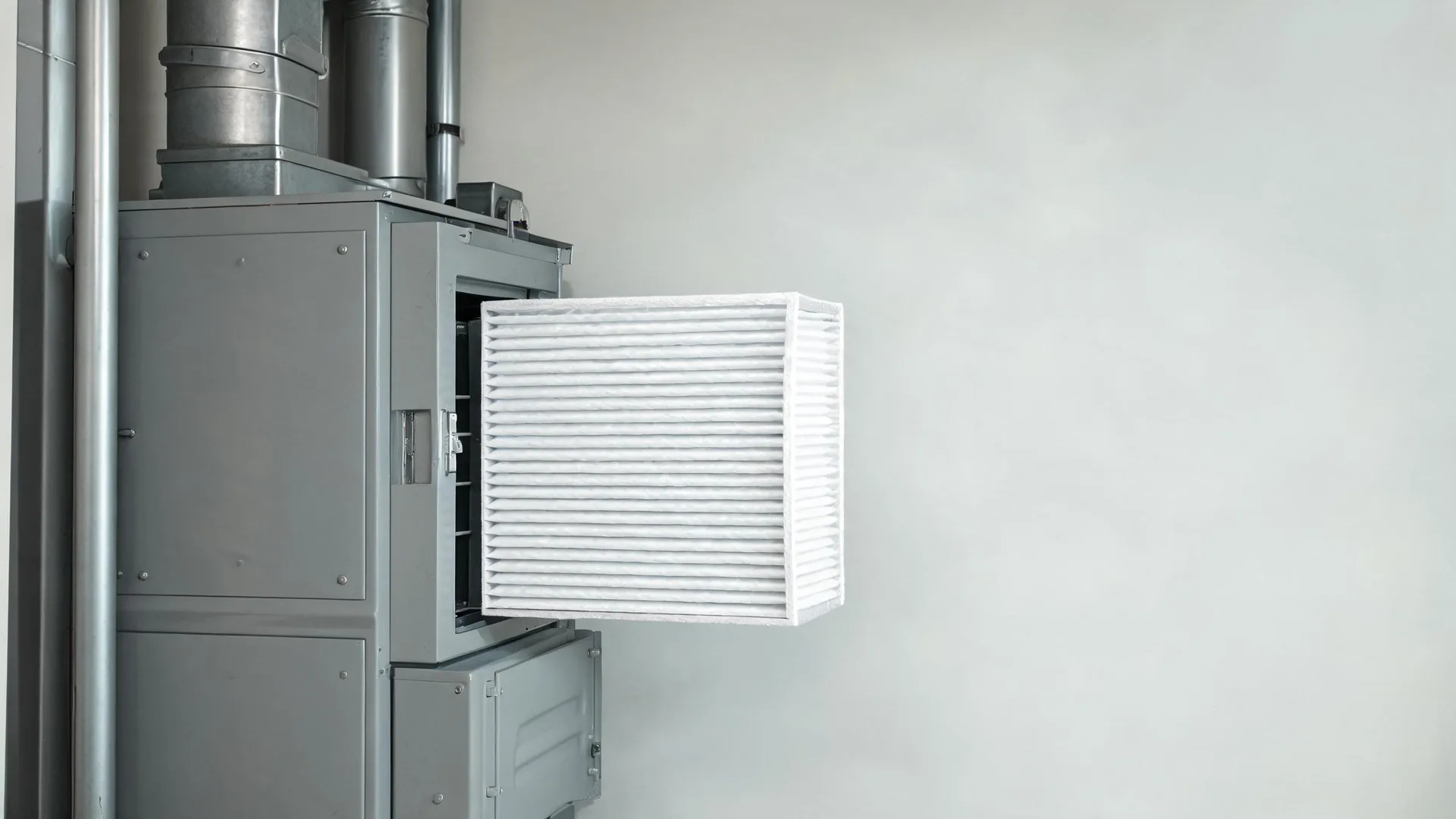
A gray forced-air furnace with sheet-metal ductwork stands in an unfinished basement with exposed wooden joists, concrete walls, and a hanging incandescent bulb.

Furnace Maintenance in Davis, CA

Tell us about the job

Takes about a minute. No obligation.

Tune-up, service, or cleaningFurnace or heatingYolo County, CA
Step 1 of 2

What ZIP code is the job in?

Six months of work

Your furnace in Davis runs November through April, then sits idle the rest of the year. Winter nights average 39°F, nothing like the single digits furnaces deal with elsewhere. That's a short season for the burner and blower compared to colder places.


Less strain still means parts wear

A lighter season doesn't mean nothing goes wrong. The igniter and blower motor still age, filters still load up. Trouble here tends to trace back to age or a skipped check, not overwork.

Half the homes in Yolo County were built in 1983 or later.

A furnace that age still has years left in it, and a yearly check is what gets it there.

Most of Davis heats with gas, so the burner and venting are what maintenance checks

59.6% of homes heat with gas
Heat runs November through April
Winter nights average 39°F
Book it in OctoberFurnace season starts in November. Have it checked the month before.

A yearly check before November is what catches a worn igniter or a clogged filter while they still just need cleaning or a swap. A tech will test the flame sensor, check the venting, and make sure the blower motor is pulling its full amp draw. None of that takes long when the furnace has had an easy six months behind it. Skip a few years and the same small parts fail anyway, just at the first cold snap instead of on a tech's schedule.

Keep a newer furnace newer

If your furnace came with the house, it's probably not old enough to be the problem yet. A yearly check is what keeps it that way instead of finding out the hard way.

Find a contractor
A man in a cap and brown jacket, seen from behind, climbs porch steps toward a blue front door while carrying a canvas tool bag, with a potted shrub in a blue planter beside him.
A gas furnace with attached ductwork, gas piping, and condensate lines installed in a concrete-block basement.

The furnace usually tells you first

A furnace gives warning before it quits outright. Short cycling, where it fires up and shuts off again before the room warms, usually means a flame sensor that's coated over or a filter choking the airflow. A burner that used to glow blue and now shows yellow tips needs a look, since that's a sign of incomplete combustion. Banging or popping from the ducts when the system starts is metal expanding too fast, often because airflow is restricted somewhere. A blower that runs louder than it used to, or won't shut off when it should, points to a motor or a bad limit switch. Any of these can wait for a scheduled check. None of them should wait for a second winter.

Open the cabinet or shut the door

A quick visit gets a filter swap and a glance at the flame through the sight glass. A thorough one pulls the blower access panel, checks amp draw on the motor, and pulls the burners to look at them directly instead of through a window. If nobody opens the cabinet, the check stopped at the filter.

Numbers beat a glance

Anyone can look at a flame and say it seems fine. A real tune-up means putting a meter on the flame sensor's microamp signal and a gauge on the gas pressure, because a flame can look steady and still be burning on the edge of sooting up. If no tool comes out of the bag, nothing got measured.

A tune-up finds what a glance at the thermostat can't. A heat exchanger can have a hairline crack that no amount of looking through the sight glass will show, and a tech checks for that with a combustion analyzer, not an eyeball. A blower motor pulling more amps than it used to is often the first sign of a bearing going bad, long before it makes noise. Cracked wiring on an igniter can still fire the furnace every time, right up until the one time it doesn't. None of this is guesswork. It's a meter and a gauge finding what's starting to go wrong before it takes the furnace down with it.

A tune-up also means cleaning, not just checking. The flame sensor gets wiped down even if its microamp reading passes, because a coating that is still working today is the same coating that fails next month. The burners get brushed clear of rust flake and dust so the flame pattern stays even across every port. The condensate drain and trap, on a furnace that has one, gets checked for the algae and sludge that build up over the summer and block the line right when the system needs it most. The blower wheel gets looked at for dust caked on the blades, since a dirty wheel moves less air even at full speed and makes the motor work harder to push it. These are small jobs on their own. Left for a few seasons, each one turns into the reason the furnace stops working.