Furnace Repair in California
Homes in California need heat for fewer months of the year than in 28 of the other 49 states.
Tell us about the job
Takes about a minute. No obligation.
- 40°Fwinter overnight low where people live
- 7 monthsof heat, November through May
- $18.44 per million Btuwhat homes paid for natural gas in 2024 (Btu means British thermal units, a measure of heat)
- 1,816winter storms from 2015 to 2024
What does a furnace in California face?
How cold do winter nights get?
40°Faverage overnight low where people live
North Dakota4°F
Hawaii65°F
How many months does the heat run?
7 monthsof heating a year
Hawaii0 months
Alaska12 months
What does natural gas cost?
$18.44per million Btu, what homes paid in 2024
Montana$7.77
Hawaii$53.25
How often do storms hit?
239severe weather events per county from 2015 to 2024
Alaska5
Wyoming1,057
How many homes lost power for a day or more?
17%of homes in 2024
Arizona7%
Maine54%
A furnace with an easier job
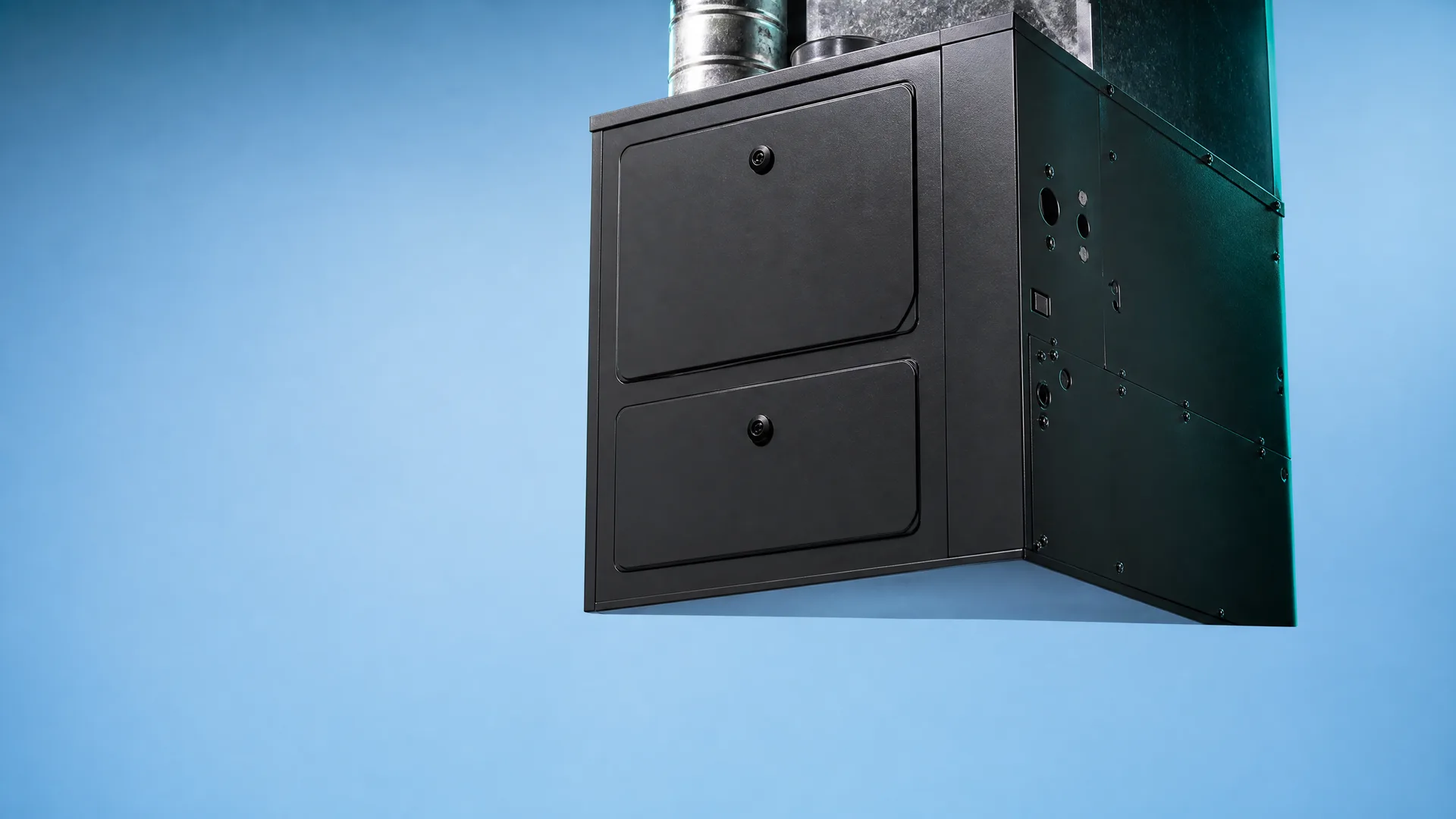
Furnace here doesn't work as hard as it would in most of the country. Heat runs about seven months, November through May, and winter nights average 40°F, milder than in almost every other state. A furnace that isn't pushed hard all season tends to hold up better. When something goes wrong, it's more often one part acting up than the whole system wearing out, and that's usually worth fixing.
California winter nights average 40°F, milder than in 45 of the other 49 states.
A furnace that isn't working hard all season has less reason to fail outright, so when yours acts up, you're usually looking at a single part, not a system on its last leg.
Before you call, check these
A few things worth ruling out yourself
Start at the thermostat. Make sure it's set to heat and a few degrees above room temperature, and check the batteries if the screen looks dim. Next, pull the filter and hold it up to a light. If you can't see light through it, that's choking off airflow, and a furnace that can't breathe will shut itself down to protect itself. Check that the furnace switch is on. It looks like an ordinary light switch, usually mounted right on or near the unit, and it gets bumped off more than people think. If your furnace has a standing pilot, look for the small flame through the viewing window. If it's out, there's usually a relight procedure printed on the panel. If it uses an electronic igniter instead, listen for clicking or humming without the burners ever catching. That points to the igniter, not something you can fix yourself. Walk the house and check that supply vents are open and the return grille isn't blocked by furniture or rugs. Blocked airflow stresses the system the same way a dirty filter does. Check the breaker panel too. If you smell gas anywhere near the furnace, stop checking and get outside. That one isn't a do-it-yourself situation.
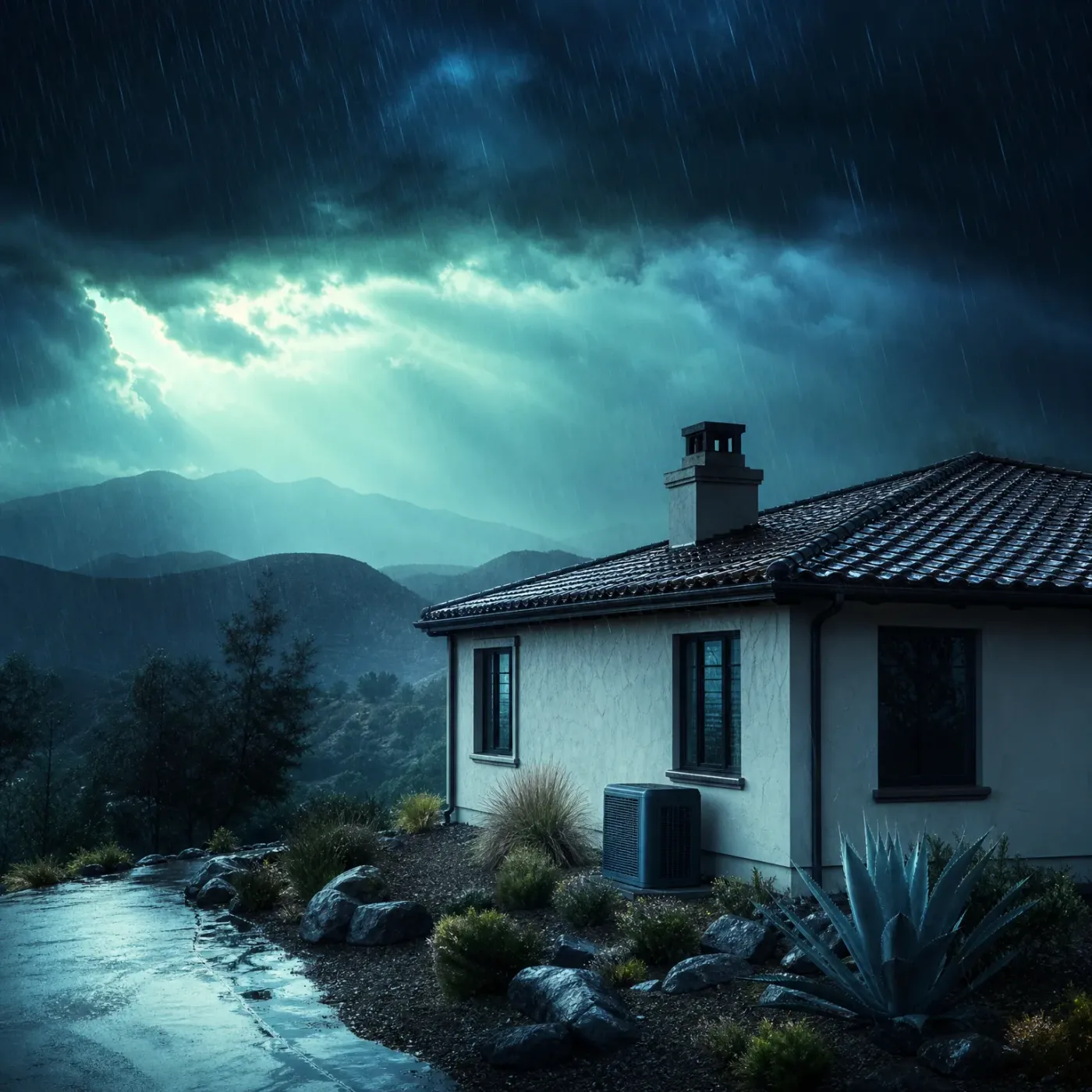
California logs severe weather often, more than 34 of the other 49 states when you count the counties where people actually live. Damaging wind does most of that work, hitting the state thousands of times over the past decade.
Hail is the exception. California sees less of it than almost anywhere else, but the state has still recorded a hailstone 3 inches across. If your outdoor unit took a hit like that, or anything smaller, have it checked even if the furnace still runs. Hail dents the cabinet and bends the fins without always stopping the machine right away.
Tornadoes touch down here too, and the strongest on record rated EF2. Kern County carries the heaviest storm record in the state, with winter storms, lightning and the occasional tropical storm adding to the count elsewhere.
A furnace needs power to run no matter what fuel it burns. The blower, the control board and the igniter all depend on electricity. In 2024, 17% of California households went at least a day without power, though that's a smaller share than in most other states. When power comes back, the furnace should start on its own. If it doesn't, check the breaker and the switch before calling anyone.
Fewer months of heat than most Milder nights too, November through May
- Western counties need about 59% more heat than eastern ones
- Winter nights average 40°F where people live
- Heat runs November through May
- 1,816 winter storms from 2015 to 2024
- Climate zones 2B, 3B, 3C, 4B, 4C, 5B and 6B across the state
- 17% of homes lost power a day or more in 2024
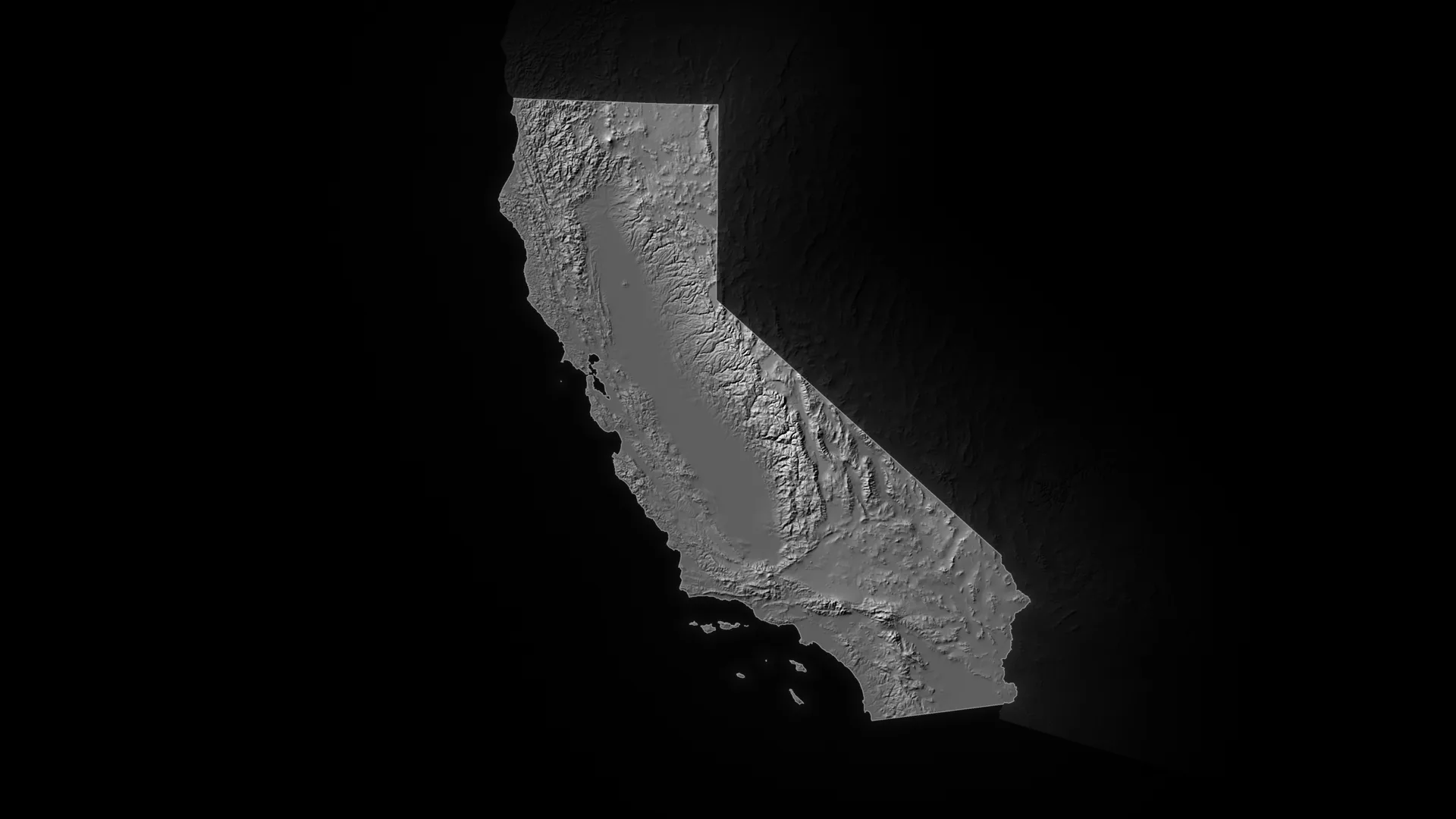
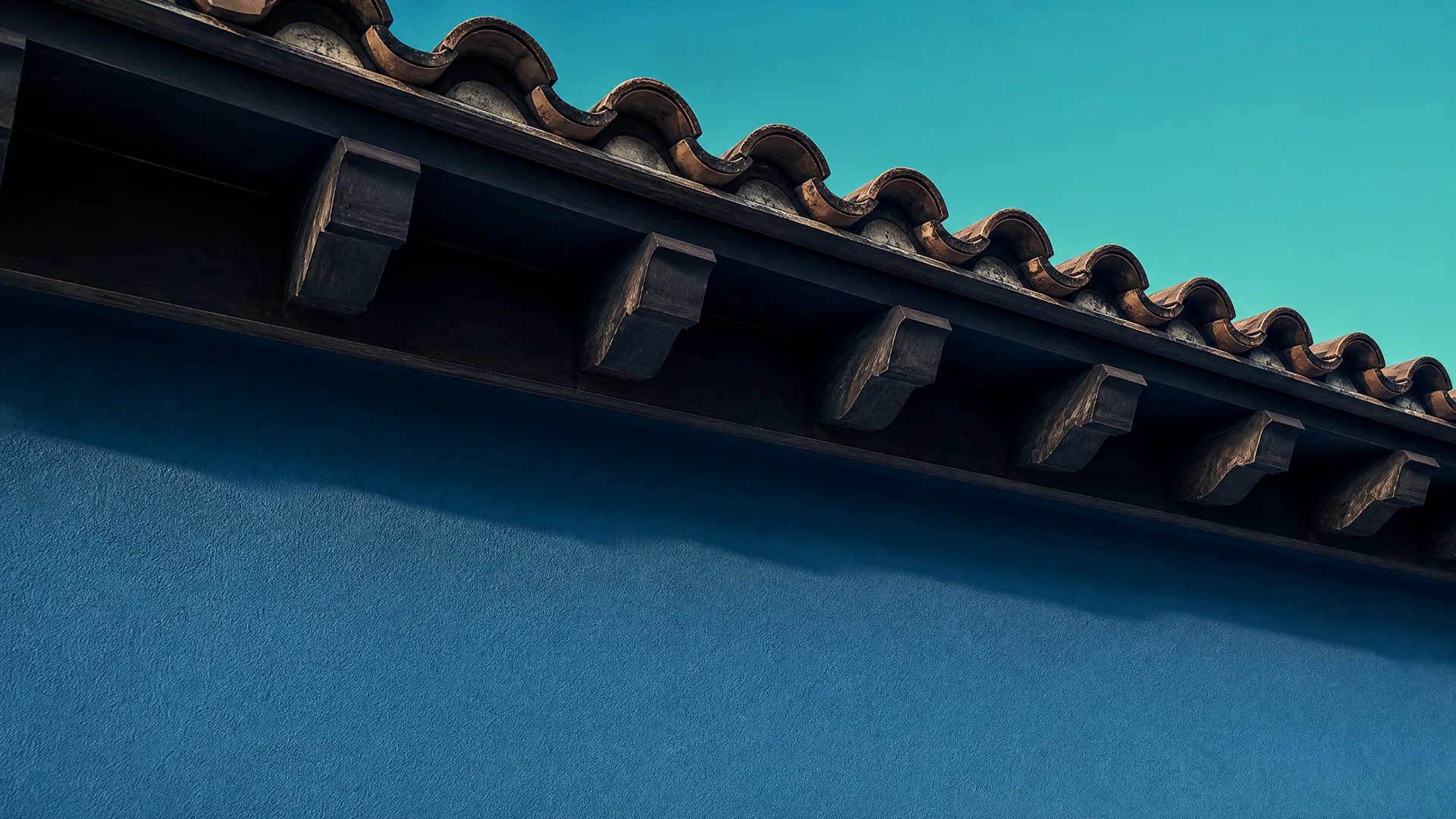
Half of California's homes were built in 1976 or earlier
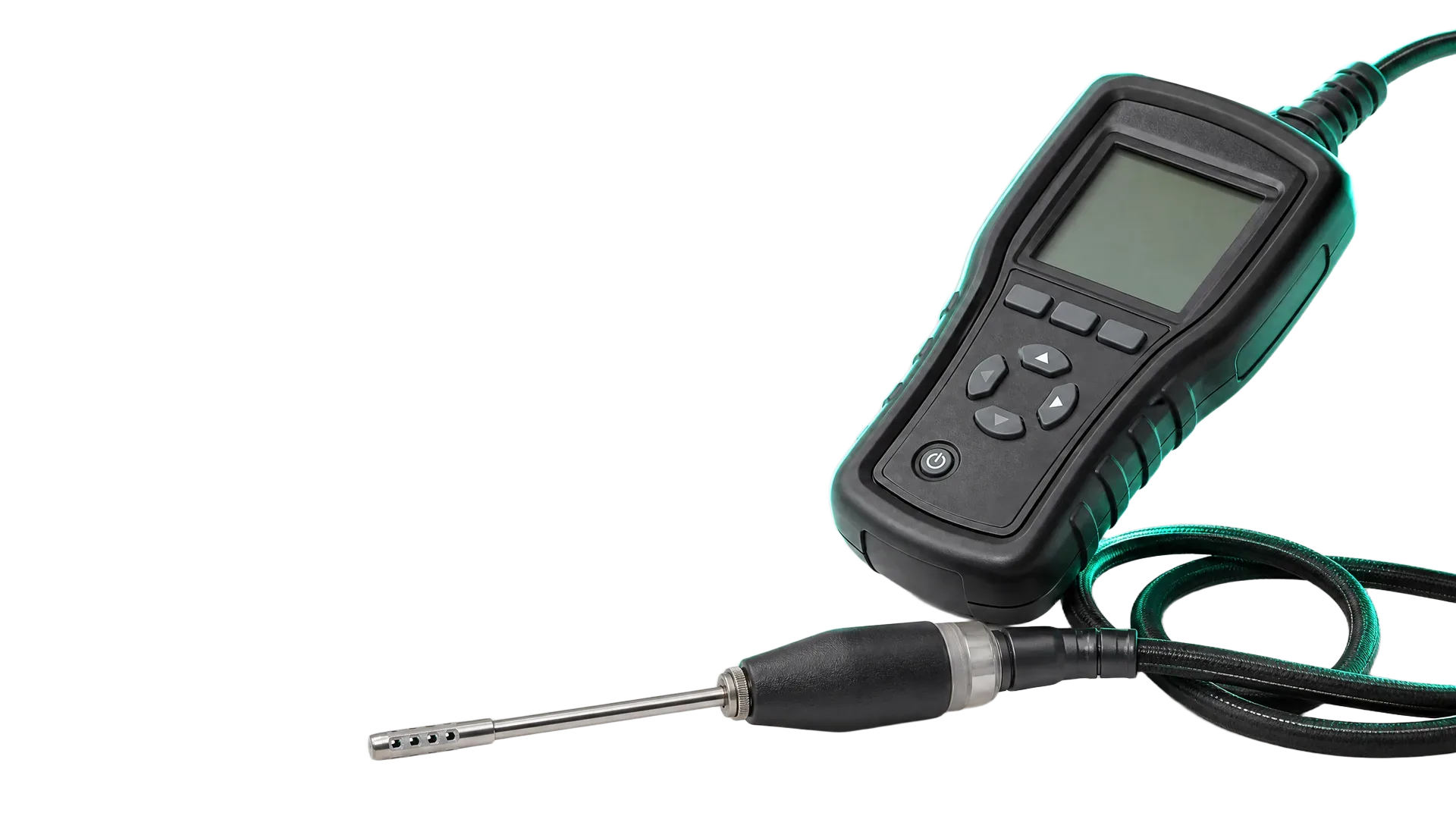
What a tech actually checks
A diagnostic visit starts with questions, not tools. The tech wants to know what you noticed first, when it started, and whether the furnace is doing anything right now. Short cycling, blowing cold air, not firing at all. That history narrows things down before any panel comes off. From there the check runs in order. Power and thermostat signal first. Then the safety switches. Then ignition. Then the burners and flame. Then airflow across the heat exchanger. Each step rules something out before the next one starts. If the igniter glows but the burners never catch, the gas valve or the flame sensor is the likely problem, not the igniter. If the blower runs fine but the air coming out stays cool, the trouble sits upstream in the burner assembly or the heat exchanger. A tech will pull the flame sensor and clean it before swapping it out, because a dirty sensor can act exactly like a bad one. Wiring connections get checked too. A connection that's barely hanging on can cause the same symptoms as a part that's actually failed. The furnace gets opened up and looked at, not just listened to from across the room.
California isn't one climate for heating purposes. Homes along the western counties need about 59% more heat over a year than homes to the east, even with the state's winters mild overall. If you're on the western side, your furnace is putting in more hours than a furnace in the eastern part of the state, so worn parts like the igniter or flame sensor see more cycles over time.
The widest gap in the state runs from Alpine County, which needs the most heat of anywhere in California, down to Imperial County, which needs the least, about an eighth as much. A furnace acting up in Imperial County is less likely to be a wear issue and more likely a single part failing on its own, regardless of how long it's been running.
Storms here can dent or bend the outdoor unit, and a furnace that still runs can still be damaged.
Tell us about the job
Takes about a minute. No obligation.
Fill out the form once and a licensed contractor will reach out to look at your furnace.