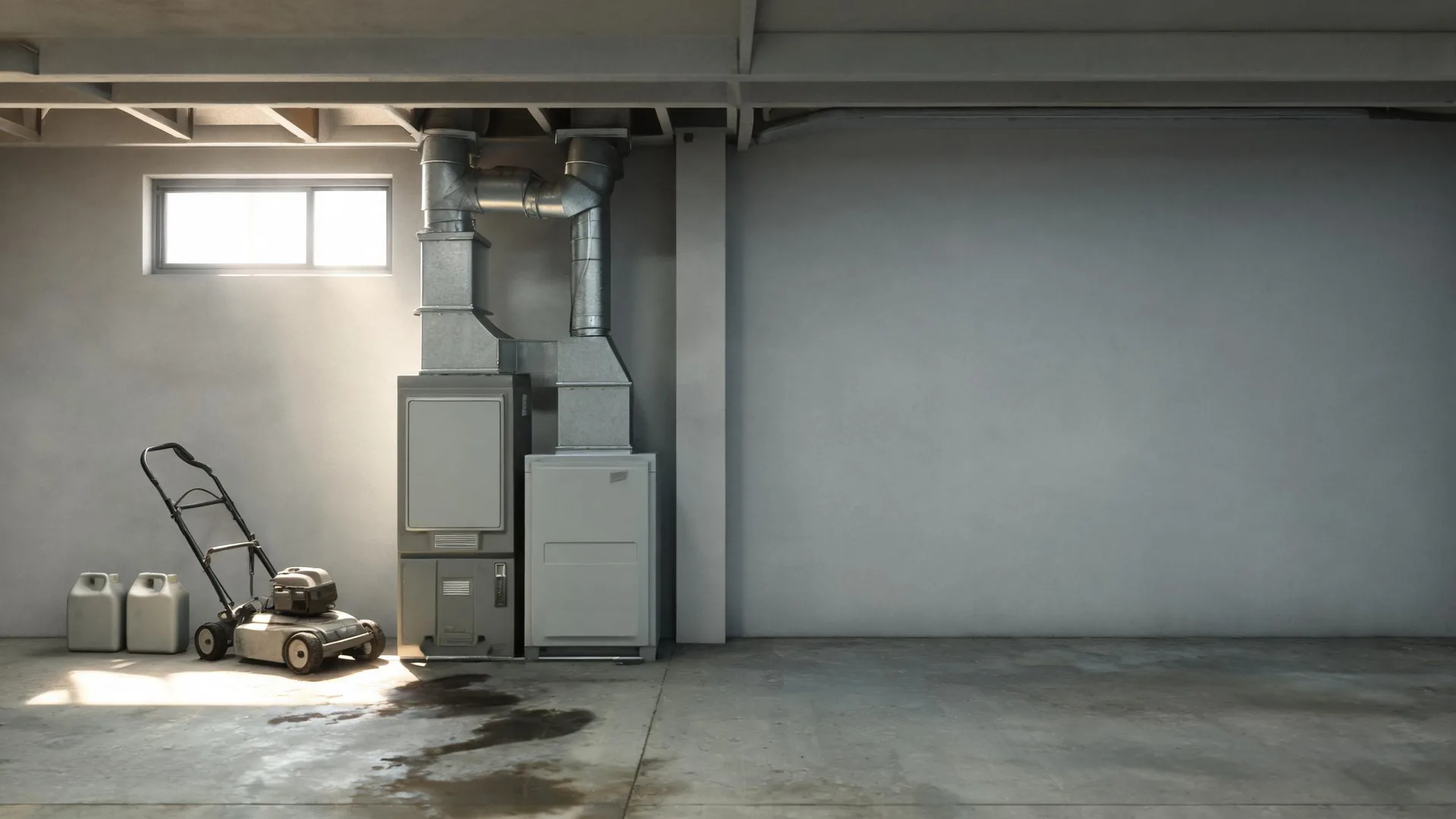
October is the month to get ahead of it
Furnaces in Oakland sit unused for months before heat gets turned on in November. A weak igniter or a failing limit switch won't show itself until the furnace actually has to run.
Takes about a minute. No obligation.
Furnaces in Oakland sit unused for months before heat gets turned on in November. A weak igniter or a failing limit switch won't show itself until the furnace actually has to run.
Once a furnace starts working hard in November, whatever part was already marginal is what gives out. That's why early-season calls tend to trace back to the same few causes, not something new.
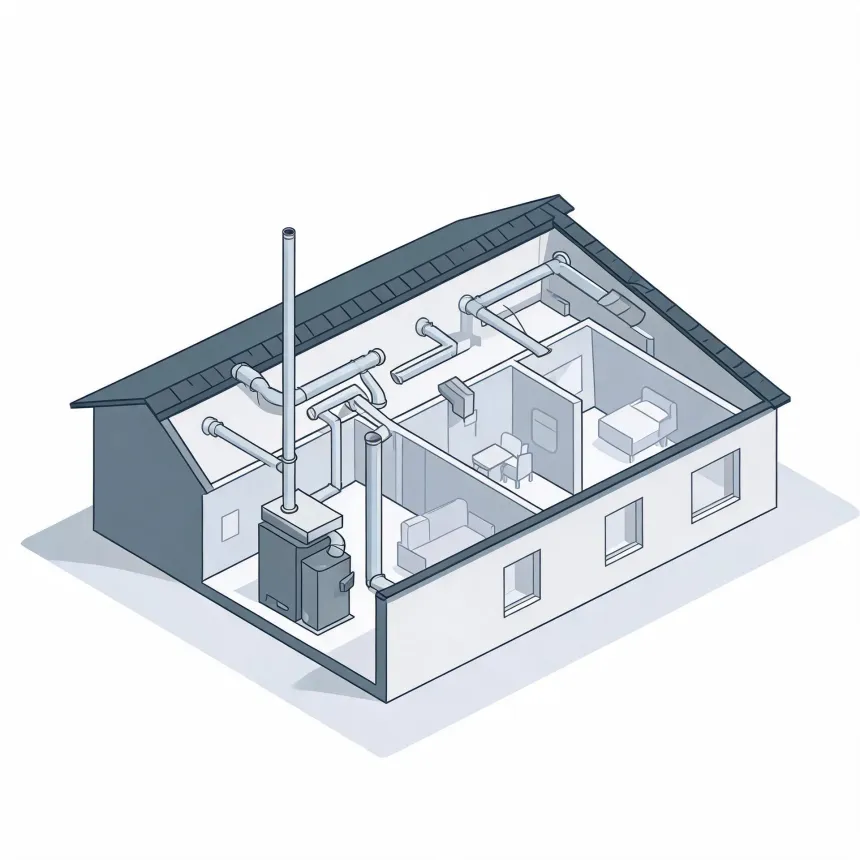
NOAA nClimDiv, 1991–2020 normals
Furnaces in Alameda County only run about six months a year, November through April.
A furnace with that light a workload is usually still in decent shape underneath, so repair is the right call more often than replacement.
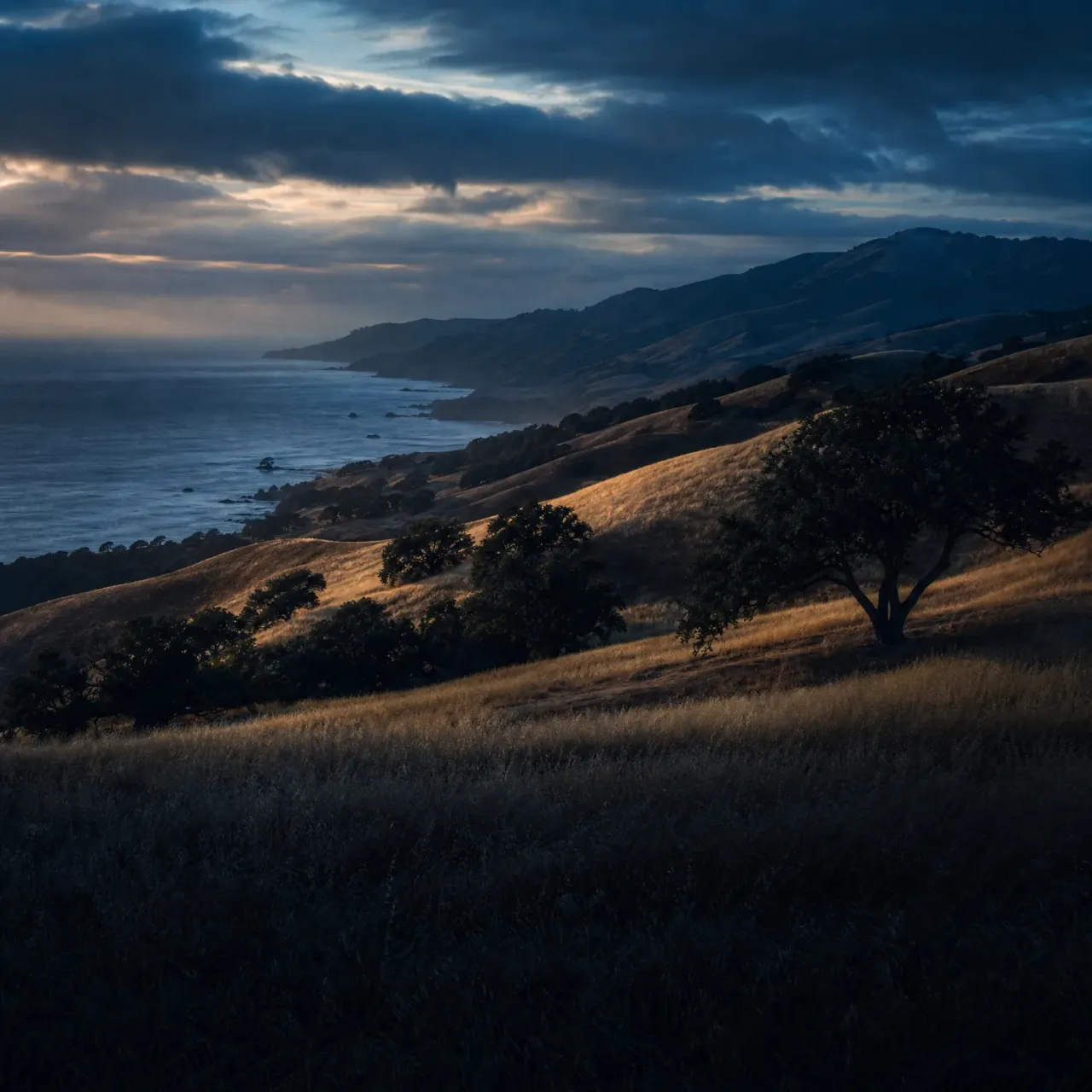

If your furnace is acting up, that's worth calling in before anyone tells you to replace it. A furnace here only works six months out of the year, so even an older unit has likely seen less wear than its age suggests. A cracked heat exchanger or a motor that's actually failed is the exception, not the rule. More often it's an igniter, a flame sensor, or a control board, and a contractor can replace any of those without touching the rest of the system. Get the actual cause diagnosed first.
If your furnace came with the house, ask the contractor straight out how much life it has left. A diagnosis will tell you whether this call is a repair or the start of a bigger conversation.
Find a contractor
A furnace that's struggling still tries to meet the thermostat setting, so it keeps calling for heat even when something is wrong. A cracked heat exchanger gets hotter and more brittle with every cycle it runs on. A blower motor with worn bearings keeps straining until it seizes, instead of failing clean. A clogged flue or blocked vent forces exhaust to find another way out while the burners keep firing. None of these get better by running longer. The furnace doesn't know it's hurt, so it just keeps doing the job until the part that's failing finally gives out, usually at the worst possible time.
Short cycling is the most common one. The furnace fires up, runs for a short while, then shuts off before the house warms up, and starts again soon after. Cold air out of the vents while the blower still runs is another, usually meaning the burners shut down but the fan didn't get the message. A burner flame that's flickering yellow instead of steady blue is worth paying attention to as well. Any of these is a reason to call, not wait.
A burning or electrical smell from the vents, a furnace that won't stop running no matter what the thermostat is set to, or soot around the cabinet are different from the rest. These point at something that can affect the whole house, not just the heat. A popping or banging sound at startup is usually just ductwork expanding, but a grinding or screeching sound is a motor bearing going bad, and that one won't fix itself by waiting.
Estimates for a typical Alameda County home, compared with an older unit built to the previous federal minimum, from EIA household energy data, California fuel prices and NOAA climate normals. Your home will differ.
Repair makes sense when one part has failed and the heat exchanger is sound.
Replacement makes sense when the heat exchanger is cracked or the furnace keeps needing parts.
A diagnostic call starts with the thermostat, not the furnace. A tech checks what it's calling for and what the furnace is actually doing in response before anything gets opened up. From there it's the burners, the flame, and how the furnace behaves through a full cycle, start to shutdown. Reading a flame sensor or testing an igniter for resistance tells you whether that part is the problem or just where the problem shows up. A gas furnace also gets checked for proper venting before the panel goes back on, because that part isn't optional. Most of the time, the cause turns out to be one part, and the rest of the furnace checks out fine.