
Heat Pump Repair in California
California's winter nights are milder than in 45 of the other 49 states.
Tell us about the job
Takes about a minute. No obligation.
- 40°Fwinter overnight low where people live
- 7 monthsof heat, November through May
- 87°Fsummer afternoon high where people live
- 4 monthsof cooling, June through September
Severe weather hits California more than most states see Kern County takes the heaviest hits
- Western counties need about 59% more heat than eastern ones
- Winter nights average 40°F where people live
- Summer afternoons average 87°F where people live
- Heat runs November through May
- Cooling runs June through September
- 1,816 winter storms from 2015 to 2024


Half of California's homes were built in 1976 or earlier
California homes run heat from November through May, about seven months a year, and cooling from June through September.
A heat pump that struggled at the end of last season often fails in the first cold snap of a new one, so trouble in October or November is usually that same weak spot giving out.
What's actually wrong tells you more than how old it is
How to tell a worthwhile repair from a system on its way out
A heat pump nearing the end of its life rarely fails all at once. It loses capacity first, so it runs longer to hit the same temperature, then it starts needing help from the backup heat strip more often than it should. If the compressor is still sound and the problem is a failed capacitor, a bad contactor, a low charge from a slow leak, or a reversing valve stuck in one position, repair makes sense. Those are individual parts, and replacing one doesn't put the rest of the system at risk. The harder call comes when the compressor itself is failing, or when the coil is corroded through. A compressor swap is a major repair on an old system, and if the unit is already short on refrigerant or the coil is leaking, fixing one part just moves the next failure closer. Age matters less than what's actually wrong. A unit that's been reliable and just lost a run capacitor is worth fixing every time. A unit that's into its second major repair in a couple years, especially if each one is a different part failing, is telling you the whole system is wearing out together. Frequency says more than any single failure does.
What does a heat pump in California face?
How hot do summer afternoons get?
87°Faverage afternoon high where people live
Alaska66°F
Arizona101°F
How cold do winter nights get?
40°Faverage overnight low where people live
North Dakota4°F
Hawaii65°F
How many months does the heat run?
7 monthsof heating a year
Hawaii0 months
Alaska12 months
What does electricity cost?
31.97¢per kWh (kilowatt hours, the unit on an electric bill), what homes paid in 2024
North Dakota11.51¢
Hawaii42.86¢
How often do storms hit?
239severe weather events per county from 2015 to 2024
Alaska5
Wyoming1,057
How many homes lost power for a day or more?
17%of homes in 2024
Arizona7%
Maine54%
What usually goes wrong inside a heat pump
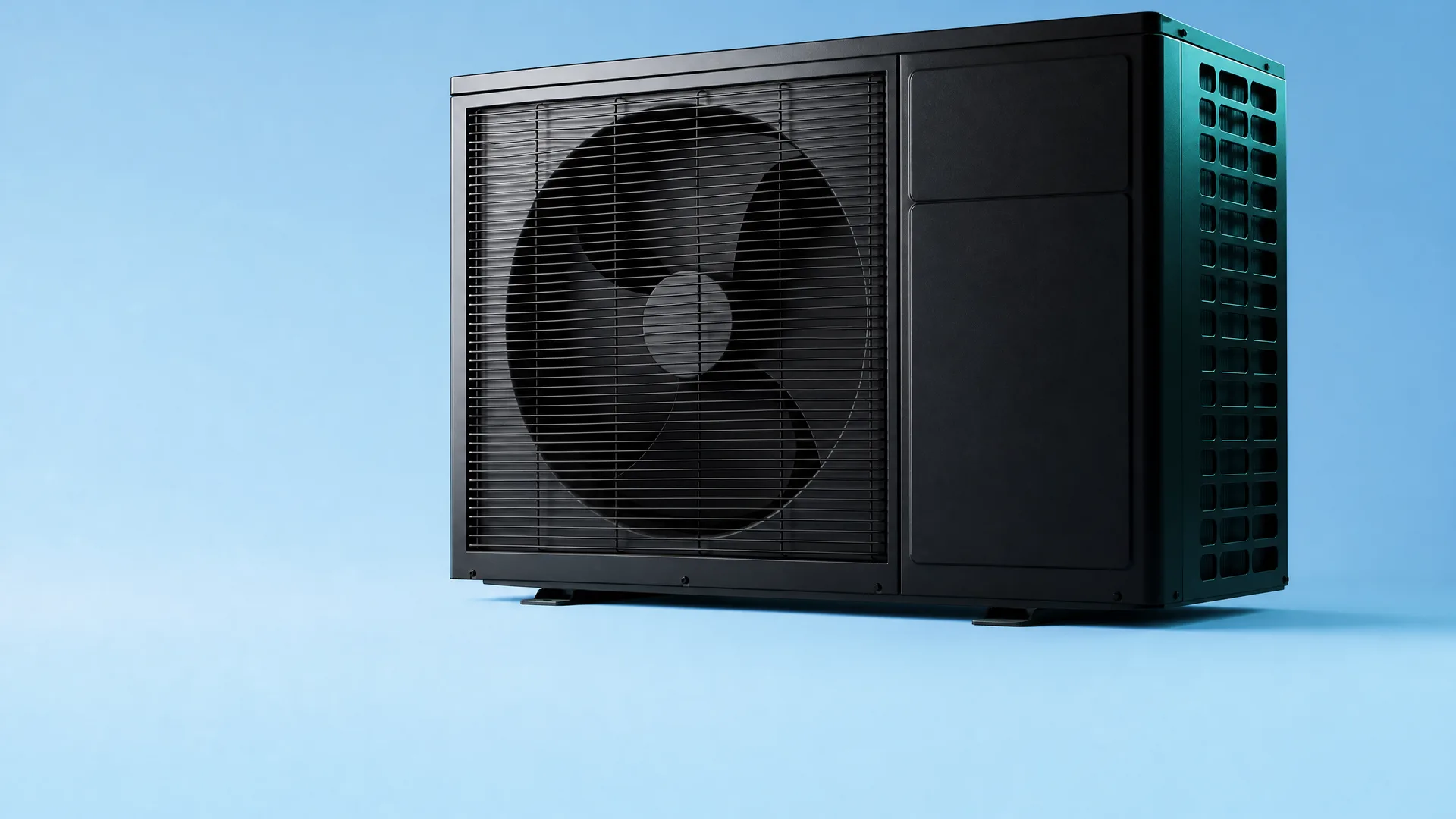
Most heat pump failures start with the reversing valve or the defrost cycle. The reversing valve is what lets the unit pull heat from outside air and push it indoors, and when it sticks, the system blows cold air during a heating cycle or stops switching over at all. Outdoor coils ice up in cold weather, and a working defrost board and sensor clear that ice on a schedule. When the sensor fails or the board stops triggering defrost, ice builds up until the coil can't pull in enough air, and the unit loses capacity or trips out on its own. Capacitors wear out from heat cycling and age, and a weak one makes the compressor or fan motor strain to start, which shortens both further. Low refrigerant almost always means a leak somewhere in the line set or coil, since the system is sealed and shouldn't need refrigerant added under normal use. A contactor pitted from years of switching can stop making good contact and leave the outdoor unit silent while the indoor side still runs. The compressor is the part everyone worries about, but it usually fails last, after something else has made it run harder than it should for a long stretch.
What happens during a diagnostic visit
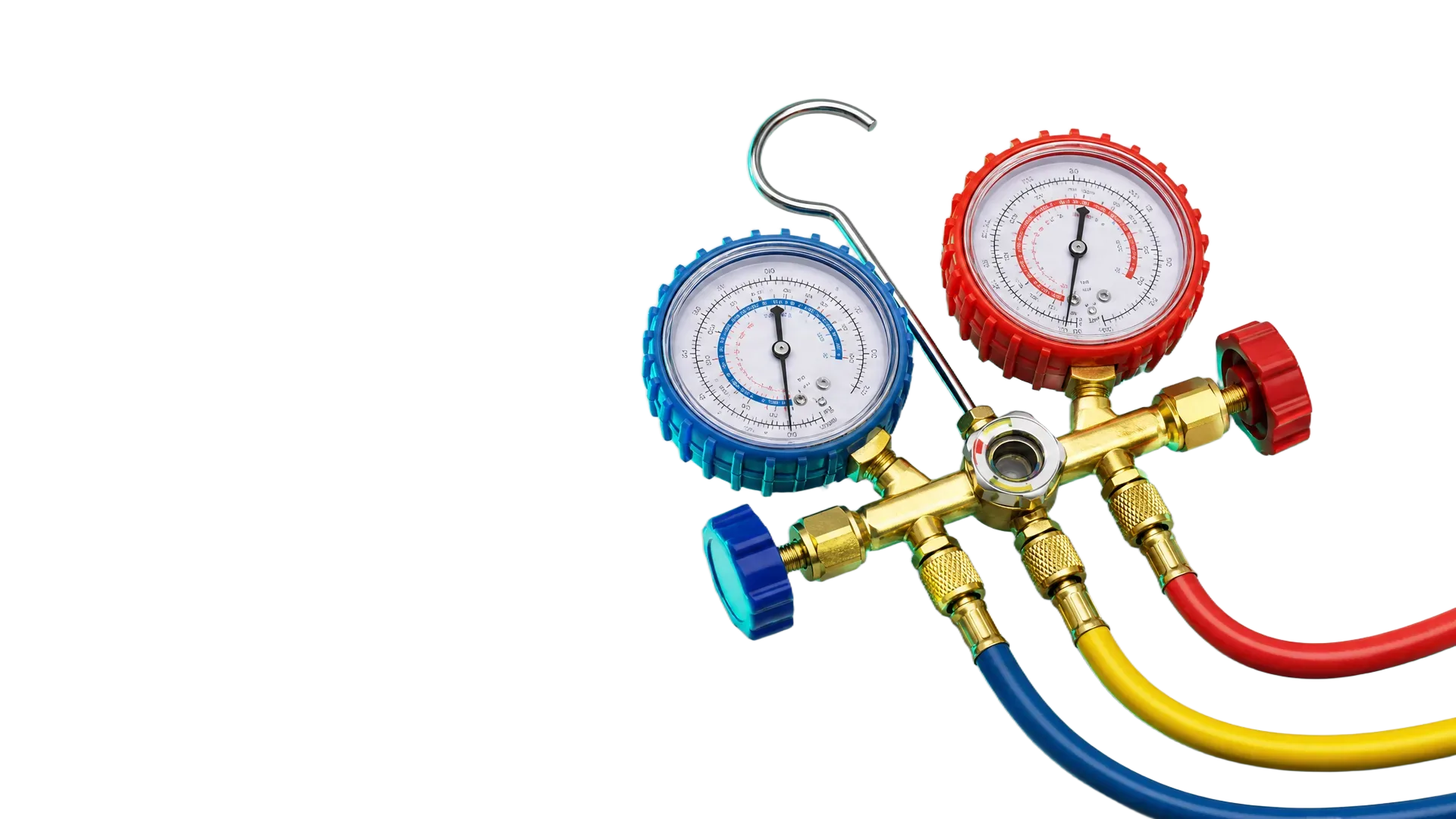
A diagnostic visit starts outside, at the outdoor unit. The tech checks the coil for ice, listens to the compressor and fan, and watches whether the reversing valve switches when it should. Gauges go on the lines to read refrigerant pressure. Low pressure points to a leak somewhere in the line set or coil. Inside, the tech feels the air coming out of the vents. Cold air during a heating cycle usually means the reversing valve isn't shifting over the way it should. Electrical parts get tested next, starting with the capacitor and contactor. A capacitor can test weak even while the fan still spins, and a contactor can look fine but fail to hold contact once it's under load. The defrost board and sensor get checked too, since a bad sensor leaves ice building on the coil instead of clearing on schedule. A good tech also asks when the trouble started and what it looked like. A unit that's been losing capacity for weeks is telling a different story than one that stopped overnight. By the end of the visit, the tech should be able to name the failed part and say whether it's a contained fix or a sign the compressor or coil is wearing out too.
Where you are changes what gives out first
California's heating need isn't close to even. Homes in Alpine County need about eight times as much heat over a year as homes in Imperial County, and homes across the western counties need about 59% more than homes across the eastern counties. A heat pump in a colder county is cycling into heat mode far more often across the winter, and more cycles means more chances for the defrost board and reversing valve to show their wear. A unit on the milder end of the state can carry a weak capacitor for years before it's ever pushed hard enough to fail. So where the house sits changes which part is likely worn first, and it's worth telling the tech how hard the system runs, not just what it's doing right now.
Winters stay mild here, so a heat pump rarely gets pushed hard enough to wear out fast.
Tell us about the job
Takes about a minute. No obligation.
Fill out the form once and a licensed California contractor calls to look at your heat pump.