Santa Clara County sees real storms
Weather data shows 298 severe weather events here between 2015 and 2024, with damaging wind behind most of them, 257 times in that span. Hail showed up too, 33 times. None of that is rare enough to call a fluke.
Takes about a minute. No obligation.
Weather data shows 298 severe weather events here between 2015 and 2024, with damaging wind behind most of them, 257 times in that span. Hail showed up too, 33 times. None of that is rare enough to call a fluke.
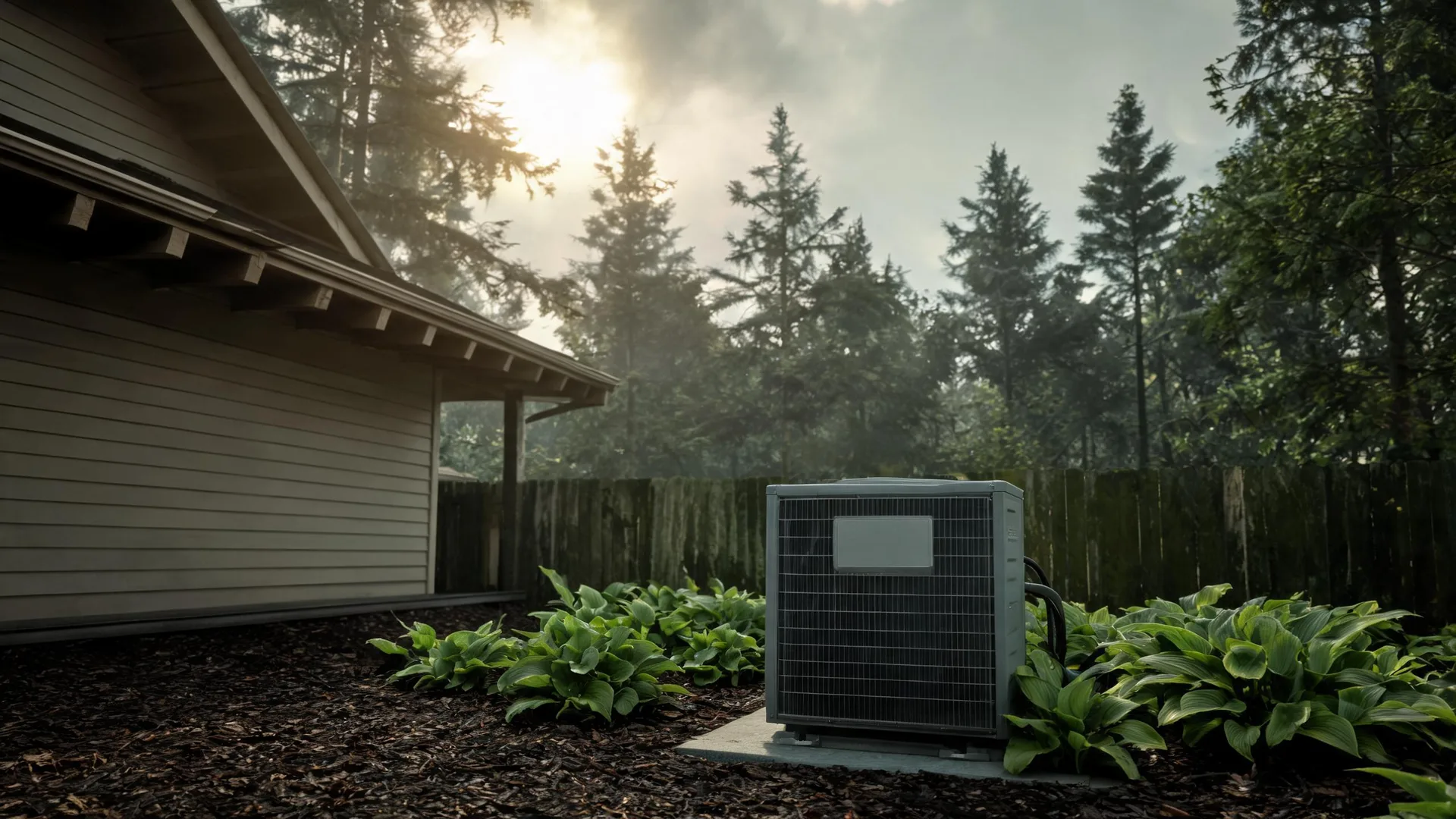
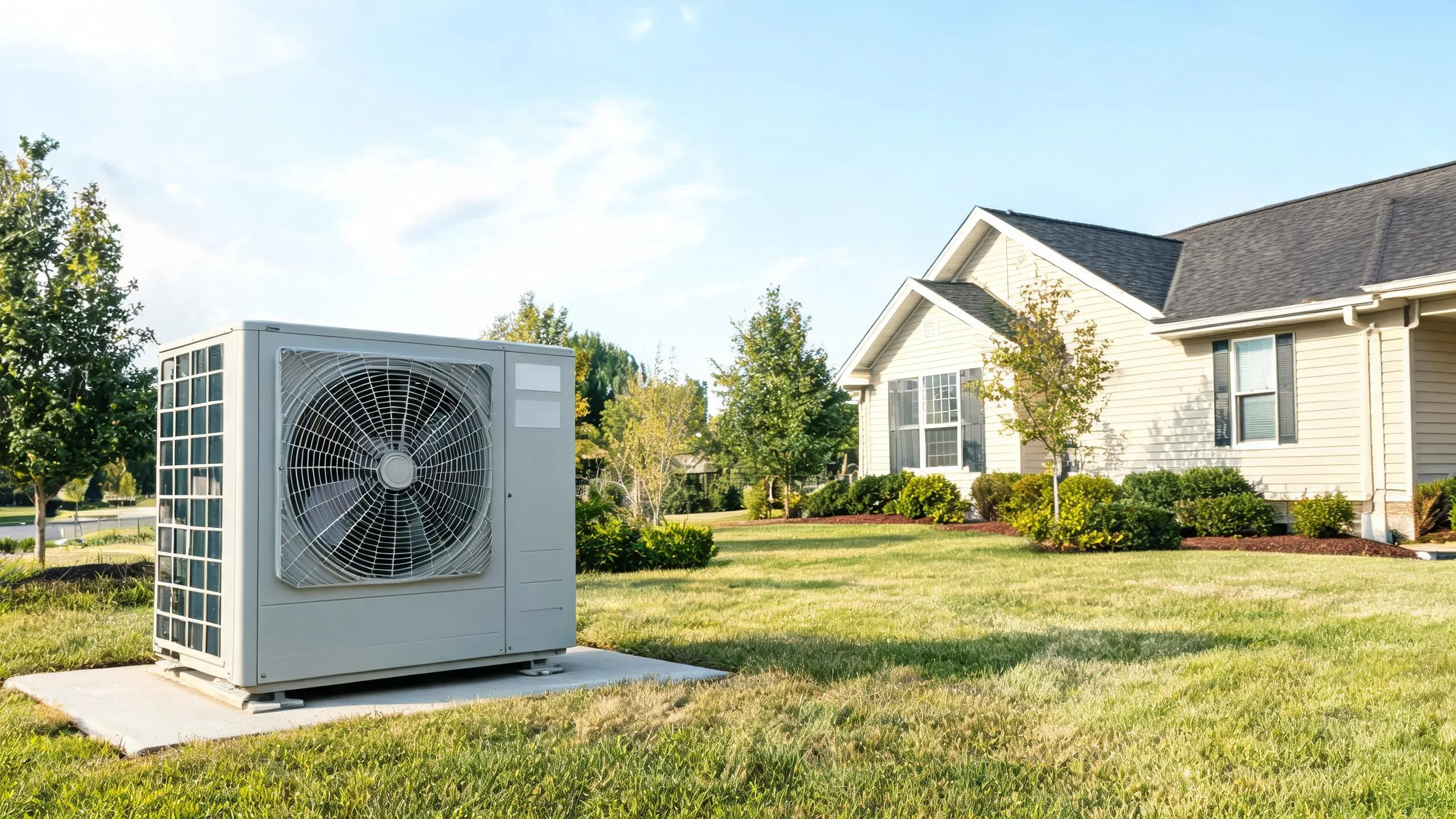
A heat pump's outdoor unit takes whatever wind and hail come through, with its coil and fan exposed on all sides. A storm can leave it running rough even when nothing looks bent from a glance.

NOAA nClimDiv, 1991–2020 normals
Heat pumps here start their heating run in November.
A part that was already weak often fails in the first cold snap, not before.



Your heat pump doesn't work as hard here as it would most places. The dew point in San Jose averages 50°F through June, July and August, well below what most of the country deals with in summer, so the coil isn't fighting heavy, moisture-loaded air all season. That matters because a system pulling less moisture out of the air runs fewer hours to do its job. Fewer hours means less wear on the compressor and fan motor over the years. So when a heat pump here starts acting up, age or a neglected filter is usually the cause, not a machine that's been run into the ground. That's a good reason to have it looked at rather than written off.
Wind and hail are common enough here that a storm doesn't need to bend anything to throw your heat pump off. If it's been acting up since a recent storm, have someone look at the coil and fan before you write off the noise or the rough start as nothing.
Find a contractor
A machine that hasn't worked hard tends to hold up well, so most of what's wrong with a heat pump here is fixable rather than fatal. That's worth knowing before you decide whether a repair is worth paying for. Years of running fewer hours than it would most places means the compressor and fan motor have less wear behind them, so a repair has a better chance of holding. Check whether a recent storm reached the unit before you settle on what's wrong. Wind and hail don't have to bend anything to throw the coil or fan off balance.
Make sure it's set to heat or cool as needed and the setpoint is actually past room temperature. Check the batteries if it uses them. A blank or unresponsive display sometimes means a tripped breaker rather than a thermostat failure.
Clear away leaves, branches or anything blocking airflow around the outdoor unit, and make sure the fan on top spins freely. Pull the air filter and hold it up to light. If you can't see light through it, replace it. A clogged filter can make a heat pump blow weak or warm air and is something you can rule out yourself before calling anyone.
Most heat pump failures trace back to a handful of parts. The capacitor that kicks the compressor and fan motor on is one of the first to go, usually after years of heating and cooling cycles wear it down. A dirty coil, outdoor or indoor, makes the whole system work harder to move heat, and that extra strain shortens the life of the compressor itself. Refrigerant doesn't get used up, so a system running low has a leak somewhere, and that leak won't fix itself. The reversing valve, the part that switches the system between heating and cooling, can stick or fail outright, and when it does the unit gets stuck in one mode. Sensors and defrost controls drift out of calibration over time too, which shows up as short cycling or a unit that won't defrost when it should. None of these are tied to how old the house is. They're tied to how long the equipment has been running and whether it's been maintained.
A heat pump that's cycling wrong or short cycling is pulling power the whole time it does it, and power here costs more than it does almost anywhere else. That's not a cost you want sitting on a system for weeks while you decide what to do. If the capacitor is weak or the coil is dirty, the unit runs longer to do the same job, and every extra hour shows up on the bill before it shows up as a bigger repair. Getting it looked at now is what keeps a small problem from running up a bigger tab in the meantime.