



Heat pump blowing cold air in San Jose, CA

RepairHeat PumpSanta Clara County, CA
Step 1 of 2

What ZIP code is the job in?

A heat pump blowing cold air in heating mode usually means it's stuck in defrost, or that it's stuck in cooling mode outright. Check the thermostat first. It should read "heat," and the fan should be on auto, not on. If it's set correctly and you're still getting cold air, the reversing valve may have failed partway, leaving the system caught between heating and cooling. That part switches the refrigerant flow so the same unit can warm the house in January and cool it in July. Winters in San Jose are mild, so the outdoor coil rarely ices over the way it would somewhere colder, which makes a stuck reversing valve or a low refrigerant charge more likely than frost buildup. Either way, the system won't warm the house until the valve or charge is fixed, and running it in the meantime won't damage anything further, but it also won't get warmer on its own.

A woman wrapped in a knit blanket sits on a gray sofa in a living room, looking toward a bright window with houseplants and an armchair in the background.
A woman with long dark hair in a green knit sweater sits on a couch indoors, smiling and looking toward a window with a blurred room behind her.
A woman with dark hair in a bun wearing a cream knit sweater sits on a gray sofa in a bright living room, looking off to the side.
A woman in a gray cowl-neck sweater sits on a light sofa with cushions, smiling and looking to the side, with a kitchen and window visible behind her.

Why does my heat pump need to work so hard in San Jose

  • Winter nights average 39°F

    Nights drop to 39°F on average in December and January, so your heat pump has to pull real heat out of cold air, not just mild air.

  • Heat runs November through May

    Heat runs November through May here. That's most of the year riding on this one system, so a stuck unit means months of discomfort, not days.

  • Cooling runs July through September

    Cooling only runs July through September. The heat pump spends far more of the year heating than cooling, which is where the wear usually shows up first.

NOAA nClimDiv 1991-2020

The defrost cycle is working

Every so often in winter your heat pump switches to cooling mode for a few minutes on purpose, to melt frost off the outdoor coil. The indoor fan keeps running, so you feel cold air at the vents. You might notice the outdoor unit steaming. This is normal through the nights here that drop into the 30s. It should pass within ten minutes or so, and warm air should come back once the unit switches back to heating. If this happens once or twice an hour, that's not defrost anymore, that's a problem.


Something is actually wrong

If the air stays cold for more than ten or fifteen minutes, or never switches back to warm, the system isn't cycling through defrost anymore. It could be stuck in cooling mode, low on refrigerant, or have a failed reversing valve, the part that switches the system between heating and cooling. With nights in San Jose dropping into the high 30s this time of year, a heat pump that won't actually heat leaves a house getting colder for hours, not minutes. A contractor who works on these year-round can tell you which one it is.

An outdoor air conditioner condenser unit on a concrete pad beside a house with beige horizontal siding, with conduit running from an electrical box on the wall.
Before you get your heat pump repair
A gray outdoor heat pump unit on a concrete pad beside a house with horizontal lap siding, connected by conduit and a flexible line to a wall-mounted disconnect box, with low shrubs and mulch nearby.
After you get your heat pump repair

Most of this comes down to a handful of parts, and they fail in different ways. The reversing valve is what switches the system between heating and cooling, and if it's stuck, the thermostat can say heat while the unit runs cooling anyway. That valve takes its signal from a low-voltage circuit board, so sometimes the valve is fine and the relay telling it what to do is the actual problem. Refrigerant levels matter too. A heat pump low on charge still runs, but it can't draw enough heat out of the outside air, so what reaches your vents never gets properly warm. The outdoor unit manages its own defrost cycle using a sensor, and when that sensor fails, the unit can sit in defrost well past when it should've switched back. None of this requires a dramatic fault. A clogged filter or a blocked return can drop airflow enough that heated air cools off before it reaches the room. On homes with gas backup, there's also the switchover itself, the point where the system should hand off from the heat pump to the furnace in colder weather, and a failing one leaves the heat pump working alone outside its range.

What's actually going wrong inside

  • A reversing valve switches the refrigerant flow direction, and when it sticks partway, the unit can run in cooling mode even with the thermostat set to heat.
  • The thermostat's call for heat moves through a low-voltage circuit board, and a bad relay there can leave the system locked onto the wrong cycle.
  • A heat pump that's low on refrigerant can't pull enough heat from outdoor air, so the air at the vents stays cool even when everything else runs normally.
  • The outdoor unit has its own sensor that tells it when to defrost, and a failed sensor can leave it stuck in that mode far longer than it should run.
  • Airflow problems, like a clogged filter or blocked return, can make warm air feel cold by the time it reaches you, even though the system is heating.
  • A failing dual fuel switchover, on systems paired with gas backup, can leave the heat pump running alone in weather it isn't built to handle.
A woman with graying hair in a loose bun wearing a beige knit sweater sits in a dimly lit kitchen, looking off to the side, with a round loaf of bread in the foreground and lit candles near a dark window.
A woman and a child with closed eyes sit wrapped together in a cream knitted blanket on a couch, with a lit lamp and shelves blurred in the background.

Matched to your heat pump job

Your request stays with one local pro.

Asking costs nothing, and the choice to hire stays yours.

What a Stuck Heat Pump Costs You

  • A heat pump stuck blowing cold air can leave rooms at 60°F or lower by morning once nights drop into the high 30s.
  • The thermostat keeps calling for heat it isn't getting, so the system runs longer and the power bill climbs faster than usual.
  • A reversing valve stuck in cooling mode won't fix itself and will keep pushing cold air through every heating cycle until it's repaired.
  • Rooms farthest from the air handler feel it first, since they're already getting the least warm air on a good day.
  • Running a heat pump in the wrong mode for days at a time adds wear to the compressor that a quick repair avoids.
  • If young kids or anyone older is in the house, a cold house overnight is more than an inconvenience.

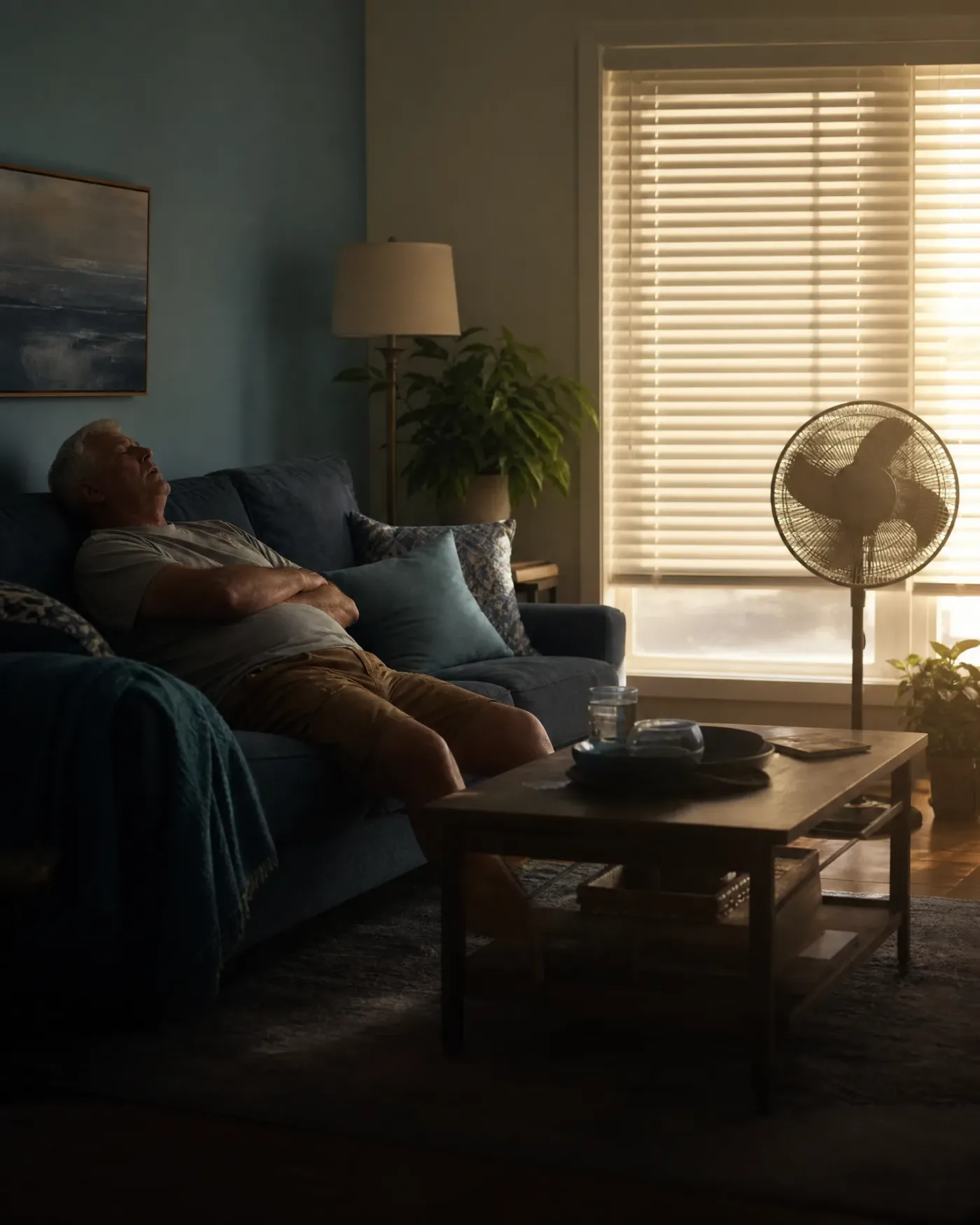
A heat pump that won't leave cooling mode doesn't just feel uncomfortable, it changes your house overnight. With December and January lows near 39°F, a system blowing cold air instead of warm can let indoor temperatures slide to 60°F or lower by morning, especially in rooms farthest from the air handler that already run cooler on a normal day. Meanwhile the thermostat keeps calling for heat, and since it isn't getting any, the system runs longer trying to catch up. That extra runtime shows up on your power bill, and power here already costs more than most places in the country. If the cause is a reversing valve stuck in cooling position, waiting it out won't help. It stays stuck until someone repairs it, which means every heating cycle in the meantime pushes cold air instead of warm. Days of that cycling also puts extra wear on the compressor, the part doing the most work in the whole system. None of this is only an inconvenience if there are young kids in the house or anyone older who feels the cold more. A house that drops into the 50s overnight is a different kind of problem than a thermostat set wrong. The fix is usually straightforward once a contractor is inside looking at the reversing valve and the control board, but the sooner that happens, the less strain the system carries and the sooner the house holds a temperature you set it to.

Power here costs 36.42 cents per kilowatt-hour

At 36.42 cents per kilowatt-hour, a heat pump stuck in the wrong mode costs you twice. It's not warming the house, and it's still drawing power the whole time it runs. The longer it sits stuck, the more that shows up on your next bill.

EIA-861 2025

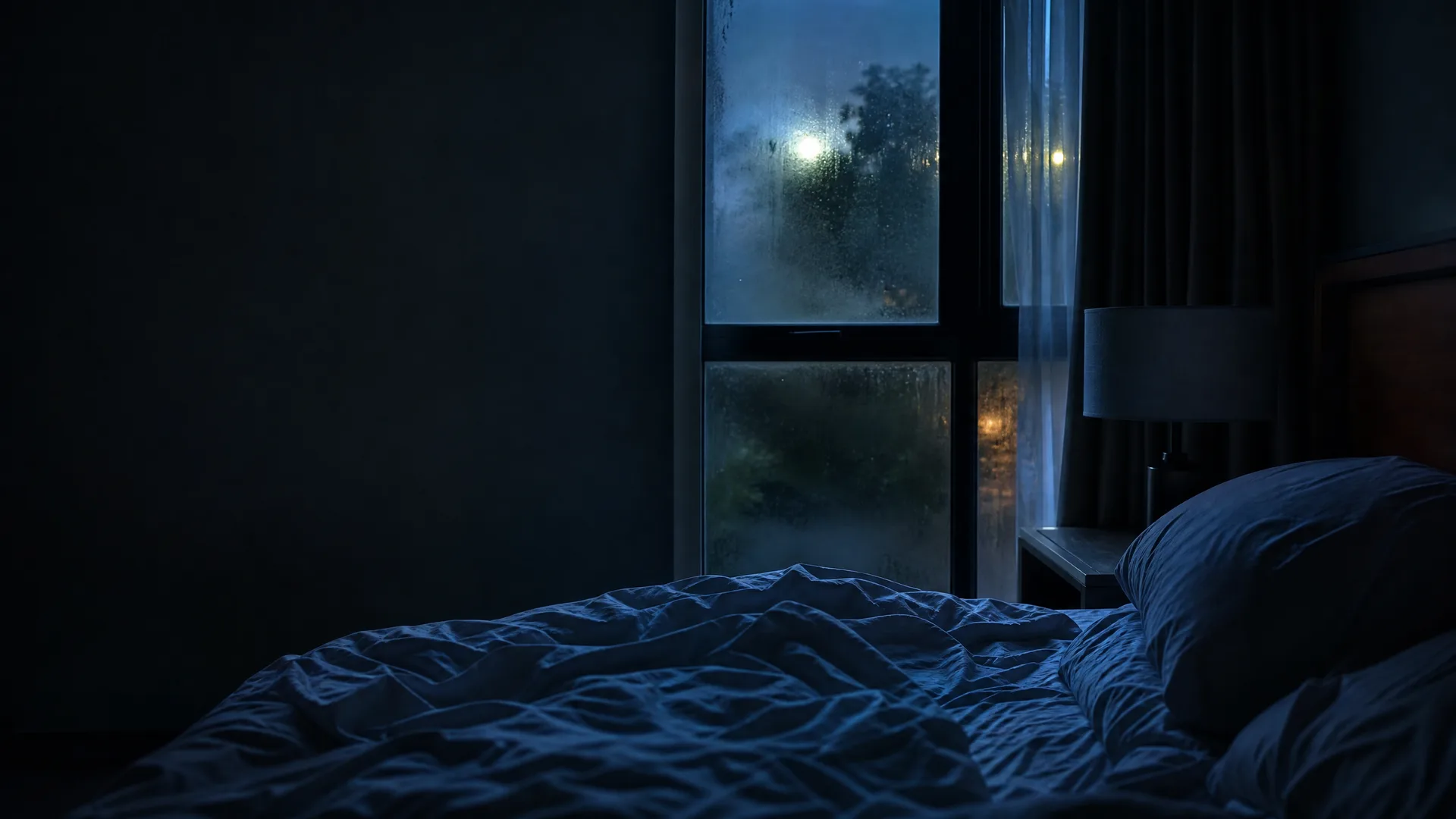
A dark bedroom at night with a rumpled duvet and pillows on a bed beside a rain-streaked, condensation-covered window with distant lights, a curtain, and a bedside lamp.

It's past midnight in January, and you're awake again, pulling the blanket up to your chin. The vent above the bed is still pushing air, and it's not warm. Outside it's dropped into the high 30s, the way it does most nights this time of year in Santa Clara County, and the room has gone with it. You check on the kids down the hall, and their room is the same, cold enough that one of them has migrated under a second blanket. The thermostat on the wall reads 68, set to heat, but nobody in this house believes it right now. You lie back down and listen to the system still running somewhere below the floor, working, not helping.

Call now or wait it out

Call for repair now

  • A tech who works on heat pumps all winter in Santa Clara County can usually spot a stuck reversing valve or a bad defrost board within the first visit.
  • You stop losing ground on cold nights, so the thermostat isn't calling for heat the system can't deliver.
  • Fixing the stuck mode now means the compressor and reversing valve aren't cycling under strain they weren't built for.
  • Power here runs 36.42 cents per kilowatt-hour, so every hour the system runs stuck in the wrong mode adds up fast on the next bill.
  • A local contractor already knows the parts that tend to fail on these units in this climate, which shortens the diagnosis.
  • You get matched with one licensed contractor, not several companies competing for the job.

Wait it out

  • If it's just a defrost cycle, the cold air stops within a few minutes once the outdoor coil clears and the system switches back to heat.
  • Waiting costs you nothing extra if the thermostat is simply set wrong, since fixing that takes no technician at all.
  • Leaving a real fault alone means the house keeps dropping toward the low 60s or colder on nights when it gets into the high 30s outside.
  • A reversing valve or control board problem doesn't fix itself, so the system keeps drawing power without producing heat the longer it's left.
  • The longer a stuck valve runs, the more it strains a compressor that wasn't designed to cycle that way for weeks at a time.
  • Heat runs here from November through May, so a system stuck in the wrong mode now has a long stretch of cold mornings ahead of it.
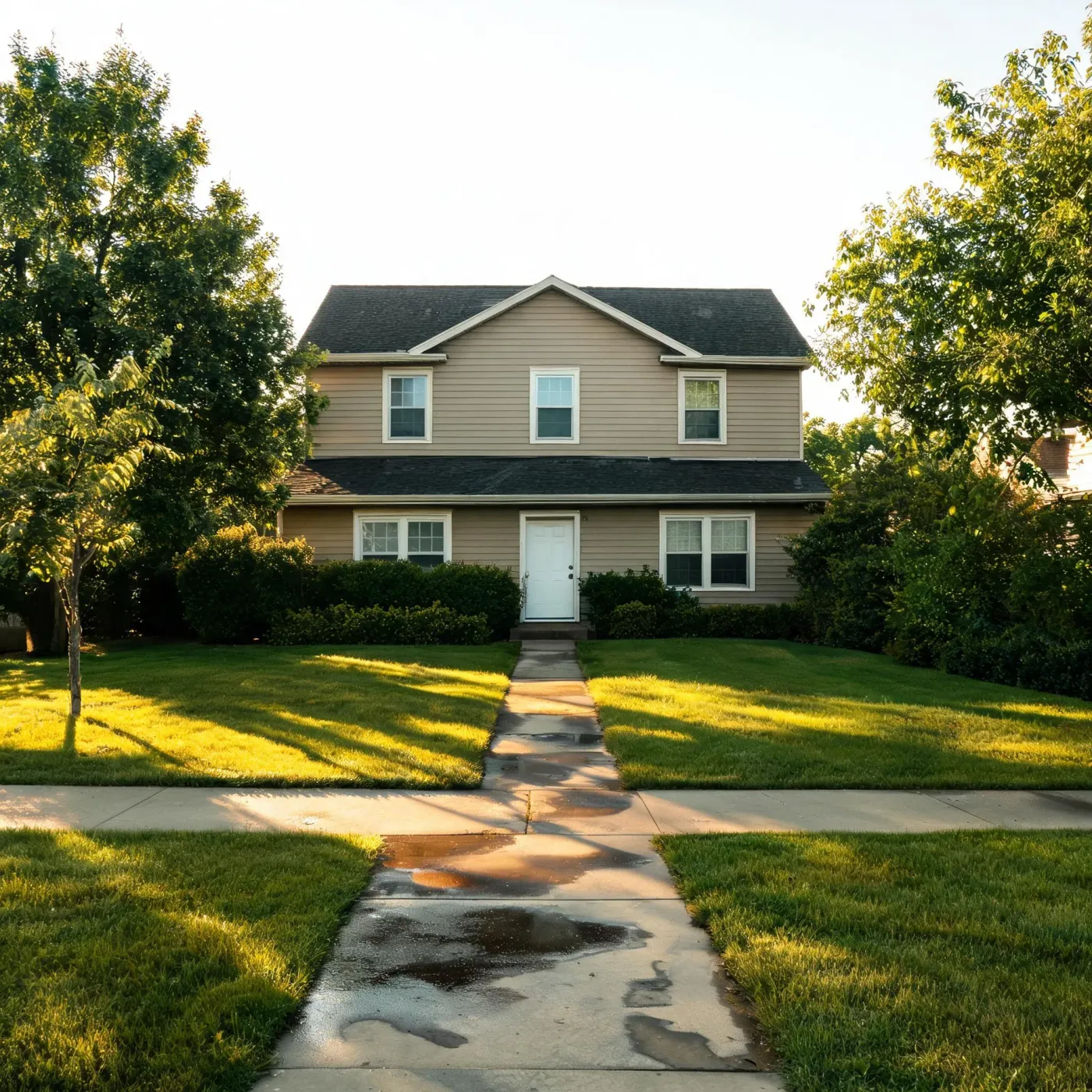
A two-story house with tan horizontal siding and a dark shingled roof, fronted by a mowed lawn, trimmed shrubs, leafy trees on both sides, and a concrete walkway leading from a wet sidewalk to the white front door.

Summers here don't carry much moisture. The dew point averages 50°F across June, July and August in Santa Clara County, which is on the dry side as these things go. That matters for your heat pump because the outdoor coil isn't fighting heavy, wet air to shed heat, so cooling mode doesn't lean on it the way it would somewhere muggy. But it also means a heat pump stuck blowing cold air in winter isn't a summer problem showing up out of season. The strain on this equipment here comes from the cold nights, not the heat, so if yours is misbehaving now, look to what's happening in defrost or the reversing valve, not the compressor working too hard in July.

NASA POWER T2MDEW

A smiling man in an olive T-shirt and jeans stands in an open front doorway holding the door, facing a person in a navy polo and cap seen from behind in the foreground, with horizontal wood-look siding and a potted white flowering plant nearby.

Cold air in heat mode means something is wrong, not just a setting

Check the thermostat first. If it's set to heat and still blowing cold, something in the system needs a look, whether that's a reversing valve stuck partway or a control board sending the wrong signal. Either way it won't fix itself, and the nights here keep dropping into the high 30s while it sits broken.

A contractor who works on heat pumps all winter in Santa Clara County has likely seen your exact problem on another unit nearby this season. When you request service, you're matched with one licensed local contractor, not a handful of companies competing for your callback, and that contractor reaches out to you directly to look at what your system is actually doing.

Interior corner of a room with a window and sheer curtain at left, a gray upholstered sofa with a cushion at right, and a round wooden table holding stacked books and a round vase with an olive branch.
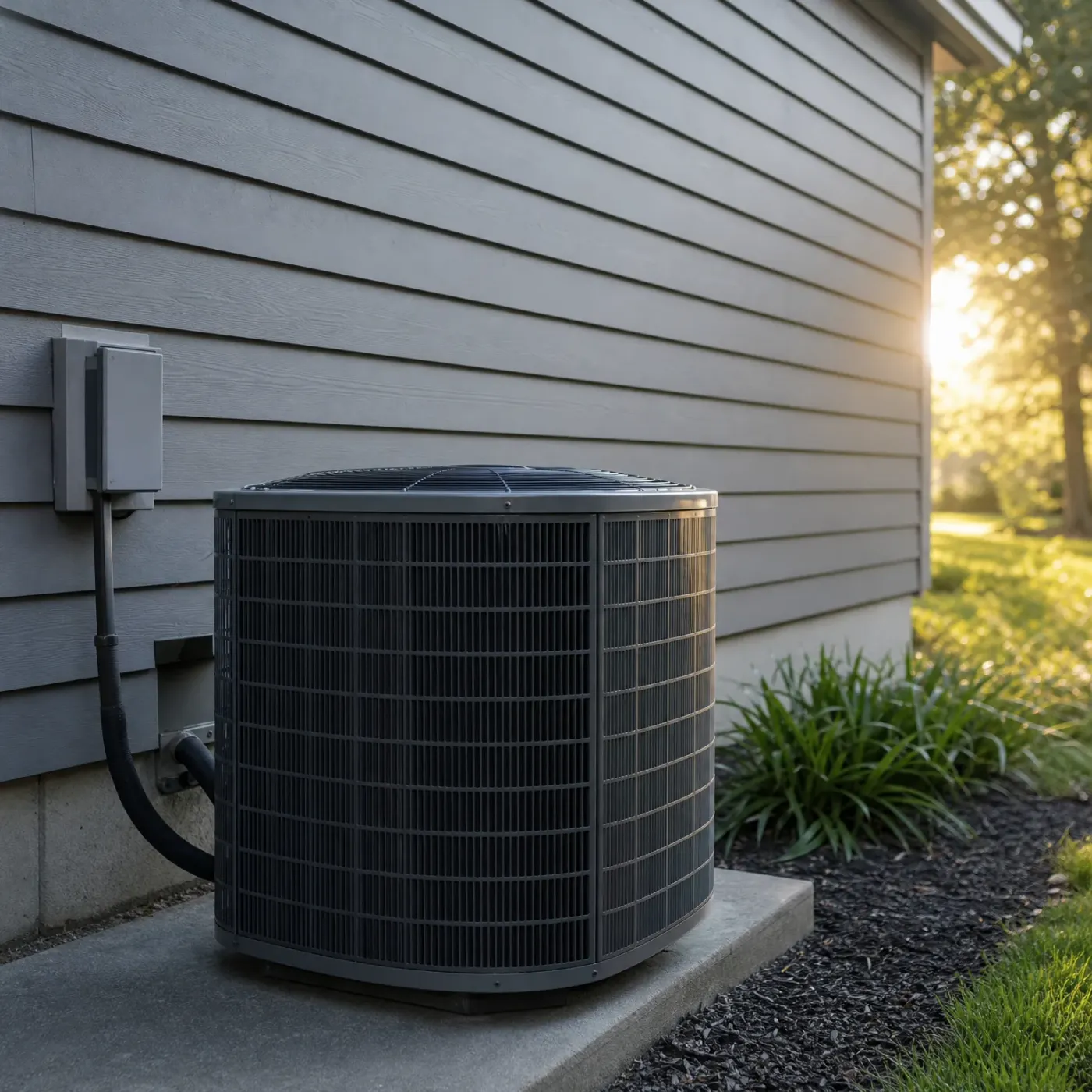
An outdoor air conditioner condenser unit on a concrete pad beside a gray horizontal-lap-sided house, with an electrical disconnect box and refrigerant line on the wall, grass, shrubs and a tree with low sun behind.

A heat pump pro near you

Get a heat pump pro

A licensed pro who repairs heat pumps in Santa Clara County gets your request.

No fee to send it, and nothing to sign.