
Heat Pump Installation in California
California's winter nights are milder than in 45 of the other 49 states.
Tell us about the job
Takes about a minute. No obligation.
- 40°Fwinter overnight low where people live
- 7 monthsof heat, November through May
- 87°Fsummer afternoon high where people live
- 4 monthsof cooling, June through September
What does a heat pump in California face?
How hot do summer afternoons get?
87°Faverage afternoon high where people live
Alaska66°F
Arizona101°F
How cold do winter nights get?
40°Faverage overnight low where people live
North Dakota4°F
Hawaii65°F
How many months does the heat run?
7 monthsof heating a year
Hawaii0 months
Alaska12 months
What does electricity cost?
31.97¢per kWh (kilowatt hours, the unit on an electric bill), what homes paid in 2024
North Dakota11.51¢
Hawaii42.86¢
How often do storms hit?
239severe weather events per county from 2015 to 2024
Alaska5
Wyoming1,057
How many homes lost power for a day or more?
17%of homes in 2024
Arizona7%
Maine54%
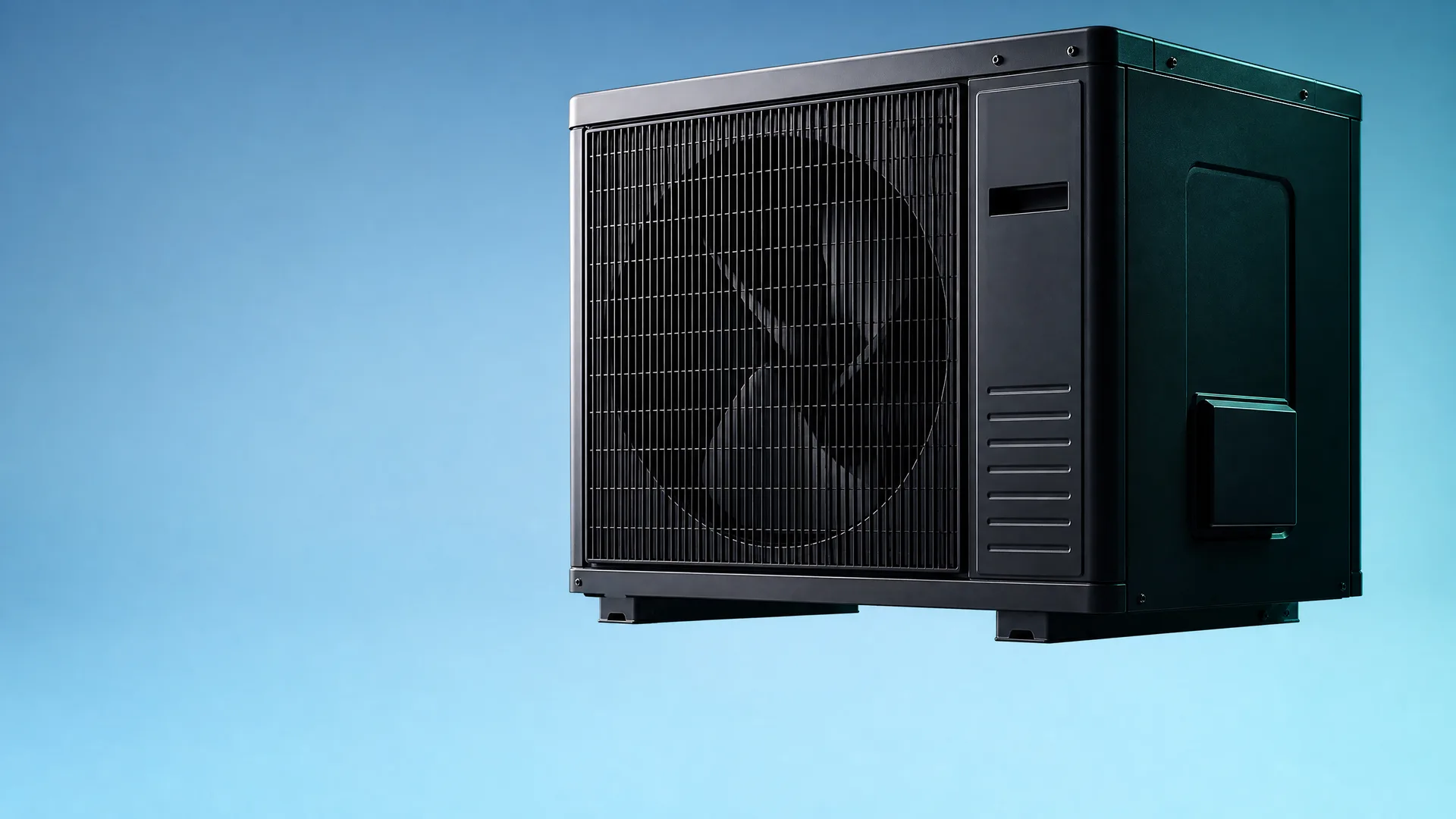
A system that isn't under constant strain
A heat pump in California isn't working against much. Heat runs November through May, cooling runs June through September, and winter nights average 40°F where most people live. Compare that to 45 other states with colder nights. The system still has to cycle on and off for most of the year, but it's rarely pulling against a hard freeze or a brutal summer. That means the case for a top-tier efficiency model is weaker here. A mid-range heat pump sized right for the house will keep up fine, and what matters more is a unit that's installed correctly and serviced on schedule than one with the highest rating on the shelf.
Built for wind, not for the cold
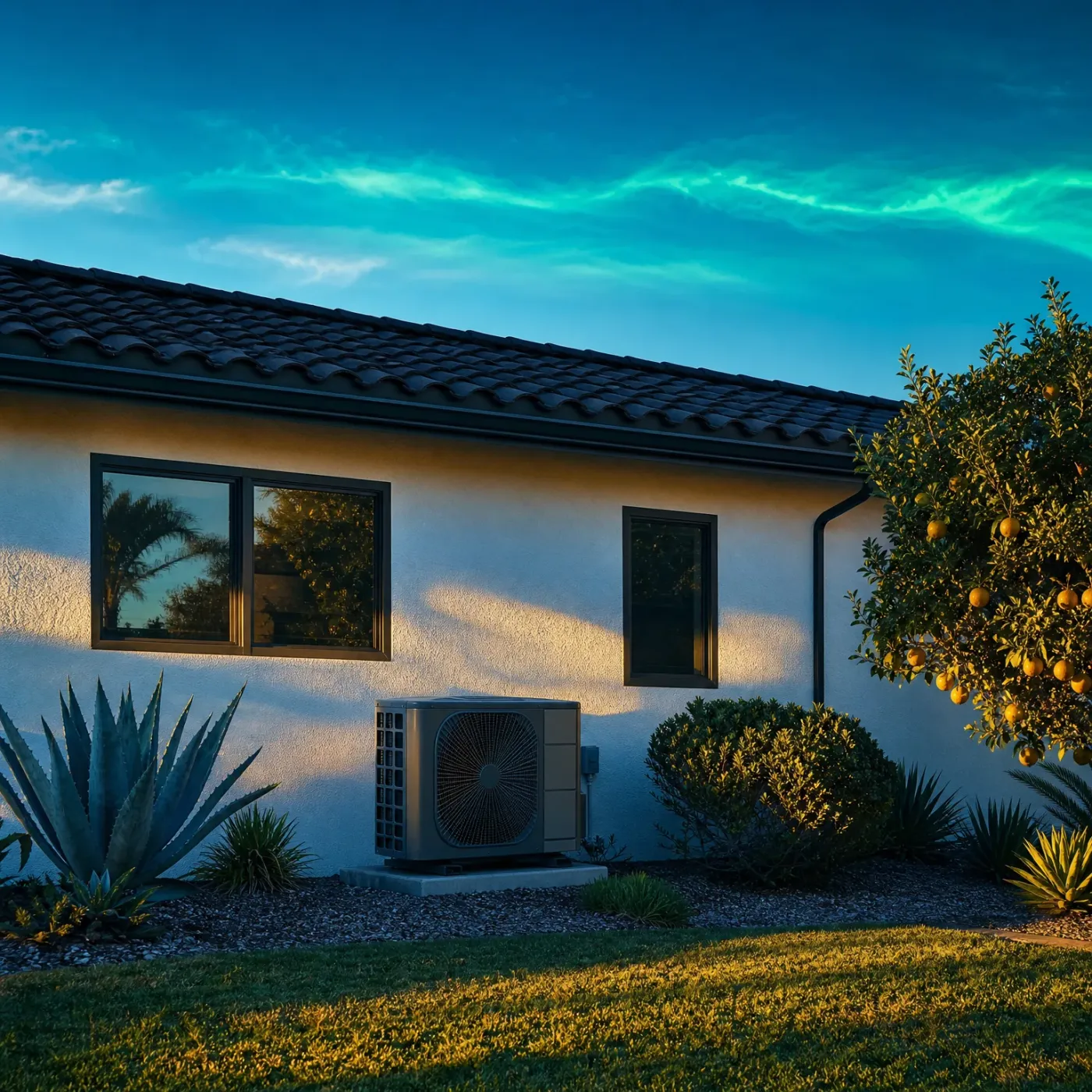
Weather here is rough on outdoor equipment more than it is cold. California logged more severe weather than most other states, counting only the counties where people actually live, and damaging wind drives most of that count. Hail barely factors in by comparison. A heat pump's outdoor unit sits outside year round, so wind-driven debris is the main thing to plan for, where it sits and whether it needs a windbreak. Power is the other piece. A heat pump does nothing without it, for heat or for hot water, and outages long enough to matter aren't rare here. If that's a real concern where you live, raise it with the installer before the system goes in, not after the first one hits.

Most homes here run on gas
What that means if you're adding a heat pump
Utility gas heats 61.0% of occupied homes in California, more than any other fuel. Electricity is a distant second. If your house is one of the gas-heavy majority, a heat pump still has a place, it handles cooling as well as heating from one outdoor unit, so you're not running a gas furnace and a separate AC. The installer still has to size the heat pump to your house, not to whatever is already hooked up, and check whether your ductwork can handle it. If gas stays in the house for backup heat or for the water heater, say so up front, that changes how the new system gets wired in.
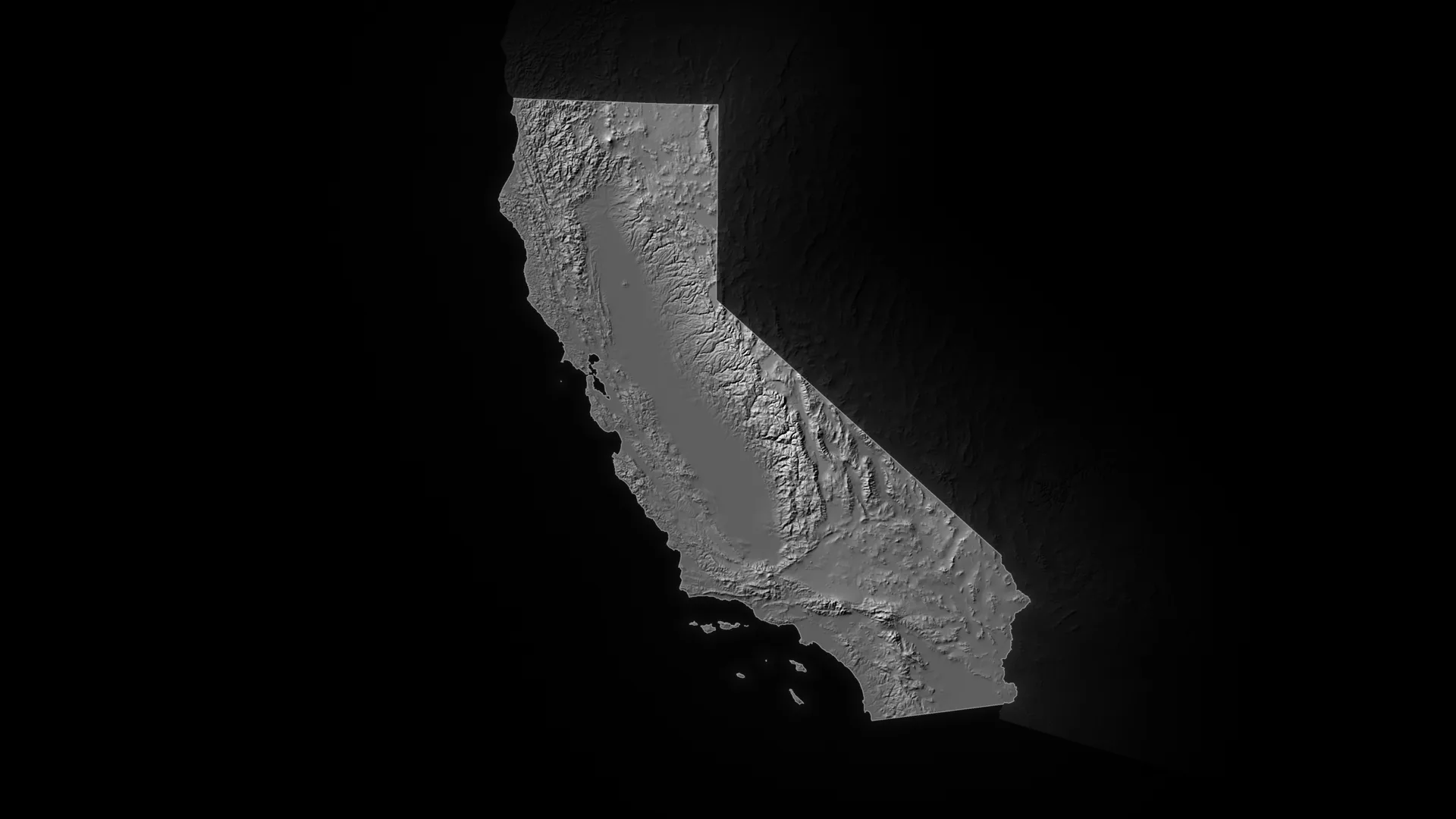
The heat load isn't even across the state. Homes in the western counties need about 59% more heat over a year than homes in the eastern counties. Alpine County needs about eight times the heating that Imperial County does, the lowest in the state. A heat pump sized for one end of that range won't make sense at the other.
Cooling splits a different way. Homes across the southern counties need about twice the cooling that homes across the northern counties do over a year. Summer afternoons in Imperial County average 106°F across June, July and August, the hottest in the state. San Francisco County stays mildest at 70°F the same months.
The eastern and western counties split on summer heat too, not just on how much cooling gets used. Eastern counties average 91°F on summer afternoons against 85°F in the west. A heat pump working afternoons on one side of that line is working against a hotter stretch of air than one on the other, before the cooling-load gap even comes into it.
None of this shows up in a single statewide number. A heat pump installer needs to know which county the house sits in and how many months of heat and cooling it's really going to see, before sizing anything.
Electricity costs more here than almost anywhere size it right, skip the premium model
- Western counties need about 59% more heat than eastern ones
- Winter nights average 40°F where people live
- Summer afternoons average 87°F where people live
- Heat runs November through May
- Cooling runs June through September
- 1,816 winter storms from 2015 to 2024
Most houses here are older, and the new system has to work with that
Half the homes in California went up in 1976 or earlier. Nearly two-thirds of all housing here is detached or attached single-family, the kind of house where a heat pump install usually means matching new equipment to old ductwork rather than starting from nothing. An older house isn't a problem for a heat pump, but it does mean the installer has to check what's already there before sizing anything, the duct runs, the returns, whatever the last system left behind. Skip that step and the new unit fights the house instead of running with it.
What happens to the old system
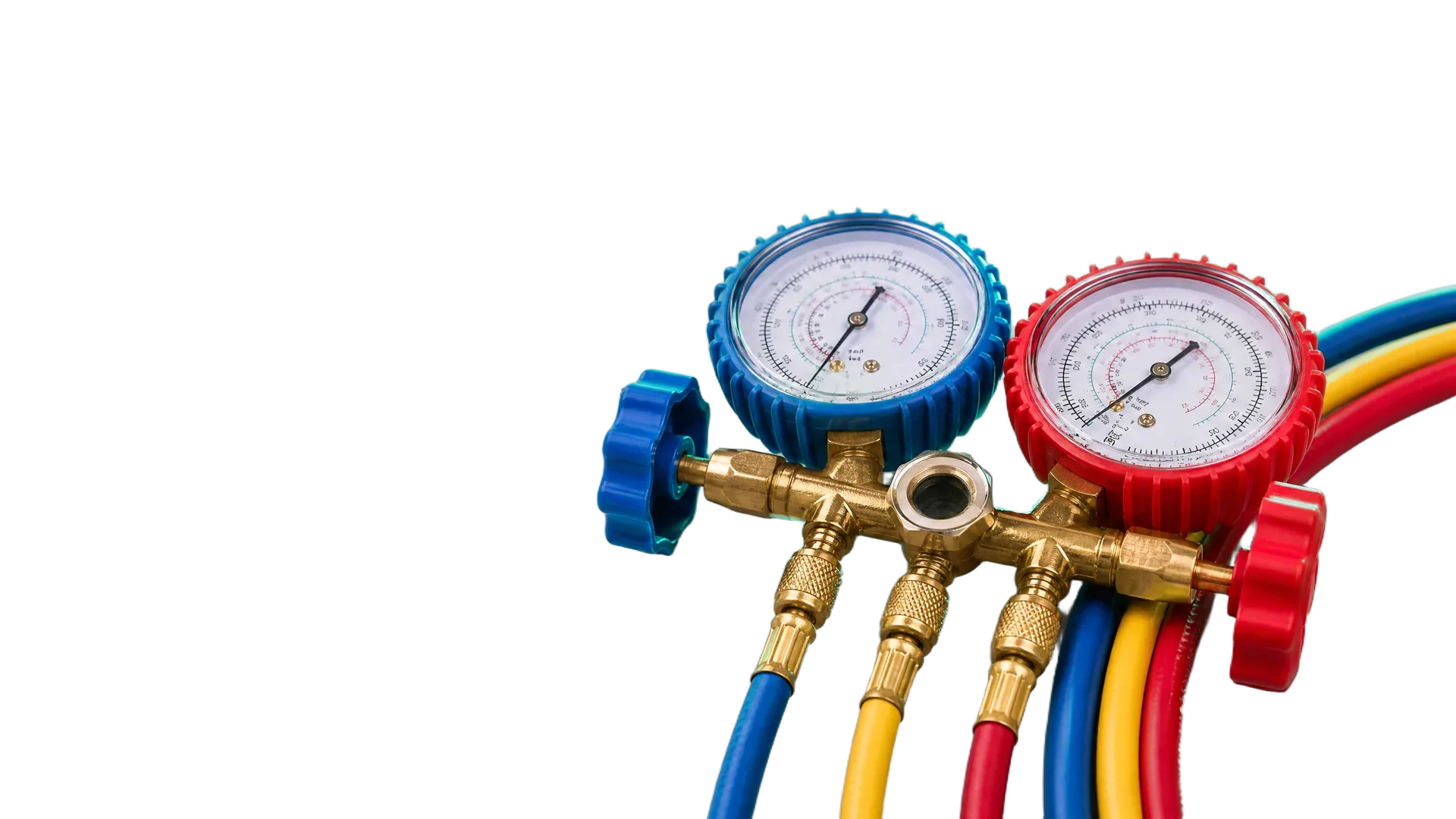
The old system doesn't get left in place. A heat pump install usually means pulling the existing furnace or condenser out, not just setting new equipment next to it. If a gas furnace is coming out and the heat pump is taking over both heating and cooling, the old ductwork gets inspected before anything new gets connected to it, since duct sizing that worked for a furnace doesn't always suit a heat pump. The refrigerant lines running to the old condenser usually get reused if they're in good shape, or replaced if they're not rated for the new unit's refrigerant. Whoever does the work has to recover the refrigerant from the old system legally rather than venting it, so factor that into the teardown. If the old equipment included a thermostat wired for a furnace and separate AC, that gets swapped too, since a heat pump thermostat controls things differently. None of this is unusual or difficult, but it's part of the job, not an afterthought once the new unit shows up.
A heat pump replacement goes easier when it's planned, not forced by a breakdown during a cold snap. Heat starts running in November here, so October is the month to get a new system in and tested before it has to work. Wait until the first cold night and you're choosing from whatever's available on short notice, installed in a hurry by whoever can get there.
The same logic holds on the cooling side. Cooling starts in June here, which makes May the month to act. A heat pump installed in May gets tested under real conditions within weeks, not months, so there's time to catch a sizing problem before the house actually needs the system to keep up.
Severe weather hits California more than most states, and an outdoor heat pump unit sits outside through all of it.
Tell us about the job
Takes about a minute. No obligation.
Fill out the form and a licensed California installer will size the system to your county and your house.