






A illuminated Spanish Colonial Revival estate with white stucco walls and red tile roofs nestled at the base of golden oak-covered hills at dusk.

Heat Pump Installation in Santa Rosa, CA

Tell us about the job

Takes about a minute. No obligation.

New system or replacementHeat PumpSonoma County, CA
Step 1 of 2

What ZIP code is the job in?

Gas heats 62.6% of homes in Sonoma County, more than any other fuel. That's usually a furnace paired with a separate AC unit, or no cooling at all in a lot of older houses here. A heat pump works differently. It heats and cools from one system, running on electricity instead of burning gas. If your home has a gas furnace now, a contractor will need to check your electrical panel and whether it can carry the new load. Some homes handle this with no changes at all. Others need a panel upgrade first.

7 months
November through May, your system heats
40°F
the average winter night it heats against
79°F
the average summer afternoon it cools against
Isometric grey-toned illustration of a cutaway house showing interior rooms, ceiling ductwork and an air handler, connected by lines to an outdoor condenser unit beside the building.

A standard heat pump, sized to your home, is built to run through wind and weather like Sonoma County sees most years.

Nothing here calls for oversizing the unit or paying up for a bigger system than your house needs.

Mild winters here mean the heat pump itself doesn't have to work hard to keep up

120 damaging wind events from 2015 to 2024
20 hail events from 2015 to 2024
Winter nights average 40°F
A system sized for your house, not biggerElectricity here runs 31.97 cents per kilowatt-hour, so the size you need is the size worth paying for.

Heat here runs November through May, about seven months straight. October is the month before that starts, and it's the better time to put in a new system. A contractor can take the time to size the heat pump to your house, check your panel, and get the install done without rushing anything. Wait until the first cold snap and you're making the same decisions under pressure, maybe with a system down and no heat while you wait. Installing in October means the heat pump is tested and running before you need it for a single night.

A new heat pump here has to clear 14.3 SEER2

Any new system here has to hit 14.3 SEER2, and a heat pump has to hit 7.5 HSPF2 too. That's what a heat pump installed in Sonoma County has to meet on efficiency, which rules out the low end of what's on the market. A federal tax credit is available on top of that for equipment that qualifies.

Find a contractor
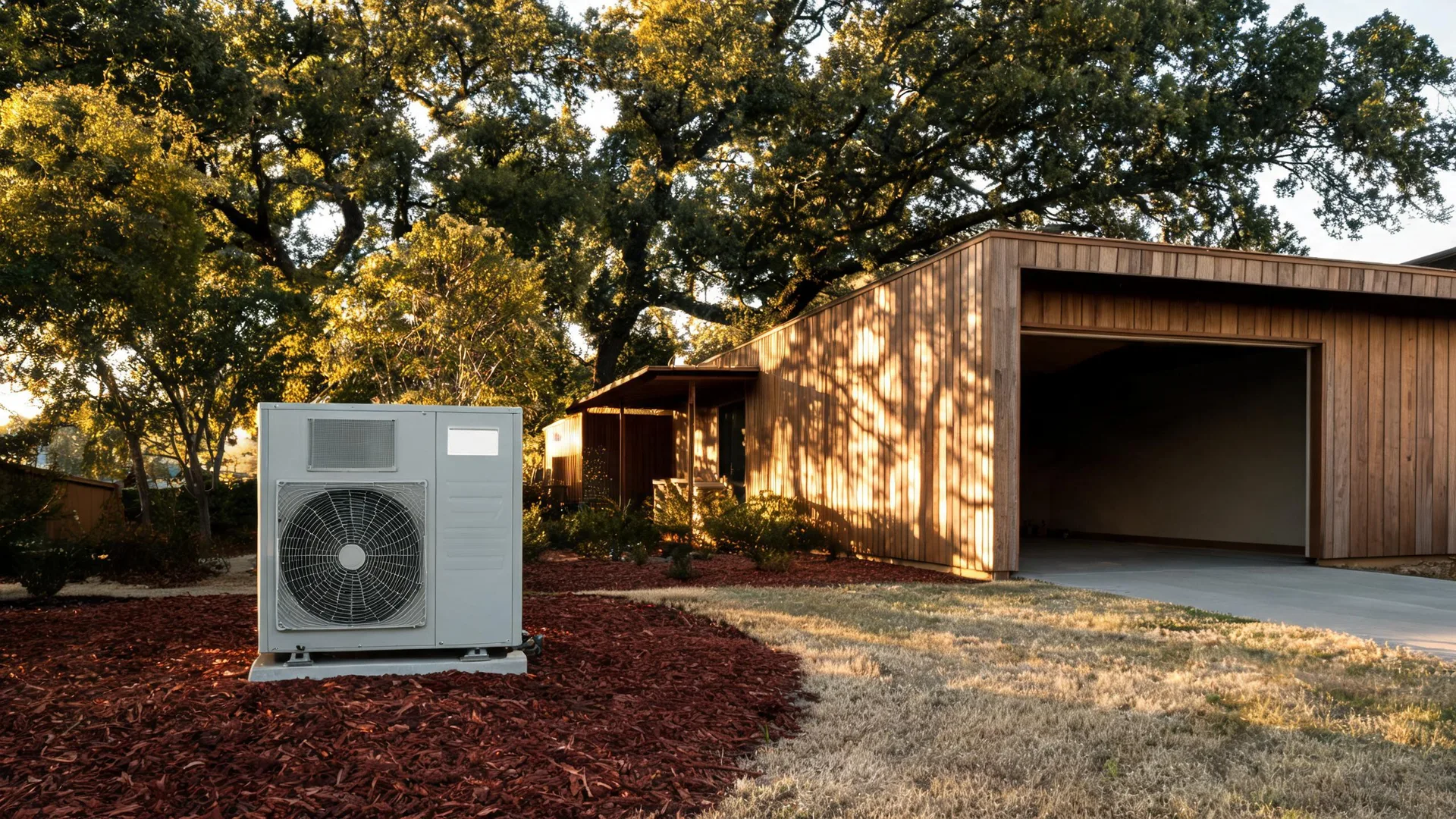
A gray heat pump outdoor unit mounted on a concrete pad next to a residential house with lap siding and stone accents.

A mild climate, so build for correct sizing, not extra capacity

Overnight lows average 40°F through December, January and February, so the heat pump isn't working against hard freezes most winters. Sonoma County sees its share of wind and hail, but a standard unit installed correctly is built to sit outside through that. Put the money toward correct sizing and a clean install instead of a bigger unit or a higher-tier model than your house calls for.

Sizing comes from a load calculation, not the old system's rating

A contractor works out heat pump size from a room by room look at your house. The windows, the insulation, the square footage, how the walls are built, all of it factors in. Whatever furnace or AC is in there now doesn't. A lot of older systems were sized by guesswork or rule of thumb in the first place, so matching it just carries the same mistake forward.
An oversized unit wears out faster, not slower

A heat pump that's too big for the house satisfies the thermostat fast and shuts off before it finishes a full cycle. That short cycling means it never runs long enough to pull moisture out of the air properly. The constant starting and stopping puts more wear on the compressor than a longer, steady run would. Bigger isn't a safety margin here. It's the thing that shortens the system's life.

A few things move the price beyond the unit itself. Ductwork is the big one. If the ducts already in place are leaky, crushed, or sized for a furnace rather than a heat pump, a contractor may need to repair or resize them before the new system can move air the way it should. Line set length matters too, since the refrigerant lines running between the outdoor unit and the air handler take labor to run, insulate, and seal no matter how short the distance. Electrical work is another factor. A heat pump draws power differently than a gas furnace did, and running a new circuit or upgrading a breaker adds time and material. Where the outdoor unit goes, how much refurbishing the indoor coil or air handler needs, and whether the old equipment has to come out before the new goes in all add labor on top of the equipment cost.

Install day starts with the outdoor unit and the indoor coil or air handler going in. A contractor will pull the old equipment first if it's being replaced, which takes longer when the old unit wasn't installed with service access in mind. The line set runs between the outdoor unit and the air handler, and once it's connected the system gets charged with refrigerant to the manufacturer's spec, not just topped off by feel. Startup comes next. That means checking airflow at the vents, checking the temperature difference between the air going in and the air coming out, and making sure the thermostat is talking to the system correctly. A heat pump also needs its defrost cycle tested, since that's what keeps the outdoor coil from icing over in cold weather. A properly finished install leaves the system running and measured, not just plugged in and left to see what happens.