
Furnace Installation in California
Homes in California need heat for fewer months of the year than in 28 of the other 49 states.
Tell us about the job
Takes about a minute. No obligation.
- 40°Fwinter overnight low where people live
- 7 monthsof heat, November through May
- $18.44 per million Btuwhat homes paid for natural gas in 2024 (Btu means British thermal units, a measure of heat)
- 1,816winter storms from 2015 to 2024
Severe weather here can cut furnace power Kern County sees the most of it
- Western counties need about 59% more heat than eastern ones
- Winter nights average 40°F where people live
- Heat runs November through May
- 1,816 winter storms from 2015 to 2024
- Climate zones 2B, 3B, 3C, 4B, 4C, 5B and 6B across the state
- 17% of homes lost power a day or more in 2024
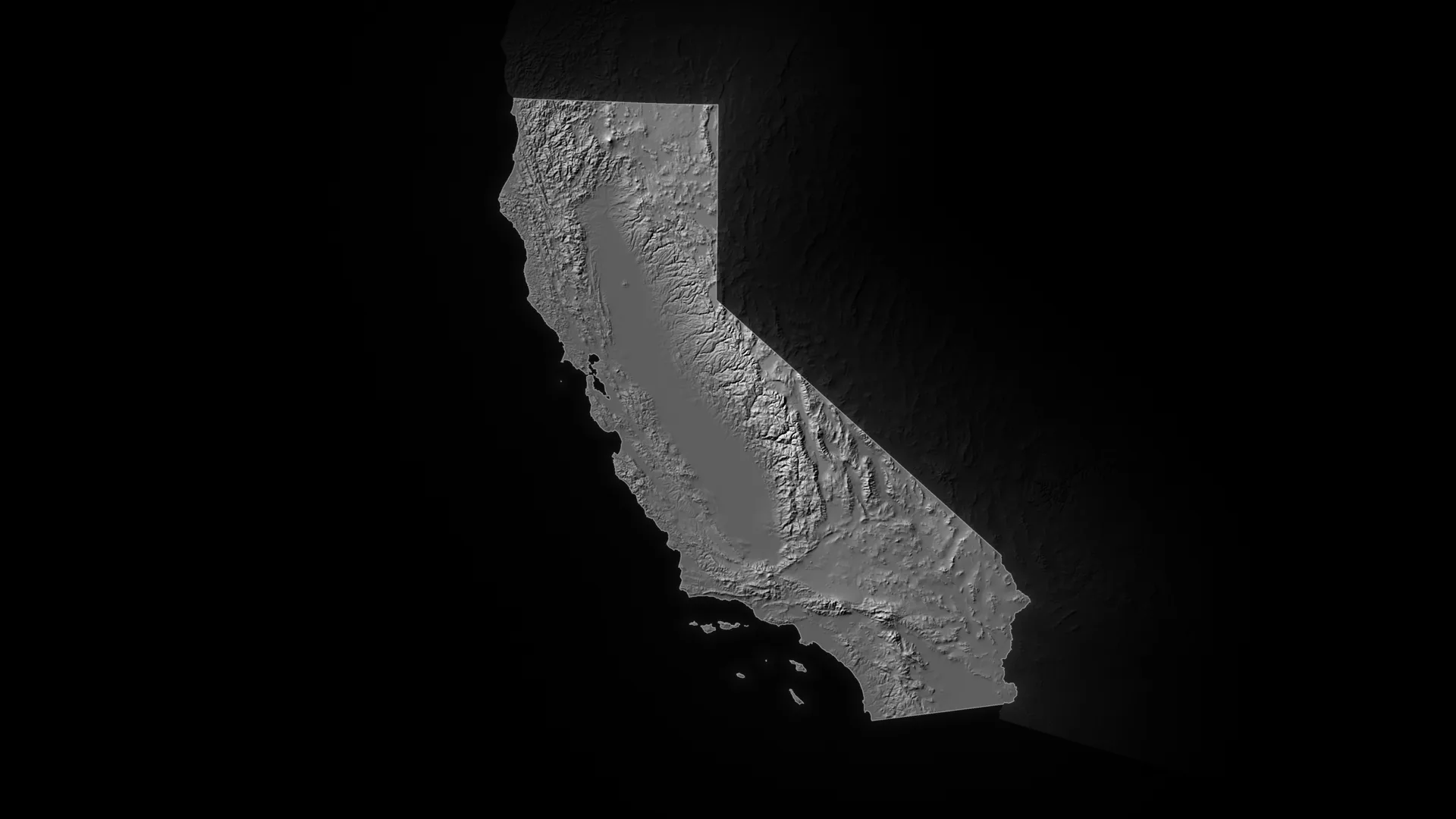

Half the homes in California were built in 1976 or earlier. If your furnace is original to the house, the ductwork it connects to was sized for a different unit, and a new furnace has to match that duct system rather than whatever comes standard at the showroom.
Single-family houses make up 64.5% of the housing stock here, most with their own furnace rather than a shared building system. That means the replacement decision is yours alone to make, down to the size and venting of the unit going in.
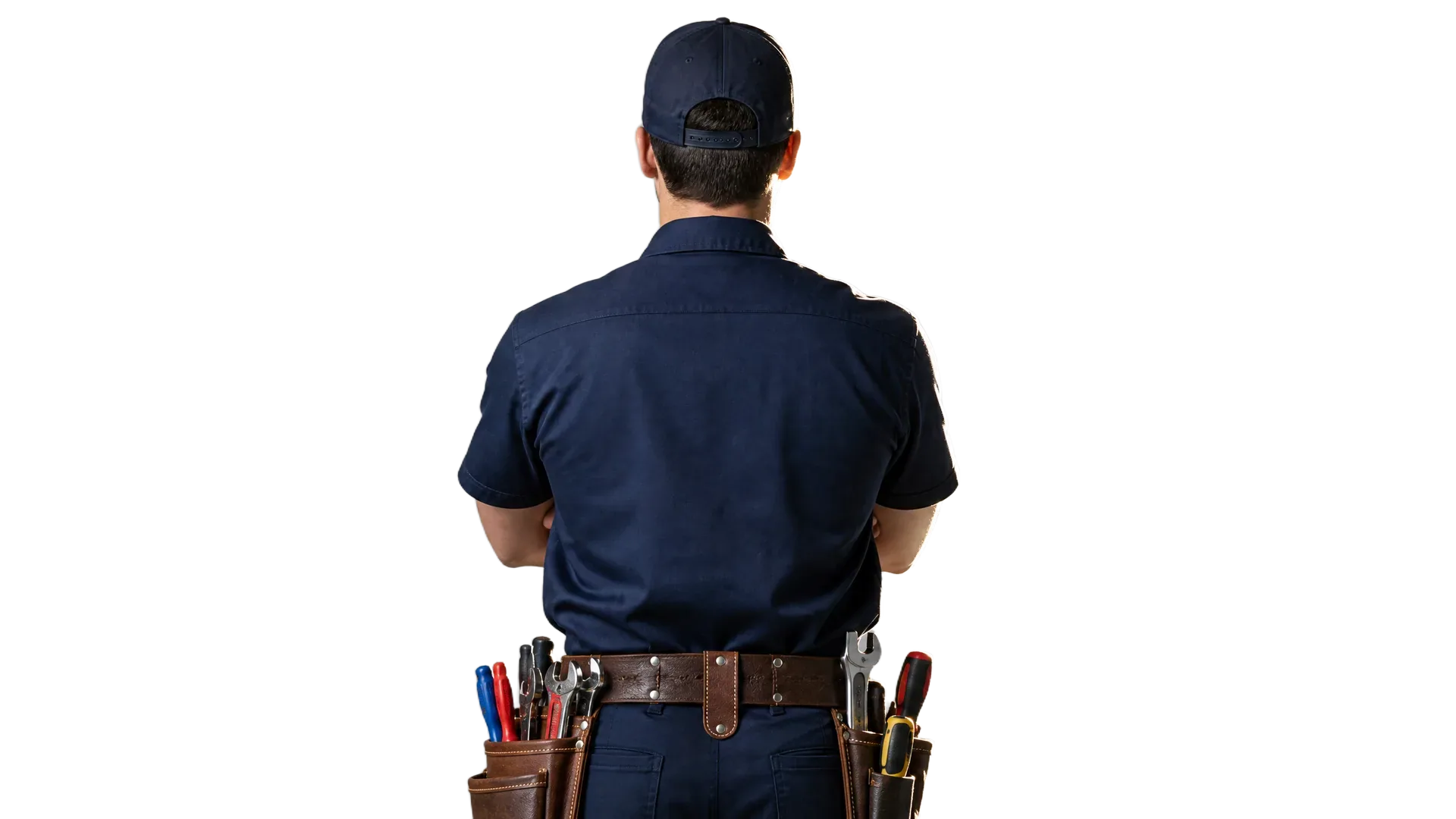
Gas heats most homes here, and that shapes what replacing yours should look like
What's already run to your house should decide what goes back in
Most houses here run on utility gas, 61.0 percent. Electricity heats most of the rest, and a small share run on propane. If your house already has a gas line and a flue, a new gas furnace uses what's already in place. That keeps the job to the unit itself rather than rerouting gas or adding new electrical capacity for something like a heat pump. It's also why parts and service for gas furnaces are easy to find here. Most contractors who work on homes in California work on this fuel every day.
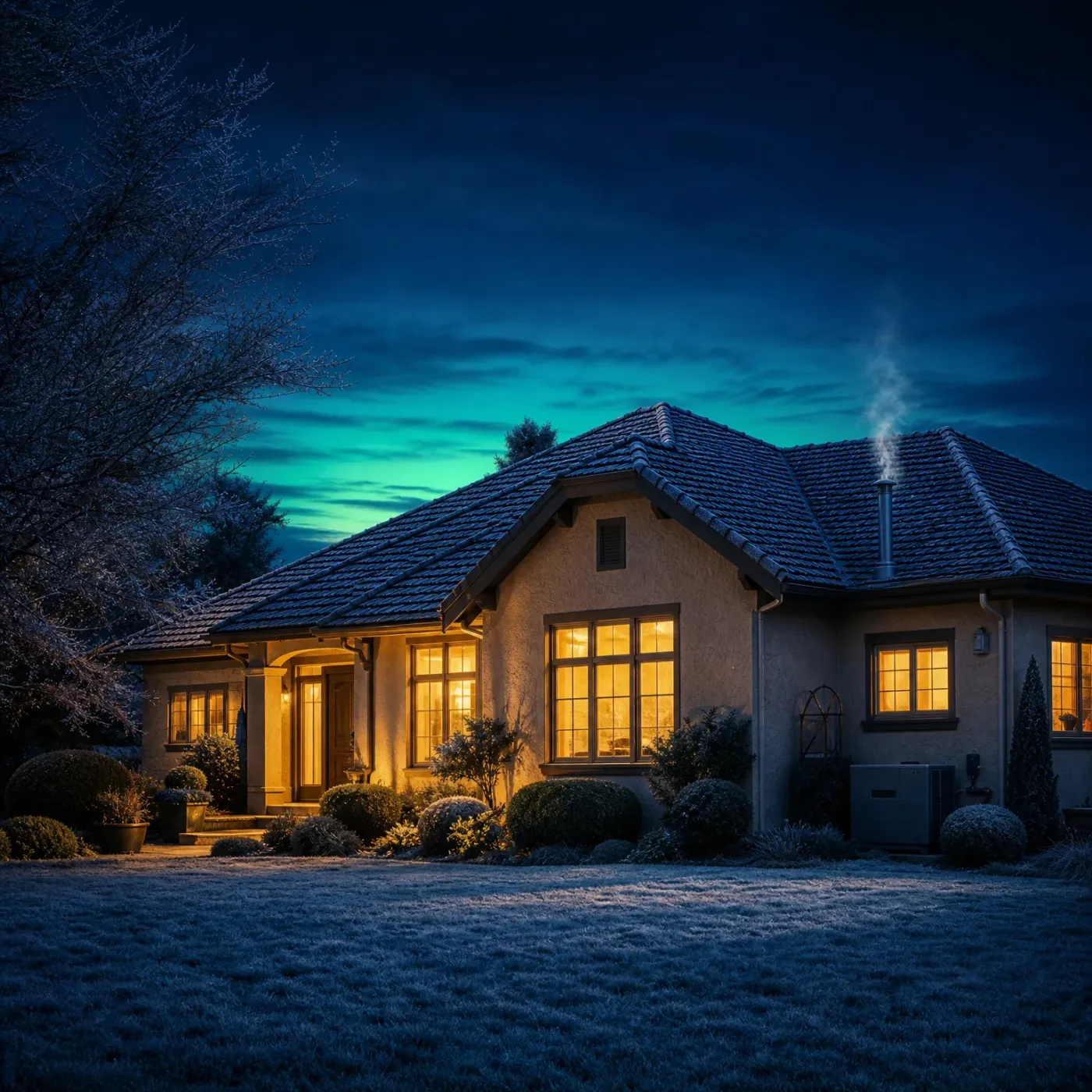
California splits hard down the middle on heat. Homes across the western counties need about 59% more heat over a year than homes across the eastern counties, and that gap should factor into how a new furnace gets sized, not just what the state average looks like.
The widest difference in the state sits between Alpine County and Imperial County. Alpine needs about 8 times as much heat over a year as Imperial, which has the lowest heating need in California. A furnace sized right for one would be the wrong call entirely in the other.
How long that furnace runs each year changes by region too. Western counties need heat about 6 months a year against 5 across the eastern counties. Lassen County runs longest in the state, and Imperial County shortest.
Winter nights follow the same pattern. Mono County averages 18°F across December, January and February, while Orange County averages 47°F. Statewide the overnight low across those months is 40°F, which hides a lot depending on where in California you are.
Set against the rest of the country, California runs mild. Homes here need heat for fewer months than in 28 of the other 49 states, and winter nights are milder than in 45 of them. That context doesn't change what a furnace has to handle in Alpine or Lassen County specifically.
Winter storms, including heavy snow, ice and blizzards, hit California 1,816 times between 2015 and 2024. Wherever your home sits in the state, that history is part of what a new furnace has to be ready for.
What does a furnace in California face?
How cold do winter nights get?
40°Faverage overnight low where people live
North Dakota4°F
Hawaii65°F
How many months does the heat run?
7 monthsof heating a year
Hawaii0 months
Alaska12 months
What does natural gas cost?
$18.44per million Btu, what homes paid in 2024
Montana$7.77
Hawaii$53.25
How often do storms hit?
239severe weather events per county from 2015 to 2024
Alaska5
Wyoming1,057
How many homes lost power for a day or more?
17%of homes in 2024
Arizona7%
Maine54%
Get it in before November, not after
Furnaces here start running in November. October is the last clear month to replace one before it has to work. Do it then and the contractor has room to size the unit to your ductwork and schedule the install for a day that works for you, not for whoever's furnace failed first that week. Wait until a cold snap takes out an old unit and you're choosing from what's in stock, on whatever day someone can get to it. California only needs heat for about seven months a year, but when storms knock out power during those months, a furnace that was installed carefully, not urgently, is the one that starts back up without issue.
What to ask before you pick one
The label on the furnace doesn't tell you if it fits your house. What matters is the heat load calculation, a room by room look at windows, insulation and layout that tells a contractor what size unit the place actually needs. Ask what size they're recommending and why, not just what brand they're selling. Ask about venting too. A furnace that vents through a sidewall needs different piping than one that vents through the roof, and switching types partway through a job adds work you want to know about before it starts. Ask whether the new furnace matches your existing ductwork or whether the ducts need changes to move the right amount of air. A furnace too big for its ducts will short cycle, turning on and off more than it should, and that wears parts out faster than steady running does. Ask about the warranty on the heat exchanger specifically. That's the part that's costly to replace and dangerous to run once it's cracked. And ask what the unit needs going forward. A furnace that gets its filter changed and its burners checked on schedule will outlast one that doesn't, no matter how good the installation was.
Gas costs more here, so efficiency pays back slower
Natural gas here cost $18.44 per million Btu in 2024. That's on the high side, so a new furnace's efficiency rating is worth less to your wallet here than it would be somewhere with cheaper gas. The payback on the most efficient model stretches out longer. That doesn't make efficiency worthless, it just means fit and reliability should carry more weight in the decision than the fuel savings on the sticker.
Heat here runs light duty, so the right fit matters more than the highest efficiency number.
Tell us about the job
Takes about a minute. No obligation.
Answer a few questions about your house and hear back from contractors who install furnaces in California.