



A row of stucco townhouses with clay tile roofs behind trimmed hedges and shrubs, with a long textured concrete wall in the left foreground and large tree branches overhead against an overcast sky.

Furnace Installation in San Diego, CA

Tell us about the job

Takes about a minute. No obligation.

New system or replacementFurnace or heatingSan Diego County, CA
Step 1 of 2

What ZIP code is the job in?

San Diego falls under zone 3B, a mild winter climate with a long stretch of warm months. Any gas furnace installed here now has to meet 80 percent AFUE, the federal minimum for new units. That floor jumps to 95 percent AFUE for furnaces built starting December 2028. Until then, you can still choose a furnace at the current minimum or pay more upfront for one that burns less gas. A contractor can lay out what each option costs to run in a house that only needs heat for part of the year.

6 months
November through April, your furnace is on duty
41°F
the average winter night it heats against
54%
of homes here heat with gas, so most furnaces here burn gas
80% AFUE
the federal minimum any new unit must meet
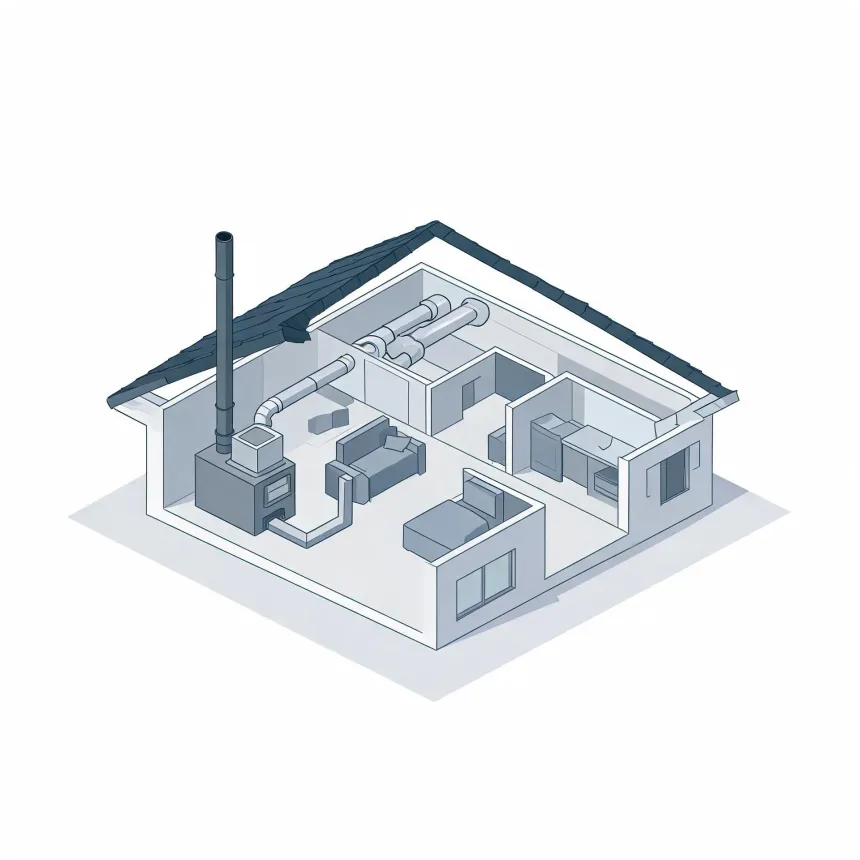
Isometric line illustration of a cutaway single-story house showing interior rooms with furniture, a furnace unit with a tall flue pipe, and connected ductwork running under the pitched roof.
Your furnace works hardest from November through March.

NOAA nClimDiv, 1991–2020 normals

Gas here runs $18.44 per million Btu, more than most states pay.

A high-efficiency furnace still takes longer to pay back when winters are this short.

October is the month to put in a new furnace, not November

Heat runs November through April
Winter nights average 41°F
31 winter storms from 2015 to 2024

Your furnace only has six months of work ahead of it, November through April. Overnight lows average 41°F through December, January and February, nothing close to what furnaces in colder states deal with. That's a mild load, and it means the furnace itself doesn't need to be the most powerful or most advanced one on the lot. What matters more here is whether it starts reliably when a storm knocks the power out, something that's hit the county more than thirty times in the last decade. A straightforward, well-built furnace that a contractor can service easily will serve this house better than one bought for capacity it will rarely use.

Most homes here run on gas, so a gas furnace is the straightforward swap

More than half the homes in San Diego County heat with gas, and yours likely does too. A gas furnace replacement means swapping into a setup already in the house, the gas line, the venting, the layout a contractor already knows.

Find a contractor
A person in a dark long-sleeved shirt and tan pants, seen from behind, carries a worn canvas tool bag up stone steps toward a blue front door with a shrub in a blue planter beside it.
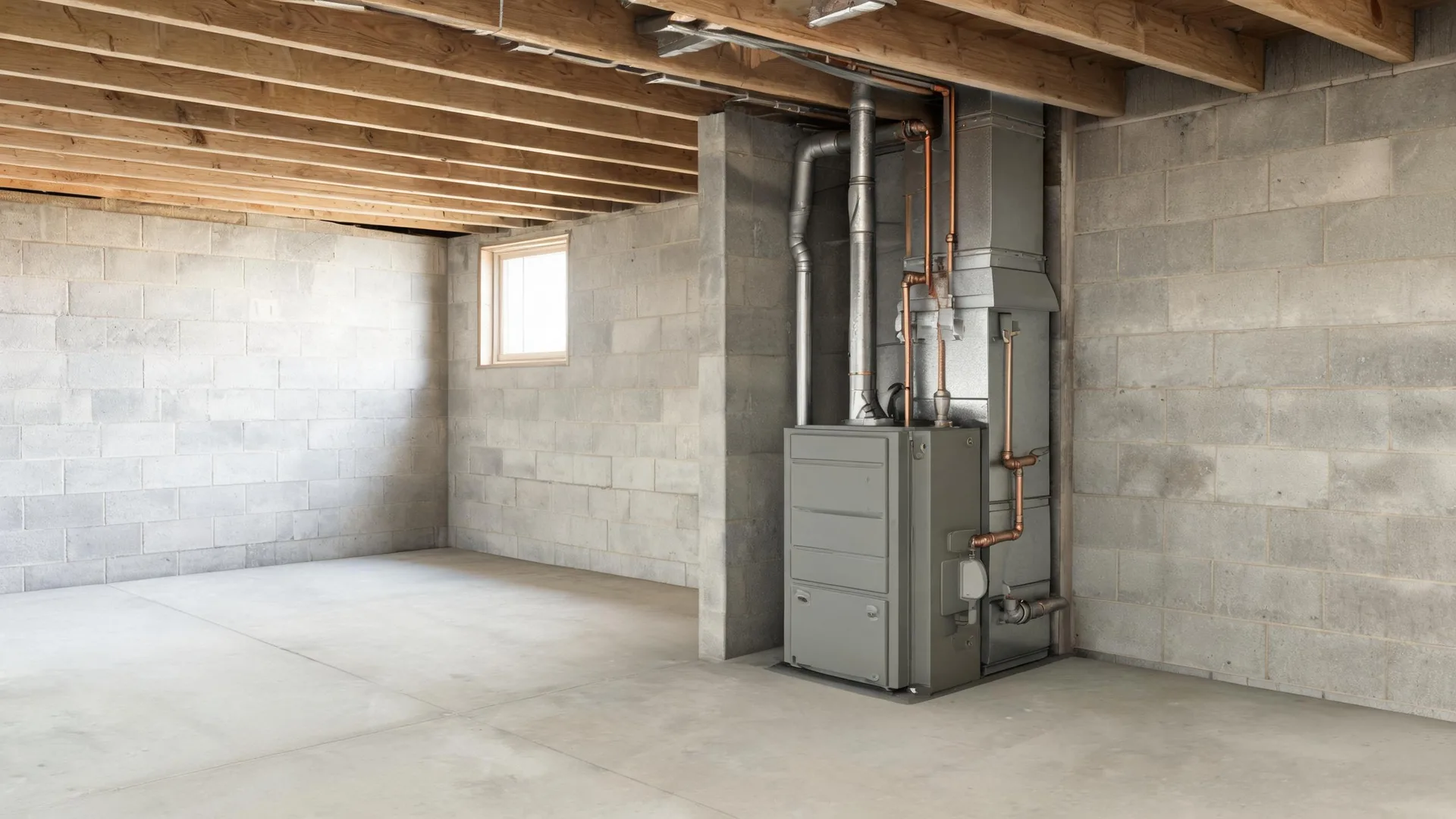
A gray residential gas furnace installed in an unfinished basement, surrounded by ductwork, a metal flue pipe, and a gas supply line.

Size it for a mild winter, not a hard one

Ask the contractor to size this for the load it actually sees, not the coldest day they can imagine. A furnace here cycles on and off through a mild winter, not grinding away against deep cold, so a mid-range model from a brand with a good parts supply will hold up fine. Put the money saved there toward the thing that matters more in this county, a unit that starts up clean every time after the power drops and comes back.

The size comes from a room by room heat loss calculation

A contractor measures the walls, windows and ceilings in the house and works out how fast each room loses heat, then adds it up to a number the furnace has to match. Square footage alone doesn't tell you that. A house with more windows or thinner insulation loses heat faster than one the same size without them, so homes that look alike on paper can need different furnaces.

A furnace too big for the house cycles on and off fast

An oversized furnace heats the house quickly, shuts off, then has to fire again soon after because the air cooled back down before the rooms evened out. That short cycling wears on the igniter and the blower motor faster than steady runtime would, and it tends to leave rooms farther from the furnace colder than the ones nearby.

An unfinished concrete basement containing a metal HVAC air handler, exposed wooden ceiling joists with sheet-metal ducts, a hanging bare bulb, copper pipes, and stacked cardboard boxes.

A high-efficiency gas furnace would save about $40 a year to run in San Diego County compared with a gas furnace.

  • A high-efficiency gas furnace$220 a year
  • A gas furnace$260 a year

Estimates for a typical San Diego County home, from EIA household energy data, California fuel prices and NOAA climate normals. Your home will differ.

The old furnace comes out first, and that part goes fast. What takes the time is everything around it. The contractor checks the vent pipe and gas line against what the new furnace calls for, since those connections aren't always a straight swap even when the new unit sits in the same spot. The ductwork gets looked at too, because a furnace can only heat the house to its rating if the air can actually move through it. Once the new unit is set, connected and sealed, it gets fired up and run through its paces. That means checking the flame, the airflow, and the temperature rise across the heat exchanger. A furnace running too hot or too cool against its own spec usually points to a duct or blower problem, not a bad furnace. A contractor shouldn't call the job finished until those numbers land where they belong.