
Heat pump vs furnace in San Diego County, California

Request a Quote

Pros who install both

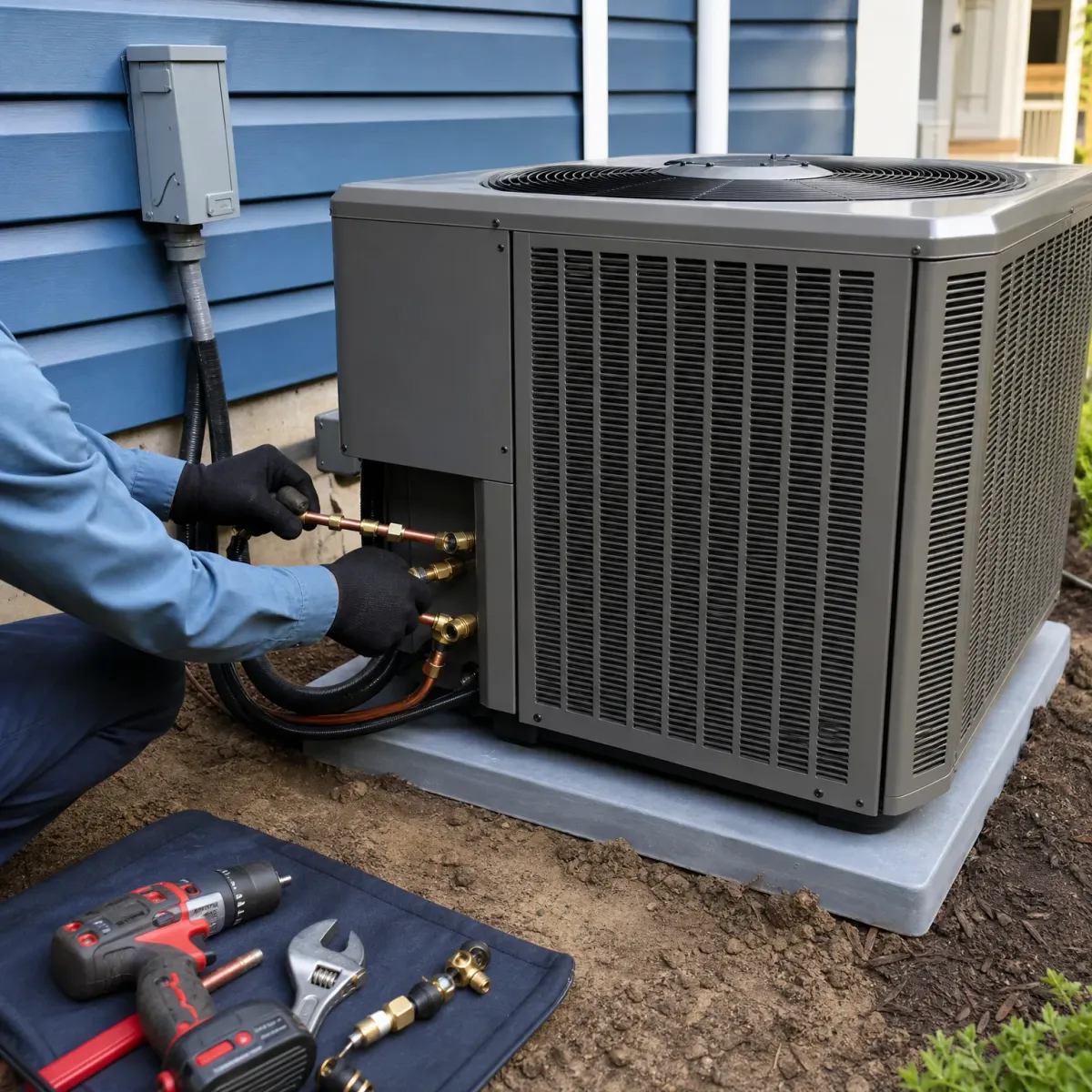
A person in a blue shirt and black gloves kneels beside an outdoor air conditioning condenser unit on a concrete pad next to blue lap siding, working on copper refrigerant lines, with a wrench, drill and brass fittings on a cloth in the foreground.

Tell us about the job

Takes about a minute. No obligation.

New system or replacementSan Diego County, CA
Step 1 of 3

What kind of equipment?

Which costs less to run in San Diego County?

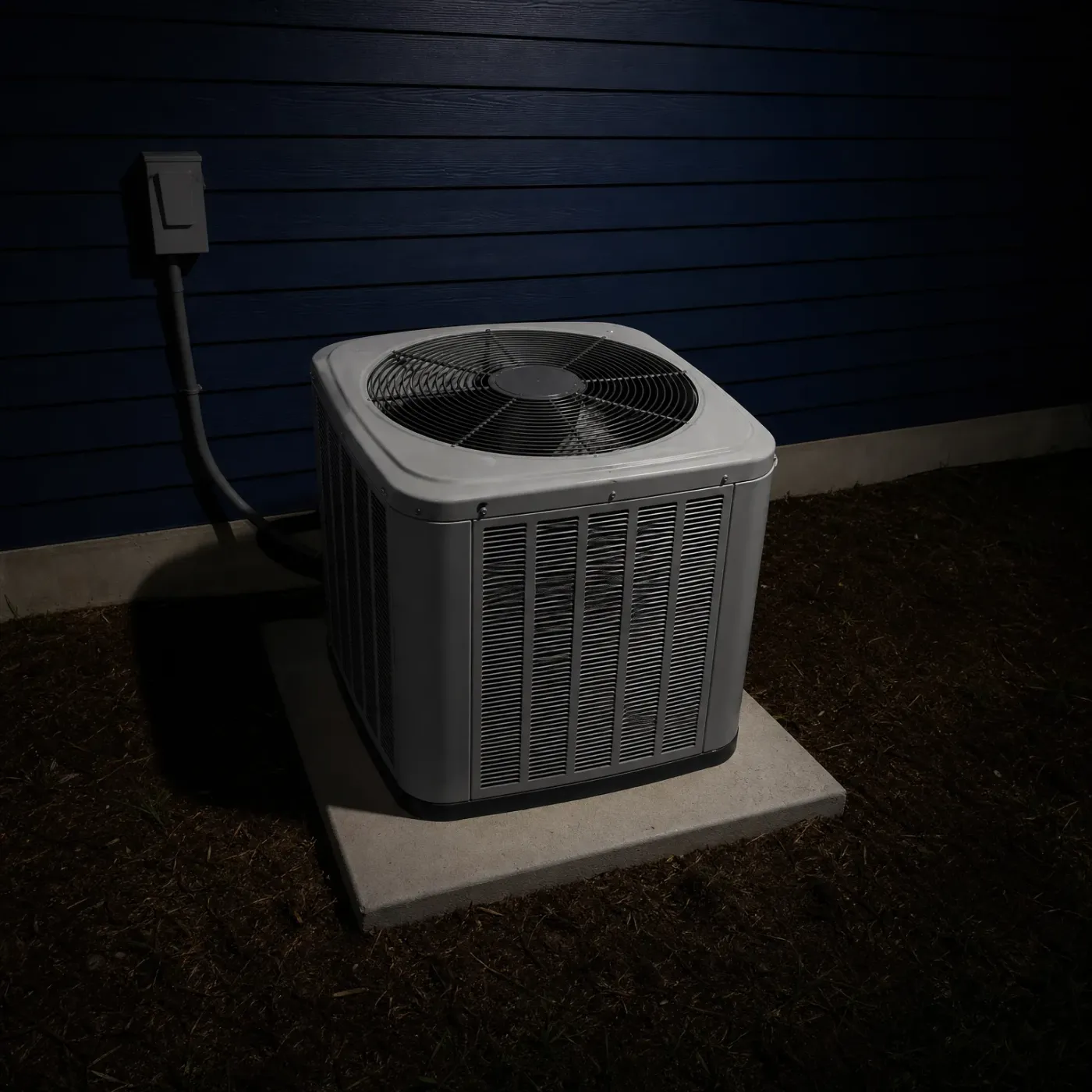
An outdoor air conditioner condenser unit on a concrete pad beside a dark blue horizontal-lap sided wall, with a disconnect box and conduit on the wall, surrounded by bare soil at night.

Heat pump

To heat your home here$4.26per 100,000 Btu

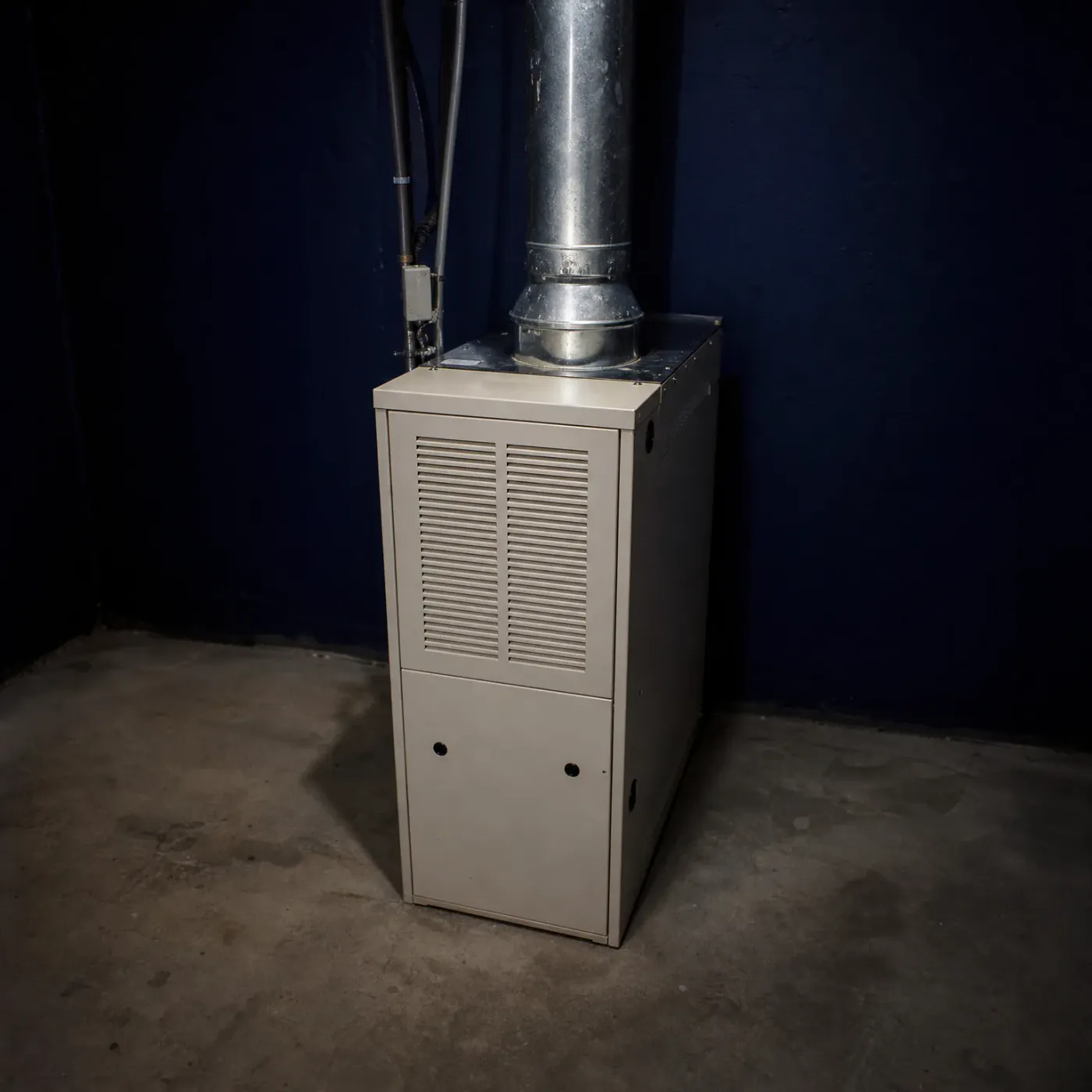
A beige residential furnace with a louvered front panel stands on a concrete floor in a basement corner with dark blue walls, connected to a galvanized metal flue pipe rising to the ceiling.

Furnace

To heat your home here$2.31per 100,000 Btu

At California's gas and electricity prices, a gas furnace makes the same heat as a heat pump for at least 45% less.

Btu stands for British thermal unit, the standard measure of heat energy.

Where does a heat pump shine?

  • Made for mild winters

    Winter nights here average 41°F, and a heat pump doesn't struggle until temperatures drop well below that. It can handle your heating all winter without losing efficiency.

    Covered front porch of a light blue clapboard house with a dark navy door bearing an evergreen wreath, a wooden plank chair with a draped blue blanket, a mug on a side table, leather boots by the door, a potted shrub in a metal bucket, and wooden steps leading to frost-tinged grass and bare trees.
  • No gas line, nothing burning in the house

    There's no gas line to the unit and no flame anywhere in it. Carbon monoxide isn't part of the picture.

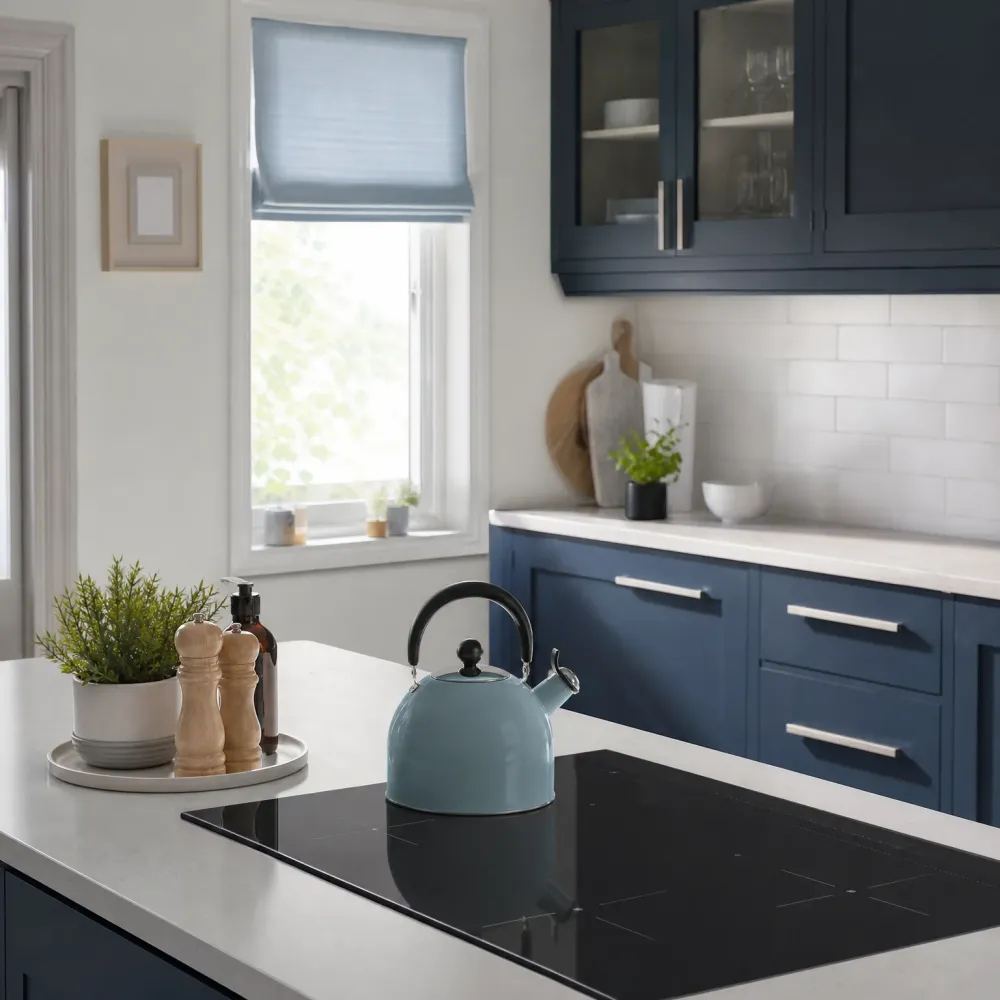
    A kitchen with navy blue cabinets, white subway tile backsplash and a light countertop island holding a pale blue stovetop kettle on a black induction cooktop, with a potted plant, salt and pepper mills on a tray, and a window with a blue shade in the background.
  • Heats and cools in one system

    One machine handles the heat in winter and the cooling in summer. There's no second system to buy or keep up.

    A living room with a cream sofa with blue cushions and a grey throw, a wooden coffee table holding a bowl of green apples and a jug of flowers, a jute rug, navy built-in bookshelves, a stone fireplace with a wood stove, and a white sash window looking onto a garden.

Where does a furnace shine?

  • Runs on the gas most homes here already use

    Most homes in San Diego County already heat with gas, over half of them. If gas is already run to your house, a furnace just uses the line that's there.

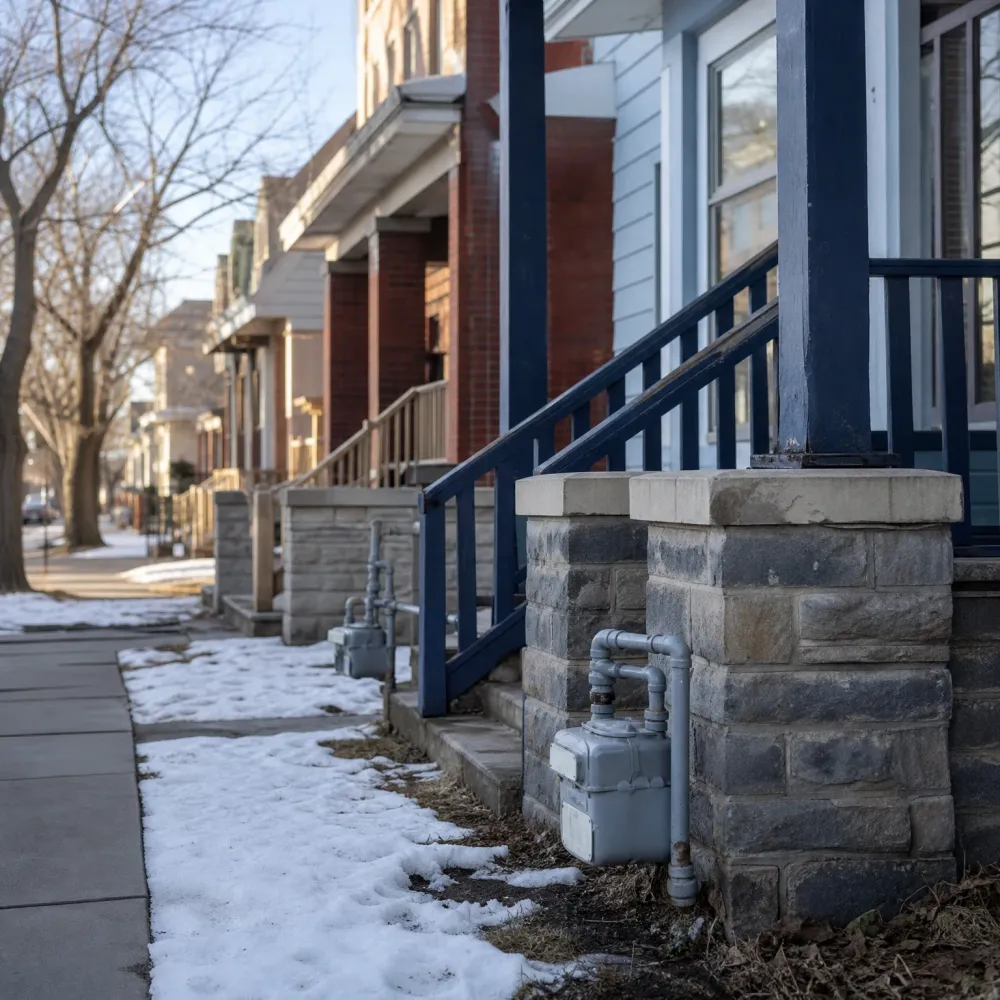
    A row of porch-fronted houses along a sidewalk with patchy snow, showing stone porch piers, blue painted railings and columns, and gray gas meters with pipes mounted at the base of the stonework.
  • Fast, strong heat on demand

    Turn the heat up and the furnace answers right away. There's no long wait for the house to catch up.

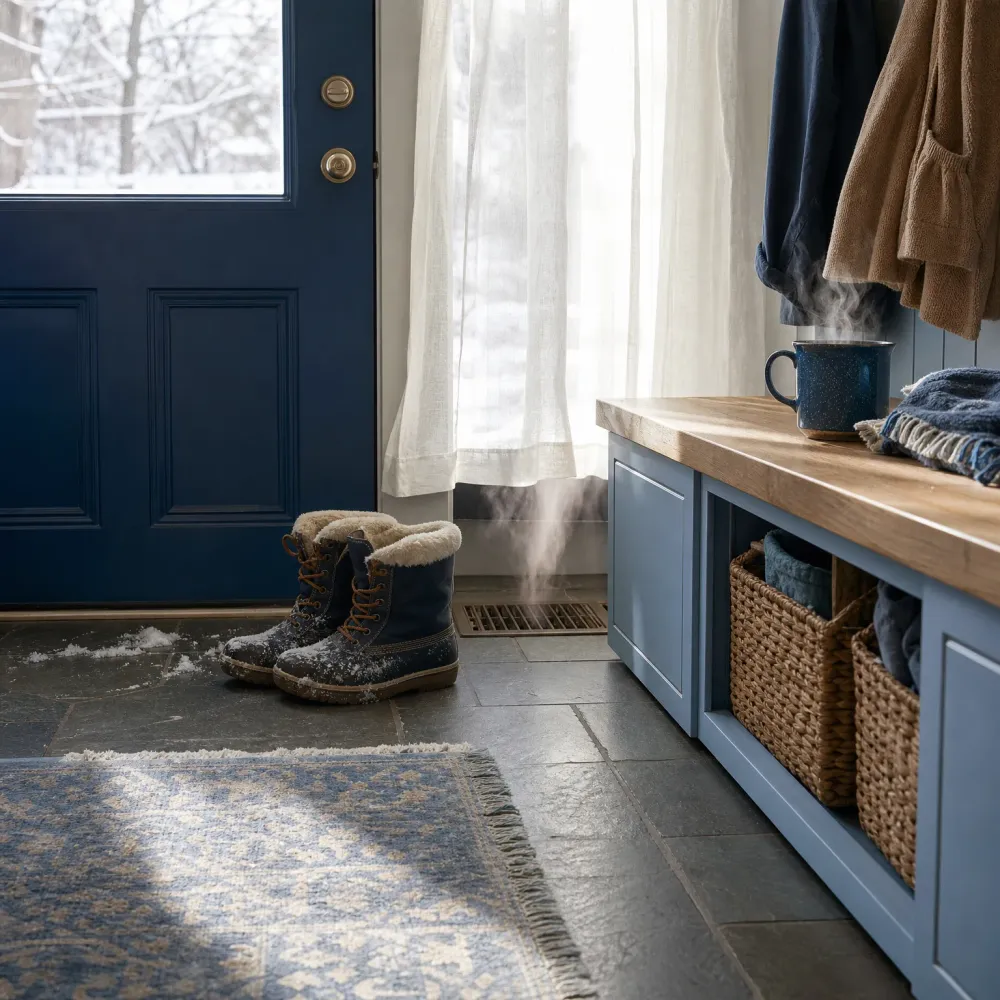
    A mudroom with a navy door with a window showing snow outside, snow-dusted fur-lined boots on a stone tile floor, a patterned rug, and a light blue bench with wood top holding a steaming mug and woven storage baskets, with coats hanging above.
  • Pairs with any central AC

    A furnace's blower and ducts carry cooled air too. Adding central AC uses the same system.

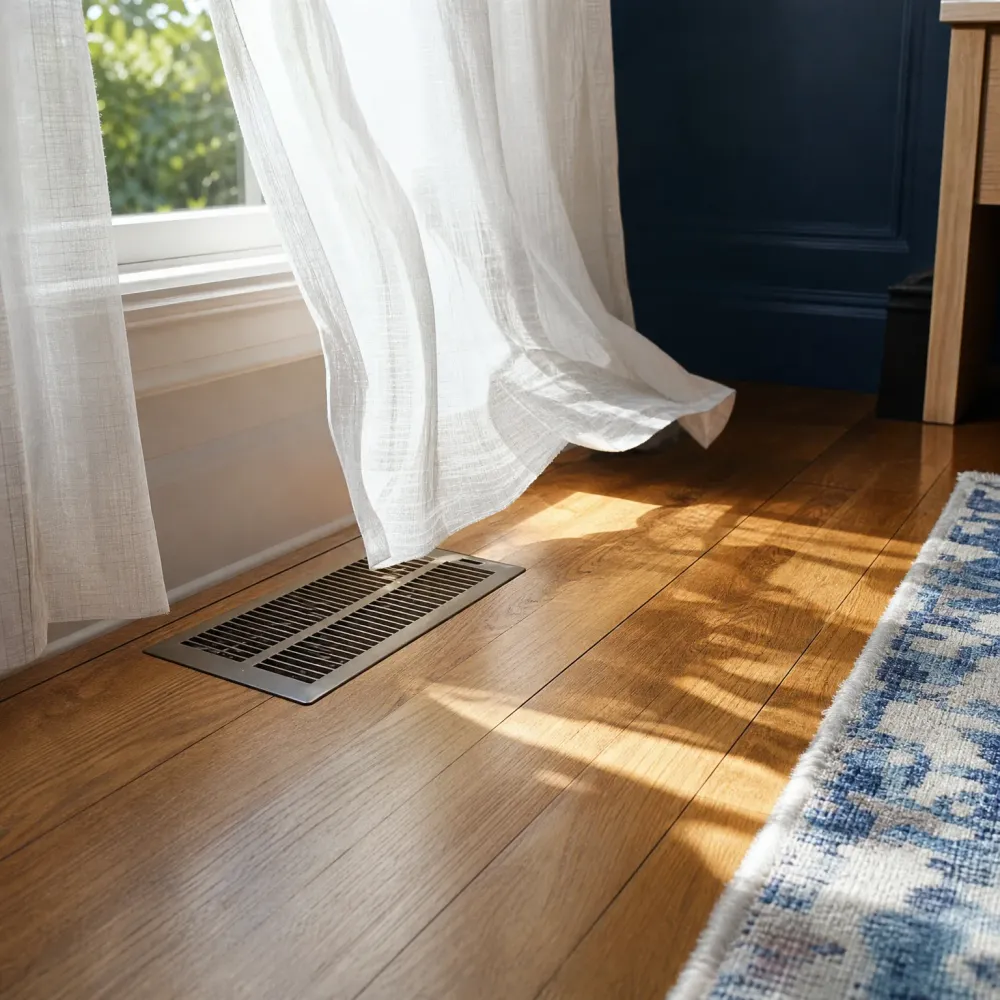
    A metal floor vent set into hardwood flooring beside a window with sheer white curtains, with sunlight and leaf shadows on the floor and a blue-and-cream patterned rug at right.

What winter actually asks of your system here

Your winter is mild. Overnight lows average 41 degrees across December, January and February, and the temperature only drops to freezing or below on less than one night a year. A heat pump struggles when it gets cold enough to frost the outdoor coil and force a defrost cycle, then lean on backup heat. That almost never happens here. For nearly every night of your heating season, a heat pump is just moving heat, which is what it does best.

The gas furnace wins on raw running cost. At California's prices, it makes the same heat for $2.31 per 100,000 Btu against $4.26 for a heat pump, so it costs less to run most places you'd compare them head to head. But that gap is built on a heat pump at the federal minimum rating, nothing more efficient, and it adds nothing for backup heat because here it almost never needs any. A furnace burns gas every night it runs, cold night or mild one. A heat pump's real cost tracks how mild your nights actually are, and yours are mild almost all the time.

Heating is also the season you live with longer here. Your system runs heat about six months, November through April, against four months of cooling. Whatever you pick is doing more total work keeping you warm than keeping you cool, so it is worth weighing the winter case carefully before you look at summer at all.
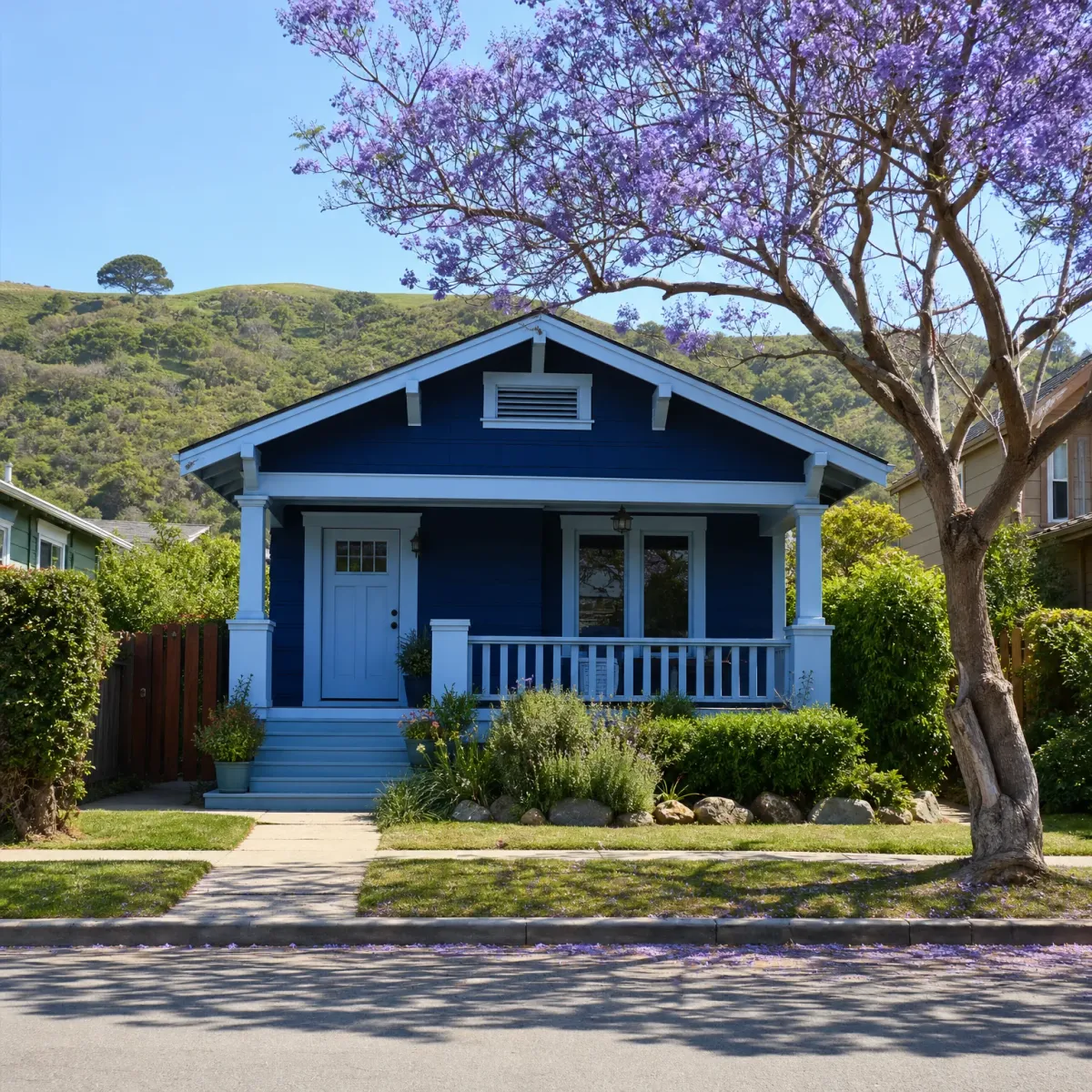
A dark blue single-story bungalow with white trim, a covered front porch with balustrade and gable vent, flanked by shrubs and a flowering purple tree, with green hills in the background.

What this means for the rest of the year, and for your house

A furnace only heats. For the six months a year it is not running, it sits there, and you still need a separate air conditioner to get through June through September. A heat pump does both jobs with one system, no second unit to install, maintain or eventually replace.

Gas already heats a little over half the homes in San Diego County, and electricity heats about one in three. If your house already has a gas line run to a furnace, replacing it with another furnace is simple. If it does not, or if you are weighing whether to add central air anyway, a heat pump replaces two decisions with one.

So the honest version of this choice is: if you want the lowest running cost and you already have gas to the house, the furnace gets you there, and you pair it with a separate AC for summer. If you would rather run one system year round, skip the gas line question entirely, and accept a somewhat higher running cost for winters this mild, the heat pump does the job your climate actually asks for.

Sources: NOAA nClimDiv · NOAA 1991–2020 seasonal normals · EIA SEDS 2024 · 10 CFR 430.32 · Census ACS 2020–2024

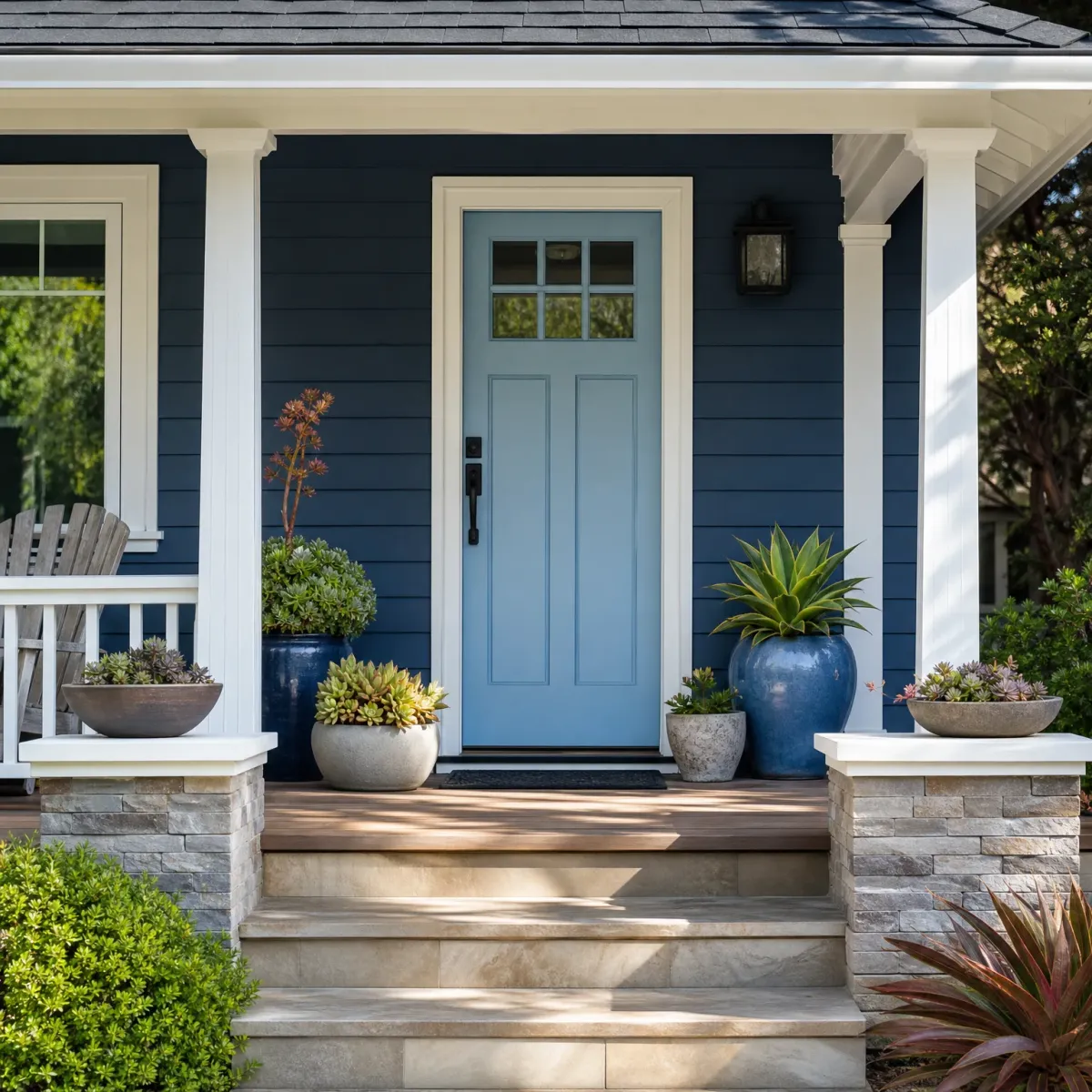
A covered front porch with navy lap siding, white columns and trim, a light blue six-pane front door, stone-faced pedestals holding succulent bowls, potted agave and succulents, and stone steps leading up to the entry.