





A gas furnace and sheet-metal air handler unit installed in an unfinished concrete basement.

Furnace Repair in San Diego, CA

Tell us about the job

Takes about a minute. No obligation.

RepairFurnace or heatingSan Diego County, CA
Step 1 of 2

What ZIP code is the job in?

Half the homes in San Diego County were built in 1980 or later. If yours is one of them, your furnace is probably not old enough to be worn out. A furnace that fails early is usually dealing with one bad part, like an igniter or a flame sensor, not a system in general decline. Replacing that part is usually enough to put it right. Worth checking when your furnace came with the house, if you know.

6 months
November through April, your furnace is on duty
41°F
the average winter night it heats against
54%
of homes here heat with gas, so most furnaces here burn gas
31 winter storms
in ten years, the nights a failure hurts most
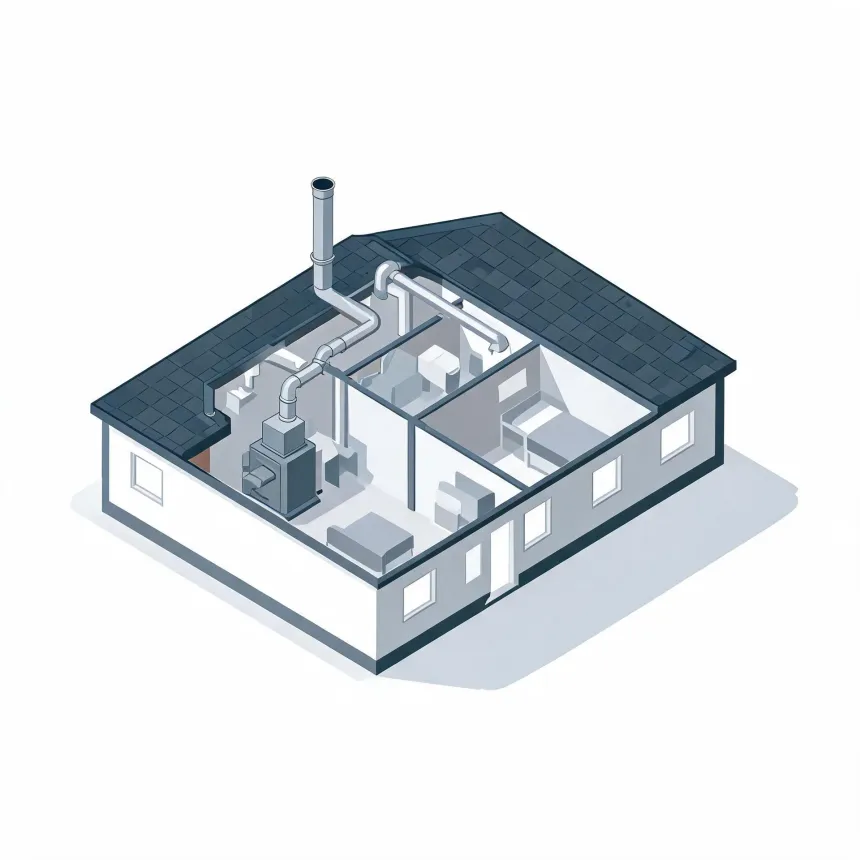
Isometric cutaway illustration of a single-story house with a dark shingled roof, showing interior rooms with furniture and a furnace connected to ductwork and a flue pipe extending above the roof.
Your furnace works hardest from November through March.

NOAA nClimDiv, 1991–2020 normals

Furnaces in San Diego County only run about six months a year, November through April.

A furnace with that light a workload is more likely dealing with one worn part than a system in decline.

October is quiet. November is when a weak part gets found out.

Heat runs November through April
Winter nights average 41°F
31 winter storms from 2015 to 2024
Storms here hit the outdoor unitSan Diego County had 370 damaging wind events between 2015 and 2024. If yours took debris, get it checked even if it still runs.

That light a workload is a reason to get a repair looked at rather than write the furnace off. Overnight lows here average 41°F through December, January and February, nothing like the cold that wears a furnace down fast in other parts of the country. When something breaks after a winter like that, it's usually one part giving out, like an igniter or a cracked heat exchanger, not the whole unit failing. Worth asking a contractor to check that part first before talking about anything bigger.

A newer furnace is worth repairing

Get the part fixed and move on. A furnace that came with a newer house still has years in it, and one bad igniter or sensor doesn't change that.

Find a contractor
A man in a cap, navy T-shirt and brown work pants walks up concrete steps toward a blue front door, carrying a worn canvas tool bag with a hammer inside, beside a potted shrub in a blue planter.
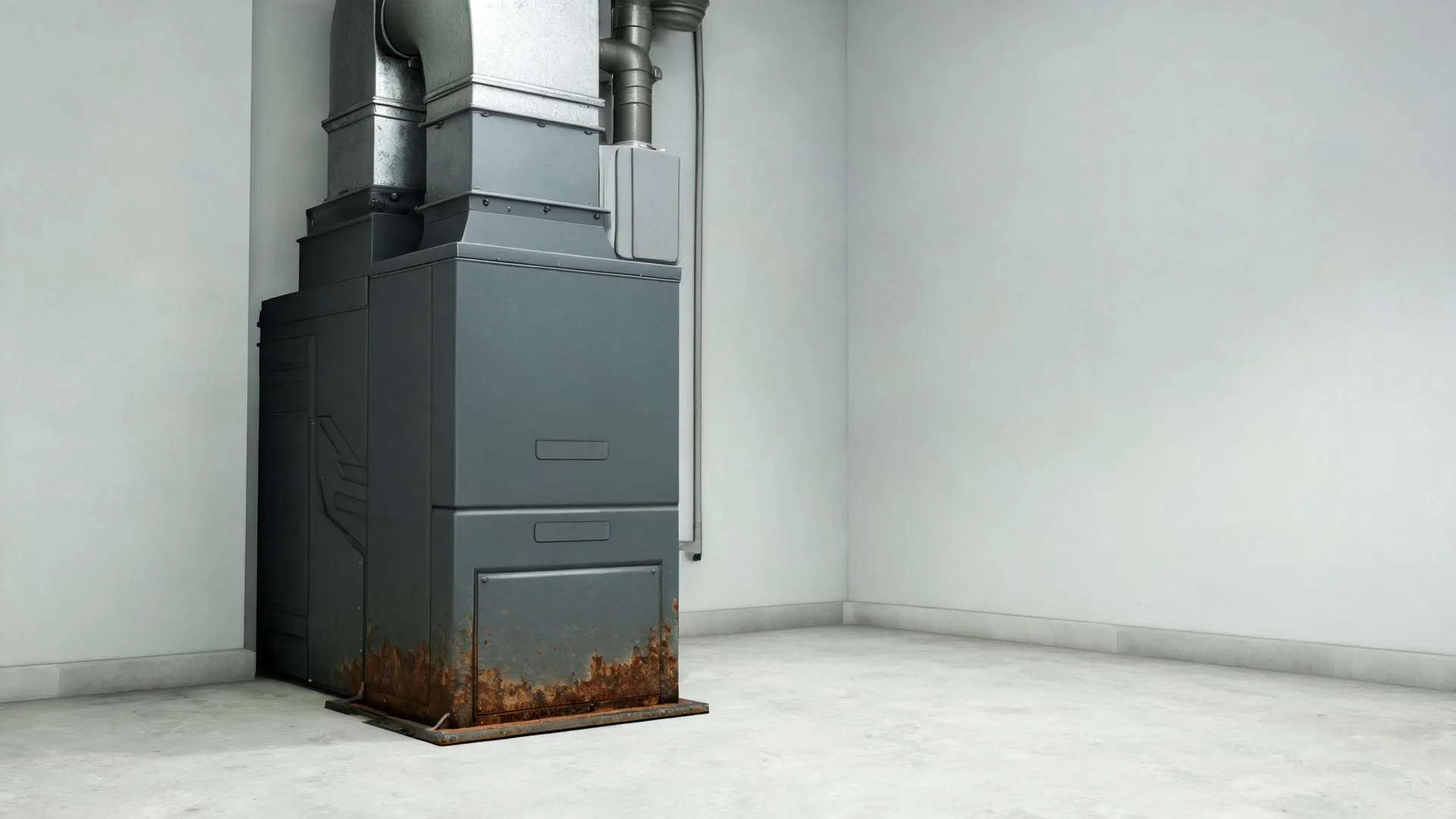
A gray high-efficiency gas furnace installed in an unfinished basement, surrounded by gas lines, a condensate drain, and sheet-metal ductwork.

The parts that fail are the ones that cycle

An igniter only has to glow hot enough to light the gas, over and over, for years, and that's usually what gives out first. It's a thin strip or coil that weakens with each cycle until one day it doesn't get hot enough to catch. The flame sensor goes the same slow way, coated a little more each season by the flame it's reading until it can't tell the furnace the flame is there, and the furnace shuts itself off to be safe. Both are small parts doing the same job thousands of times a winter, and both are built to be swapped out on their own. The heat exchanger is the one to take seriously. It cracks from years of heating and cooling, not from one hard winter, and a cracked one means the furnace gets replaced, not patched.

What you'll notice first

A bad igniter means the furnace won't light at all. The burners stay cold and the blower may still run, pushing air that never warms up. A failing flame sensor looks different. The furnace lights, then shuts off a few seconds later, and this can happen over and over through a single heating cycle. Both are repeatable. They don't come and go on their own.

What's worth watching for

A burner flame that looks yellow or orange instead of steady blue is worth mentioning to whoever comes out. It can point to a combustion problem beyond the igniter. Short-cycling, rattling at startup, or a burning smell that lingers past the first few minutes of a new season are all worth describing exactly as they happen. The more specific the symptom, the faster a contractor can tell which part is behind it.

An unfinished basement containing a metal furnace with ductwork, exposed wooden joists on the ceiling, cardboard boxes, a coiled cable, and a single hanging incandescent bulb.

A new furnace would cut about $40 a year off heating for a typical San Diego County home.

  • A new high-efficiency furnace$220 a year
  • An older furnace$260 a year

Estimates for a typical San Diego County home, compared with an older unit built to the previous federal minimum, from EIA household energy data, California fuel prices and NOAA climate normals. Your home will differ.

Repair makes sense when one part has failed and the heat exchanger is sound.

Replacement makes sense when the heat exchanger is cracked or the furnace keeps needing parts.

A diagnostic visit starts with the thermostat and works back from there. The contractor checks that the furnace is getting a call for heat, then watches it try to run through a full cycle, because most problems only show themselves at the moment of ignition or the moment of shutdown. If it won't light, the igniter gets tested first since it fails more than anything else in the cabinet. If it lights and then quits, the flame sensor gets pulled and checked, sometimes cleaned, sometimes replaced outright. Along the way the contractor checks the flame color, listens for rattling, and opens the cabinet to look at the heat exchanger, because that's the one part that changes the whole conversation if it's cracked. Most visits end with one part identified and swapped, not a list of maintenance to schedule.