







Furnace making a loud noise in San Diego, CA

Get matched with a pro who works on furnaces in San Diego County.

Get matched

A loud noise from your furnace usually points to one of a few things. A bang when it kicks on is often delayed ignition, where gas builds up for a second before it lights, instead of catching right away. A squeal or screech points to the blower motor bearings or belt. A rattle is often a loose panel or a part working itself free inside the cabinet. A grinding or scraping sound is more serious, usually the blower wheel hitting something it shouldn't. Since most furnaces here run on gas, any of these can also mean a part isn't burning fuel the way it should, which is a safety question as much as a comfort one. You don't need to know which one it is before getting it looked at, but a furnace that's banging or grinding and still running shouldn't be left alone for long, especially overnight or while you're out of the house.

A man with greying hair in a dark green sweater sits on a light sofa in a sunlit living room, looking off to the side, with a large window, table lamp, framed art and white built-in shelves behind him.
A gray-haired man in a dark navy sweater sits on a light sofa in a living room, looking toward a sunlit window with a houseplant and wooden cabinet behind him.
A gray-haired man in a dark green ribbed sweater sits on a light sofa in a living room, looking toward a sunlit curtained window with a potted plant and lamp nearby.
A middle-aged man with gray hair and a beard, wearing a dark green sweater, sits on a light sofa in a sunlit living room with large windows, a potted plant, and a dining area in the background.

Call Now or Watch and Wait

Call now

  • A booming bang on startup can mean gas is building up before it lights, and that jolt is hard on the heat exchanger over time.
  • A grinding or screeching noise usually means a blower motor bearing is failing, and it can seize the motor if it keeps running.
  • A rattle that gets louder each week often means a part has worked loose inside the cabinet, and it can damage other parts once it drops.
  • If the noise shows up alongside a burning smell or the furnace shutting off on its own, the safety controls are telling you something is wrong right now.
  • Letting a bang on ignition continue risks cracking the heat exchanger, which is a far bigger repair than the fix is today.

Watch and wait

  • A light tick or tap as the ductwork heats up and cools down is normal and doesn't call for a repair.
  • A soft hum from the blower that hasn't changed in volume or pitch is usually just the motor running as it should.
  • If the noise only happens once in a while and the furnace is heating the house evenly, it's reasonable to keep an eye on it.
  • A new furnace or one recently serviced that makes a brief noise on startup and then runs quiet is often just settling in.
  • If the noise hasn't changed and nothing else is off, mild San Diego winters mean the furnace isn't working as hard as it would somewhere colder, so there's less to cause wear.
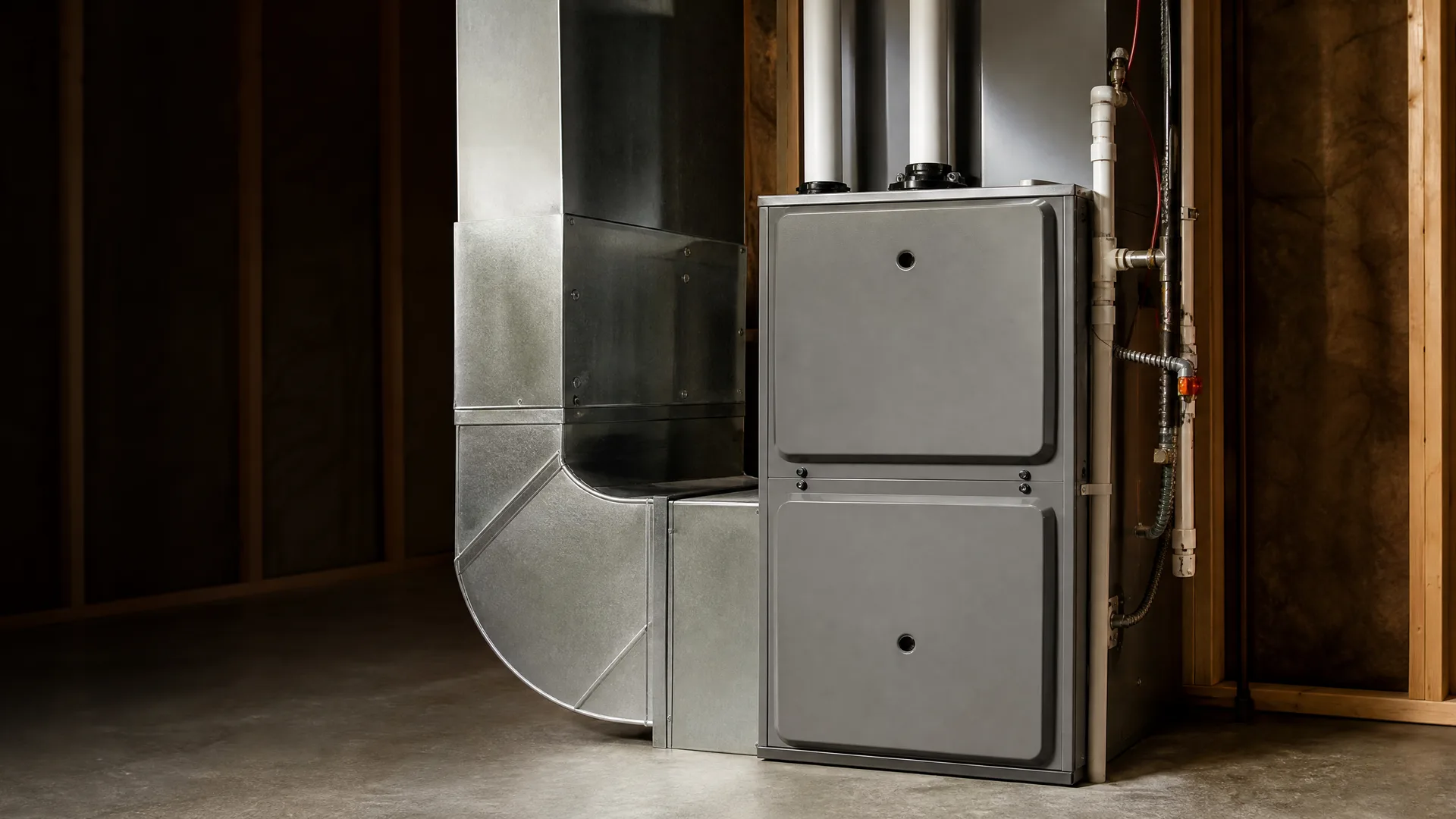
A gray high-efficiency furnace in a basement with white PVC vent pipes, sheet-metal ductwork, copper and black piping, a condensate pump, and insulated walls above a concrete floor.
A furnace that only hums quietly on startup and runs smooth through the cycle is lighting and moving air the way it should.
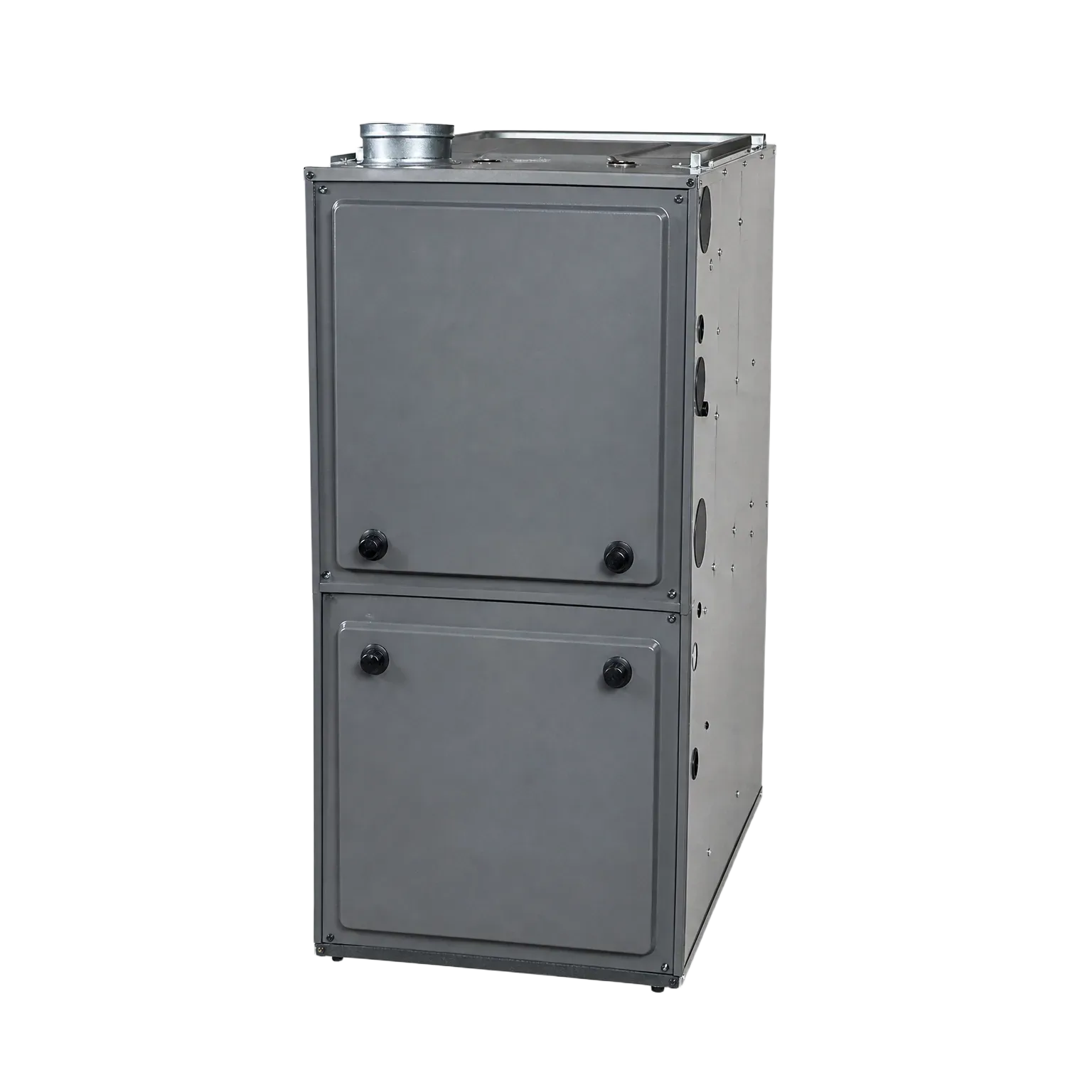
A beige residential furnace stands on a concrete basement floor beside galvanized sheet-metal ductwork, a round flue pipe, copper gas piping, and a PVC condensate line, with a wood-paneled wall at right.
A furnace with exposed iron pipe, an aging flue, and grime on the cabinet has had more time for a part to wear down and start making noise.

What is that noise your furnace is making

You probably heard it from another room first. A bang when the burners light. A metal screech that rises and falls as the blower spins up. A rattle in the ductwork that only shows up a few seconds into the cycle. Maybe there's a burnt smell with it, or the noise has gotten louder over the past few weeks instead of staying the same. In San Diego County most furnaces only run a handful of months a year, so a new noise is easy to notice and easy to put off since the weather doesn't force the issue. Left alone, a bang from delayed ignition can crack the heat exchanger, and a bad bearing can seize the blower motor outright.

  1. Burners fire and gas ignites across the burner tray

  2. Delayed gas buildup lights with a bang instead of a smooth catch

  3. Blower motor spins up and a worn bearing starts to screech

  4. Air pushes through ductwork and loosens panels start to rattle

Why does my furnace bang once and then run fine?

A furnace that bangs once when it kicks on, then settles into a normal, quiet run, worries people less than one that keeps making noise, but it still isn't nothing. You want to know if that single bang is just how furnaces start up or if it's a sign something's wearing out underneath the cabinet.

That bang is delayed ignition, and it gets worse, not better, if you leave it

The bang happens because gas is pooling in the burner tray for a second or two before it catches, instead of lighting the instant the igniter glows. When it finally ignites, it lights all at once instead of in a smooth line across the burners, and that's the thump you hear. It usually traces back to a dirty flame sensor or a burner clogged with dust, both of which delay ignition just long enough to let gas build up. The reason it's worth fixing even though the furnace runs fine after is the heat exchanger. Every bang flexes that metal a little, and over enough cycles a flexed heat exchanger is one that cracks.

A gray high-efficiency furnace stands on a concrete basement floor beside galvanized sheet-metal ductwork, white PVC vent pipes, copper and black piping, and unfinished wood stud framing.

Running quiet

A furnace that sits clean with its pipes and panels snug is one where nothing has had the chance to work loose. The burners light and the blower spins up without a sound worth noticing. No noise means no gas, ignition or airflow problem announcing itself yet.


A gray furnace with two access panels stands on a concrete basement floor beside sheet-metal ductwork, with pipes, flexible conduit and an electrical box on the concrete wall to the left.

Making noise

Gas pipes, flex conduit and drain lines are easy to check on a furnace like this one, and that matters once a noise starts. Loose panels, a cracked flue or a worn bearing all show themselves here before they strand you without heat on a cold night.

A beige gas furnace with a metal flue pipe stands in a basement against concrete block walls, beside sheet-metal ductwork, copper and white plastic pipes, and a water heater at right.
Before you get your furnace repair
A gray high-efficiency furnace with white PVC vent pipes stands beside sheet-metal ductwork and a water heater in an unfinished basement with concrete walls and wood framing.
After you get your furnace repair
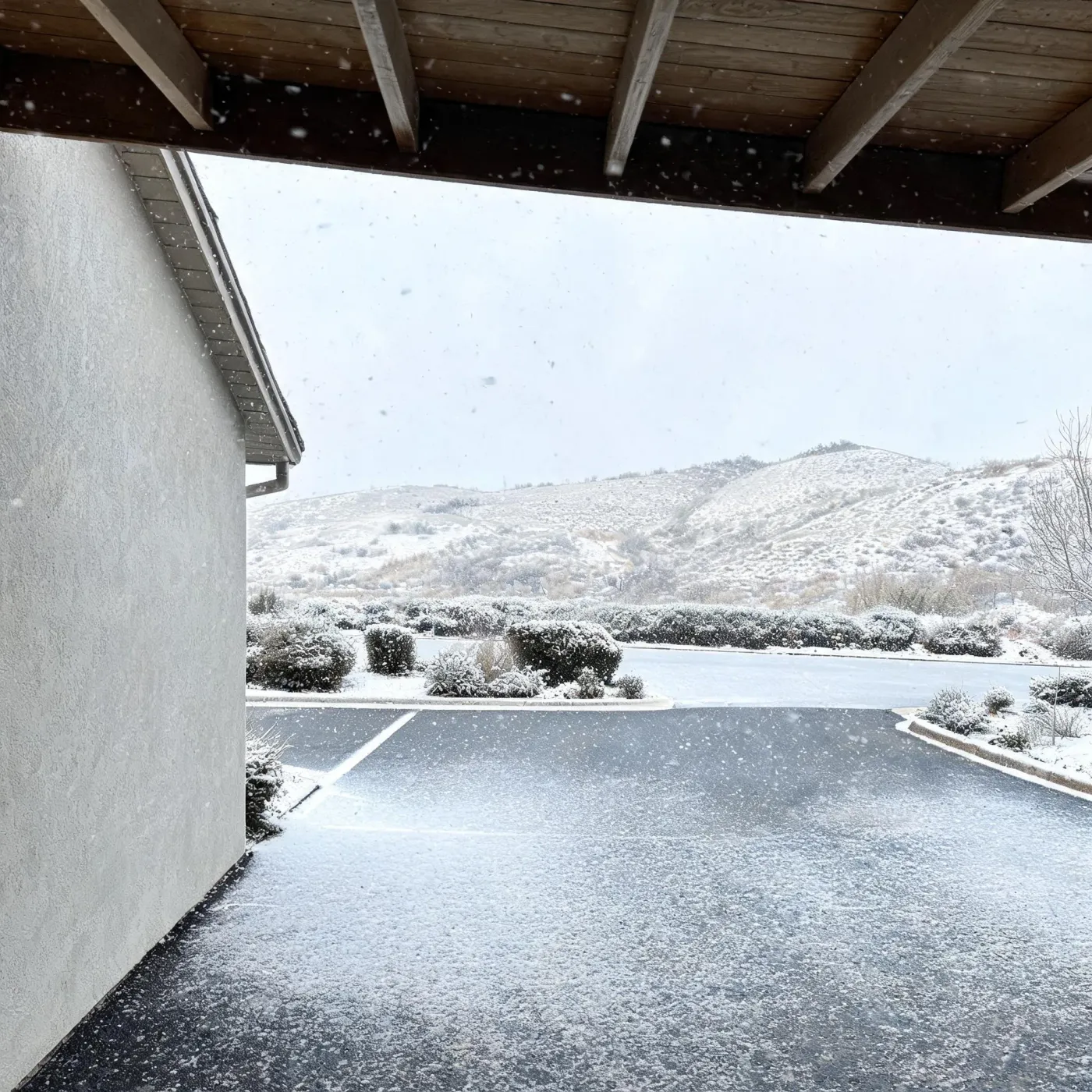
View from under a wooden-beamed carport of a snow-dusted parking lot, trimmed shrubs, and low hills under a pale sky, with falling snowflakes and a stucco wall at left.

San Diego County winter nights average 41°F in December, January and February, according to NOAA climate data. That's mild compared to most of the country, but it's still cold enough that a gas furnace with a bad bearing or a delayed ignition problem gets asked to run most nights for months. A noise that shows up once in a while in October can turn into something you hear every night once temperatures settle in for the winter. A furnace tech who works San Diego County furnaces through these months knows the parts that wear out first in homes here, and when you put in a request, it goes to one licensed local contractor who takes the call, not several companies competing for your business.

NOAA nClimDiv 1991-2020

A pro who works on furnaces

Your request goes to one pro, not a list of companies.

It costs nothing to send, and you don't have to hire anyone.

Why a bang gets worse over time

Delayed ignition means gas is pooling in the burner tray for a second or two before it catches, instead of lighting the moment the gas valve opens. Each time that happens, the small explosion that lights the pooled gas hits the heat exchanger harder than a clean, instant light would. The heat exchanger is a thin metal chamber, and repeated jolts like that are what crack it over time. A furnace that bangs on every single startup is putting that stress on the same part, cycle after cycle, all winter.

Why the screech means act now

The blower motor bearing supports a shaft spinning at speed every time your furnace runs, which in San Diego County can be short cycles most of the season since winter nights only average in the low 40s. A bearing running dry announces itself with a screech or grind before it fails outright. Once it seizes, the motor can't turn the blower at all, and a furnace that can't move air can't heat the house no matter how well the burners are lighting. The noise is the warning you get before that happens, not an extra problem on top of it.

How often does a San Diego furnace actually run?

  • Winter nights average 41°F

    Nights this cold are when a bad igniter or a weak flame sensor shows up, because the furnace is working to recover from a real low.

  • Heat runs November through April

    Six months of regular cycling gives a worn bearing or a loose panel that many chances to go from quiet to loud.

  • 53.7% of homes heat with gas

    With gas this common here, a qualified local tech sees these same burner and ignition noises on repeat all winter.

NOAA nClimDiv 1991-2020 · ACS 2020-2024

You can wait and see if the noise changes, since a single bang that settles into a quiet run isn't the same as one that keeps repeating or gets louder each time the furnace kicks on.

But a noise that repeats every cycle is a part already failing, and the longer it runs that way, the more it costs the igniter, the bearing, or the heat exchanger to keep taking the hit.

A gray-haired woman in a white top and gray cardigan sits in an upholstered armchair indoors, looking toward a window with a green potted plant, with a bookshelf behind her.
A woman holds a sleeping boy wrapped in a gray knit blanket on a couch, with a lit table lamp and houseplant blurred in the background.
A beige high-efficiency furnace in an unfinished basement, with white PVC vent pipes, a yellow gas line, metal ductwork, and exposed wood framing on a concrete floor.

This is what it should sound like

The furnace lights, the blower comes on, and the ductwork carries air without a sound worth mentioning. The PVC pipes to the left vent exhaust and drain condensate the way they're built to, and the panels sit flush against the cabinet with nothing loose to rattle.

An older beige furnace with two louvered vent panels stands on a concrete basement floor, connected to galvanized ductwork and a metal flue pipe, with gas piping and flexible conduit on the wall behind.

This is a furnace working something out

Black iron gas pipe and flexible conduit feed a unit that's had years to wear. A galvanized flue like this one carries exhaust up into the ductwork, and once a joint works loose or a bearing wears down, you hear it before you see it.

Winter nights average 41°F

41°F isn't brutal, but it's enough to put your furnace through a real cycle most nights from December through February. That's three months of a bad bearing or a delayed ignition getting worse before spring lets things sit idle.

NOAA nClimDiv 1991-2020

What to do about the noise

  • A bang on startup, a screech from the blower, or a rattle in the ducts each points to a specific part, not a mystery.
  • A noise that repeats every cycle or gets louder is a part already failing, not something to wait out.
  • San Diego winters stay mild, but a furnace still runs real cycles most nights from December through February.
  • A local contractor who works on San Diego furnaces every winter has seen which part usually fails first in homes like yours.
  • Matching you with one licensed local contractor means one visit and one diagnosis, not a string of calls to sort through.
  • Catching a delayed ignition or a worn bearing early keeps a small repair from turning into a cracked heat exchanger or a seized motor.

The noise itself tells you most of what you need to know. A bang points to delayed ignition. A screech points to a blower bearing. A rattle points to a loose panel or a duct connection working its way free. None of that is guesswork once someone is standing in front of the unit. What matters now is whether it's getting worse. A single bang that settles into a quiet run can wait. A noise that shows up every cycle, or gets louder each time, is a part already failing, and San Diego winters don't let it sit idle long enough to stop mattering. Nights average 41°F from December through February, and that's enough cold for your furnace to run real cycles most of those three months, which gives a bad bearing or a delayed ignition problem plenty of chances to get worse before spring.

Finding someone who knows the part matters as much as knowing which part it is. A contractor who services furnaces around San Diego County every winter has heard this exact noise before, in homes running the same kind of equipment yours is, and knows what usually fails first and what it takes to fix it right. You get matched with one licensed local contractor, not a handful of companies competing for the job, so there's one visit and one diagnosis instead of a string of calls to sort through. That's worth something when the noise is already repeating and you want it looked at before it turns into a cracked heat exchanger or a seized motor.

A gray high-efficiency furnace with two white PVC vent pipes stands in an unfinished basement beside galvanized sheet-metal ductwork, with insulated wood-framed walls and piping behind it.

Get your furnace to the right pro

RepairFurnace or heatingSan Diego County, CA
Step 1 of 2

What ZIP code is the job in?