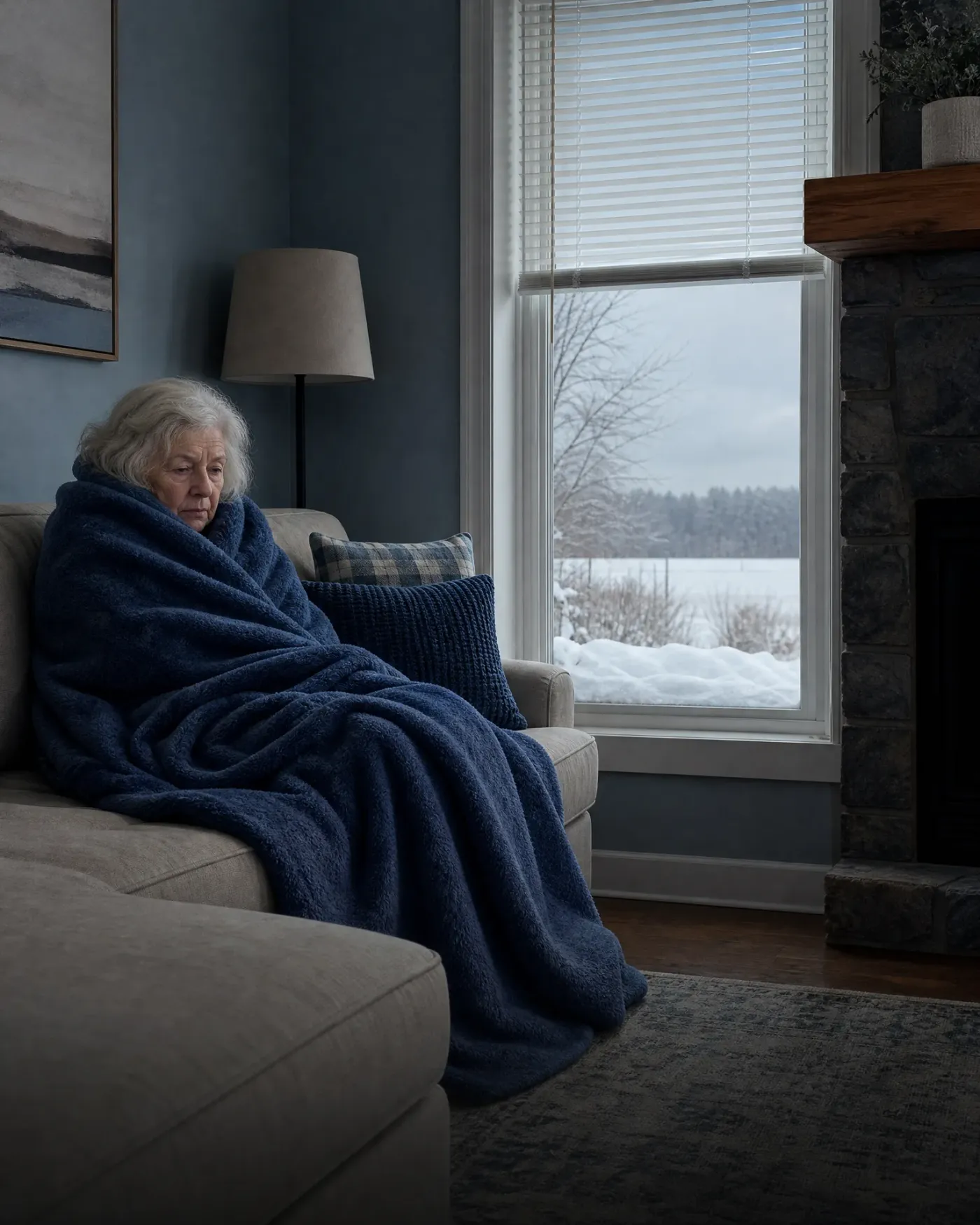

A normal startup smell
Dust burning off the heat exchanger clears in a few minutes and the furnace settles into a clean cycle. The air coming out of the vents warms up normally and the smell doesn't come back once the system has run a while.
A gas furnace that kicks on for the first time in weeks can carry a strange smell with it, and it's enough to make you wonder if something is wrong or if you should even leave it running. Most of the time there's a simple explanation, but a couple of possibilities are worth taking seriously rather than waiting out.
A burning smell the first time your furnace runs after sitting idle is usually dust that settled on the heat exchanger over the summer. It burns off within a few minutes and the smell goes with it. Furnaces here often sit unused for months since California winters are mild, so this happens more here than in places that run heat all winter. If the smell lingers past the first run, comes back every cycle, or smells like hot plastic or metal rather than dust, that points to a wiring issue or a part overheating inside the unit, and it's worth having a licensed technician check it before running the furnace again.
Dust burning off the heat exchanger clears in a few minutes and the furnace settles into a clean cycle. The air coming out of the vents warms up normally and the smell doesn't come back once the system has run a while.

A burning smell that lingers past the first cycle, or comes with a burning plastic or electrical edge, points to something failing inside the cabinet, like a cracked wire insulation or a motor under strain. That furnace needs a licensed technician to open it up before you run it again.
Run your hand near the vent and pay attention to what comes with the warm air. A dust smell fades once the furnace has been on for a few minutes. A smell that lingers through the whole cycle, or comes back every time it kicks on, is telling you something else is going on. Notice if it's sharp like burning plastic, or more like rotten eggs, since those point to different problems. Check whether one room runs colder than the rest, or if the furnace shuts off on its own partway through a cycle. Left alone, a wiring or heat exchanger problem can get worse, and a gas smell is not something to wait out.

A gas furnace burns fuel in a sealed heat exchanger and pushes air across it to warm your house. The flame itself never touches the air going through your ducts. A crack or a hole in that exchanger lets combustion gas mix with the air it's heating, and that includes carbon monoxide. That's why a smell that keeps coming back cycle after cycle needs a licensed tech to open the furnace and look, not just run and see if it clears on its own.

California winters don't ask much of a furnace compared to colder states, so a lot of these systems sit off for long stretches, sometimes seven or eight months between real use. Dust settles on the burners and the blower housing during that time, and the first startup each fall or during a cold snap burns it off. A smell that fades once the blower has pushed air for a few minutes fits that pattern. One that holds steady or gets sharper points at something inside that needs a closer look.
Most houses around you run on gas heat, same as yours, so the furnace smell you're noticing is one a lot of your neighbors would recognize too. That doesn't mean it's normal to ignore. A furnace this common means there's no shortage of people who work on them week in and week out.
ACS 2020-2024 5-year B25040
Wait it out and see if the smell fades on its own, the way a dusty startup smell does after a few minutes of the furnace running.
Call someone licensed to check it if the smell holds through the whole cycle or changes to something sharp, since that points at the heat exchanger or the gas valve, not dust.





Your request goes to one pro, not a list of companies.
One form replaces the calls you'd make to find a furnace pro.
There's no charge for the request.


Your thermostat sends a call for heat, and the furnace answers by opening a gas valve to a burner lit by an igniter or a pilot. That flame heats the metal walls of a heat exchanger. The blower pulls air from your rooms and pushes it across the outside of that metal, so the air in your ducts never touches the flame or the exhaust. The exhaust itself leaves through its own vent pipe, routed out through the roof or a sidewall, separate from the ductwork entirely. Before the blower ramps up, a pressure switch and a flame sensor confirm the burner actually lit and the flue is drawing properly. If the furnace sat idle for weeks, dust gathers on the burner and the exchanger surface, and that dust is what burns off in the first minute or two once the cycle starts. That's the ordinary smell. A furnace with a cracked heat exchanger or a gap in the cabinet works differently: it lets combustion byproducts leak into the air the blower is moving through your house, instead of keeping them in the flue where they belong.


A dust smell that fades after a few minutes means your furnace is doing what it does every time it starts up after sitting idle. A smell that holds through the cycle, or turns sharp instead of dusty, means something inside the cabinet needs a look before you run it again. That's the whole question this comes down to.
You don't have to figure out which one you're dealing with by yourself. A licensed contractor who works on furnaces through the winter in your area has gone through this same question in homes near you more than once, and knows what usually turns out to be the cause when a gas furnace starts smelling wrong partway through a cycle or shows rust across the cabinet. That's not guesswork for someone who sees it every season.
Getting this checked doesn't mean working through a list of companies, explaining the smell to each one, then sitting on quotes trying to compare them. One request connects you to one licensed contractor local to you, so you're not fielding calls from several companies at once or repeating yourself to each one. You get a single visit and a straight answer about what the smell actually is.
Your furnace is either running clean or it isn't. A repair visit is what settles that, and you don't have to sort out who should make it.




The pro who reaches out is licensed in California.
You only hire the pro if you want to.