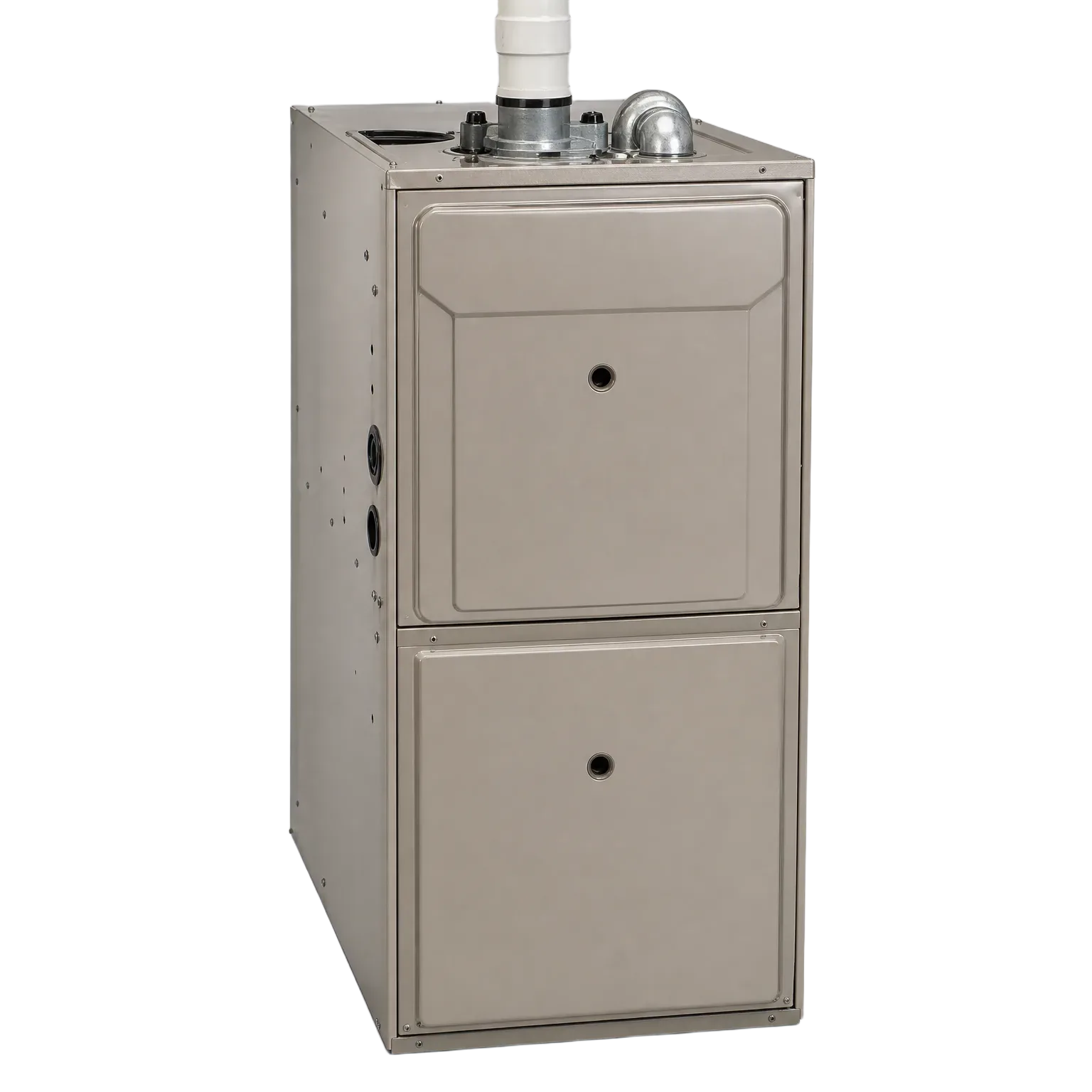

Firing on time
This is a furnace lighting the way it should. Gas reaches the burners and catches right away, so the sound is just the usual low rumble. Ductwork stays quiet because nothing is forcing it to flex or jolt as the system starts.
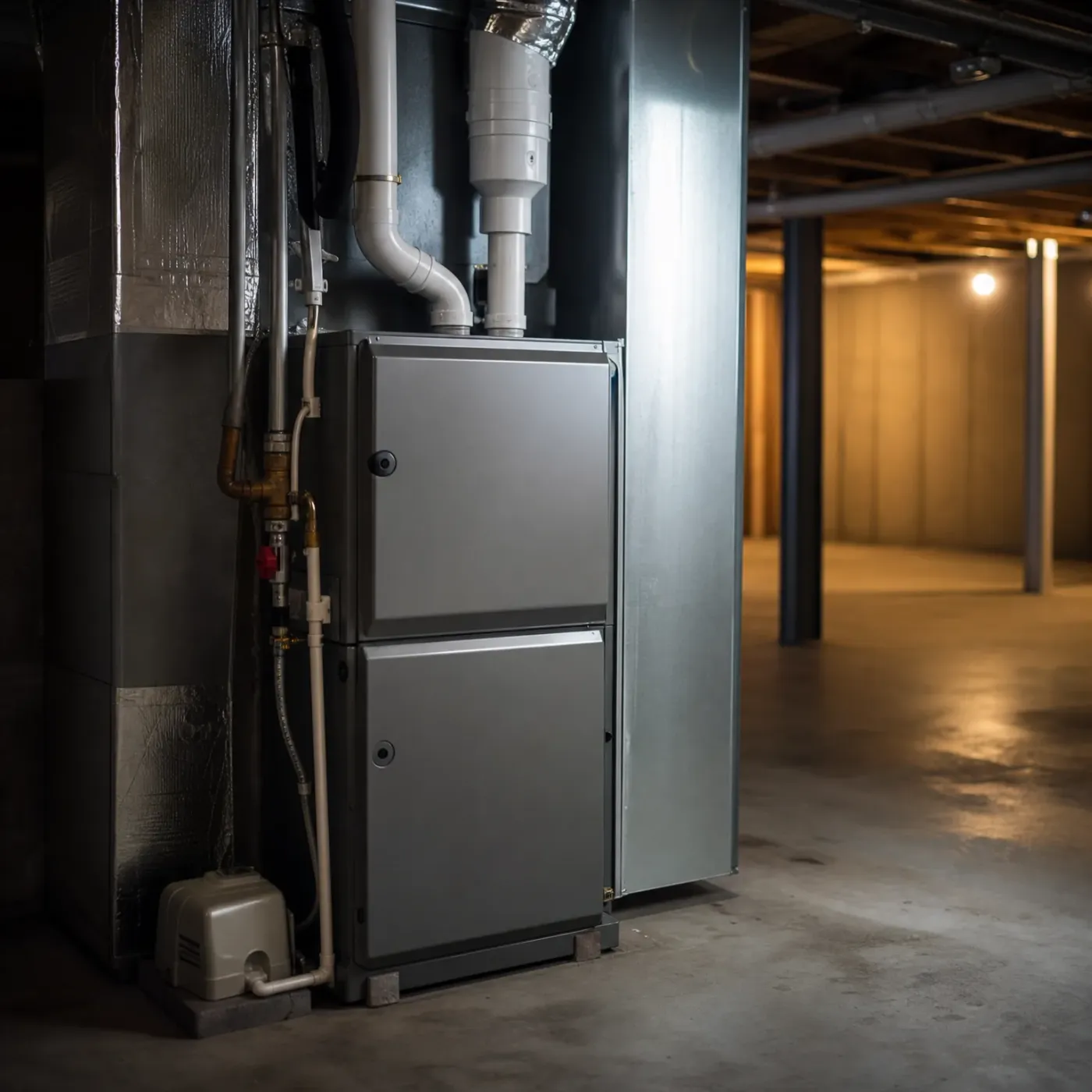
Get your furnace to the right pro
A bang when your furnace starts up usually means the burners are lighting late, or a duct has flexed with the heat. Neither is something to wait out. Below is what to check before you call anyone, and what the noise likely means for your gas furnace. If you'd rather skip the guesswork and the round of calls to find someone who can look at it, you can get matched with a contractor who'll reach out directly.
Get my matchA bang when the furnace kicks on usually means gas is building up in the burner chamber before it catches, then lighting all at once instead of in a smooth flame. That delay is often a dirty burner or a failing igniter not firing when it should. The bang itself is the small explosion of that trapped gas. A bang when the system shuts off is a different thing, usually ductwork flexing as it cools, which sounds worse than it is. Since most homes here heat with gas, that furnace is doing real work on the cold nights even if your winters aren't the harshest around. A burner that lights late isn't a problem that fixes itself, and it tends to get louder and more frequent the longer it runs that way. Worth having someone look at before it affects the heat exchanger.


A furnace is supposed to light the instant gas starts flowing to the burners. The igniter glows, the control board opens the gas valve, and the flame catches within a second. When that timing slips, gas has a moment to fill the burner chamber before anything ignites it. Once it does catch, it catches everywhere at once instead of as a single smooth flame, and that small explosion is what you hear as a bang. The ductwork around the burner compartment takes the force of it, and sheet metal flexing under that jolt is often louder than the ignition itself.
A few things cause that delay. A dirty burner can keep flame from spreading evenly across the ports. A weak or aging igniter might glow too dim or too slow to catch gas right away. A flame sensor coated in residue can tell the board the burner isn't lit even when it is, so the board cuts gas and tries again, which produces its own bang on the retry.
None of this shows up overnight. Burners collect dust and a thin layer of corrosion over weeks of normal use, and in a lot of California homes the winters are mild enough that the furnace isn't cycling constantly, so there's more time between runs for that residue to settle before the next startup. That's usually why the first light of the day is the loudest one, and why the noise creeps in gradually rather than starting all at once.


One form replaces the calls you'd make to find a furnace pro.
Sending the form costs nothing.
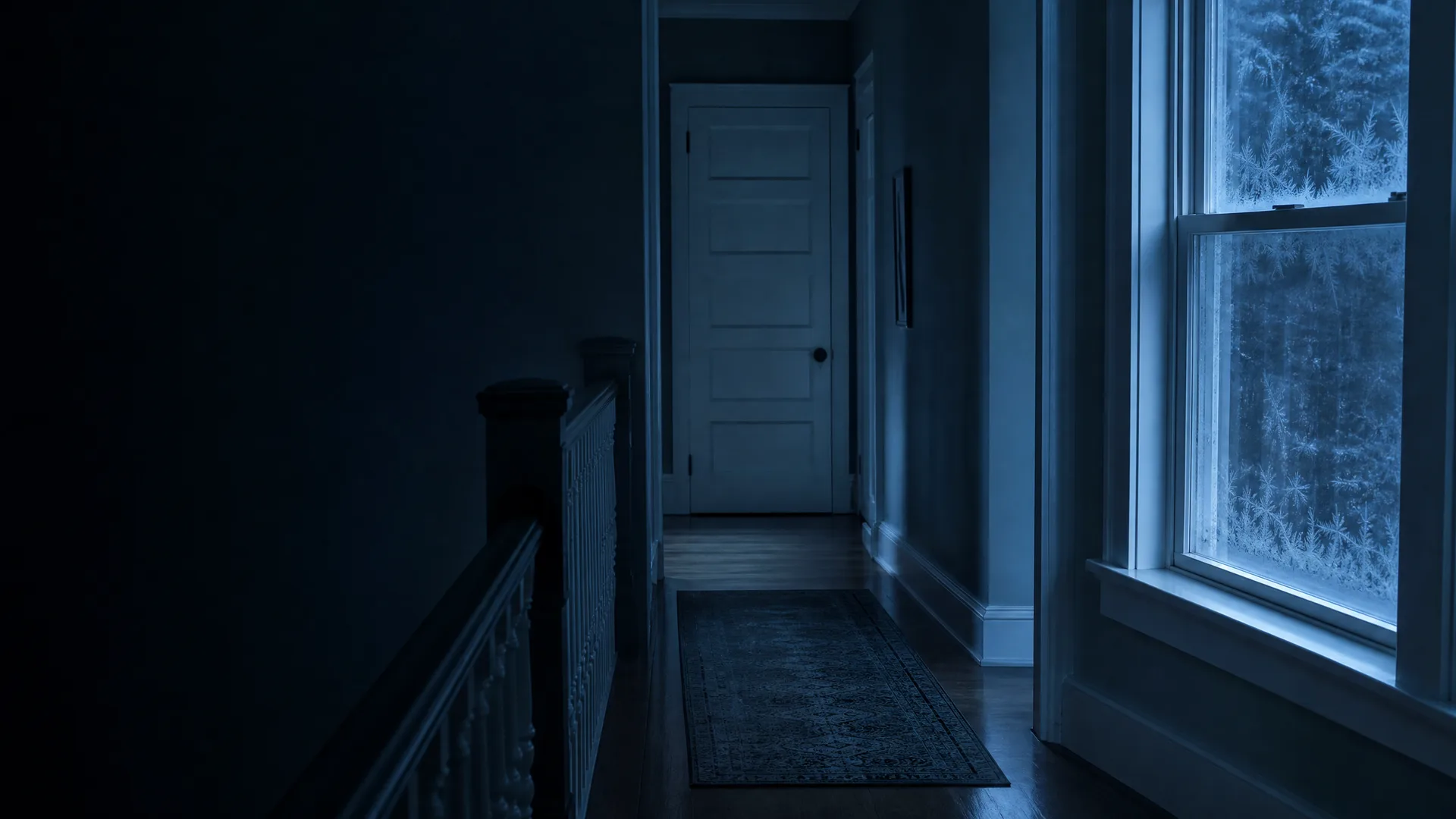
You wake up to it before you're fully awake, that bang from downstairs. The hallway is cold enough that you can feel it on your face through the blanket. It's past two and the vents by your feet aren't blowing anything, not even the usual click and hum. The window at the end of the hall has frost along the edges, which doesn't happen often here, but tonight it has. You lie still and wait for the burners to catch again, for that one hard bang that means the furnace finally lit. It doesn't come right away. The house stays quiet and blue and cold, and you're already thinking about the call you'll make once it's light out.
You probably hear it most on the first start of the morning, before the house has warmed up at all. A single bang or a string of them, loud enough to carry through the floor, sometimes followed by a rattle in the ductwork as it settles. You might notice the smell of gas for a second right before it fires. Left alone, that delayed catch stresses the heat exchanger a little more each time it happens, and a cracked heat exchanger is the one furnace problem in a gas home you don't want to find out about late. It's also the kind of noise that tends to get worse, not better, especially once it's cold enough that your furnace is running several times a night.




Winter nights in California average 40°F, which means your furnace isn't working against real cold most of the time. It still has to light and heat the house on every one of those cold starts, and a bang at startup is the ignition delay happening on a system that otherwise doesn't get pushed hard.
NOAA nClimDiv 1991-2020 county normals weighted by homes
This is a furnace lighting the way it should. Gas reaches the burners and catches right away, so the sound is just the usual low rumble. Ductwork stays quiet because nothing is forcing it to flex or jolt as the system starts.

This is what a delayed catch does over time. The panels and fittings take on wear, and moisture shows on the walls around it. A furnace that bangs on every cold start is working harder to light than it was built to, and that doesn't fix itself.

A furnace that bangs when it starts is telling you the burners aren't catching clean. That might be a dirty burner, a flame sensor coated in residue, or an igniter that's starting to fail. None of those get better by themselves, and none of them need you to pin down which one it is before you ask for help.
What usually eats the time isn't the repair, it's everything before it. Finding a contractor who works on gas furnaces, calling around, explaining the bang and when it happens, waiting on quotes to compare. Answer a few questions about your furnace and what you're hearing, and a contractor who covers your area in California will reach out to you directly. You skip the searching and go straight to someone who already knows what you're dealing with.



Matched to your furnace job
Describe what your furnace is doing once, in one form.
