Furnace making a loud noise in Oxnard, CA
Send the request today and let a furnace pro reach out to you.
Let a pro reach outWhy is my furnace making a loud noise?
A loud noise from a furnace usually means something has come loose, worn out, or caught fire inside the system, and in Ventura County most homes run on gas, so a bang or screech points to a specific part rather than general wear. You want to know if this is something to shut off right away or just keep an ear on.
It depends on the sound: a bang means delayed ignition, a screech means the blower motor or belt, a rattle means something loose in the cabinet
A loud bang when the furnace starts up usually means gas is building up before it lights, then igniting all at once instead of catching smoothly. That puts stress on the heat exchanger every time it happens. A high-pitched screech points to the blower motor bearings wearing out or a belt slipping, both of which get worse the longer the furnace runs. A rattle or metallic clatter is often something loose, a panel, a screw, a piece of ductwork, vibrating against the cabinet. Furnaces in Oxnard don't run as hard as they do in colder parts of the country, since winters here are mild, but a bang on startup still means the same thing it would anywhere: gas igniting late. That's worth having looked at before it damages the heat exchanger.
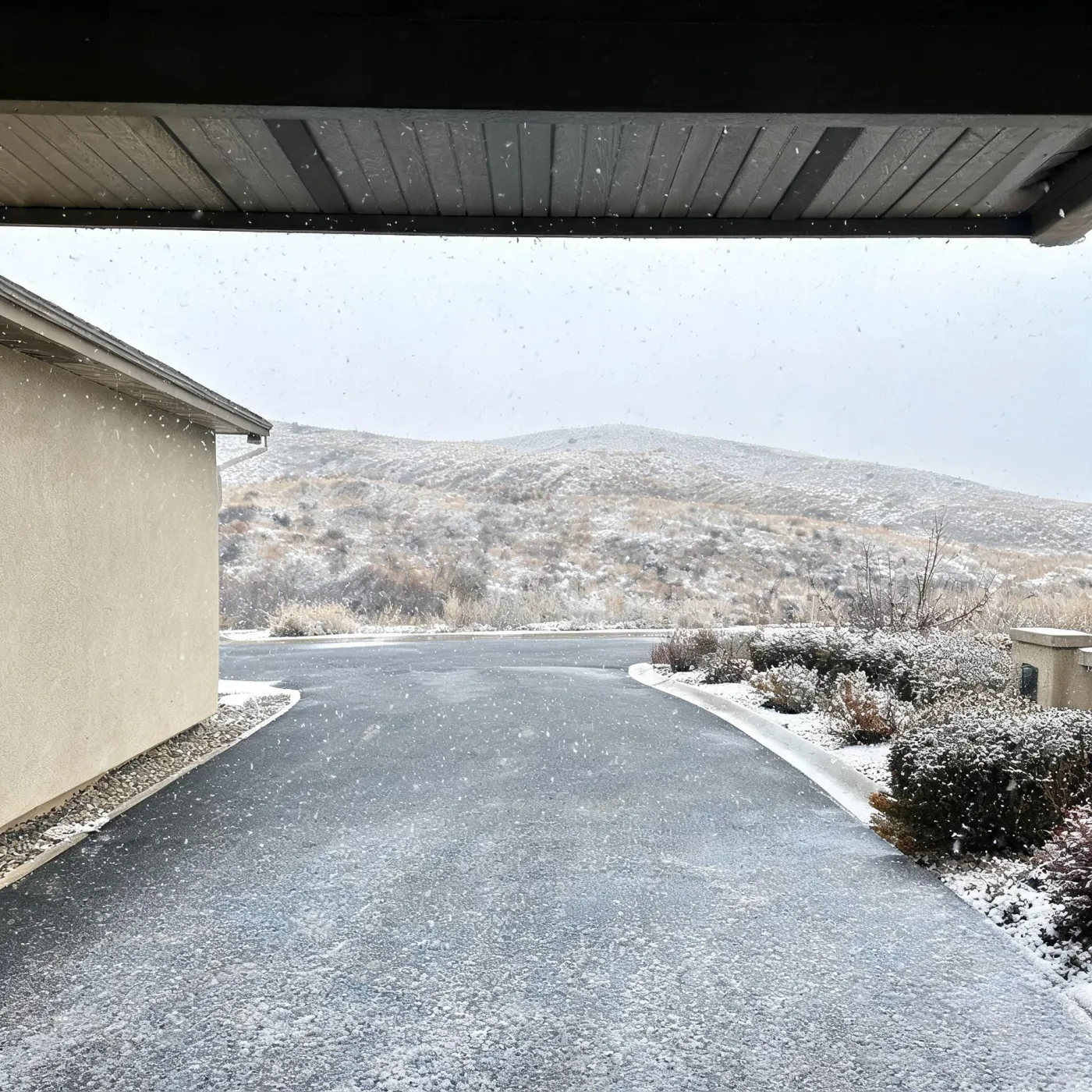
Winter nights in Ventura County average 38°F, cold enough that your furnace will kick on and run for real stretches, not just a quick cycle. That's when a loose part or a failing igniter tends to announce itself, since the system is working harder and longer to hold the house steady overnight. A noise that was faint in November often gets louder once nights settle into the high 30s, because the blower and burner are running more often to keep up. Source: NOAA climate data for Ventura County.
NOAA nClimDiv 1991-2020
What does that noise mean for your furnace right now?
A bang when the burners light usually means gas is building up before it catches, then igniting all at once. A screech or squeal points to a motor bearing or blower wheel under strain. Rattling is often a loose panel or a part that's worked itself free inside the cabinet. Left alone, the bang from delayed ignition can crack a heat exchanger over time, which is a safety problem, not just a noisy one. A straining motor tends to run hotter and shorter on life until it quits outright, usually on one of those cold nights when you need it most. If you smell anything with the noise, that's worth paying attention to as well.
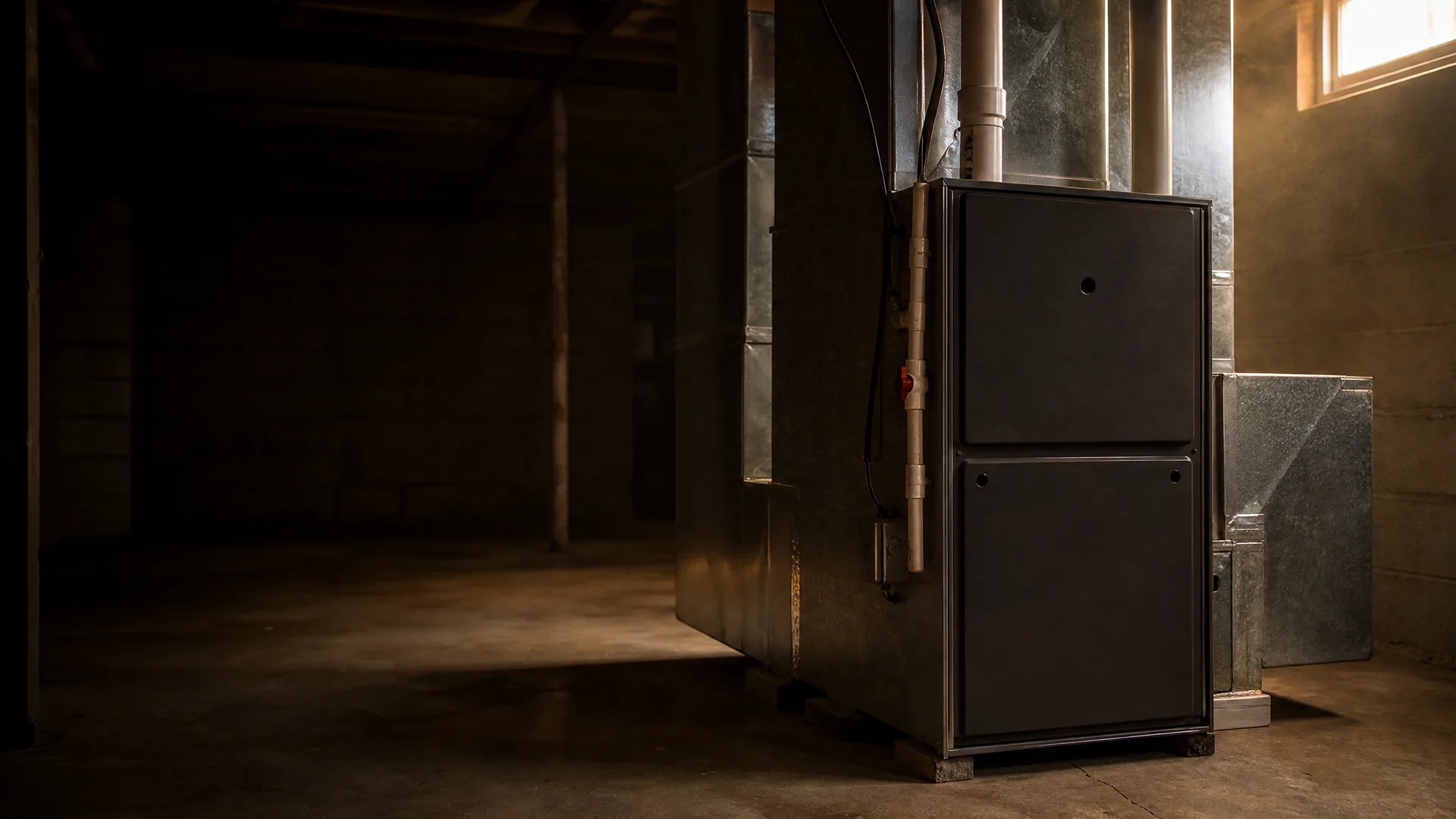
You're in the garage a little after seven, the light going gray outside, and the furnace closet door is open because you went to check on the noise again. It's quiet now. Dark. The burners aren't lit, and a thin haze of dust hangs in the air where the blower compartment is cracked open, lit by your phone flashlight. It's a mild Ventura County evening, the kind where you only need the heat for an hour or two, and you're standing there in a sweatshirt waiting to see if it kicks back on. It doesn't. You can still hear the bang from twenty minutes ago, the one that made you come out here in the first place.
Why does a furnace here take this much of a beating every year?
Winter nights average 38°F
Nights near 38°F mean the burners and blower are running at full output, not cycling lightly, and that strain is what wears a bearing or loosens a part.
Heat runs November through May
Seven months of heat a year, November through May, adds up to far more run time than a furnace in a milder climate ever sees.
72.5% of homes heat with gas
With 72.5% of homes here heating with gas, a loud noise is almost always a gas furnace problem, not the electric or oil issue it might be elsewhere.
NOAA nClimDiv 1991-2020 · ACS 2020-2024
How the parts work together
- A gas furnace lights by sparking an igniter, which opens the gas valve, which lets the burners catch, in that order.
- The blower motor spins a squirrel-cage wheel that pushes air across a heat exchanger and out through the ducts.
- A bent or loose blower wheel will knock against the housing once a minute or continuously once it's running.
- The igniter and burner assembly sit behind a small access panel near the bottom of the furnace cabinet.
- A cracked heat exchanger can tick or pop as metal expands with heat, separate from any blower or motor noise.
- The inducer motor runs first, before the burners light, to clear exhaust gas out through the flue.
Start the furnace up and the inducer motor runs first, clearing old exhaust out through the flue before anything lights. Once that's done, the igniter glows and sparks, the gas valve opens, and the burners catch. That order matters: a noise at the very start of a cycle usually comes from the inducer motor, not the burners. Once the burners are lit, the blower motor takes over, spinning a squirrel-cage wheel that pushes heated air across the heat exchanger and out through the ducts to the rooms in your house. That wheel sits close to the housing, and if a blade bends or a mounting bolt works loose, it knocks against the housing wall, either once a minute at first or without a break once it's warped enough. The igniter and burner assembly live behind a small access panel low on the furnace cabinet, which is where a technician looks first for a popping or clicking sound right as the burners fire. A cracked heat exchanger makes its own sound, a ticking or light popping as the metal heats up and expands, and it has nothing to do with the blower or the motor. It's a different part failing for a different reason, which is part of why the exact sound and the exact moment it happens both matter for figuring out what's actually going on inside the cabinet.





Thermostat calls for heat and signals the control board
Inducer motor starts and pulls air through to clear the exchanger
Igniter heats up or sparks to light the gas
Gas valve opens and burners ignite in sequence


Hand off the furnace problem
The pro who gets in touch is licensed in California and works in Ventura County.
Get the furnace repair search off your mind today.
There's no charge for the request.
Winter nights average 38°F
At 38°F the burners stay lit long enough to really heat the house, not just blip on and off. That steady run is harder on a worn bearing or a cracked part than a short cycle ever was, so a noise that's been small tends to get worse over the rest of the winter.
NOAA nClimDiv 1991-2020
A noise that waits for a cold snap
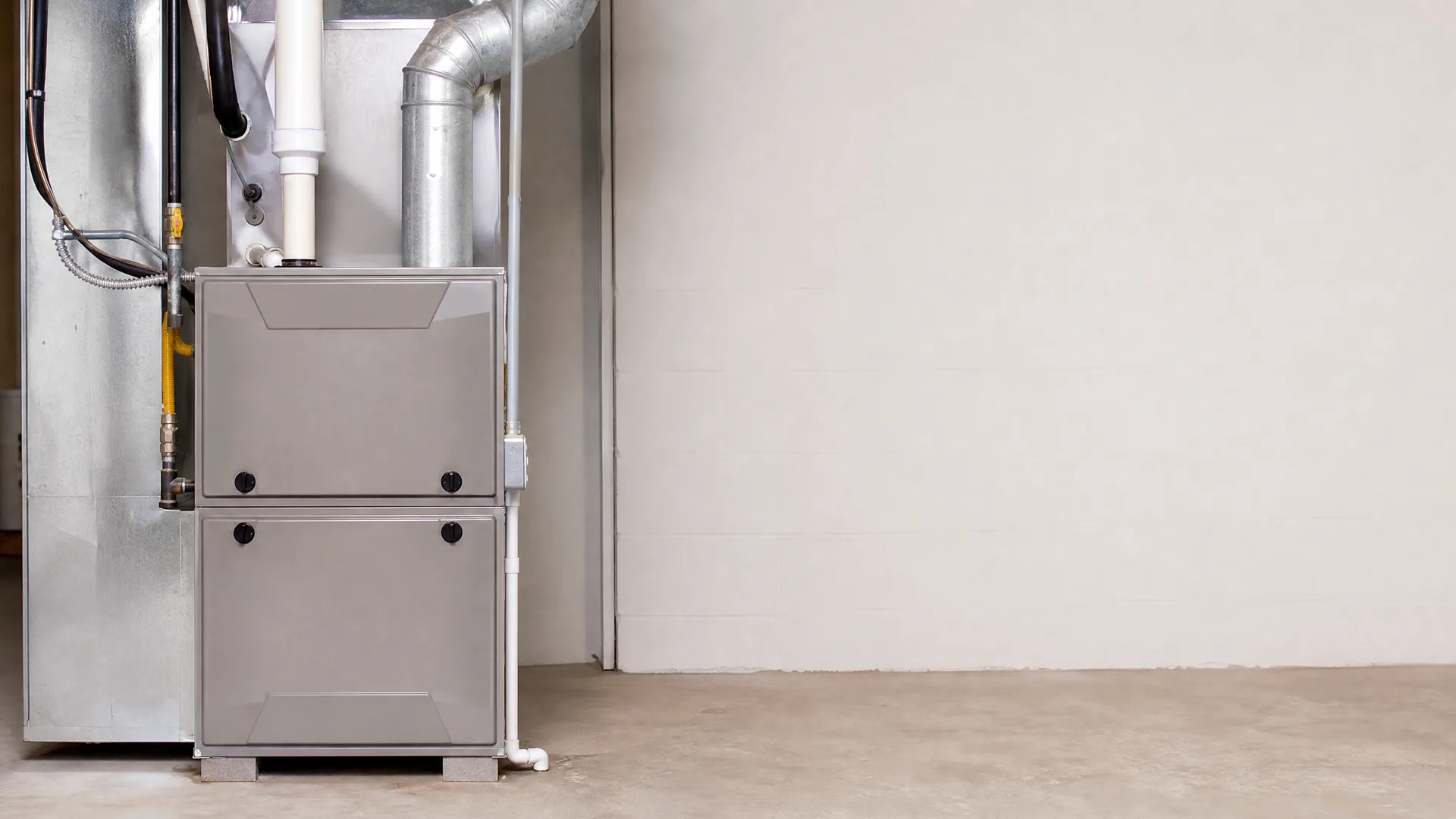
Some furnaces only make noise on the coldest nights, when the burners stay lit long and the blower runs at full speed for an hour or more. A bearing that's just starting to wear might stay quiet through a mild stretch and then squeal the first night it drops into the 30s. If the noise comes and goes with how hard the system is working, that's worth telling the contractor, since it points to a part under load rather than one that's simply failed.
A noise that's there every time
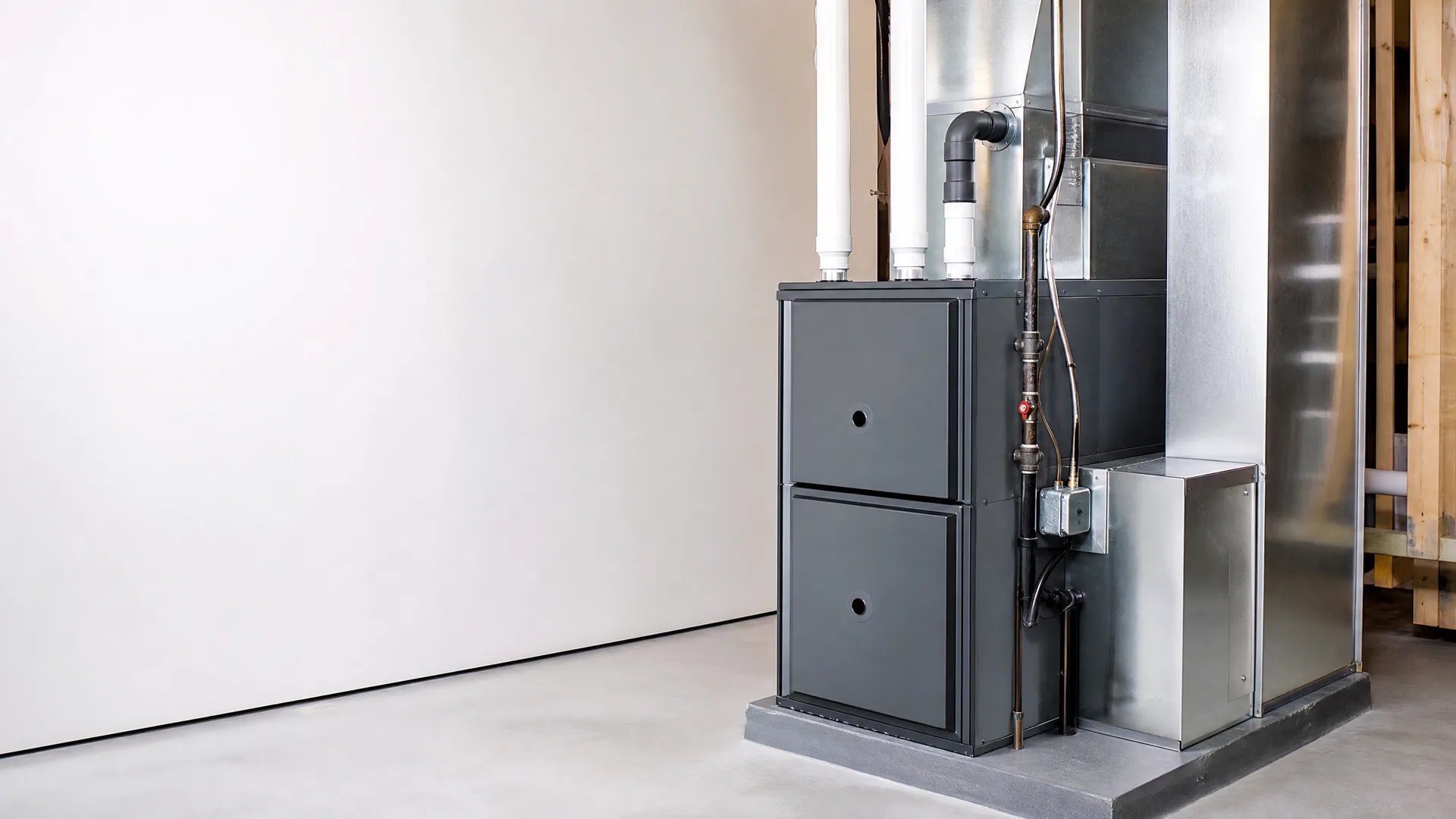
Other furnaces make the same noise on every cycle, whether it's a short run on a 55°F evening or a long one in January. A loose panel rattles every time the blower spins up. A failing igniter clicks or sparks weakly on every attempt to light, not just the hard ones. This kind of noise tends to mean a part has already come loose or worn through, rather than one that's starting to strain, and it's less likely to wait out the season on its own.
Call Now or Let It Ride
Call someone now
- A bang on startup can mean gas is pooling before it lights, and that gets worse every time the burners fire.
- A screech from the blower points to a bearing that's wearing down, and bearings don't heal themselves once they start grinding.
- Running a furnace with a cracked part risks pushing exhaust into the house instead of out through the vent.
- A local contractor who services furnaces every winter here can usually tell what's wrong from the noise alone before opening the cabinet.
- Catching a loose part or a failing igniter early often means replacing one piece instead of the blower motor or heat exchanger it damages later.
- With nights near 38°F, the furnace is running long stretches most evenings, and that strain tends to turn a small noise into a bigger failure fast.
Wait it out
- A rattle that only shows up on the coldest nights might be nothing more than a panel working loose, not a part failing.
- Shutting the furnace off to think it over means no heat on a night that's sitting near 38°F.
- A noise that comes and goes can be hard to describe over the phone, which makes it harder to get the right part diagnosed and ready.
- Letting it run through a cold snap gives you more information, but also more hours of wear on whatever's already loose or worn.
- If the noise is tied to the burners or the exchanger, waiting doesn't just risk a bigger repair bill, it risks gas or exhaust leaking where it shouldn't.
- Most of these noises don't go away on their own, they just get louder as the part wears further.


A furnace that bangs, screeches, or rattles is telling you something specific is wrong, not just getting old and noisy. The part causing it won't fix itself, and running the system through the rest of winter with it will only wear that part further. Someone who services furnaces in Ventura County every winter has heard this exact noise plenty of times and knows which part to check first, whether that's an igniter, a blower bearing, or a cracked heat exchanger. A local, licensed contractor working on your furnace means one person looking at your actual system, not a call center routing you to whoever's free. You don't need to figure out which part it is before you ask for help. You just need someone qualified to go look.

Furnace Repair
Finding a pro stops being your job

- Get matched with a pro who fixes furnaces in Ventura County.
- A Ventura County pro who repairs furnaces gets your request.

- After you send the request, you're done searching.
- Send the request today and stop worrying about who to call.

- Explain the furnace problem once instead of to every shop in Ventura County.
- Skip calling shops to ask who repairs furnaces in Ventura County.

- A licensed pro who repairs furnaces in Ventura County gets your request.
- Only one pro gets your request, so you hear from one company.