
Furnace keeps shutting off in Oxnard, CA

Skip calling shops to ask who repairs furnaces in Ventura County.

Describe it once

A furnace that keeps shutting off is almost always protecting itself from something. The flame sensor may be coated with a film it can't read through, so the burner lights and the control shuts it right back down. A clogged filter can choke airflow until the heat exchanger overheats and a safety switch trips. A cracked or failing igniter can light the burner weakly enough that the sensor never confirms a flame. Since winters in Oxnard stay mild, most furnaces here run in short bursts rather than for hours at a stretch, and that stop-start pattern is exactly when a weak igniter or a dirty sensor shows up as shutoffs rather than as a furnace that simply won't start. None of these are safe to keep resetting around. The safety switch is doing its job each time it cuts the burner, and running the furnace repeatedly against that switch is how a small problem turns into a cracked heat exchanger.

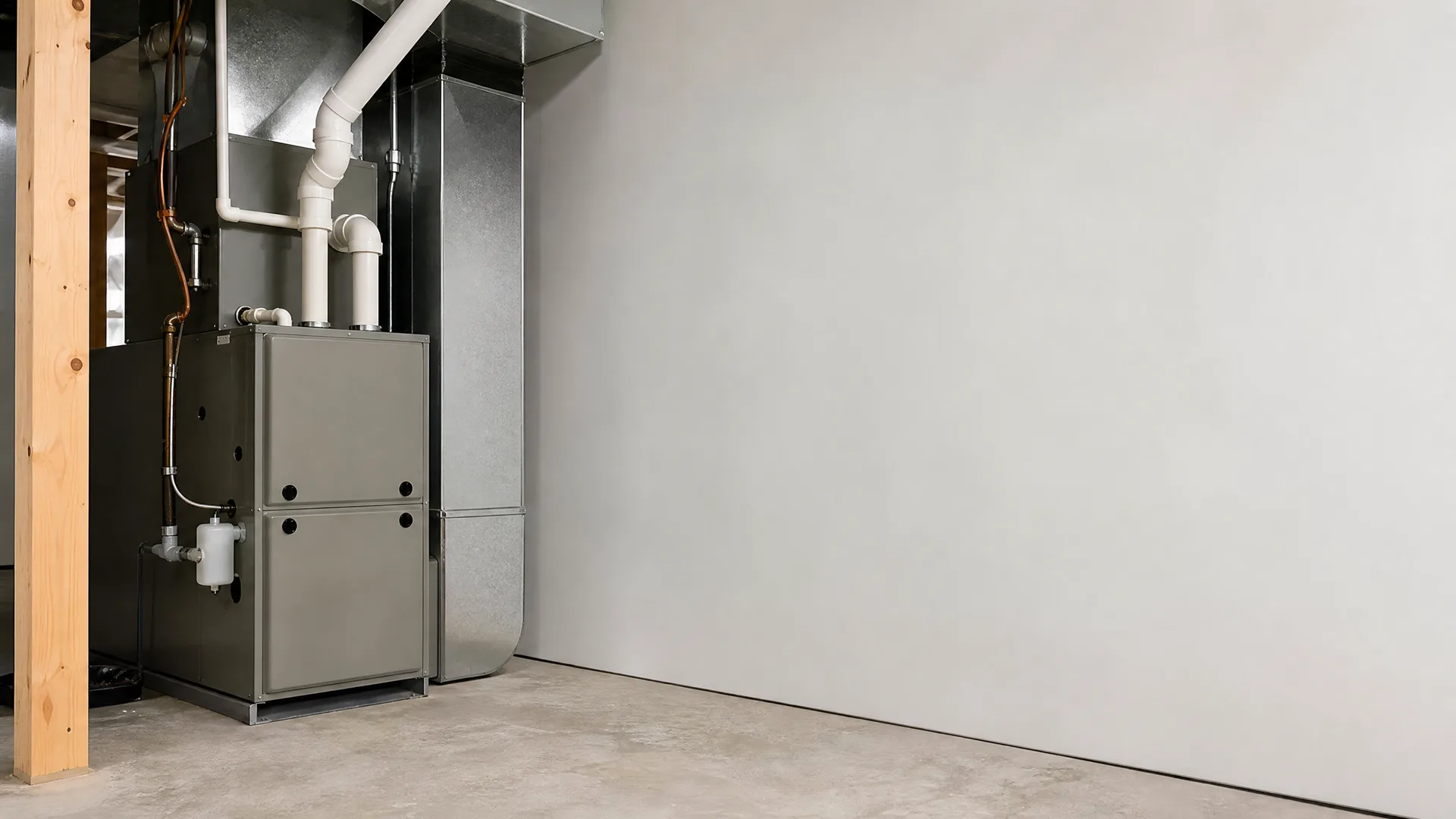
A gray high-efficiency furnace with white PVC venting pipes and sheet-metal ductwork stands against a basement wall beside a wooden post, with a bare concrete floor and plain gray wall to the right.

Short cycling wears parts faster

Every time the burner lights and shuts off within a minute or two, the igniter and the control board take a small hit. Over a winter of that, a furnace that could have lasted years on its original parts starts needing them replaced. A furnace that short cycles all season is working harder than one that runs a normal length cycle a few times a day, even though it feels like it's barely running at all.

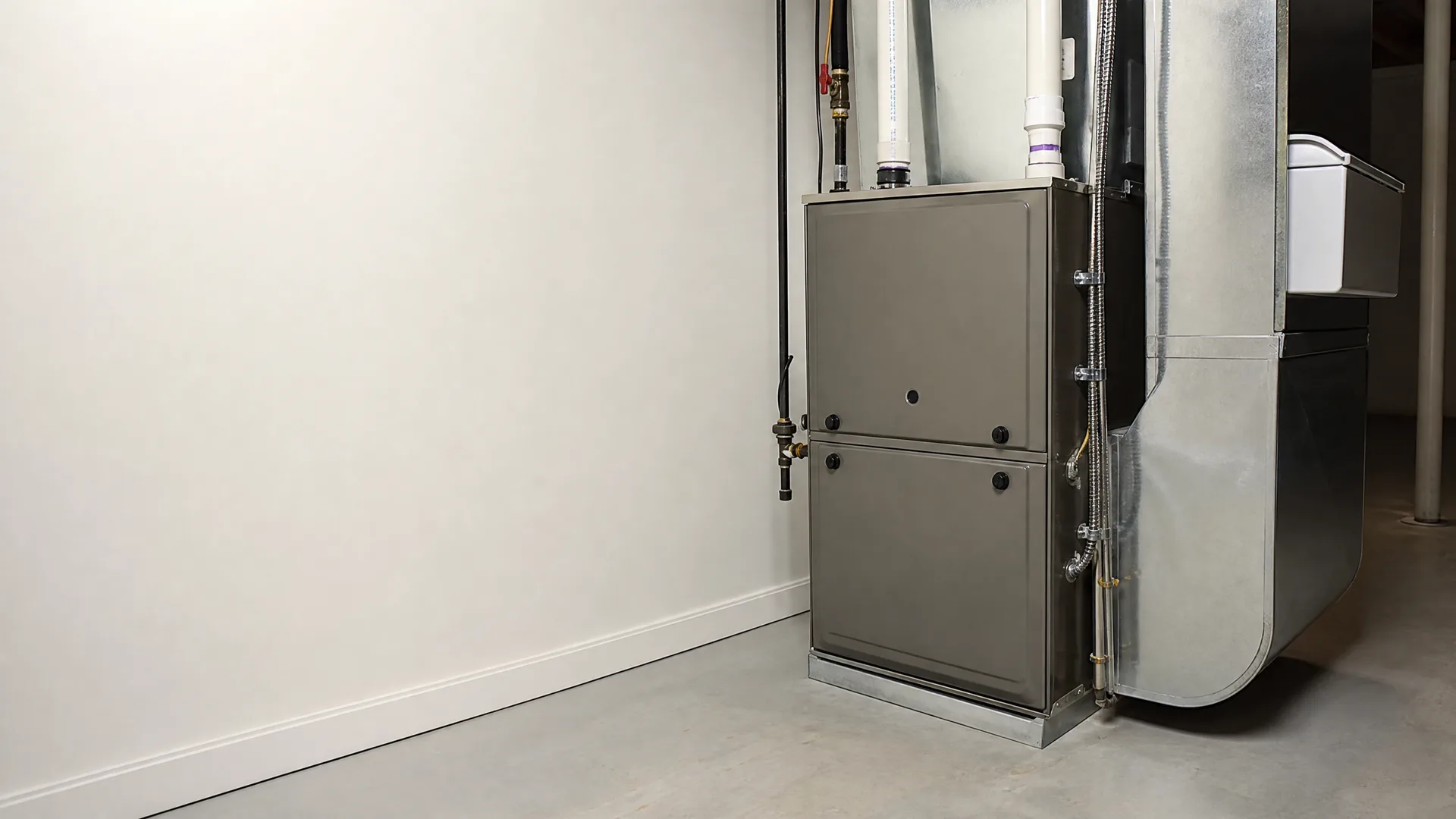
A gray high-efficiency furnace with white PVC vent pipes and flexible metal lines stands against a plain light wall in a basement, connected to galvanized sheet-metal ductwork on a concrete floor.

Why this shows up now

Ventura County winters are mild, so a gas furnace here might only run a few months out of the year and sit idle the rest of the time. Dust settles on the flame sensor and in the filter during the months the system isn't running. When you turn the heat on in December, the furnace is often lighting for the first time in months, and whatever built up while it sat is what trips the safety switch now.

Short Cycling or Full Shutdown

Short cycling

  • The furnace fires, runs for under a minute or two, then shuts off and starts again a few minutes later.
  • A dirty flame sensor or a clogged filter is often behind it, and both stop the burner before the house ever gets warm.
  • The thermostat may show the furnace running most of the day without the room temperature moving much.
  • Left alone, the igniter and control board take the repeated wear, and a repair now is smaller than the one that follows.

Full shutdown

  • The furnace won't start at all, or it starts once and then won't fire again until the system is reset.
  • This points more toward the limit switch, the inducer motor, or a safety lockout than a dirty sensor.
  • A furnace that won't restart leaves the house cold through the night, not just running inefficiently.
  • A technician who works on these units through Ventura County winters can usually tell which failure it is from how the furnace behaves before it quits.
A gray high-efficiency furnace with white PVC vent pipes stands on a concrete pad in a basement, beside sheet-metal ductwork, copper piping and a poured concrete wall with wood framing at left.

Running normally

The burner lights, stays lit, and the blower pushes warm air through the ducts until the thermostat is satisfied. No short cycling, no repeated restarts. The flue draws properly and the flame sensor reads a clean, steady flame the whole time it's running.


A beige gas furnace in a basement with a metal flue pipe, galvanized sheet-metal ductwork to its left, and gas and water pipes along the concrete wall to its right.

Shutting off early

The burner fires, runs briefly, then cuts out before the house warms up. It may try again a few minutes later and shut off the same way. Oxnard winters are mild, so a furnace doing this might run just long enough to mask the problem until a colder night makes it obvious.

Is your furnace shutting off before the house warms up?

You turn the thermostat up, hear the burner catch, and a minute or two later it's quiet again. Then it tries once more. The vents blow air that never quite gets warm, and some rooms stay cold while the furnace cycles in the background all evening. You might notice a burnt smell if the filter's choked with dust, or hear the blower run longer than it used to just to push the same amount of heat through. Left alone, a furnace that keeps restarting works harder for less heat, and on a cold night that can mean waking up to a house that never came up to temperature.

A man with graying curly hair and a dark green sweater sits on a gray sofa in a sunlit living room, looking off to the side, with a framed picture, shelving, an armchair and a window with sheer curtains behind him.
A middle-aged man with graying hair and a short beard sits on a blue sofa in a living room, looking toward a window, with a bookshelf, lamp and framed picture in the background.
A gray-haired man in a dark blue sweater sits on a light gray sofa in a sunlit living room, looking off to the side, with a potted plant, shelving unit, and large glass doors behind him.
A gray-haired man in a dark sweater sits on a light gray sofa in a living room, looking toward a sunlit window with trees outside.

Explain it one time

The pro who reaches out is licensed in California.

No charge to send it. You decide if you hire them.

Leave it alone and keep resetting it. The furnace may run for another week or two between shutdowns, and some nights it keeps the house warm enough to get by. But each restart adds wear the furnace didn't have before, and the shutdowns tend to come back sooner each time.

Have a licensed contractor look at it now. Someone who works on furnaces around Oxnard all winter can usually tell within a few minutes whether it's the flame sensor, the filter, or something in the flue, and shut the cycle down before it costs you another part.

A woman with shoulder-length blonde-grey hair in a light knit cardigan sits in a grey upholstered armchair, looking toward a window, with a bookshelf and a small potted plant behind her.
A woman with her hair in a bun sits wrapped in a gray knit blanket on a couch, eyes closed, with a young boy asleep against her shoulder, beside a lit table lamp in a dim room.

Call a repair tech

Someone who works on furnaces around Oxnard all winter checks the flame sensor, the filter, and the flue, and finds what's actually tripping the safety switch.

Get a licensed local pro

Keep resetting it yourself

The furnace may limp along a while longer, but with power costs what they are here, a unit cycling on and off wastes gas and electricity every time it restarts.

Get a licensed local pro
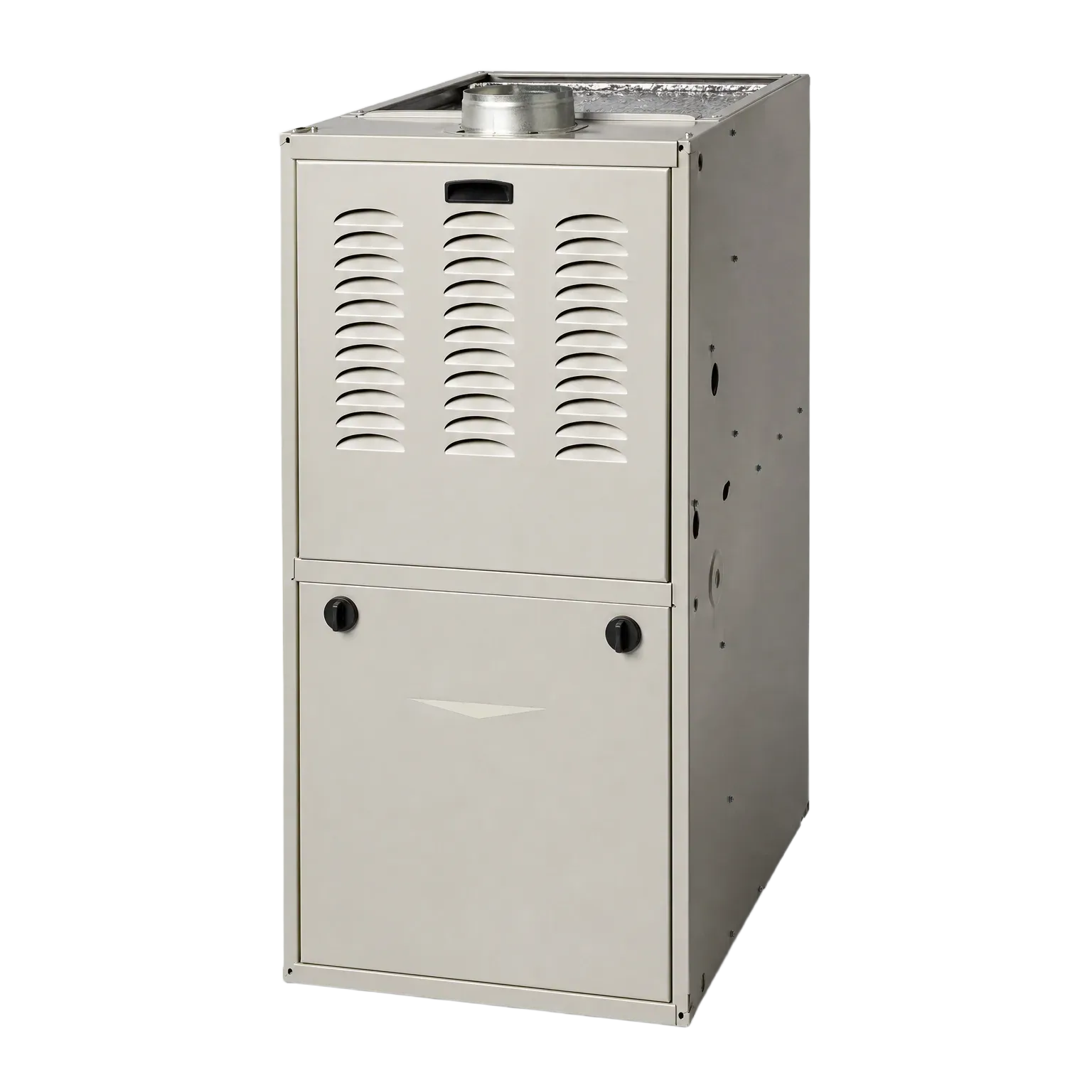
A beige metal furnace with a louvered front panel stands on a concrete floor against a concrete wall, connected to galvanized sheet-metal ductwork and a metal pipe.
Before you get your furnace repair
A gray high-efficiency furnace stands on a concrete basement floor beside sheet-metal ductwork, with white PVC vent pipes and a black flexible line running up to exposed wood floor joists, next to a wood-framed post against a concrete wall.
After you get your furnace repair
A gray high-efficiency furnace in a basement with PVC vent pipes, sheet-metal ductwork, copper and insulated pipes, a water heater at left, and an unfinished wood-stud wall at right.

Clean burn, steady draft

The flue pipe runs straight up and the ductwork carries warm air without a fight. A furnace in this shape fires once, stays lit, and the blower keeps running until the thermostat is satisfied. No repeated restarts to watch for.

An older beige furnace with louvered front panels stands on a concrete basement floor beside galvanized ductwork, metal and plastic pipes, exposed wood framing, and a cylindrical water heater at right.

Older unit, more to check

Galvanized ductwork and an aging cabinet don't cause short cycling by themselves, but years of use give the flame sensor, the filter, and the flue more chances to foul. This is the furnace worth a closer look before another cold night.

Winter nights average 38°F

Nights here settle into the high 30s all winter, so your furnace isn't just cycling on for an hour at bedtime, it's working most of the night to hold the house steady. A furnace that shuts off early leaves those long cold hours with nothing running at all.

NOAA nClimDiv 1991-2020

Where this leaves you

  • A furnace that shuts off early is telling you something specific: a blocked sensor, a starved flow of air, or a flue that isn't drawing right.
  • Resetting it buys you a night or two, not a fix, and the shutdowns tend to come back colder and more often.
  • Finding what's actually tripping the switch takes someone who opens the cabinet and checks the flame sensor, the filter, and the flue against each other.
  • A tech who works on furnaces around Oxnard every winter has seen which part usually fails first in homes like yours.
  • One licensed local contractor takes the call, so you're not fielding quotes from three different companies for the same job.
  • Once the real cause is found and cleared, the furnace fires once and stays lit through the cold stretch of the night.

A furnace that keeps shutting off is reacting to something specific, not failing at random. The flame sensor, the filter, and the flue each tell a different story, and the shutdowns won't stop until someone checks all three and finds which one is actually tripping the safety switch. Resetting it yourself gets you through tonight. It doesn't get you through the stretch of cold nights still ahead, and the pattern tends to return sooner and more often once it starts.

This is where having the right person matter more than having a fast one. Someone who works on furnaces around Oxnard every winter has already seen which part tends to go first in homes like yours, and knows what a coated flame sensor looks like versus a flue that isn't drawing the way it should. That's not guesswork done over the phone. It's a cabinet opened, a sensor checked, a filter pulled, and an answer you can see for yourself.

You're also only dealing with one contractor here, licensed and local, not three different companies calling back at once with three different quotes to sort through. That's one less thing to manage on top of a furnace that isn't working right.

Once the actual cause gets cleared, the furnace goes back to doing what it's supposed to: fire once, stay lit, and keep running until the house is actually warm. No more listening for the next restart.

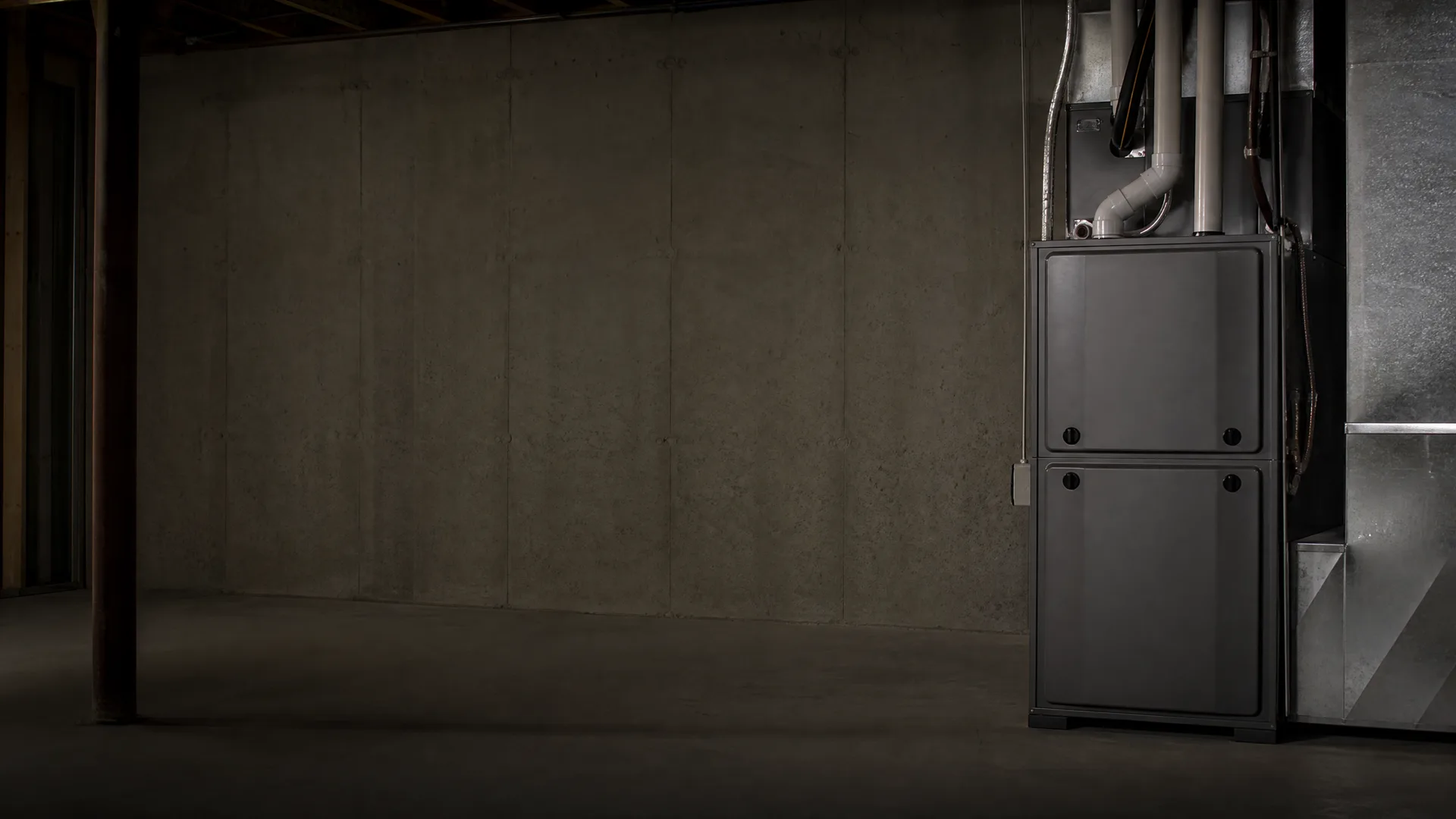
A dark basement with a bare concrete wall, a metal support column at left, and a gray high-efficiency furnace at right connected to PVC pipes and sheet-metal ductwork.

Skip calling around

A licensed pro who works in Ventura County gets your request.

RepairFurnace or heatingVentura County, CA
Step 1 of 2

What ZIP code is the job in?