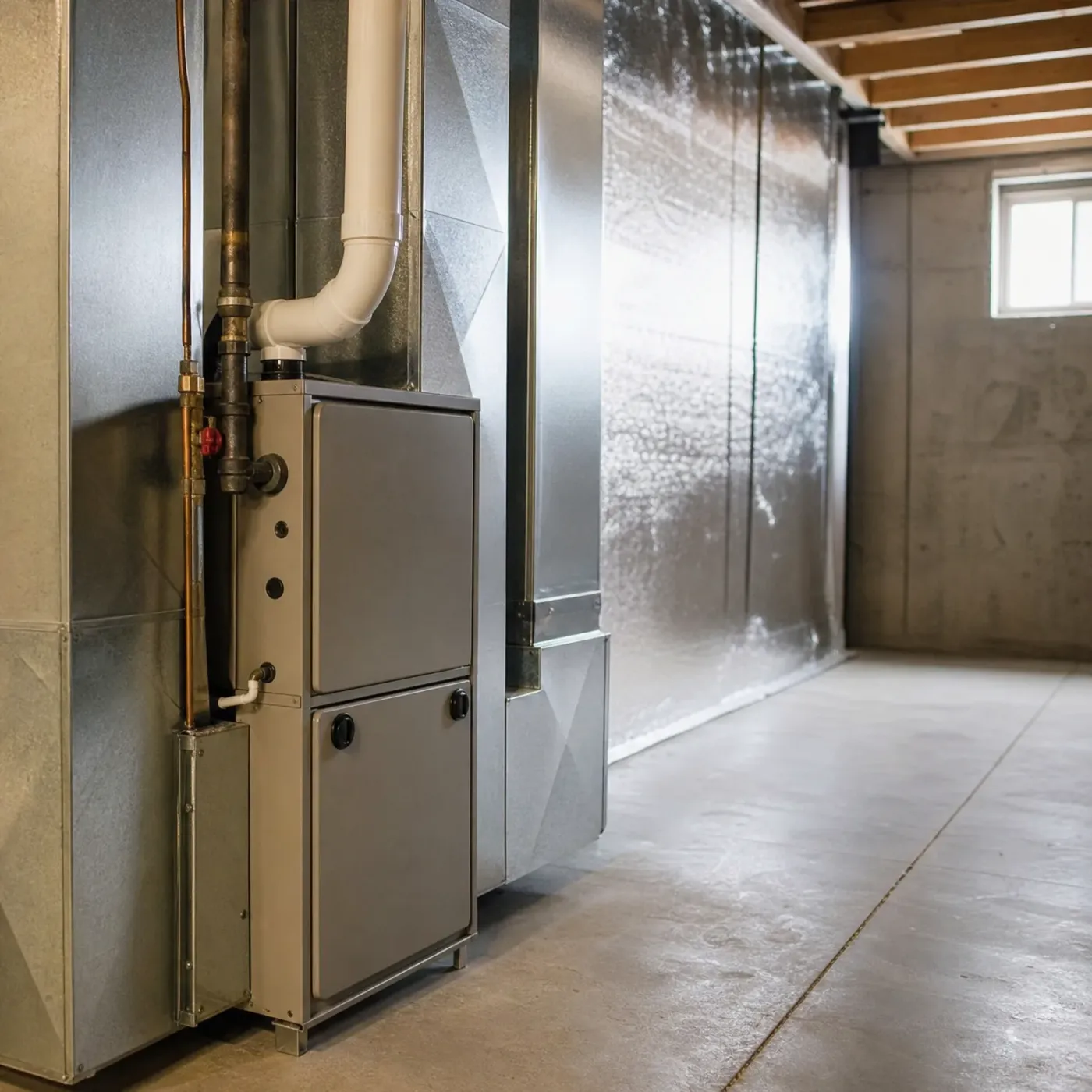
With a tune-up
A technician has already checked the burners, the flame sensor, and the heat exchanger. If something was wearing out, it got caught before the cold snap, not during it.

A furnace tune-up before winter means a technician checks the parts that cause no-heat calls once the weather turns: the igniter or pilot assembly, the flame sensor, the burners, and the heat exchanger for cracks that could leak carbon monoxide into the house. They test the thermostat, check gas pressure, and clean the blower so air moves through the ducts the way it should. Most California homes don't run the furnace hard or for long, maybe a handful of cold weeks, which is exactly why problems hide until the first real cold snap forces the system on. A furnace that sat idle since last winter can have a dead igniter or a sensor that needs cleaning, and you won't know until it fails to light. Catching that in October, before you need the heat, means you're not without it on the night you do.




A lot of this comes down to combustion and airflow working together the way they're supposed to. The burners need a clean, even flame, so a technician pulls them to check the pattern and clear any buildup around the orifice. Past that, the flame sensor is the part most likely to cause a short-cycling furnace, so it gets cleaned and checked with a multimeter rather than just wiped down. Before any of that burns, the inducer motor has to clear the exhaust, and a crack in its housing changes how the whole system draws air. Gas pressure gets measured at the manifold, since too much or too little changes how the burners perform. The limit switch gets tested too, since that's what shuts the furnace down if the heat exchanger overheats. Connections at the control board get checked and tightened, since a loose one there is enough to stop a cycle on a cold night in Bakersfield or Fresno.


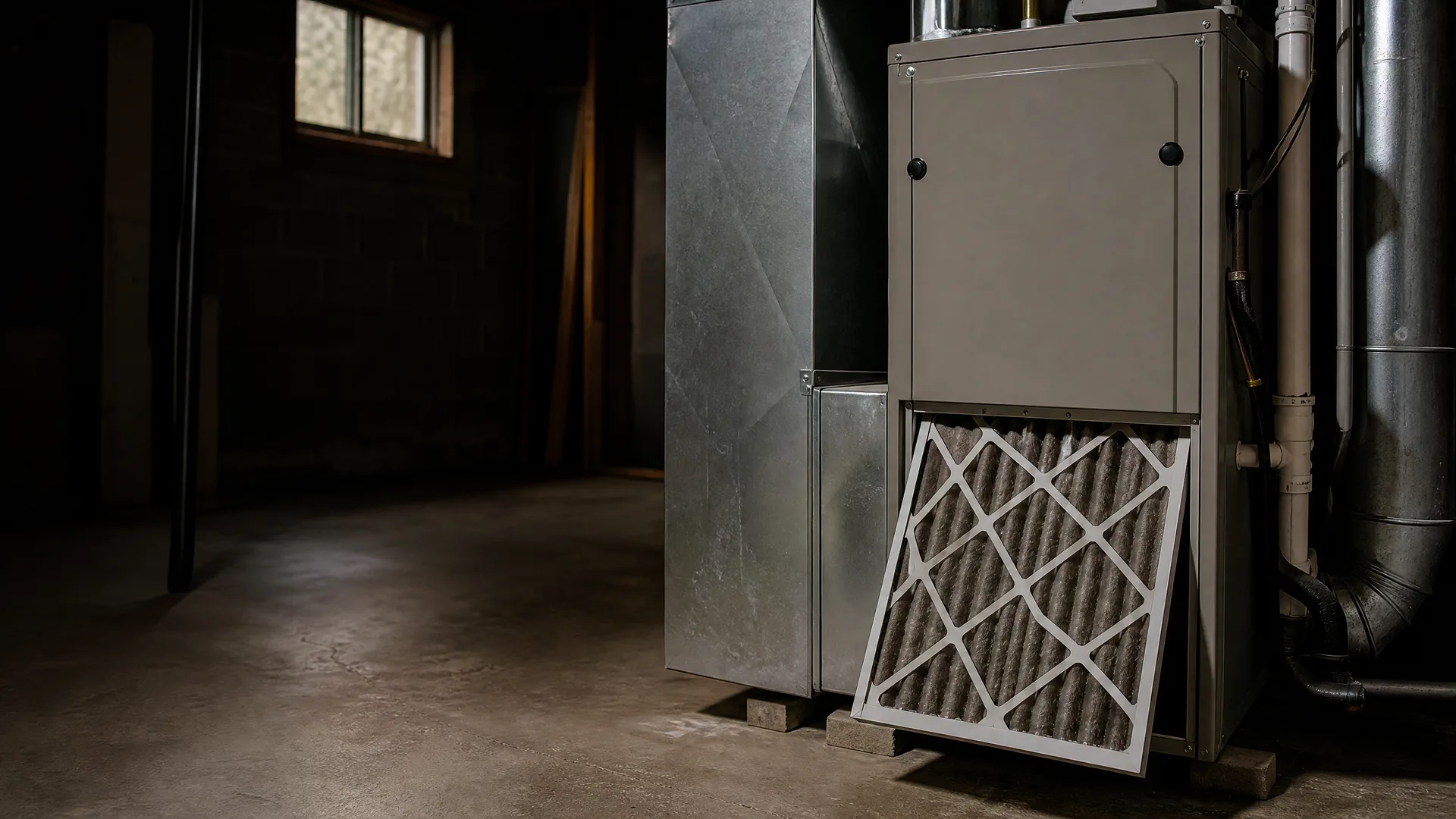
You're down in the basement on a Saturday afternoon in October, the light through the small window already going thin. You've pulled the filter to check it before the cold sets in, and it's grey, matted with a season's worth of dust, heavier in your hand than you expected. The furnace sits there quiet, waiting on you. You think about calling someone, then about the last time you needed a repair and ended up on the phone with three different companies, repeating the same thing to each one, waiting on quotes that took days to come back. You slide the filter back in partway and stand there a minute, listening to the house, wondering if this is the year something finally gives out on the first cold night.
Finding someone to look at a furnace before winter usually means a string of calls: searching for a company, waiting on hold, explaining the model and the noise it's been making, then doing it again with the next name on the list so you can compare what each one quotes. Then you're left guessing which one actually knows gas furnaces instead of just scheduling the visit. A request here goes to one local contractor, someone who works on furnaces like yours every fall, who's seen what an igniter or a flame sensor looks like right before it fails and what a cracked heat exchanger sounds like. You explain it once. With power costs what they are here, a furnace that short-cycles or won't fire on the first try costs you more than the visit would, and California winters don't wait for you to get around to it. The part of this that's work, the searching and the explaining, is what you hand off.
A heat exchanger with a crack in it can still push warm air through the ducts, so the furnace seems to be working fine while it's doing it.
That's why the check matters more than the feel of the air coming out of the vents. A camera or pressure test catches what your hand on the register never will.


A technician has already checked the burners, the flame sensor, and the heat exchanger. If something was wearing out, it got caught before the cold snap, not during it.
The furnace runs until it doesn't. You find out something's wrong when the house is cold and a technician has to diagnose it from scratch.

Gas heats most houses in California, and power here already costs more than almost anywhere else, so the furnace is doing work you'd rather not pay twice for. A furnace that's losing efficiency doesn't announce it. The burners foul a little, the flame sensor weakens, and the unit just runs longer to put out the same heat. You notice it on the bill before you notice it anywhere else.
The part that actually worries you is the morning it doesn't come on at all, on the one cold stretch you get. Finding someone for that on short notice means calling around, explaining the make and the noise it's making, then doing the same thing with the next company so you have something to compare. A local contractor who services this equipment every fall already knows what tends to fail on a furnace that's sat idle since spring, and checks it before that morning arrives.

40°F doesn't sound hard on a furnace, but that's the overnight average across California, and your place may run colder once the sun's down. A furnace that starts clean on the first call matters more on those nights than on the mild ones in between.
NOAA nClimDiv 1991-2020 county normals weighted by homes
A tune-up before winter comes down to a short list of parts that decide whether your furnace starts clean or fails on you: the igniter, the flame sensor, the burners, the heat exchanger. None of them announce trouble early. A heat exchanger can crack and still push warm air through the ducts for weeks before anyone notices, which is the whole reason the check matters more than how the air feels coming out of the vents.
Finding someone to do this work is usually its own chore, calling around, explaining the furnace and its noise to one company after another, then sorting through what each one quotes you. That part goes away here. One request goes to one contractor, licensed and local, someone who's in houses like yours all winter and already knows that a certain furnace tends to lose its flame sensor first, or that a certain model's burners clog the same way every few years. You're not fielding calls from five companies trying to win the job. You explain the furnace once, to the person who shows up.
Gas heats most homes in California, and power here isn't cheap, so a furnace that's been checked is worth more than the peace of mind alone. It starts on the first call for heat. It runs quiet through the night. The alternative is finding out what's wrong on the cold morning you needed it most.