









Furnace smells like burning in San Mateo, CA

Get matched with a pro who works on furnaces in San Mateo County.

Get a local pro

A burning smell from your furnace usually means dust burning off the heat exchanger or burners, which happens the first few times you run the system after it has sat idle. If San Mateo has just turned cold enough for you to switch the heat on, give it twenty minutes or so. The dust burns off and the smell should fade on its own. If it doesn't fade, or if the smell is sharper, like hot plastic or metal rather than dust, that points to something else: a motor running hot, wiring under strain, or a part rubbing where it shouldn't. A smell that lingers past that first run, comes back every time the furnace cycles, or carries a sour or electrical edge is worth having looked at. Shut the furnace off if you see smoke or the smell is strong. Most homes in San Mateo County heat with gas, and a gas furnace with a damaged part can be a safety issue, not just a repair one.

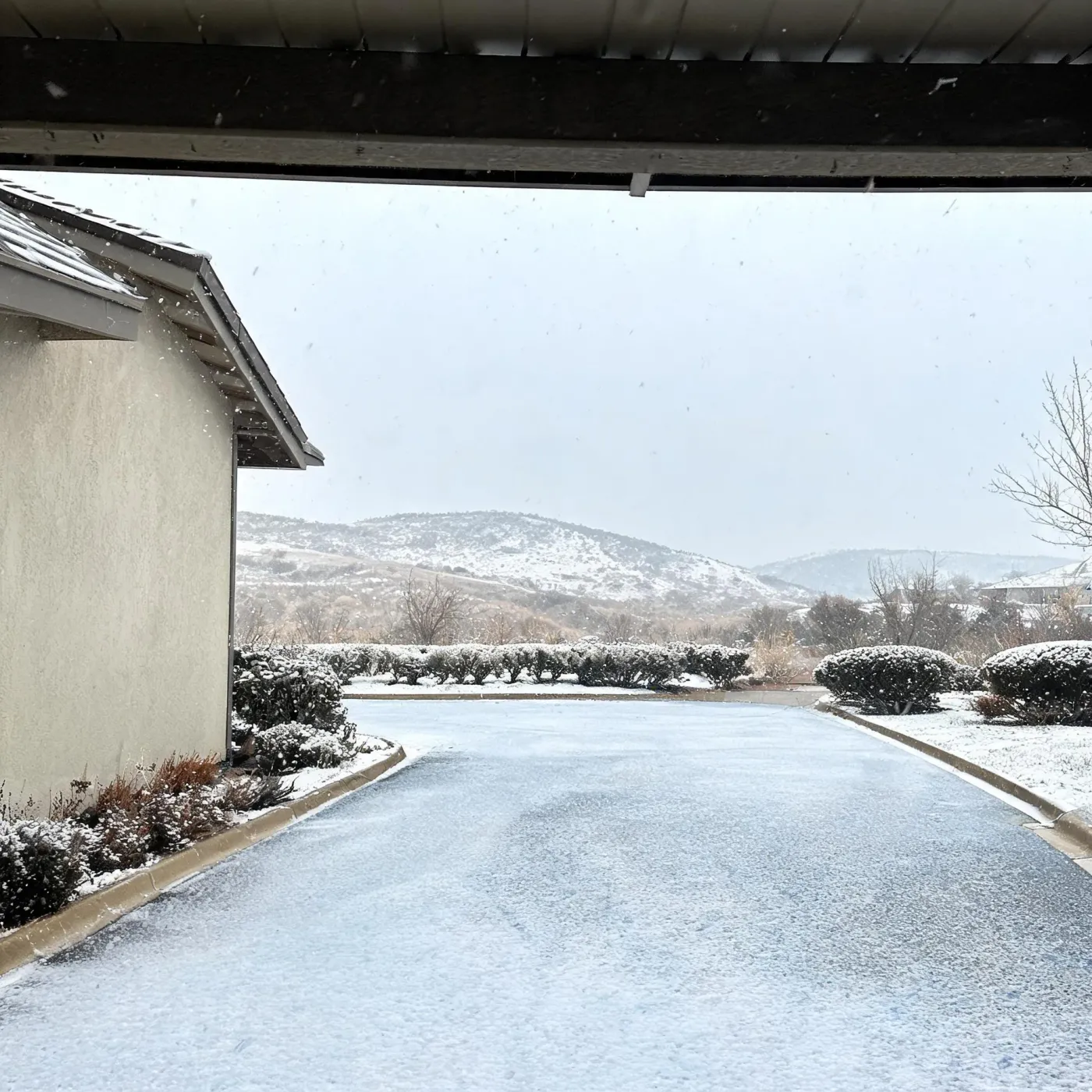
View from under a covered walkway of a snow-dusted driveway lined with trimmed shrubs, a stucco building with a tiled roof at left, and low hills under an overcast sky.

Overnight lows here average 43°F through December, January and February, per NOAA climate data for San Mateo County. That's cold enough that your furnace is kicking on through the night, not just running a cycle here and there. If it sat unused since last winter, that steady overnight run is when burning dust works its way off the burners and heat exchanger, and it's often when you first catch the smell. A furnace that only clicks on now and then may not get hot enough, long enough, to burn it all off in one go, so the smell can show up again on the next cold night.

NOAA nClimDiv 1991-2020

Burning Off Dust or a Real Problem

Dust burning off

  • The smell shows up the first day you run the furnace for the season and fades within twenty to thirty minutes.
  • It smells like dust burning, not plastic or gas, and there's no smoke you can see.
  • It doesn't come back once you've run the furnace a few cycles.
  • Turning the furnace off and back on doesn't change how strong the smell is.
  • Nothing around the furnace looks scorched or discolored.

Something wrong

  • The smell is still there after the furnace has run for an hour or more.
  • It smells like burning plastic, rubber, or metal rather than dust.
  • You smell gas or something like rotten eggs along with the burning smell.
  • The furnace is making new noises, like rattling, screeching, or a loud bang on startup.
  • You see soot, scorch marks, or smoke around the furnace cabinet or vents.
  • The smell gets stronger over time instead of weaker.
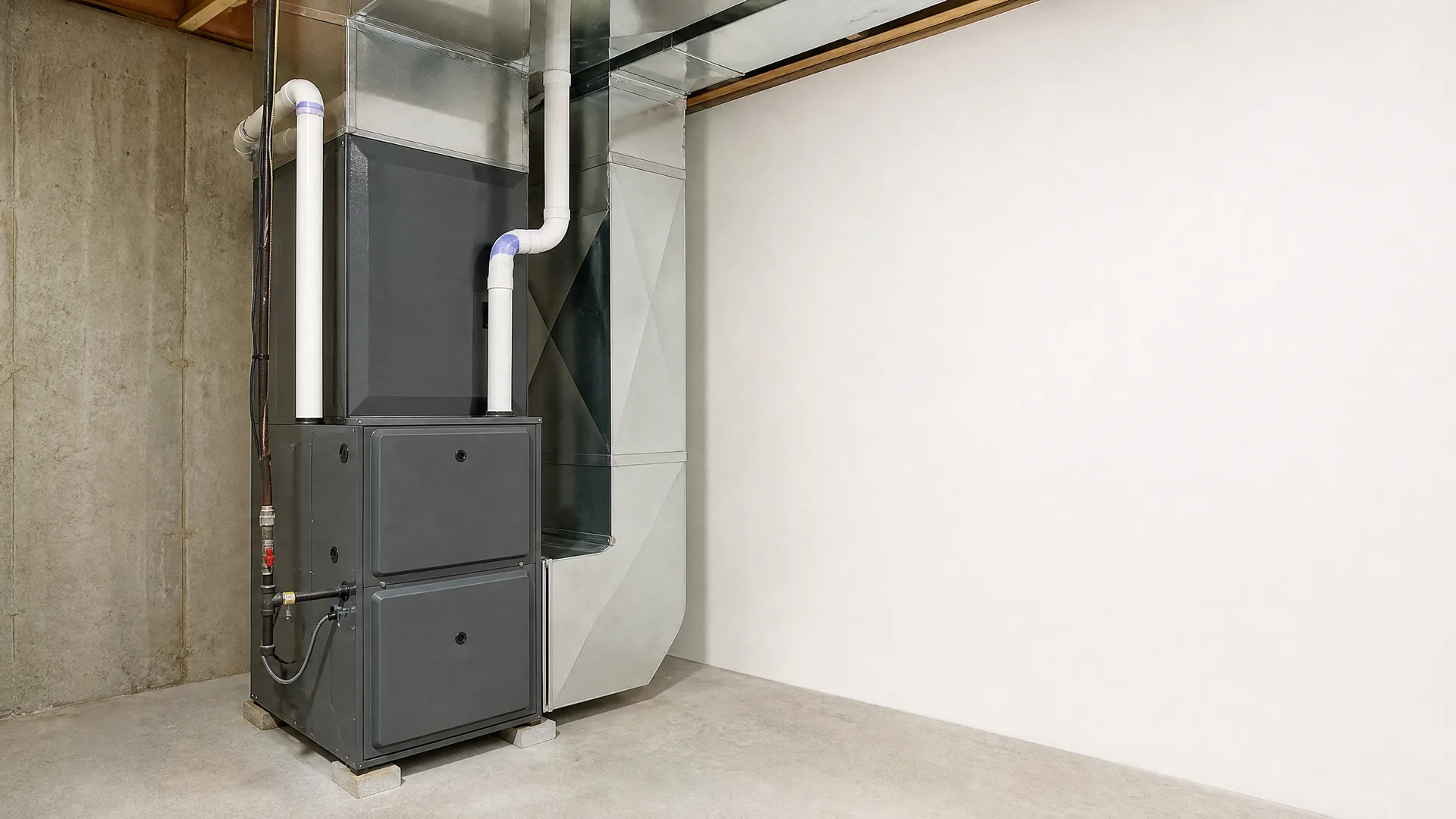
A dark gray high-efficiency furnace with white PVC vent pipes stands against a concrete basement wall, connected to sheet-metal ductwork running along the ceiling joists.

What the burners actually do

A gas furnace lights a row of burners inside a sealed heat exchanger. That metal chamber heats up fast, and anything sitting on it, dust, lint, a bit of pet hair, burns off as soon as the metal gets hot enough. The smell rides the air moving across the exchanger and out through your vents. Once that surface is clean, there's nothing left to burn, which is why the smell doesn't return the second or third time you run the system that week.

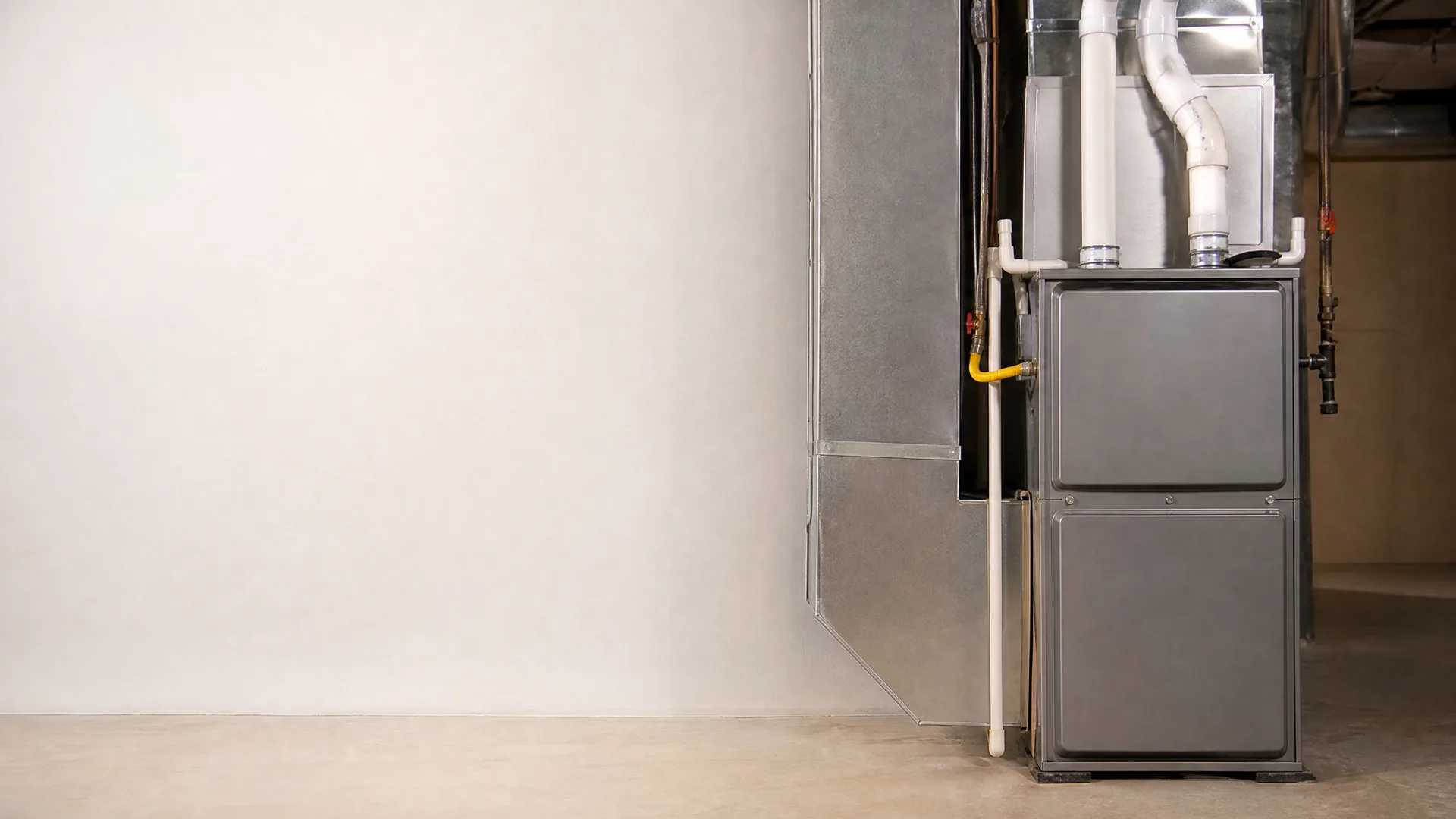
A gray high-efficiency furnace with white PVC vent pipes, a yellow gas line and metal ductwork stands against a plain light wall in a basement with a concrete floor.

Why the smell fades on its own

The dust layer that builds up over the spring and summer is thin. It takes only a few minutes of heat to burn off completely, which is why the smell is strongest when the burners first fire and weaker with each minute after. If you still smell it after your furnace has run for thirty minutes, or if it returns on the second or third day you use the heat, that's not a dust layer anymore. That points to something inside the system that needs a technician to look at.

How long will my furnace be running this smell off?

  • Winter nights average 43°F

    Winter nights average 43°F here, so once you switch the furnace on, it's not cycling once and shutting off. It's running enough hours that burned-off dust has time to clear out of the air.

  • Heat runs November through May

    Heat runs November through May in San Mateo County. That's seven months where the furnace sits idle part of the year and collects dust, then gets fired back up.

  • 62.8% of homes heat with gas

    62.8% of homes in San Mateo County heat with gas, same as yours likely does. A burning smell from a gas furnace's burners is a different thing than one from an electric furnace's coils.

NOAA nClimDiv 1991-2020 · ACS 2020-2024

What a cracked heat exchanger means for your house

A heat exchanger that's actually cracked, not just dusty, lets combustion fumes mix into the air your furnace pushes through your vents. That's the furnace smell that doesn't fade after twenty minutes and comes back every time the burners fire. In a house where someone's home most of the day, that air moves through every room on the thermostat's schedule, not just the one near the furnace closet. A contractor can check this with a combustion analyzer and tell you whether the furnace needs to stay off until it's fixed.

What a stuck blower or dirty burner costs you

If the smell comes from a dirty burner or a blower motor straining on old bearings, nothing in your house is at risk the way it is with a cracked exchanger, but the furnace is working harder than it should to keep the house at 68 or 70 through a 43-degree night. That shows up on your power bill over December, January and February, more than it would somewhere the nights don't get as cold. Left alone, a dirty burner can also mean weaker heat in the rooms farthest from the furnace, the ones that already run colder.

A smiling older woman with gray shoulder-length hair in a cream cable-knit turtleneck sweater stands behind a wooden board holding a round loaf of bread, in a warmly lit kitchen with a dark window and shelves behind her.
A woman with her hair in a bun sits wrapped in a beige knitted blanket on a couch, holding a sleeping child against her chest in a warmly lit room with a lamp and houseplant in the background.
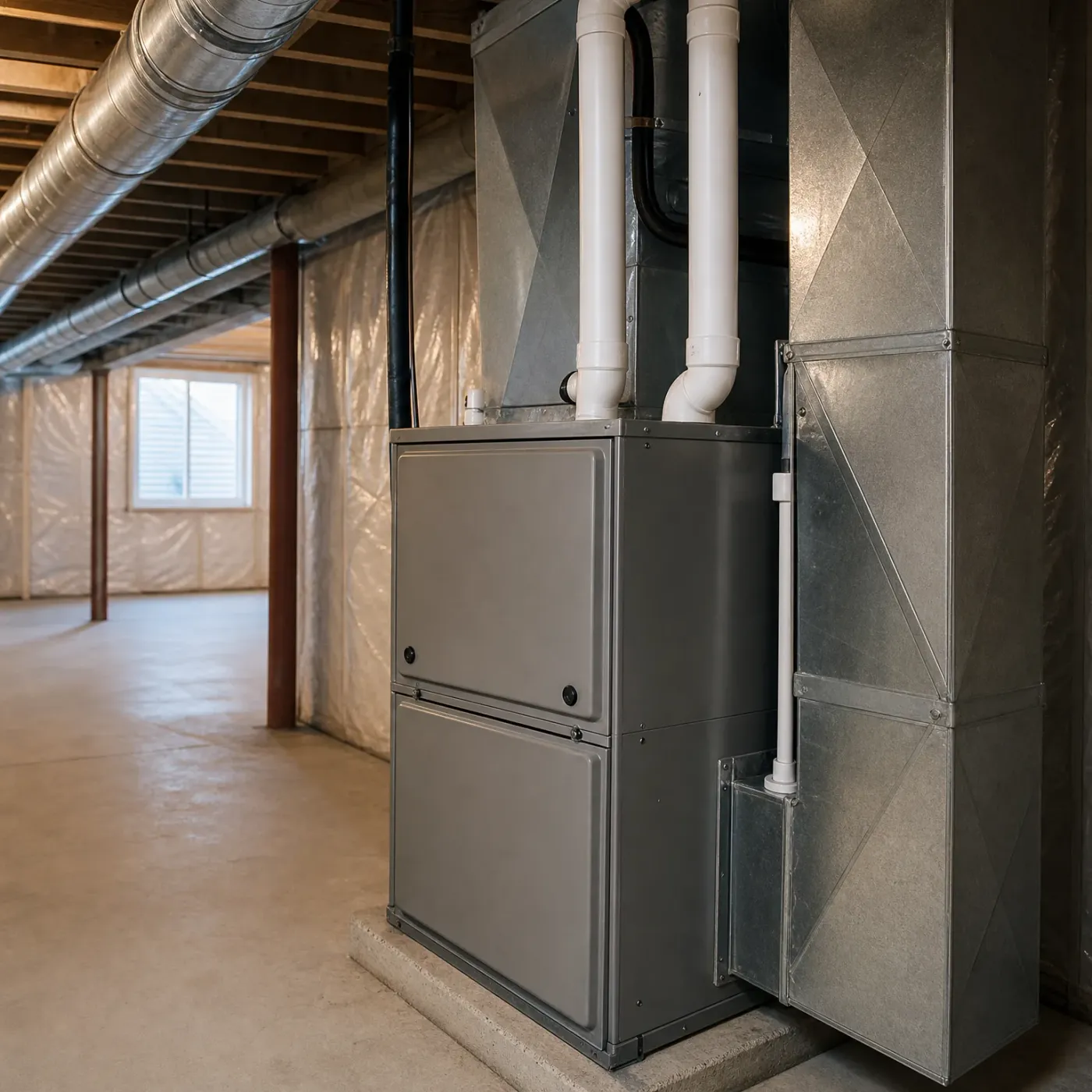
A gray high-efficiency furnace on a concrete pad in an unfinished basement, with white PVC vent pipes, galvanized sheet-metal ductwork, insulated walls and a small window in the background.

Get matched with a furnace pro in San Mateo County

Explain the furnace problem once instead of to every shop in San Mateo County.

A San Mateo County pro who repairs furnaces gets your request.

Match me with a pro

Asking costs nothing, and the choice to hire stays yours.

A beige high-efficiency furnace stands on a concrete basement floor beside sheet-metal ductwork, with white PVC vent pipes and a gas line running along an insulated wood-framed wall.
Dust burning off clears within half an hour and leaves the furnace running the way it has every winter before.
An older metal furnace with a louvered front panel stands against a concrete basement wall, connected to sheet-metal ductwork and a flue pipe, with copper and steel pipes running alongside.
A smell that holds steady past thirty minutes, or sharpens into something like formaldehyde, points to the heat exchanger itself.

Your furnace pulls in air to burn gas and pushes heated air through the ducts using the same blower no matter what's sitting on the heat exchanger. The burners fire in a row underneath that chamber, so dust tends to coat the whole thing rather than one corner, which is why the smell is even and not stronger from one vent than another. A flame sensor keeps the gas valve open only while it reads a flame, so it isn't what's behind a startup smell. A separate limit switch will cut the burners if the heat exchanger runs hotter than it should, but that's about heat, not odor. After the burners shut off, the blower keeps running a few minutes to clear the last of the warm air out of the ducts, which is why you can still smell something after the burners have gone quiet. All of this happens on a sound heat exchanger. A cracked one lets combustion byproducts ride along the same air the blower is already moving past both sides of that metal wall, straight into your ducts.

How the furnace actually runs

  • A furnace draws combustion air and pushes heated air through the same blower regardless of what's burning on the heat exchanger.
  • The limit switch shuts the burners off if the heat exchanger gets hotter than it should, which is a separate problem from a smell.
  • Gas burners sit under the heat exchanger and fire in a row, so dust tends to collect across the whole chamber rather than one spot.
  • A flame sensor keeps the gas valve open only while it detects a flame, so a dust-related smell on startup isn't a sign the sensor is failing.
  • The blower motor runs after the burners shut off to push the last of the heated air out of the ducts, which is why a smell can carry a few minutes past when the burners stop.
  • A cracked heat exchanger lets combustion byproducts reach the air stream because the blower pulls air across both sides of that metal wall.
A woman with wavy blonde hair wearing a grey knit cardigan over a green top sits on a sofa in a living room, looking off to the side.
A woman with long brown hair in a cream knit sweater sits on a light sofa in a living room, looking toward a window with sunlight on her face.
A woman in a gray sweater sits in a chair in a living room with a dark sofa, wooden coffee table with a potted plant, and a staircase behind her, looking toward a window.
A smiling woman with dark hair in an updo, wearing a gray ribbed turtleneck sweater, sits on a light sofa in a living room and looks off to the side.
A gray high-efficiency furnace with white PVC vent pipes stands on a concrete pad in a basement, beside sheet-metal ductwork, copper piping and a poured concrete wall with wood framing at left.

Running clean

This is what a furnace looks like once the dust has burned off. The heat exchanger is doing its job, the ductwork overhead is carrying warm air to your rooms, and the gas line feeding the burners is steady. Nothing here needs attention.


A beige gas furnace in a basement with a metal flue pipe, galvanized sheet-metal ductwork to its left, and gas and water pipes along the concrete wall to its right.

Something's off

An older unit like this one has had more years for a crack to open in the heat exchanger or for a connection near those shutoff valves to loosen. If the smell from your furnace isn't fading, this is the kind of unit where it's worth having someone look before you run it again.

Why does my furnace smell like burning plastic instead of dust?

A burning plastic smell is sharper than a dust smell, and it doesn't fade the way the first-run dust smell does. If you're catching a plastic or chemical edge to it rather than something closer to a burning dust bunny, that's a different problem than warming up for the first time this winter, and it's worth knowing what's actually making that smell inside the unit.

It usually means a part is overheating, not dust

A plastic smell points to something inside the furnace itself getting hotter than it should, often a plastic housing, a wire's insulation, or a component near the blower motor. Dust smells like dust burning; this smells like melting plastic because something actually is. It won't fade in twenty minutes the way the dust smell does, because the part causing it stays hot as long as the furnace runs. Shutting the furnace off at the thermostat, or at the switch near the unit if you can reach it safely, stops it from running while whatever's overheating stays hot. A furnace that's run fine all the previous winters can still develop this kind of problem, since parts inside it age and shift independent of how often you use the house's heat.

  1. Burners ignite inside the sealed heat exchanger first.

  2. Metal heats up fast and burns off dust sitting on it.

  3. Burned-off dust rides the air the blower pushes through your vents.

  4. Smell clears from the house within twenty to thirty minutes.

A woman stands in the open black front door of a white-sided house with a dark shingled roof while a man in a navy jacket approaches along the walkway, with lantern wall lights, a potted shrub, and flowering garden beds nearby.

Where that leaves you

If the smell showed up on the first cold night and faded inside half an hour, your furnace did what it was supposed to do. Dust burns off, the air clears, and you run the system the rest of the winter without thinking about it again. Nothing about that calls for a repair.

If it's still there past thirty minutes, got sharper instead of fading, or came with a headache or a smell like formaldehyde, that's not the furnace clearing itself out. That's worth having someone look at before the next cold night, not after. A contractor who works on furnaces in San Mateo County can tell you which one you're dealing with and what, if anything, needs fixing, so you're not the one guessing at it or calling around to find someone who can come take a look.

A gray upholstered sofa with a beige cushion and knit blanket beside a curtained window, with a white mug and a book on a dark wooden table in the foreground and a lit lamp in the background.
A gray high-efficiency furnace with two access panels stands on a concrete basement floor, connected to sheet-metal ductwork and white PVC vent pipes, with wood framing and a gas line nearby.

Find a furnace repair pro in San Mateo County

RepairFurnace or heatingSan Mateo County, CA
Step 1 of 2

What ZIP code is the job in?


