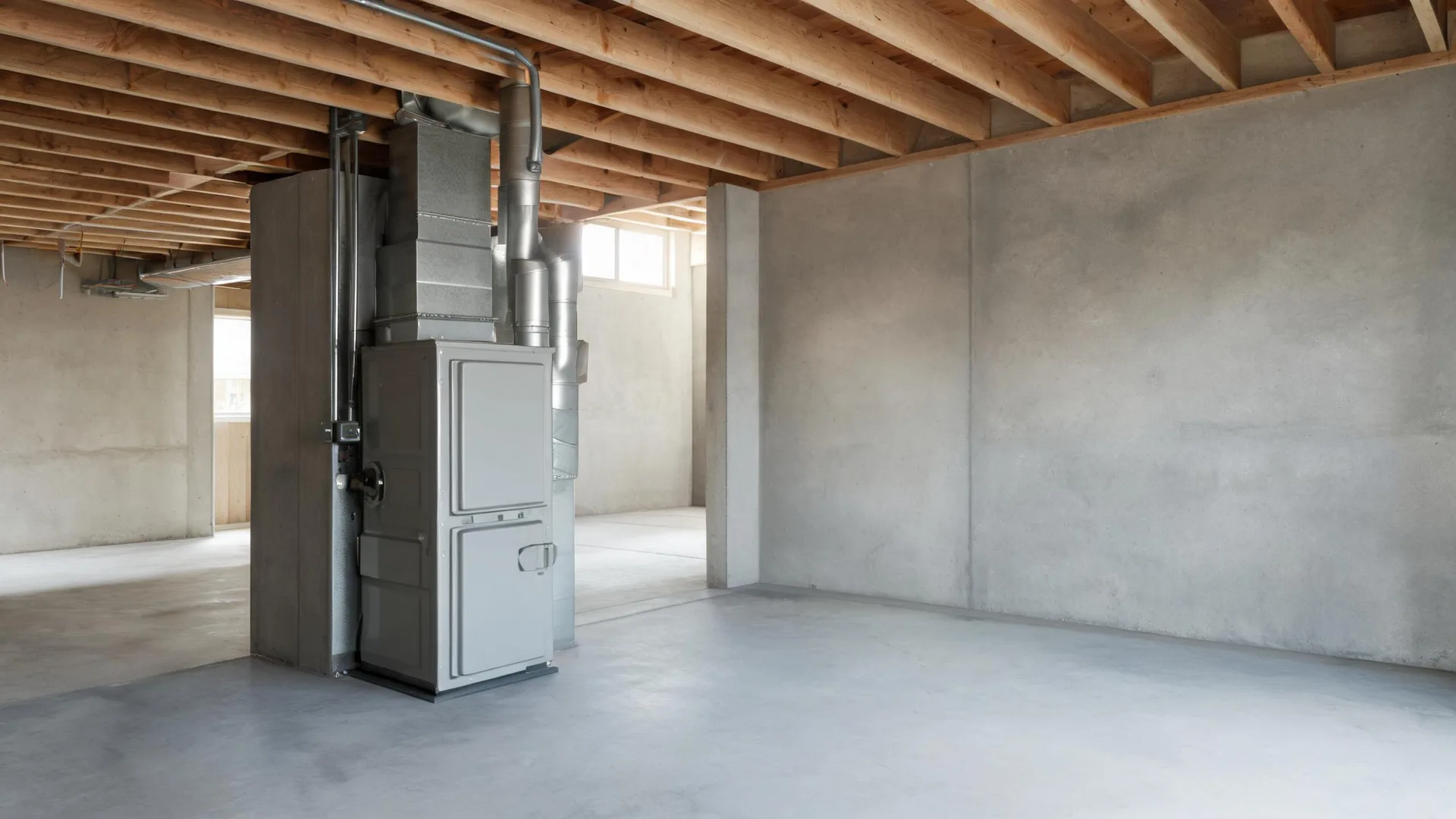
Most furnaces here run on gas
Gas heats 62.6% of homes in Los Angeles County. A gas furnace is the common setup here, with electricity a distant second at 29.3%.
Takes about a minute. No obligation.
Gas heats 62.6% of homes in Los Angeles County. A gas furnace is the common setup here, with electricity a distant second at 29.3%.
If your home already has a gas line and venting for a furnace, putting in another gas furnace means a contractor can use what is already there instead of adding new fuel lines or wiring.
NOAA nClimDiv, 1991–2020 normals
The AFUE number on the label tells you how much of the gas burned turns into heat in the house.
A higher number costs more up front but leaves less heat going out the flue.



Half the homes in Los Angeles County were built in 1965 or earlier. If your furnace is original to the house or close to it, the ductwork and venting were sized for a different system than what's on the market now. A contractor sizing a new furnace needs to look at the ducts you have, not just match the old unit's output. A furnace too large for the ductwork it's tied into causes uneven heating and extra wear on the equipment. Worth asking whoever quotes the job whether they're doing a load calculation for your house or just swapping in something close to the old nameplate.
Nothing about Los Angeles pushes you toward a bigger unit or a special setup. Size the new furnace to your ductwork and pick an AFUE that matches what you'll actually spend on gas, and that's the job.
Find a contractor
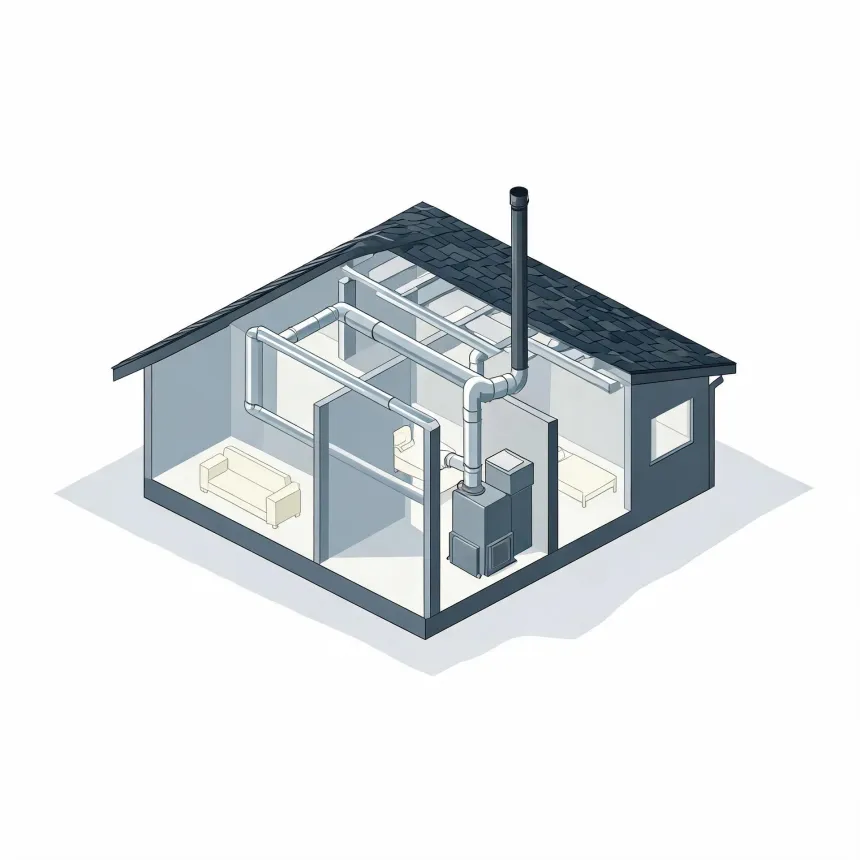
Heat runs November through April here, about six months of the year. The rest of the time a furnace sits idle. That makes October the month to get a new one in, before the first cold night sends everyone with a dead furnace to the same contractors at once. Installing in October also means the system gets its first real test in mild weather instead of during a cold snap, so anything wrong with the install shows up while it's easy to fix.
If the supply and return ducts are undersized for the new furnace's output, a contractor has to add or rework duct runs to get the airflow right. That work costs more than the furnace sitting in the truck. A furnace that matches the existing ducts exactly is a simpler job than one that doesn't.
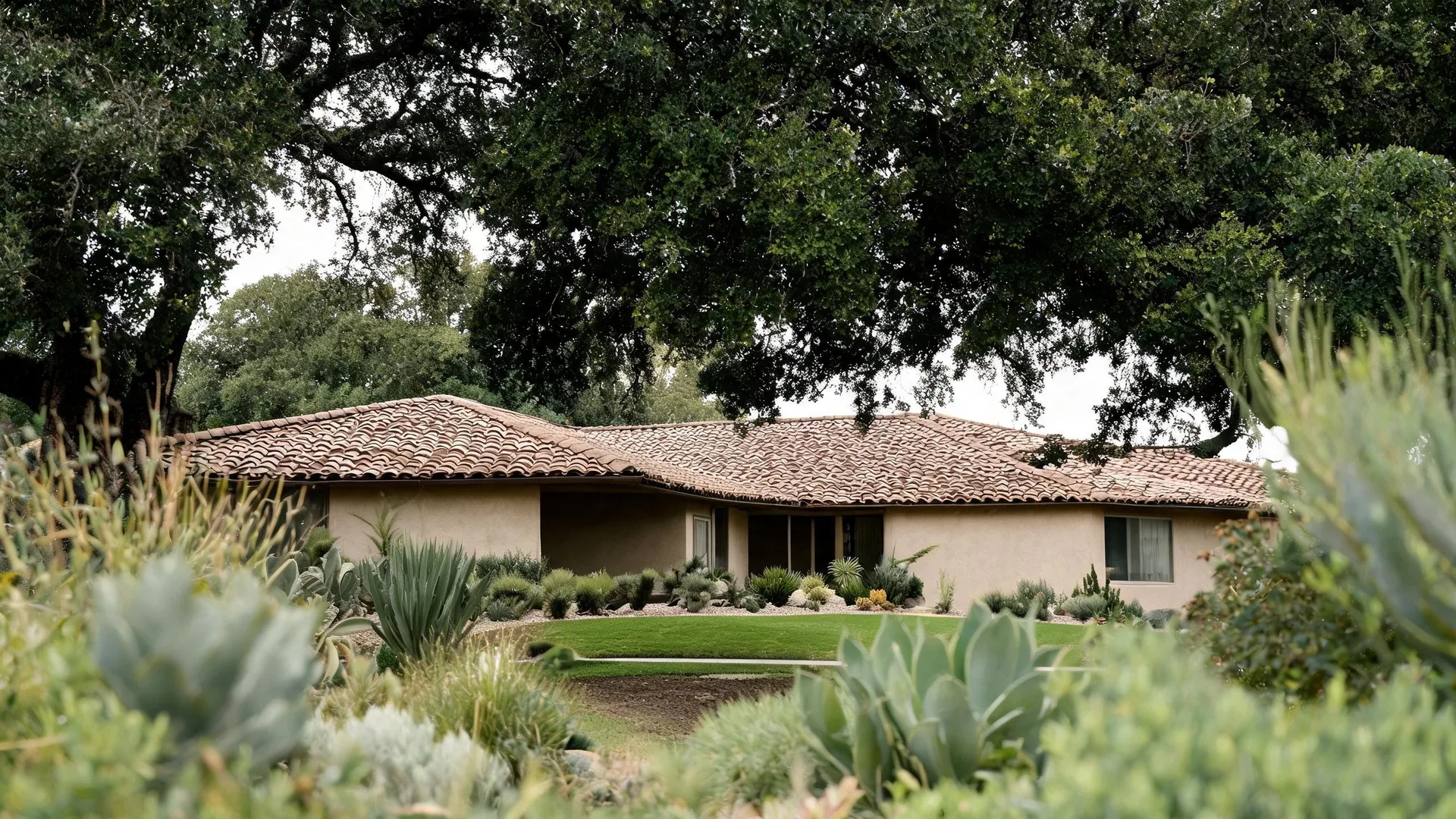
A higher-AFUE furnace often vents through PVC pipe instead of the metal flue an older furnace used. If your house has no PVC venting run to the outside already, a contractor has to add one. That's a different job than reconnecting to venting that's already there, and it's worth asking about before you compare quotes.
Estimates for a typical Los Angeles County home, from EIA household energy data, California fuel prices and NOAA climate normals. Your home will differ.
Install day starts with the old furnace coming out, not the new one going in. A contractor disconnects the gas line, the venting, and the ductwork connections, then pulls the unit out to get a clear look at what it's been tied into. That's when you find out if the duct transitions match what the new furnace needs, and if the venting needs rerouting. Setting the new unit is usually the fastest part. Most of the day goes to connecting the gas line, sealing duct joints, running the venting, and wiring the thermostat and control board correctly. Before the crew leaves, a contractor checks gas pressure, tests the burners, and lets the system run through a full cycle to see that it reaches temperature and shuts off the way it should. A furnace that looks installed but hasn't been cycled and tested isn't finished yet.