
Heat pump vs furnace in Los Angeles County, California

Find an Installer

Pros who work in Los Angeles County

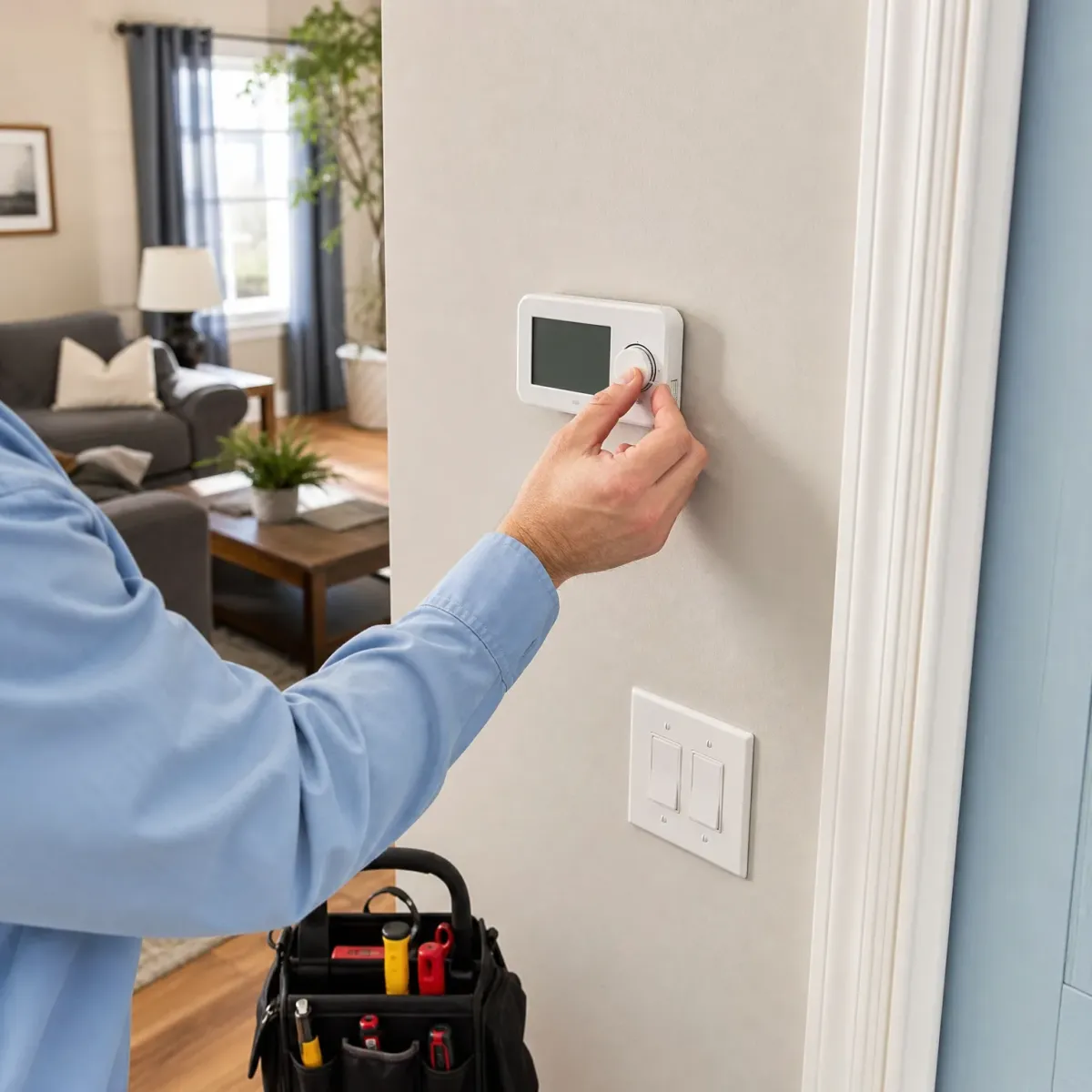
A person in a light blue shirt reaches up to adjust a white wall-mounted thermostat with a dial, with a light switch plate below and a living room with sofa and window in the background, and an open tool bag at lower left.

Tell us about the job

Takes about a minute. No obligation.

New system or replacementLos Angeles County, CA
Step 1 of 3

What kind of equipment?

Which costs less to run in Los Angeles County?

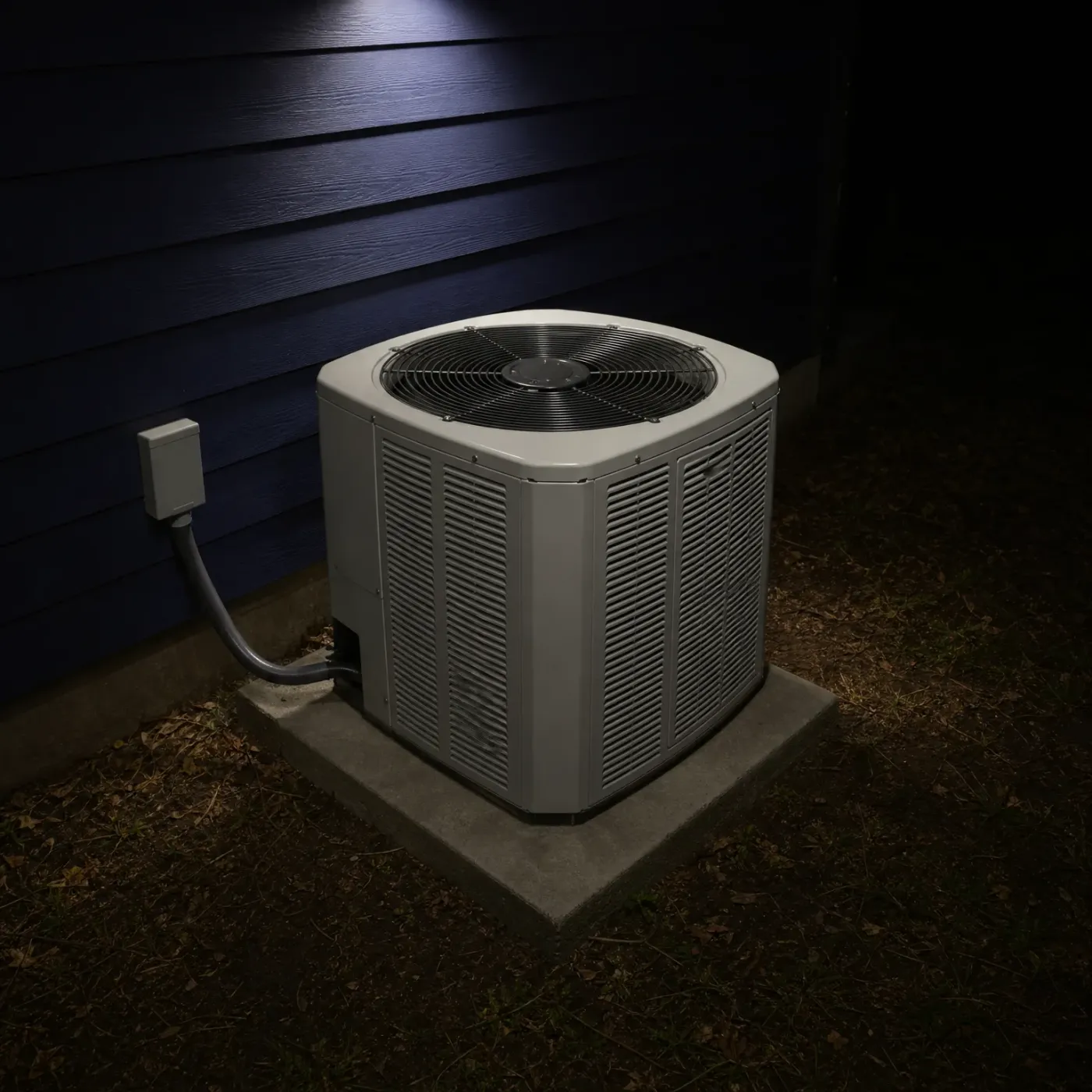
A gray outdoor condenser unit with a top fan grille sits on a concrete pad beside a dark blue horizontal lap-siding wall at night, with conduit running to a small wall-mounted disconnect box.

Heat pump

To heat your home here$4.26per 100,000 Btu

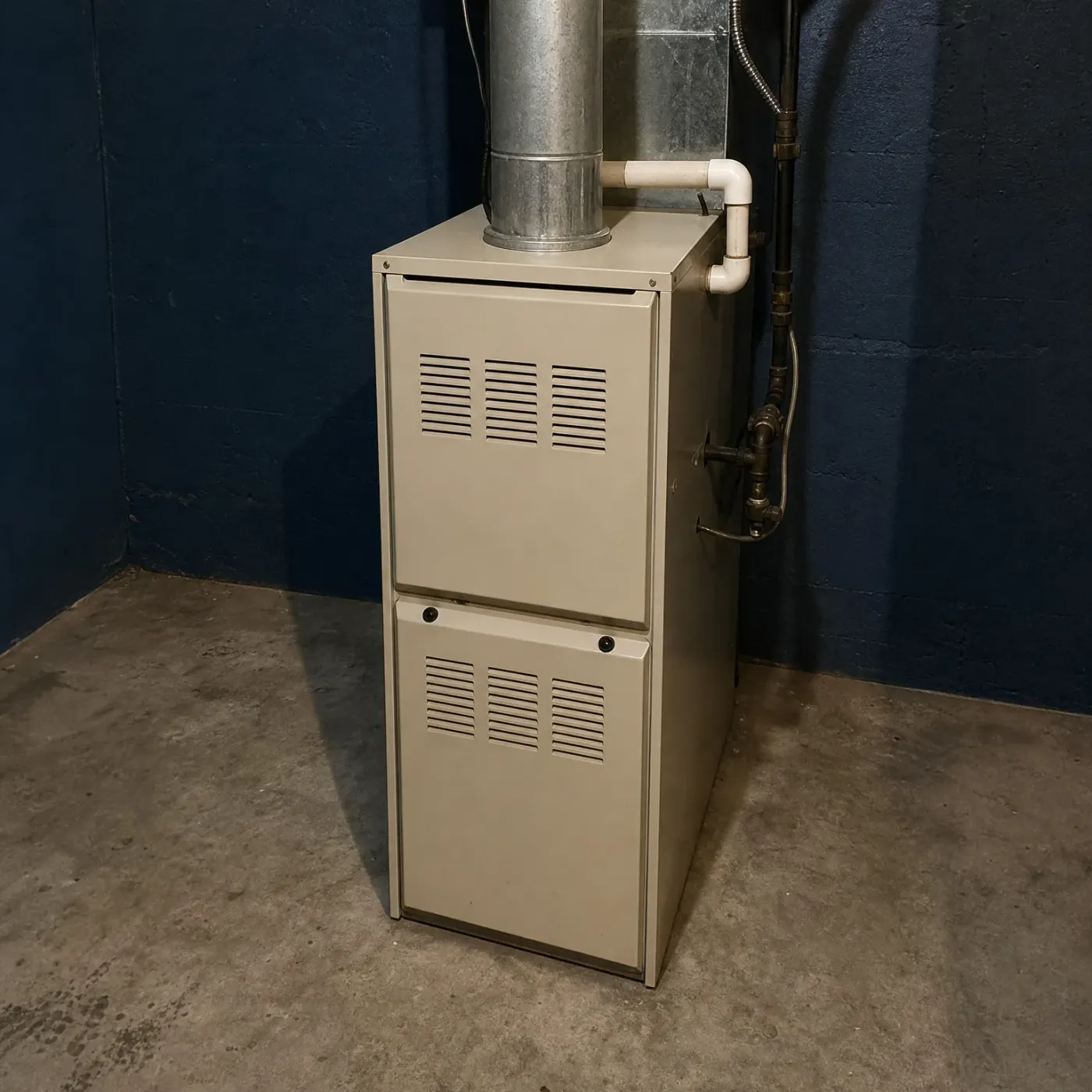
A beige residential furnace with two louvered access panels stands on a concrete floor against a dark blue painted block wall, with a metal flue duct, gas piping, and white PVC pipe above and beside it.

Furnace

To heat your home here$2.31per 100,000 Btu

At California's gas and electricity prices, a gas furnace makes the same heat as a heat pump for at least 45% less.

Btu stands for British thermal unit, the standard measure of heat energy.

Where does a heat pump shine?

  • Made for mild winters

    Your winter nights average 41°F here, not the teens or single digits a heat pump struggles with. That's mild enough for a heat pump to keep up all winter without breaking a sweat.

    Front entry of a blue clapboard house with a light blue door, sidelights, white columns, wooden steps, a paver walkway, evergreen planters, boots on the porch, and frost on the surrounding grass, with a person standing on the porch at left.
  • Heats and cools in one system

    Winter and summer are covered by the same outdoor unit. That's one machine to service instead of two.

    A living room with blue interior shutters framing a window overlooking a green garden, a cream sofa with blue cushions and a blue knitted throw, a wicker trunk, and a wooden coffee table holding a vase of white flowers, a blue mug, and stacked books.
  • No gas line, nothing burning in the house

    A heat pump runs on electricity alone. Nothing burns inside the house.

    A kitchen island with a pale stone countertop holding a black induction cooktop and a stainless steel whistling kettle, with navy blue cabinetry, white subway tile backsplash, a wooden open shelf with ceramics, a potted plant, woven-seat wooden stools, and a loaf of bread on a cutting board.

Where does a furnace shine?

  • Runs on the gas most homes here already use

    Most homes in Los Angeles County already heat with gas, 62.6% of them. If yours is one, a furnace just hooks into the line that's already there.

    A row of brick houses with covered porches and railed front steps along a sidewalk, with patchy snow and dry weeds in the front yards and a person walking away in the distance.
  • Proven, simple, easy to get serviced

    Parts are easy to find and most repairs are routine. Getting one fixed rarely means waiting on a specialist.

    A gloved hand holds a white pleated air filter in front of a furnace and ductwork in a utility area, with a blue door at left and wooden shelving holding a potted plant and basket at right.
  • Pairs with any central AC

    The ductwork that delivers heat in winter delivers cool air in summer once an AC coil is added.

    A metal floor vent set in oak flooring beside a sheer white curtain and a dark blue cabinet, with sunlight casting shadows across the floor.

Winters here barely test a heat pump

Your heat runs about six months a year here, November through April, more months than your AC runs all summer. That alone makes heating the bigger job to get right. The question is whether a heat pump can do that job in a Los Angeles winter, and the answer is yes. The overnight low averages 41 degrees across December, January and February. A heat pump does its best work above freezing, and this county almost never sees freezing. Nights at or below 32 degrees happen on fewer than one night a year.

That matters because a heat pump loses capacity as the air outside gets colder, and the coldest nights are when a furnace's gas flame has the advantage. Here, those nights barely exist. Out of the roughly 180 nights when your heat is running, only about half a night a year drops to freezing or below. A heat pump sized for this county is almost never working against real cold. It is working against 41 degrees, which is well within what it was built to handle.
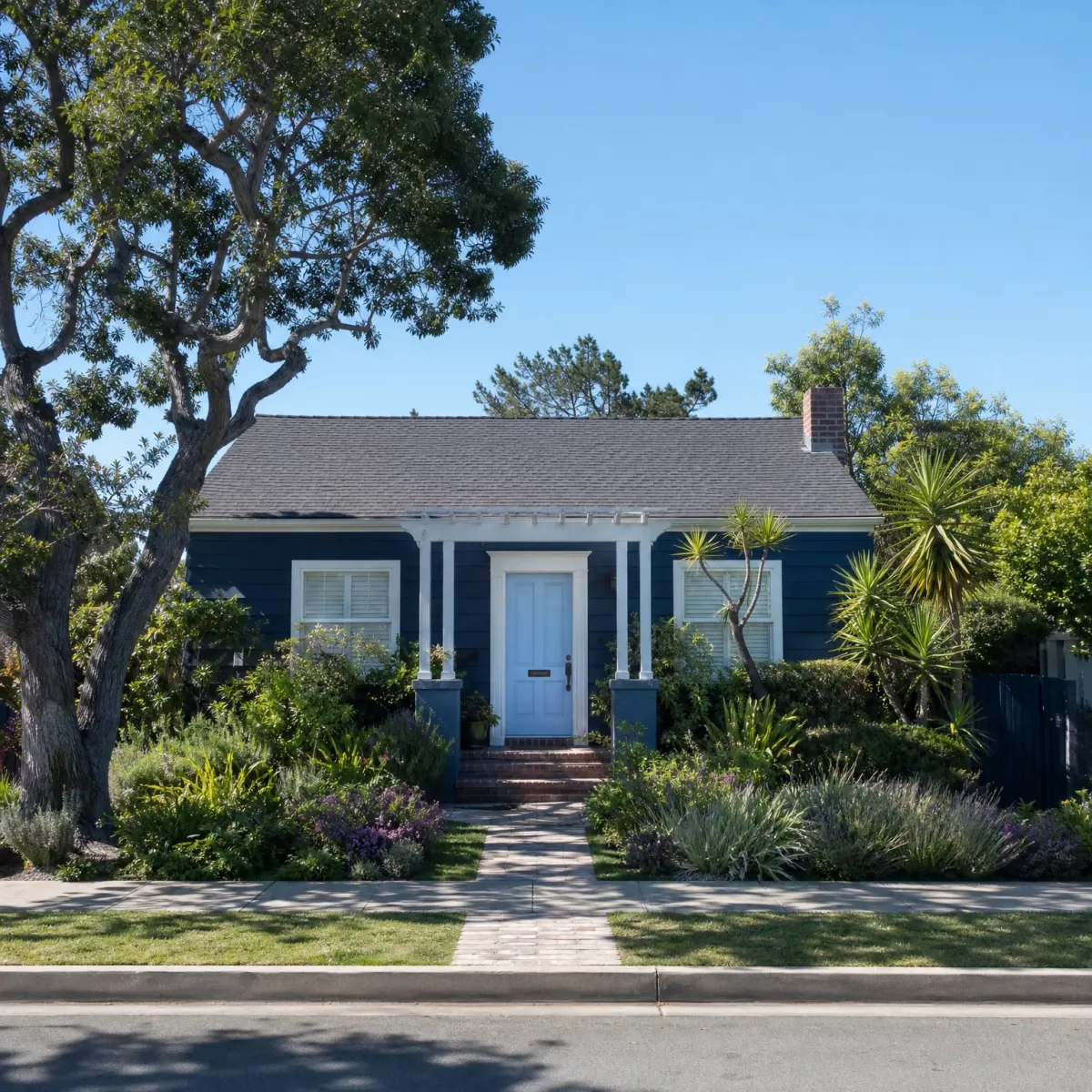
A single-story dark blue clapboard house with white trim, a white front door, shingled roof and brick chimney, fronted by a brick-paved walkway, lawn and dense flowering shrubs and palm-like plants under a clear sky.

What it costs to run

Run the two side by side on price and the furnace wins. A gas furnace makes 100,000 Btu of heat for $2.31 here. A heat pump makes the same heat for $4.26. That gap is electricity's price against gas, not a flaw in either machine: California gas runs $18.44 per million Btu, electricity $93.69. At those prices gas heat costs less, in any furnace or heat pump built to the federal minimum.

That's also the fuel most of your neighbors already have. Utility gas heats 62.6% of homes in Los Angeles County, a little over three in five. Electricity heats 29.3%, under one in three. If your house already has a gas line run to a furnace, keeping that furnace is the cheaper path and the one that fits what is already there. If it does not, running a new gas line is its own cost, one this page has no figure for, and worth weighing against what a heat pump saves you in that case.

Summer is where the furnace stops being useful. It only heats, so for the other six months it does nothing, and you would still need a separate AC for the roughly 35 days a year that hit 90 degrees or better. A heat pump heats and cools from the same system. It costs more to run through the winter here, but it is also your air conditioner, and that is worth weighing against the $2.31 versus $4.26 if you are replacing both systems at once rather than just the furnace.

Sources: NOAA nClimDiv · NOAA 1991–2020 seasonal normals · Census ACS 2020–2024 · EIA SEDS 2024 · 10 CFR 430.32

A navy blue single-story bungalow with white trim, a gabled porch and white front door, reached by concrete steps with white railings through a stone retaining wall, with a flowering purple-blossomed tree overhead and hills in the background.

Common questions about heat pumps and furnaces

  • Will a heat pump keep my house cool enough here?

    Yes, a heat pump cools the same way a central air conditioner does, through the same ducts. Afternoons here hit 90°F or above on about 35 days a year, and a heat pump sized for your house handles that the way any central AC would. The cooling season runs about four months, June through September.

  • Can I keep my furnace and add a heat pump?

    Yes, that pairing is common and it's called a dual fuel system. The heat pump handles the mild nights, which is most of them here, and the furnace only has to fire on the rare night that drops near freezing. In Los Angeles County that's fewer than one night a year, so the furnace would sit idle almost the entire winter.

  • Is a heat pump cheaper to run than a furnace in Los Angeles County?

    No, a furnace costs less to run here. A gas furnace makes the same heat for $2.31 per 100,000 Btu against $4.26 for a heat pump, at California's average fuel prices. Gas is already how most homes in the county heat, 62.6% of them, against 29.3% on electricity.