Six months of work
Furnaces here run November through April. Overnight lows average 41°F in December and January, so this isn't a furnace fighting single digits night after night. It cycles on, takes the chill off, and shuts back down.
Takes about a minute. No obligation.
Furnaces here run November through April. Overnight lows average 41°F in December and January, so this isn't a furnace fighting single digits night after night. It cycles on, takes the chill off, and shuts back down.
A furnace that isn't straining can still wear down. An igniter weakens, a flame sensor builds up a coating, a blower wheel collects dust. None of that shows up because the load is light. It shows up as a furnace that won't start on the first cold night of the year.
Your furnace in Los Angeles County starts working in November.
Have it checked in October, before that first cold night asks something of it.
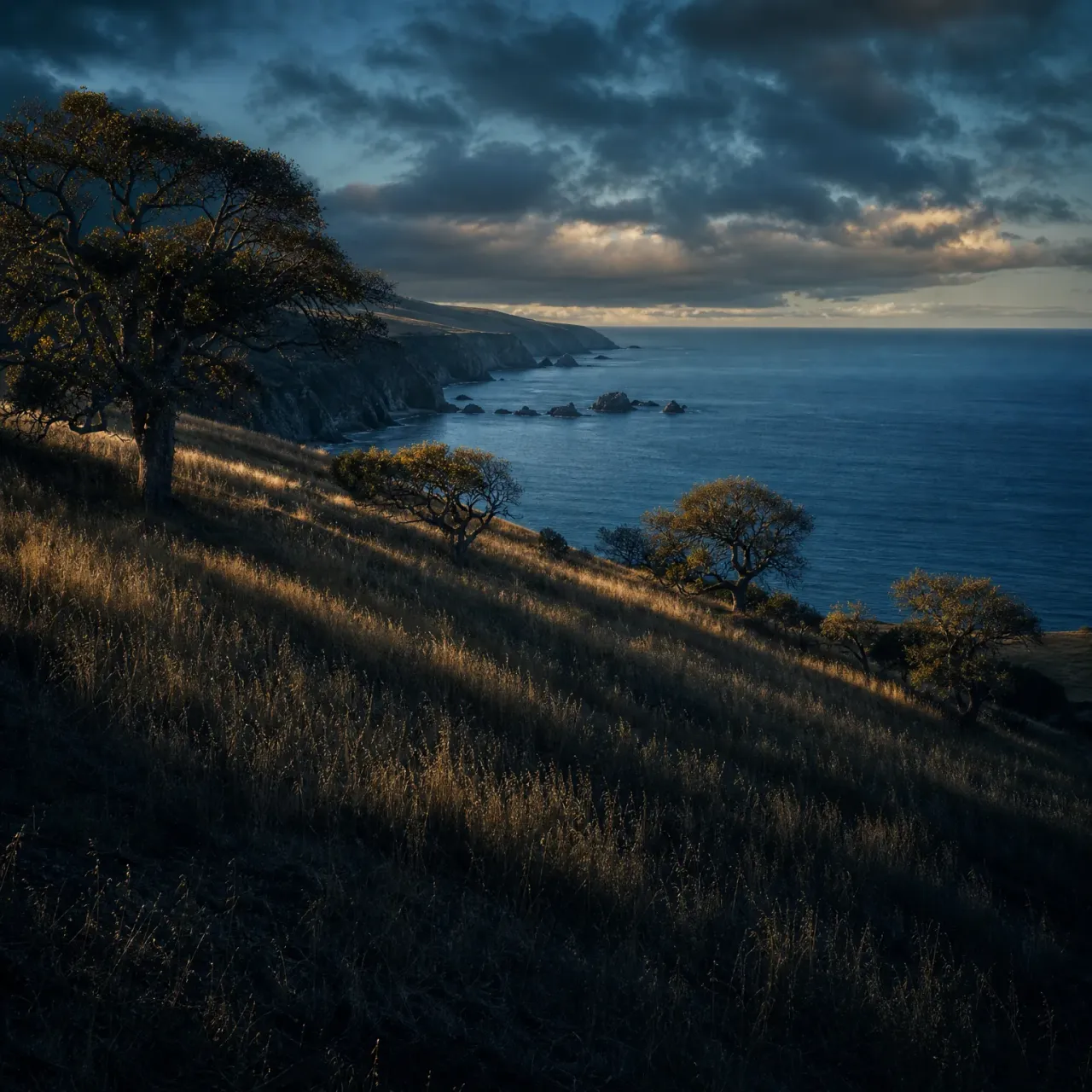
Skip the yearly check and nothing fails right away. Dust keeps settling on the blower wheel. The flame sensor keeps building up a coating, thin at first, thick enough to matter later. The igniter keeps weakening a little each time it fires. None of it slows the furnace down while it's only taking the chill off, so there's no sign to notice. The trouble shows up the first night it has to work for real. A dirty sensor tells the furnace the flame isn't there when it is, so it shuts itself off. A weak igniter doesn't glow hot enough to light the gas at all. A heavy blower wheel moves less air than it should, so the furnace runs longer to do the same job. Any of that can happen on the coldest night of the year, which is exactly when you don't want to find out.
Los Angeles County recorded 136 severe weather events over the last ten years, between damaging wind, hail and a few winter storms. None of that wears out a furnace. What wears out a furnace is a season of cycling on and off, on and off, until the igniter or the flame sensor is weaker than it was the year before. One check before the weather turns catches that. A furnace here doesn't need more than one.
Find a contractor
Six months of light work adds up slower here than in a place with hard winters. That's still six months of cycling on and off, and an annual check is what catches a weak igniter or a dirty flame sensor before the furnace has to prove itself on a cold night. One visit a year, timed before November, is enough to keep ahead of it.
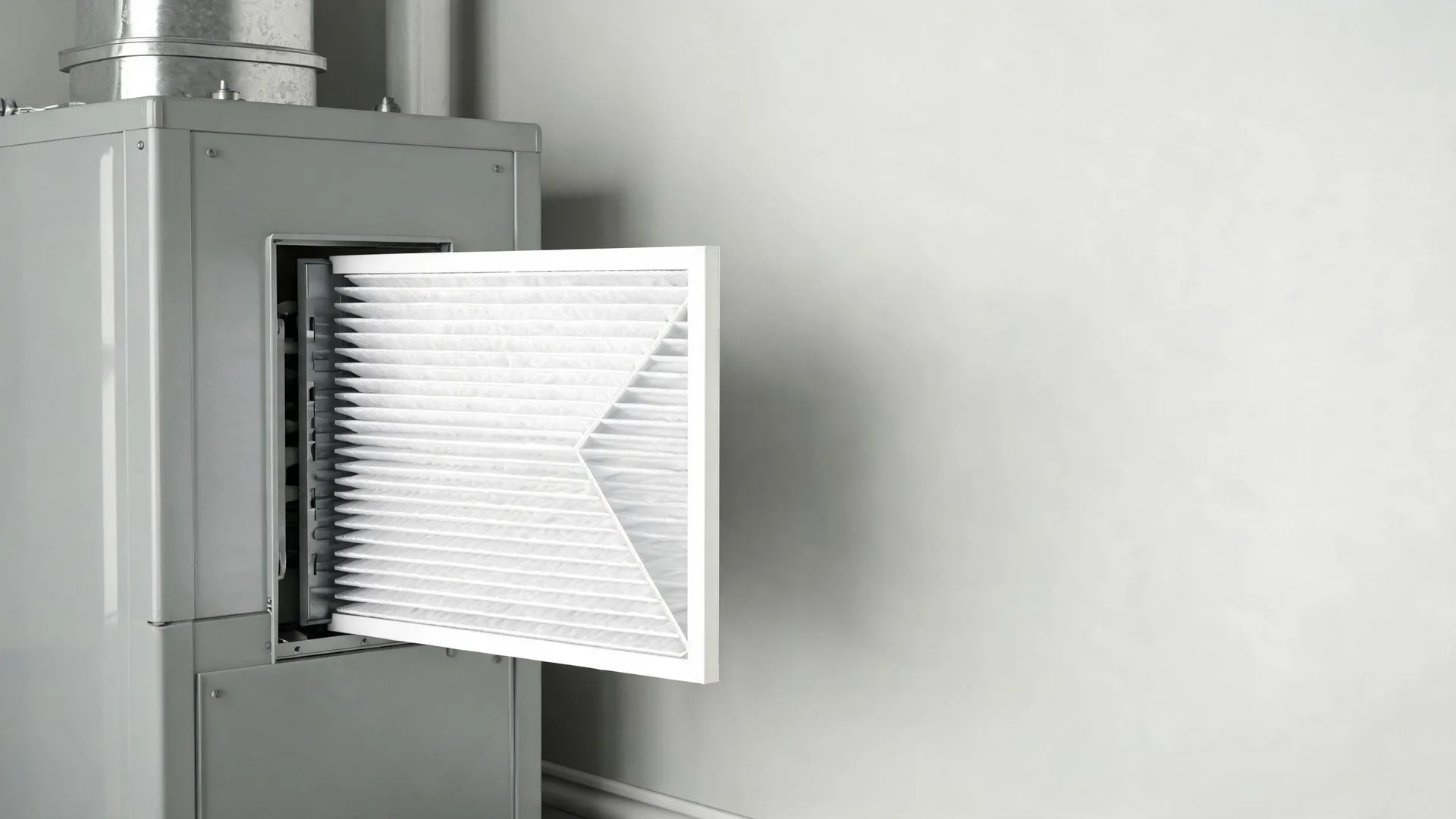
A dirty filter chokes airflow across the heat exchanger and makes the blower work harder than it should. Check it on a regular basis and swap it when it looks gray and matted. This is the one job that's actually meant for the homeowner. Everything past the filter, the burner, the igniter, the flame sensor, needs a trained eye.
Between visits, pay attention to how the furnace starts up. A rattle from the blower, a burning smell that doesn't clear, a clicking igniter that doesn't catch, or a furnace that shuts off soon after it starts are all worth a call before they turn into a no-start night. You're not diagnosing it, just noticing when it sounds different than it used to.
A furnace usually tells you something before it quits, if you know what to listen for. A burner that lights with a soft whump instead of a clean catch is starting to struggle. A blower that used to spin up quiet and now hums or rattles has something loose or coated with dust. Short cycling, where the furnace fires up and shuts off again within a few minutes, usually means it's overheating inside and tripping a safety switch before it should. A pilot or igniter that takes a couple of tries to catch instead of lighting clean is wearing out, even if it still lights every time for now. None of these stop the furnace cold. That's what makes them worth checking out before the one night it doesn't start at all.
A proper tune-up starts with the burner, not the filter. A tech pulls it and cleans off any rust or dust so the flame burns steady and blue instead of ragged and yellow. The flame sensor gets cleaned or tested, since a coated sensor is what causes a furnace to shut itself off mid-cycle. The igniter gets checked for a weak glow, the kind that lights the gas slow instead of catching clean. The blower wheel and motor get inspected for dust buildup and wear, since a heavy wheel moves less air and makes the furnace run longer to do the same job. The heat exchanger gets looked at for cracks, because a cracked exchanger can let exhaust mix into the air the furnace is supposed to be heating. Vent piping and the gas line get checked for leaks and blockage. None of this is guesswork. It's the same list a furnace asks for every year, checked before it has to prove itself on a cold night.