



White stucco Spanish Colonial Revival houses with red tile roofs glow with warm light against a dry hillside at dusk.

Furnace Repair in Los Angeles, CA

Tell us about the job

Takes about a minute. No obligation.

RepairFurnace or heatingLos Angeles County, CA
Step 1 of 2

What ZIP code is the job in?

Furnaces here aren't working hard. Six months of heat a year, November through April, and overnight lows averaging 41°F even in the coldest stretch of winter. That's a mild load compared to what furnaces handle elsewhere. A furnace that short-cycled or stopped lighting under that kind of use usually did so because of a part wearing out or a problem that got put off, not because the system was pushed past what it could handle. That's good news if yours is acting up. It means a repair is more likely to fix the problem for good, instead of papering over a system that's been run into the ground.

6 months
November through April, your furnace is on duty
41°F
the average winter night it heats against
63%
of homes here heat with gas, so most furnaces here burn gas
9 winter storms
in ten years, the nights a failure hurts most
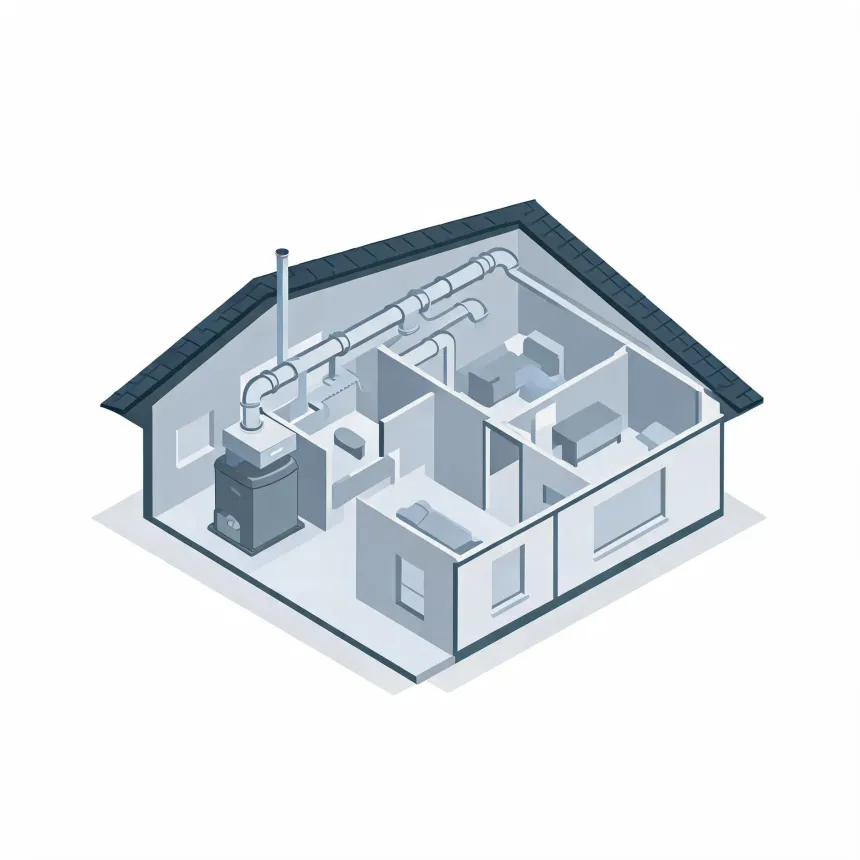
Isometric cutaway illustration of a single-story house showing interior rooms, ductwork running along the ceiling, a flue pipe through the roof, and a dark furnace unit in one corner.
Your furnace works hardest from November through March.

NOAA nClimDiv, 1991–2020 normals

A furnace fails because one part finally wears past the point of doing its job, not because every part ages at the same rate.

Furnaces of the same age often need completely different repairs, since it comes down to which part gave out first.

Half the homes here were built before your furnace's warranty

Half the homes here were built by 1965
Heat runs November through April
Winter nights average 41°F
Los Angeles doesn't push furnaces hard112 damaging wind events between 2015 and 2024, and not one of them about heat

If your furnace is acting up, get it looked at rather than planning around a replacement. A furnace that's had an easy life for years usually just needs the one worn part found and swapped, not a full teardown. The exception is a system that's sat neglected through more than one of these mild winters, since a small problem left alone turns into a bigger one even without hard use. Winter storms have hit Los Angeles County 9 times between 2015 and 2024, and a furnace that had to work through one of those stretches is worth mentioning to the contractor when they look it over.

It's usually worth repairing

It has an easier job here than in most places, so your furnace is often in decent shape. Repair is usually worth it.

Find a contractor
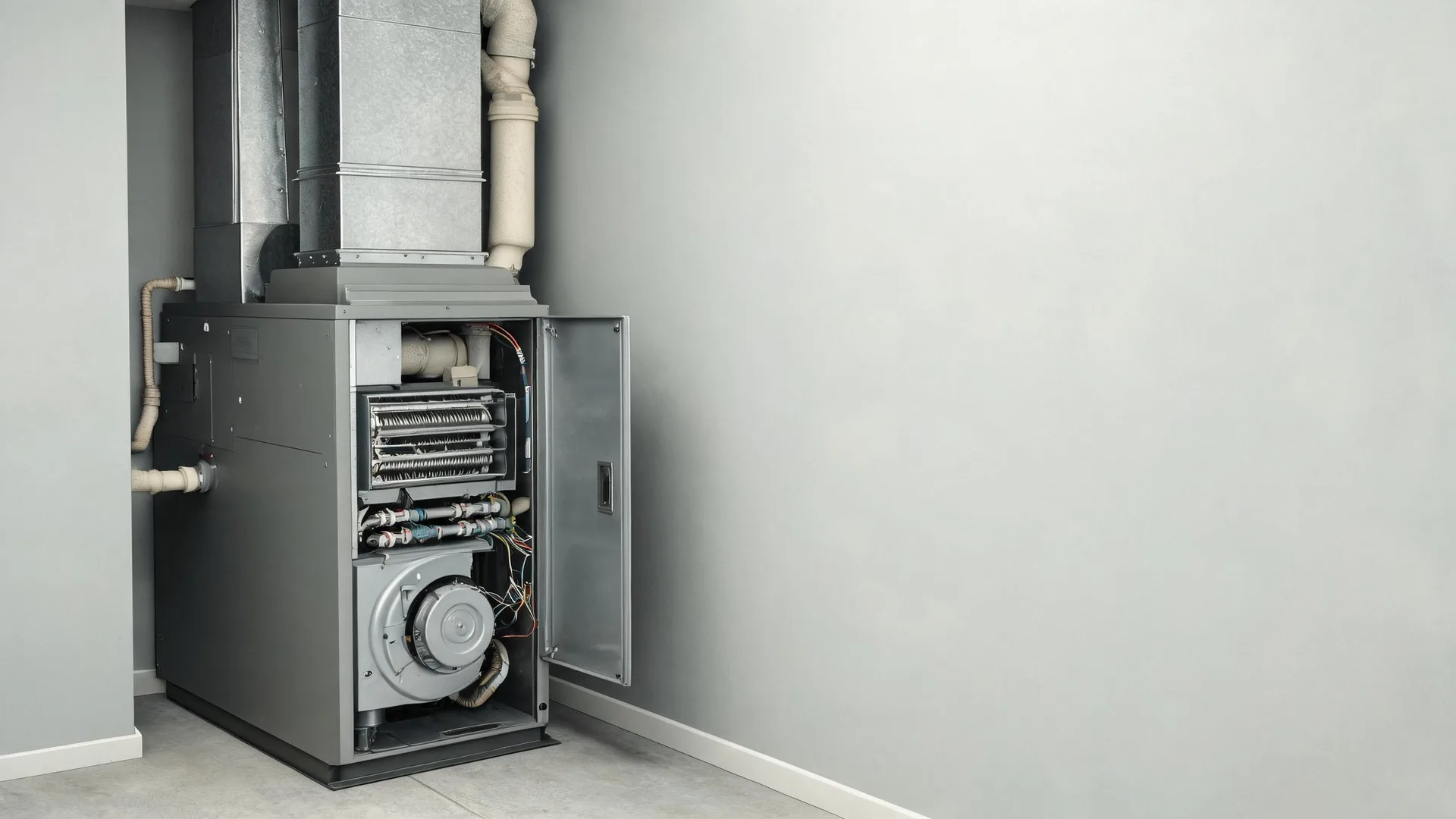
A gray gas furnace with attached ductwork and piping installed in an unfinished concrete basement.

Running it longer doesn't buy you anything

A furnace that's struggling to light doesn't fix itself by running more. A cracked heat exchanger spreads with every heat cycle, since the metal keeps flexing against the same weak spot. An igniter that's glowing weaker than it should will keep drawing on a crack until it fails outright, usually without warning. Even a clogged filter left in place makes the blower work against more resistance every hour it runs, which pushes heat onto parts that were only built to handle so much of it. The problems that get worse with runtime are almost always the ones already there. Shutting the furnace off doesn't repair anything, but it stops a small fault from turning into a bigger one before someone gets eyes on it.

What you'll notice first

A furnace in trouble usually shows up in the blower before anything else. It might kick on and off in short bursts instead of running a full cycle, or blow air that never gets properly warm. Sometimes you hear it before you feel it. A screech from the inducer motor. A knock as the burner tries to catch. A hum that lingers after the unit should have shut off. Any of these means a part is wearing out, not just acting up.

Why it's worth a look now

A furnace that hesitates to light is usually dealing with a weak igniter or a flame sensor that's stopped reading the flame correctly. Both get worse the more the system cycles. Short cycling strains the limit switch and the blower motor the same way, a little more each time it happens. Catching the problem while it's one part failing is a smaller job than catching it after that part takes others down with it.

An unfinished basement featuring concrete block walls, exposed floor joists, a bare concrete floor, and a forced-air furnace with a large metal exhaust duct in the corner.

A new furnace would cut about $60 a year off heating for a typical Los Angeles County home.

  • A new high-efficiency furnace$250 a year
  • An older furnace$310 a year

Estimates for a typical Los Angeles County home, compared with an older unit built to the previous federal minimum, from EIA household energy data, California fuel prices and NOAA climate normals. Your home will differ.

Repair makes sense when one part has failed and the heat exchanger is sound.

Replacement makes sense when the heat exchanger is cracked or the furnace keeps needing parts.

Most of the time, repair is the right call, and the decision comes down to what's actually failing. A single part wearing out, an igniter, a flame sensor, a capacitor, is a straightforward fix no matter how old the furnace is. What changes the math is the heat exchanger. That's the one part that can't just be swapped on its own, since it's built into the furnace rather than bolted to it. A crack there, and the conversation moves from repair to replacement, because the cost of chasing it usually isn't worth it next to putting in a new unit. Everything else, a contractor fixes and sends you on your way.