



A illuminated Spanish Colonial Revival estate with white stucco walls and red tile roofs nestled at the base of golden oak-covered hills at dusk.

Furnace Installation in Stockton, CA

Tell us about the job

Takes about a minute. No obligation.

New system or replacementFurnace or heatingSan Joaquin County, CA
Step 1 of 2

What ZIP code is the job in?

Most homes in San Joaquin County heat with utility gas, 61.6% of them. Electricity comes in second at 29.4%, and a small share, 3.8%, use bottled or LP gas. If your house already has a gas line run to a furnace, replacing it with another gas furnace is usually the straightforward path. The venting, the gas line and the layout are already there to match.

6 months
November through April, your furnace is on duty
40°F
the average winter night it heats against
62%
of homes here heat with gas, so most furnaces here burn gas
80% AFUE
the federal minimum any new unit must meet
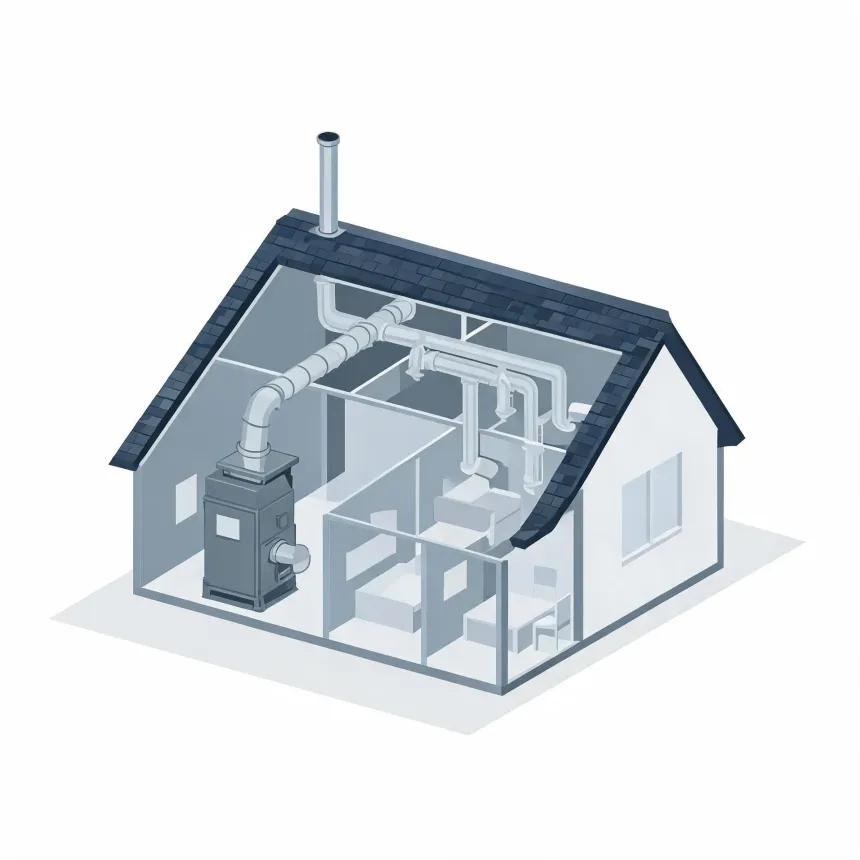
Isometric cutaway illustration of a small house showing a gray furnace unit with a flue pipe through the roof and branching ductwork running to rooms with simple furniture.
Your furnace works hardest from November through March.

NOAA nClimDiv, 1991–2020 normals

Natural gas ran $18.44 per million Btu in California last year.

The top-efficiency furnace will cost more up front and take years longer to earn that back here.

October is the month to get it done

Heat runs November through April
Winter nights average 40°F
Climate zone 3B

Stockton falls under zone 3B, and any furnace installed here now has to meet at least 80.0 percent AFUE. That's the federal floor for non-weatherized gas furnaces, and it holds until the end of 2028, when the minimum jumps to 95.0 percent. So a furnace going in today can still be a standard-efficiency model and meet code, or it can go higher. Winters here are mild and short, so that 80.0 percent furnace won't be straining to keep up. A federal tax credit is available if you choose to install above the minimum instead.

This climate doesn't ask much of a furnace

Furnaces here run about six months a year, November through April, and overnight lows average 40°F even in the coldest stretch. That's not a hard climate to heat against. A standard furnace, sized right for your house, will keep up without strain for years.

Find a contractor
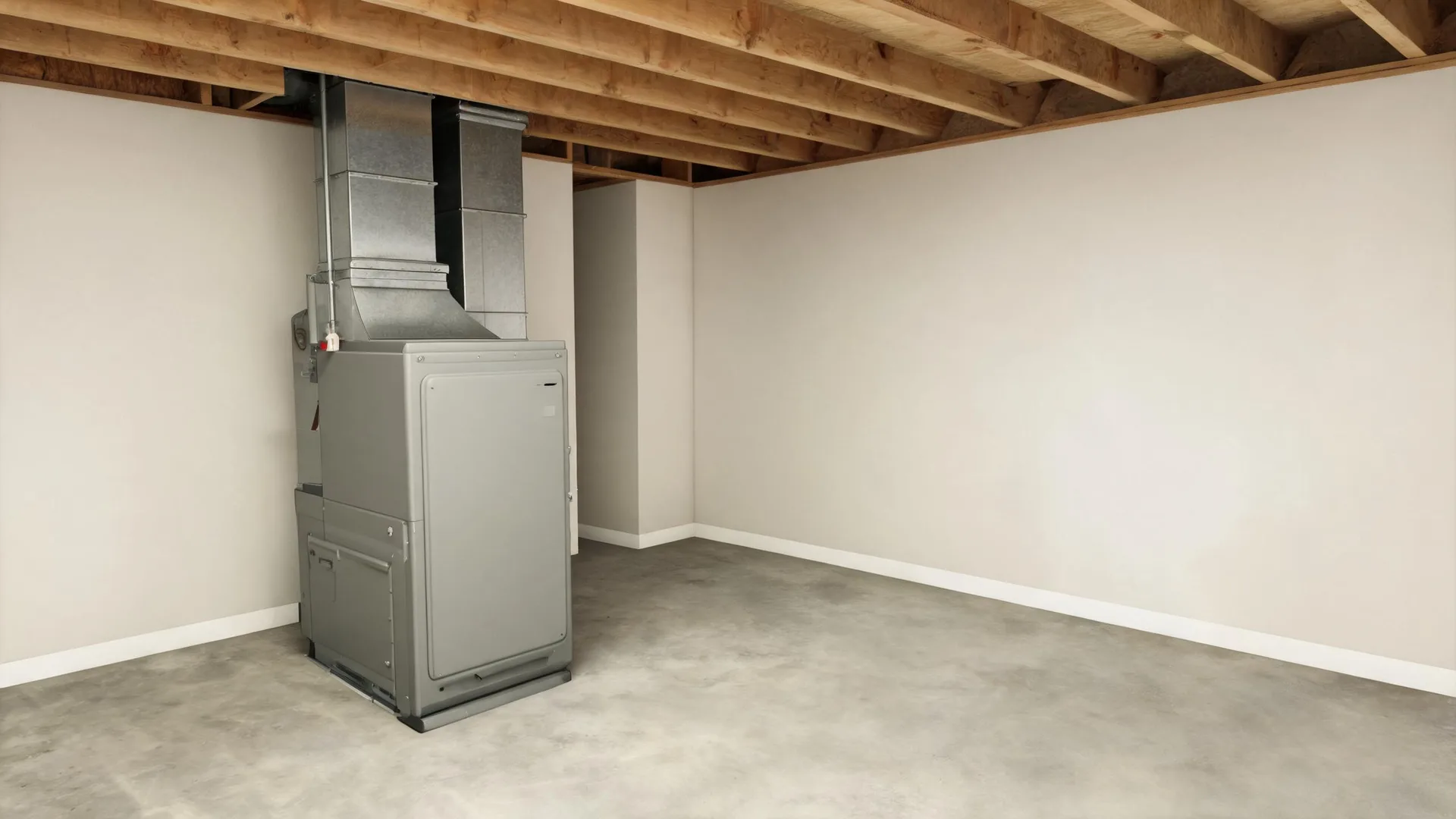
A gray residential gas furnace installed in an unfinished basement, surrounded by ductwork, a metal flue pipe, and a gas supply line.

Correctly sized matters more than top-tier efficiency

That light workload is also why a furnace here tends to last. Less run time each year means less wear on the heat exchanger and the igniter, so a standard model installed correctly can go a long time between problems. The part worth getting right at install is the size, a unit matched to your house by a contractor who runs the load calculation rather than one that just matches what's coming out. An oversized furnace short cycles no matter how mild the winter is outside.

AFUE measures fuel, not comfort

The rating tells you how much of the gas burned turns into heat in the house instead of going out the flue. It says nothing about how evenly that heat spreads through the rooms or how fast the house warms up. That comes down to the ductwork and the sizing, not the number on the label.

A higher rating changes how the furnace is built

A furnace built to pull more heat out of its exhaust runs cool enough at the flue that it vents through plastic pipe instead of metal. That furnace also produces condensate and needs a drain line near the unit. It is a different kind of install, not just a different sticker on the same box.

A gas furnace with sheet-metal ductwork and PVC pipes installed in an unfinished basement.

A high-efficiency gas furnace would save about $50 a year to run in San Joaquin County compared with a gas furnace.

  • A high-efficiency gas furnace$250 a year
  • A gas furnace$300 a year

Estimates for a typical San Joaquin County home, from EIA household energy data, California fuel prices and NOAA climate normals. Your home will differ.

Installation day starts with the old furnace coming out, not the new one going in. The contractor disconnects the gas line, the venting and the ductwork connections, then pulls the unit out of the closet or attic space. Whatever's left behind, the plenum, the return boot, the flue connection, gets checked against what the new furnace needs, because those parts don't always carry over from one furnace to the next. Setting the new unit is quick. The slower work is sealing the duct connections, running the gas line back in, and venting it correctly for that furnace's type. Once it's connected, the contractor fires it up, checks the gas pressure, and confirms the temperature rise is in range for that model. A furnace running too hot or too cool at the plenum is usually a sign something upstream needs adjusting before the job is done.