



What a heat pump needs to prove here
Your winters are mild enough that a heat pump should work. The overnight low averages 40°F across December, January and February, and that's the range a heat pump handles well. It only runs into trouble on the coldest nights, when the air outside gets too cold to pull heat from efficiently, and those nights are rare here. The temperature falls to 32°F or below about 19 nights a year, and heating season runs about 180 nights. That's under a quarter of the nights you'd be running heat at all.
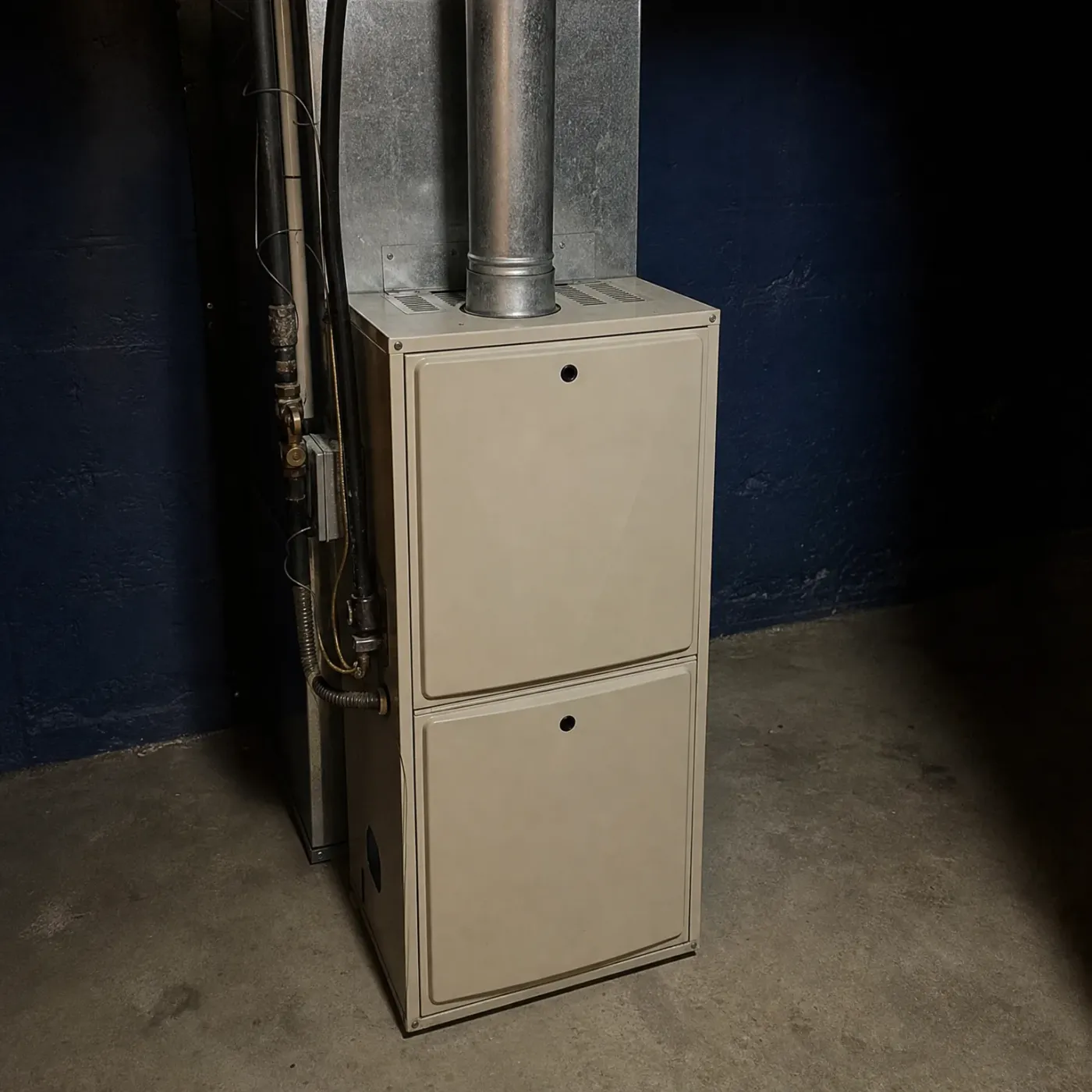
So the climate isn't the problem. The cost is. A heat pump built to the federal minimum runs $4.26 per 100,000 Btu of heat in California, against $2.31 for a gas furnace built to the same minimum standard. That's electricity at $93.69 per million Btu versus gas at $18.44. Gas is just cheaper here, by enough that a furnace beats a heat pump on running cost even though the weather suits the heat pump fine.
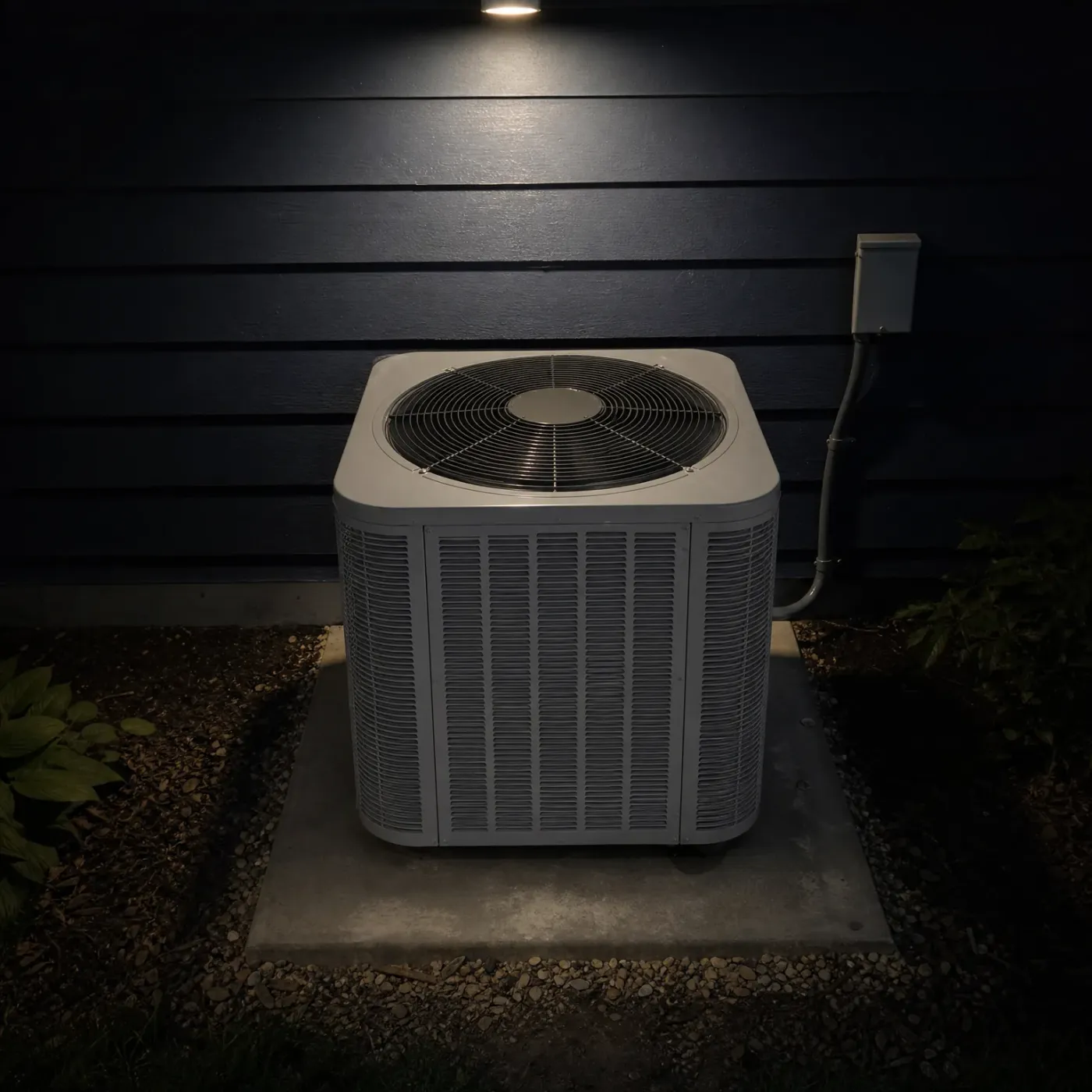
There's a case where the math changes. A heat pump also cools, and your cooling season runs longer than most places, about five months, May through September, with afternoons hitting 90°F or above on about 85 days a year. One system doing both jobs is worth something if you're pricing new heating and new cooling at the same time. A furnace only heats. It has nothing to do the other six months of the year.