




A gray forced-air furnace with ductwork stands in an unfinished concrete basement surrounded by storage items and clutter.

Furnace Repair in Stockton, CA

Tell us about the job

Takes about a minute. No obligation.

RepairFurnace or heatingSan Joaquin County, CA
Step 1 of 2

What ZIP code is the job in?

Half the homes in San Joaquin County were built in 1984 or later. That's not old for a furnace, especially one that's been looked after. If your system came with a newer house here, it probably has years of service left in it. A repair now is likely the right call rather than a sign the whole unit is done. Stockton winters aren't hard on a furnace either, which helps a unit built in the last few decades last even longer.

6 months
November through April, your furnace is on duty
40°F
the average winter night it heats against
62%
of homes here heat with gas, so most furnaces here burn gas
Isometric cutaway illustration of a house showing interior rooms with furniture, a furnace unit with a tall flue pipe outside, and ductwork running through the attic.
Your furnace works hardest from November through March.

NOAA nClimDiv, 1991–2020 normals

Stockton furnaces run about six months a year, November through April.

Six months of light duty most years means a repair usually has more life to work with, not less.

Furnace trouble in Stockton shows up fast once November turns the heat back on

Heat runs November through April
Winter nights average 40°F
Climate zone 3B

So if your furnace is acting up, get it looked at before you assume it needs replacing. Most furnace problems come down to one part failing, not the whole unit giving out. A technician can check the igniter, the flame sensor, or the blower motor and tell you which one is causing the trouble. That's usually a straightforward fix, and worth doing if the furnace still has years of service ahead of it.

Fix it now, and it should keep going for winters to come

That light duty cycle is exactly why a repair now makes sense instead of a wait and see. Get the part fixed and the furnace should carry you through the next several winters the same way it's carried you through the last ones.

Find a contractor
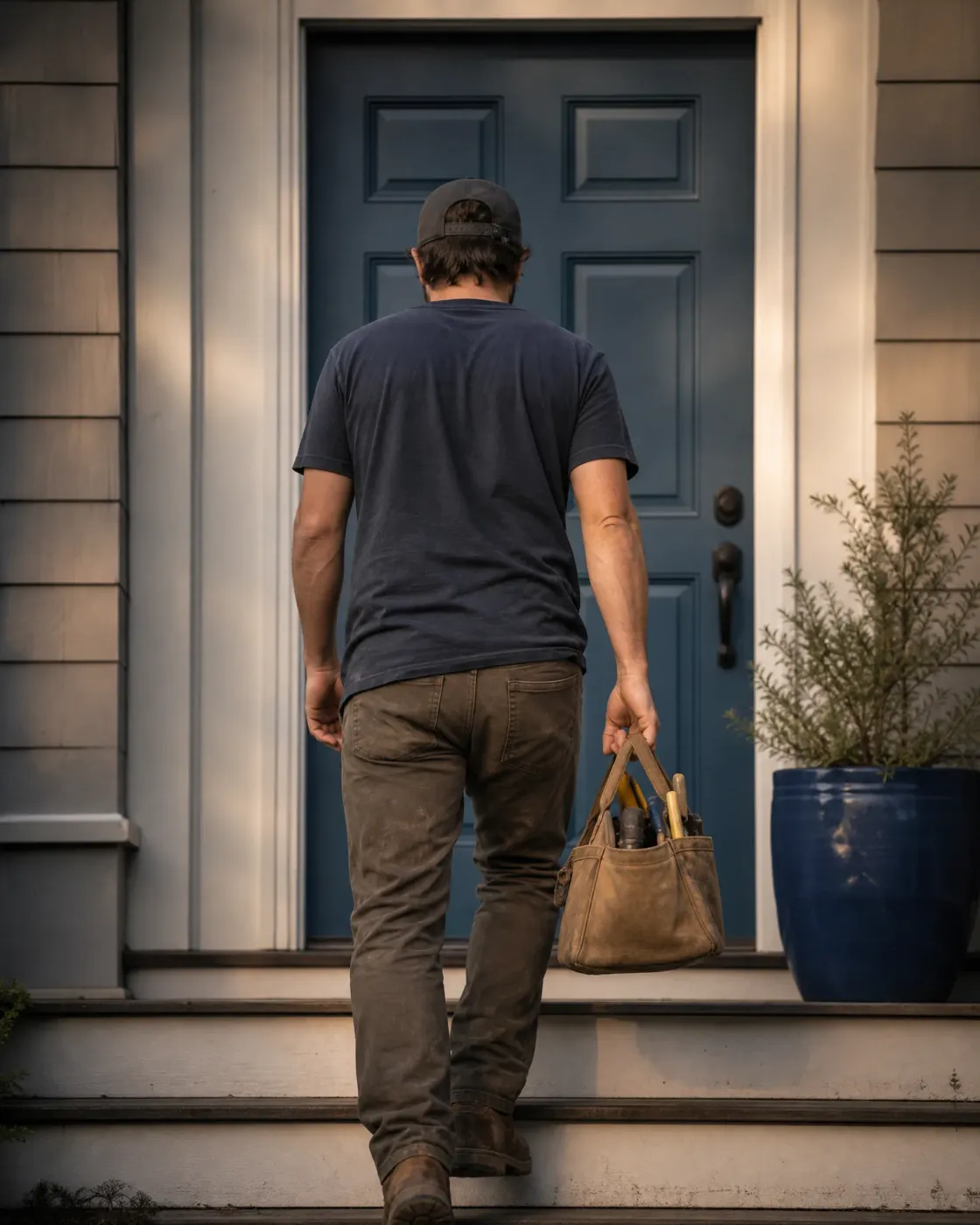
A man in a dark T-shirt, backwards cap and brown work pants, seen from behind, climbs porch steps toward a blue paneled front door while carrying a canvas tool bag, with a potted shrub in a blue planter to the right.
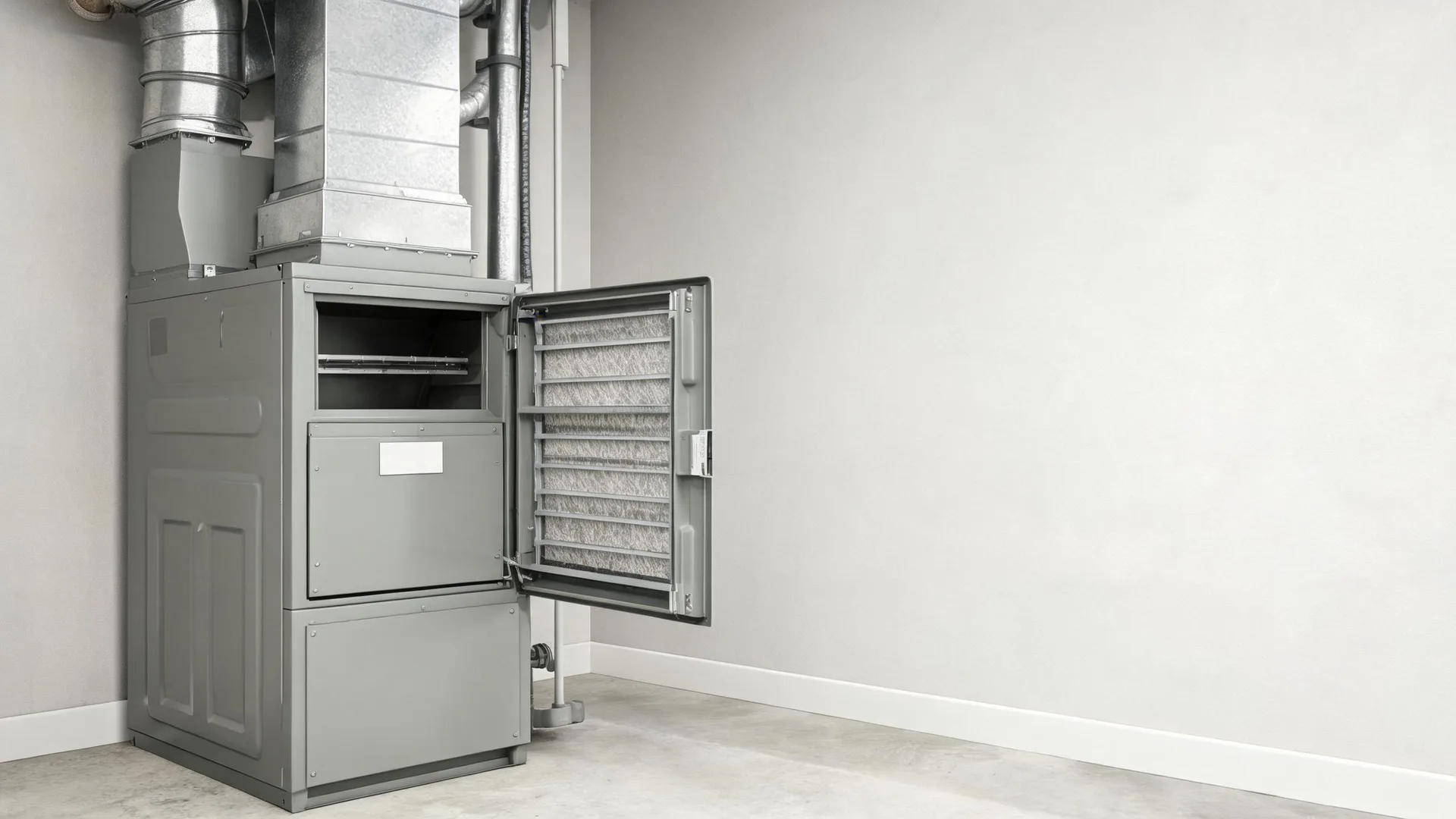
A gray high-efficiency gas furnace installed in an unfinished basement, surrounded by gas lines, a condensate drain, and sheet-metal ductwork.

What a tech is actually checking

A tech starts by asking what the furnace is doing and when, before any panel comes off. Then the cover comes off and they watch it run through a full cycle. Does the igniter glow and hold. Does the flame sense properly once it catches. Does the blower come on at the right point and move air the way it should. Some of this needs a meter on the igniter or the sensor, since what they're actually reading matters more than how the flame looks by eye. A cracked heat exchanger needs more than a flashlight too. A hairline crack can hide from a visual check and still show up on a combustion analyzer. The point of the visit isn't just naming the broken part. It's ruling out the parts that aren't broken, so the fix lands on the one thing causing the trouble.

What you'll actually notice first

A furnace rarely quits outright. It shows up as the burner clicking but not catching, air coming out cool before it warms up, a burning smell in the first few minutes of a cycle, or the furnace running longer than it used to just to hit the same temperature. Rattling, banging on startup, or a blower that cycles on and off every few minutes are all worth a call, not a wait.

Why these are worth calling about now

A weak flame sensor still lets the furnace fire today and fail tomorrow, and it only reads weaker each time the burner runs. A blower short cycling on a bad limit switch is already overheating somewhere it shouldn't be. Burning smells and banging on startup point to a specific part under strain, and that part keeps failing a little more with every cycle until the furnace stops holding a flame or the blower seizes.

An unfinished basement interior featuring a large metal furnace unit, exposed ceiling joists, concrete walls, and scattered boxes and cables on the floor.

A new furnace would cut about $60 a year off heating for a typical San Joaquin County home.

  • A new high-efficiency furnace$250 a year
  • An older furnace$310 a year

Estimates for a typical San Joaquin County home, compared with an older unit built to the previous federal minimum, from EIA household energy data, California fuel prices and NOAA climate normals. Your home will differ.

Repair makes sense when one part has failed and the heat exchanger is sound.

Replacement makes sense when the heat exchanger is cracked or the furnace keeps needing parts.

A good rule is to ask whether the problem is one part or the whole cabinet. The igniter, the flame sensor, the blower motor, and the limit switch all fail on their own and get replaced on their own, without touching anything else in the furnace. A cracked heat exchanger is different. That's the part that separates the flame from the air moving through your house, and once it's cracked it doesn't get patched. It gets a new furnace. The other thing worth weighing is how the furnace has been running up to now. One that held a steady flame for years and just lost a sensor or an igniter still has service left in it. One that's needed a tech out every season, for something different each time, is telling you the failures are starting to stack up rather than stand alone.