

Furnace pilot light won't stay lit in Stockton, CA

Your request goes to a San Joaquin County pro who takes furnace jobs.

Find a pro near me

Why won't my furnace pilot light stay lit?

You've relit the pilot a few times now and it keeps going out, sometimes within minutes. With a cold snap finally here, it's not the kind of thing you want to keep fighting on your own, especially with the house relying on that furnace through a mild Stockton winter.

A weak or dirty thermocouple is usually why

The thermocouple is the small sensor that sits in the pilot flame and tells the gas valve it's safe to keep the gas flowing. When it gets coated with soot or starts to wear out, it stops reading the flame correctly and the valve shuts the gas off, even though the pilot was lit a second ago. A draft blowing across the pilot or a clogged pilot orifice can cause the same thing. Since San Joaquin County winters are mild, your furnace may not run long stretches at a time, which gives a failing part more chances to cool down and cut the gas before the thermocouple fully heats up again.

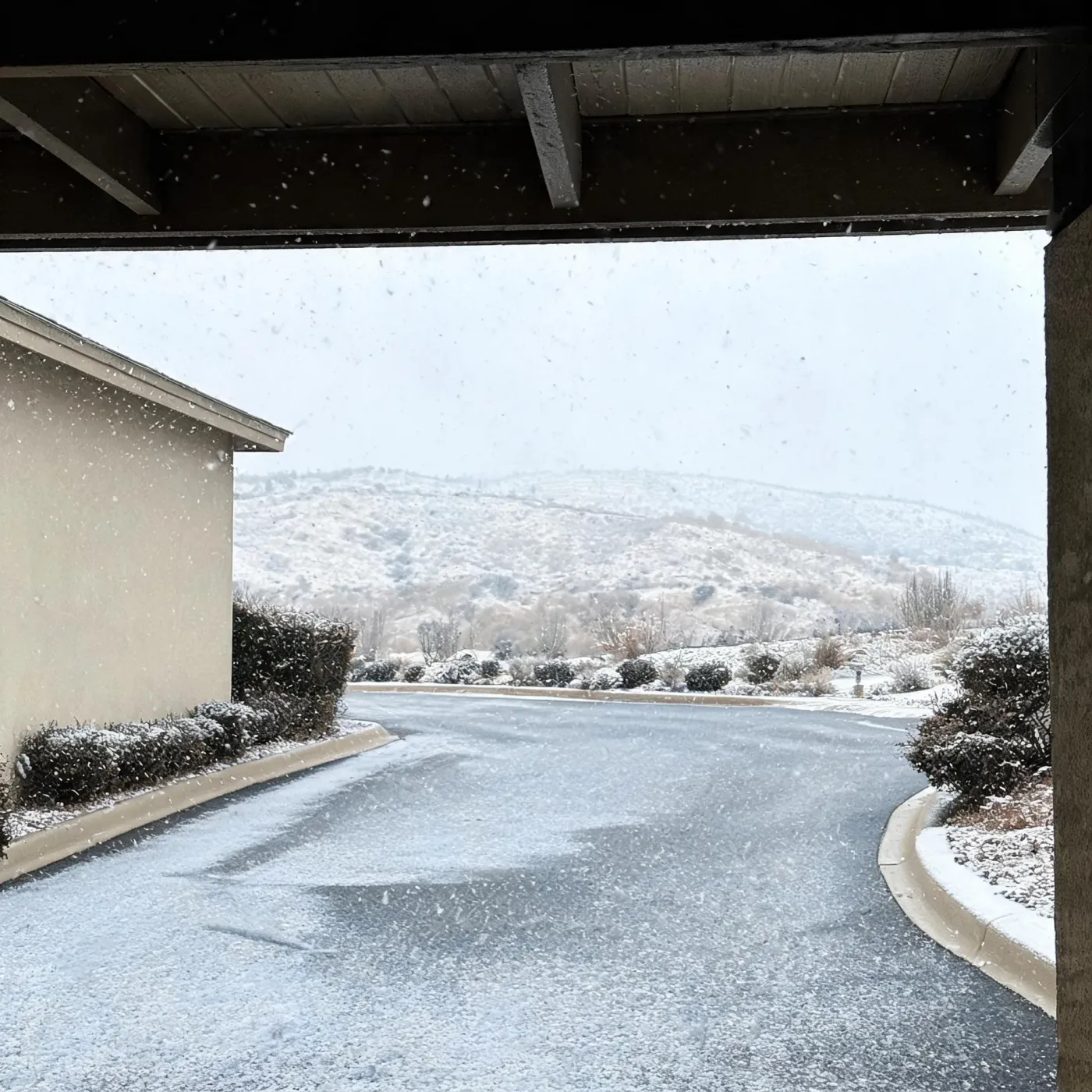
View from beneath a covered carport of falling snow over a paved driveway, low shrubs and a stucco building on the left, with snow-dusted hills in the background.

Stockton nights drop to around 40°F on average through December, January and February, according to NOAA climate data for San Joaquin County. That's enough for a furnace to run long stretches through the night instead of cycling on and off a few times. A pilot that can limp along through short bursts will often show its problem on these longer runs, going out again partway through the night. If yours keeps dying around the same time each night, that pattern is worth mentioning to whoever looks at it.

NOAA nClimDiv 1991-2020

Why does the pilot keep going out right when you need it most

You notice it most at night, when the house has gone quiet and the furnace should be running steady. Instead you hear it click, catch, then nothing. You go check and the pilot's out again, the small window by the burner dark. Sometimes there's a faint gas smell for a second when it drops out. The house starts to feel the chill by early morning if nobody catches it. A furnace that won't hold a pilot isn't heating on the cold nights it's needed for, and relighting it yourself over and over doesn't fix whatever's actually causing it to fail.

A gray furnace with sheet-metal ductwork, PVC vent pipes and a yellow gas line stands on a concrete basement floor beside wooden stair framing.

Pilot lit, flame steady

This is what it looks like running right. The flame sits blue and holds against the burner, the flue pipe carries exhaust out without trouble, and the furnace cycles on and off on its own through the night without anyone touching it.


An older gas furnace with a louvered front panel stands on a concrete basement floor beside galvanized sheet-metal ductwork, a metal flue pipe, gas piping and a flexible conduit along a concrete wall.

Pilot out again

This is the furnace you're dealing with now. The gas line and flex conduit feed it fine, but the pilot won't hold. A thermocouple that's worn out or bent out of position will shut the gas valve almost as soon as the flame catches.

A woman in a gray turtleneck sweater sits on a beige sofa in a living room, looking toward a curtained window with blurred greenery outside.
A woman in a brown knit sweater leans back on a sofa with her eyes closed and arms spread along the cushions, in a blurred indoor room with a window, potted plant and kitchen counter behind her.
A woman in a cream sweater sits on a gray sofa with textured cushions, smiling and looking off to the side, with a blurred living room, plants and a pendant lamp behind her.
A woman in a dark green sweater sits on a gray sofa in a living room with a large houseplant, a framed picture, a fireplace, and windows in the background.

The thermocouple and the gas valve

  • A thermocouple is a sensor rod the pilot flame touches, and it tells the gas valve the flame is actually burning.
  • If the thermocouple reads weak or cold, the gas valve shuts the pilot gas off, even with a flame right in front of it.
  • Soot or a film on the thermocouple tip keeps it from reading the heat right, so the valve cuts gas before it should.
  • A thermocouple bent away from the pilot flame won't heat fully, so it reads the flame as out when it isn't.
  • Some older gas valves hold a thermocouple reading for only a short window before they close, so a slow start trips it.
  • A thermocouple wears out after years of heat cycles and stops holding the valve open even when it's seated and clean.

The thermocouple sits right in the pilot flame for a reason. It's a small rod that generates a tiny electrical signal when it gets hot enough, and that signal is what tells the gas valve to stay open. No signal, no gas, flame or no flame. That's why a pilot can look lit and still die on you. The valve isn't watching the flame. It's watching the thermocouple.

That's also why cleaning or adjusting it fixes the problem as often as replacing it does. Soot builds up on the tip over a season of use and blocks the heat from reaching the sensor properly. A thermocouple that's drifted even slightly out of the flame has the same result, because it never gets hot enough to send a strong signal even though the pilot is burning fine in front of it. Either way, the valve reads it as no flame and shuts down the gas to protect the house.

Some older valves make this worse. They're built to hold a reading for only a short window, so if the thermocouple is slow to heat up, even by a few seconds, the valve closes before it catches up. And a thermocouple that's old just wears out. Years of heating and cooling fatigue the metal until it can't hold a strong enough signal even when it's clean and positioned right. At that point no amount of adjusting fixes it. It needs to be swapped for a new one.

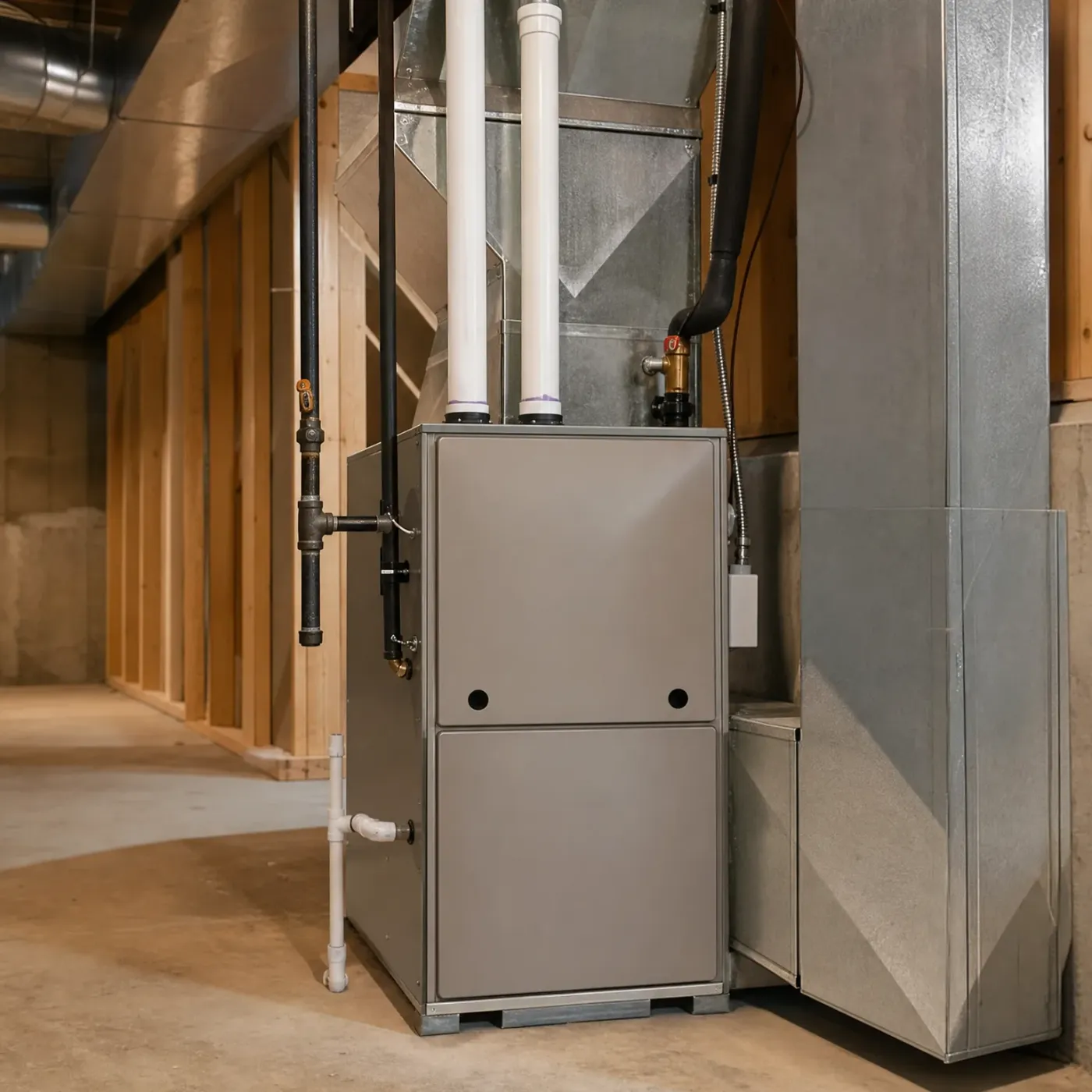
A gray high-efficiency furnace in a basement with PVC venting pipes, a yellow gas line, metal ductwork, concrete walls and floor, and a wood-framed stairway at left.
A two-stage furnace like this holds its pilot and burner flame steady through a long December night without anyone touching it.

A beige furnace with a louvered front panel and metal ductwork stands on a concrete basement floor beside pipes and a white cylindrical water heater.
An older furnace like this, especially near a water heater pulling from the same gas line, is more likely to lose the pilot partway through the night.

A pilot that won't hold through a 40°F night means the furnace can't run the long steady stretch it needs to keep the house warm from midnight to morning. You end up awake, relighting it in the dark, and whoever's trying to sleep down the hall feels the drop in temperature before you've got the flame caught again. Gas keeps building in the burner compartment even when the pilot's out, so relighting it over and over isn't a safe habit to settle into. If there's a water heater sharing the same gas line, a thermocouple problem can show up there too, which is worth a look while the furnace is apart. Left alone, a weak thermocouple or a soot-fouled pilot tends to get worse through the season, not better, since the same cold that strains it tonight comes back every night through February. The fix itself is usually small, a sensor rod or a cleaned orifice, but the part only tells you what's wrong. Getting the pilot to hold on its own again is the job.

A beige furnace with two louvered front panels stands on a concrete basement floor beside galvanized ductwork, metal pipes, and a wooden post.
Before you get your furnace repair
A gray high-efficiency furnace stands on a concrete basement floor beside galvanized sheet-metal ductwork, with white PVC vent pipes, gas and water lines, and unfinished wood framing behind it.
After you get your furnace repair
A gray high-efficiency furnace in an unfinished basement, connected to sheet metal ductwork, white PVC vent pipes, a black gas line and flexible conduit, with concrete floor and wood-framed walls nearby.

A local pro for your furnace repair

Send it once and finding someone is no longer on you.

Get matched with someone who does this kind of work in San Joaquin County.

Get my match

Asking costs nothing, and the choice to hire stays yours.

Relight it yourself or have it repaired

Relight it yourself

  • You can hold the pilot button down for a minute and try again, and sometimes the flame catches and holds.
  • If the thermocouple is only slightly weak, a relight might get you through one more night before it goes out again.
  • It costs nothing but your time, and most homeowners can find the pilot assembly and try this without any tools.
  • There's no way to tell from a relight alone whether the thermocouple, the gas valve or a draft problem is behind it.
  • If it keeps going out every few hours, you're the one getting up at 2 a.m. to fix it, not the furnace.

Have it repaired

  • A contractor can test the thermocouple's millivolt reading and tell you in minutes whether it's weak or fine.
  • If soot or film is coating the thermocouple tip, cleaning or replacing it stops the pilot from dropping out mid-cycle.
  • A gas valve that's failing can look exactly like a bad thermocouple, and only testing both tells them apart.
  • Fixing the actual cause means the pilot holds through the whole night instead of needing another relight by morning.
  • Once it's diagnosed, you're not guessing anymore about what's wrong or when it might go out again.
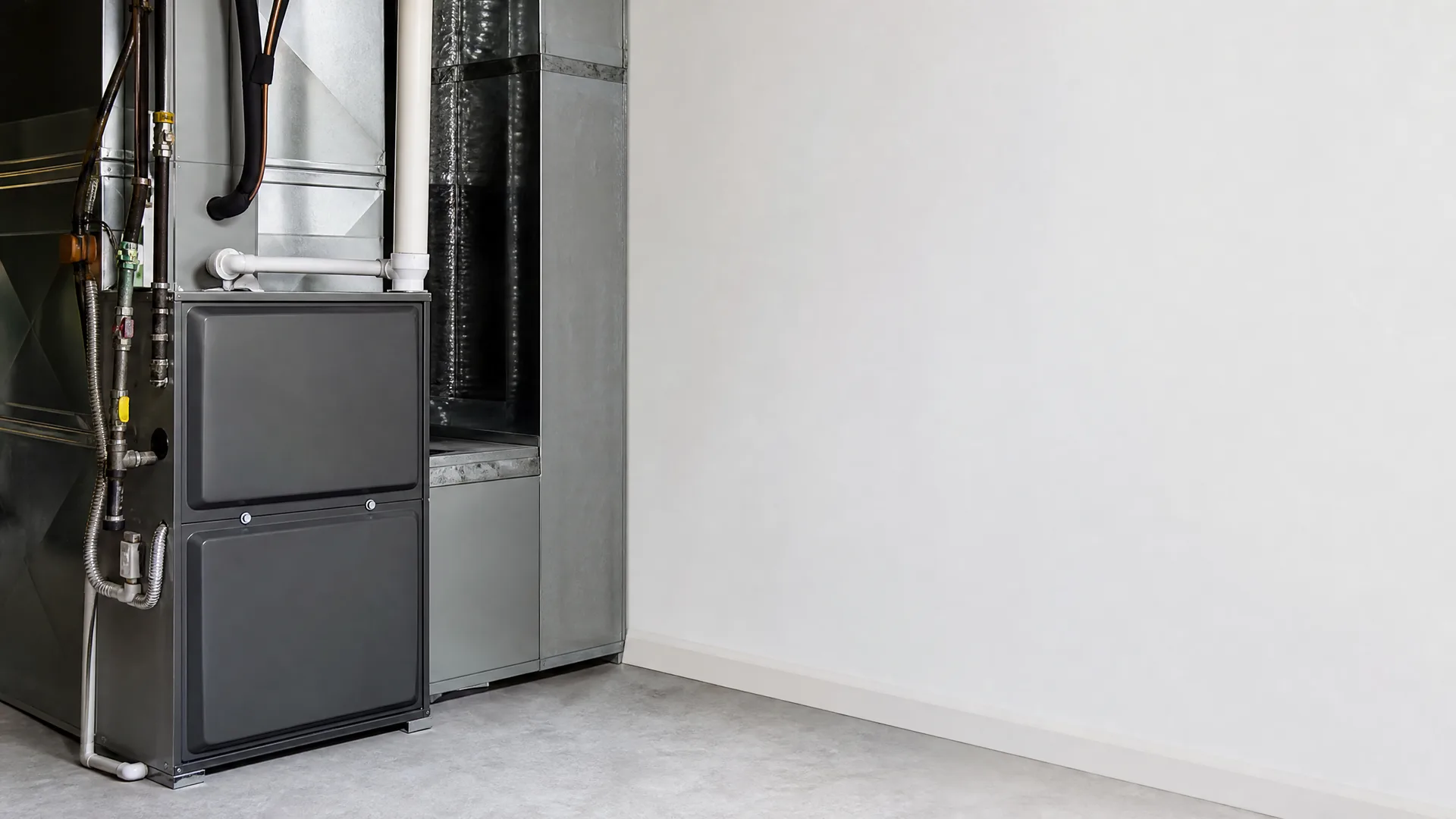
A dark gray furnace unit with connected ductwork, pipes and flexible hoses stands in the corner of an empty room with bare white walls and a concrete floor.

Thermocouples wear out slowly

A thermocouple doesn't usually fail all at once. The rod reads weaker each month as it cycles through heat, and a furnace that held its pilot fine last December can start struggling this year on the same thermocouple. San Joaquin County winters are mild enough that a lot of furnaces only run hard a few months a year, which means a weak thermocouple can sit unnoticed until that first cold stretch asks more of it.

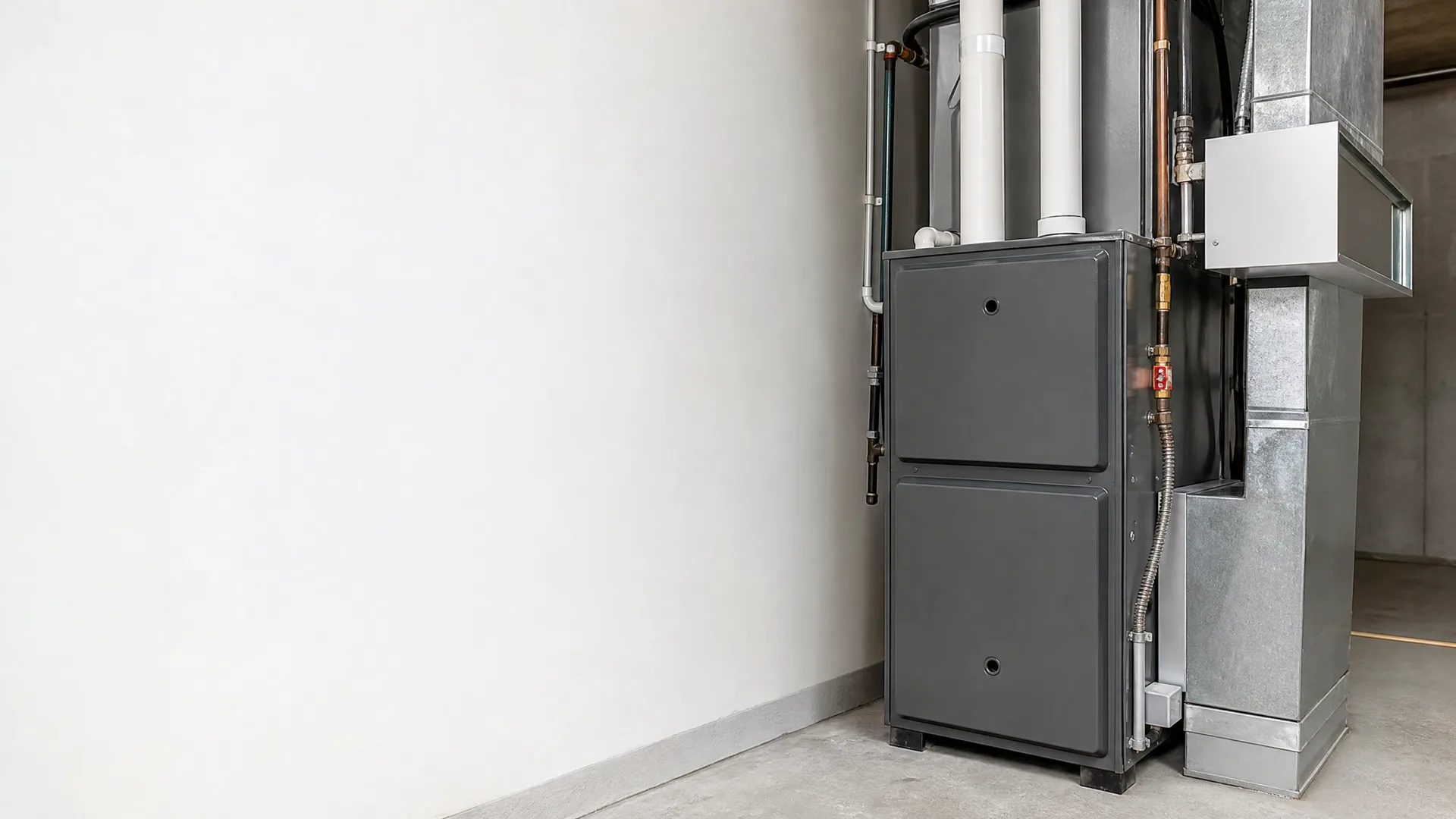
A gray high-efficiency furnace stands against a plain white wall in a concrete-floored utility room, connected to white PVC vent pipes, copper gas lines, and sheet-metal ductwork.

Gas valves are built cautious

The gas valve behind the pilot is designed to shut off gas rather than risk it building up unburned. That's why a pilot can look fine to you and still get cut off. It's reading the thermocouple's signal, not the flame itself, so a dirty or loose connection can trigger the same shutoff as a real outage. The valve isn't guessing. It's doing exactly what it's built to do with the signal it's getting.

How long does a pilot have to hold through the night here?

  • Winter nights average 40°F

    Winter nights here average 40°F, so the pilot has to hold steady for hours, not just catch once and go out.

  • Heat runs November through April

    Heat runs November through April, six months a year, so a pilot that won't hold isn't a one-night problem, it's a season of it.

  • 61.6% of homes heat with gas

    61.6% of homes in San Joaquin County heat with gas, so a failing pilot is the reason the furnace next door is worth asking about too.

NOAA nClimDiv 1991-2020 · ACS 2020-2024

A man in a dark jacket and khaki pants walks through an open gate in a stone wall toward a woman standing in the open front doorway of a single-story white house with a dark shingled roof and river-rock accents.

A pilot that won't hold is a thermocouple problem, not a nightly chore

The pilot keeps going out because the thermocouple can't tell the gas valve the flame is real anymore. That's the whole problem. Relighting it buys you an hour or a night, but it doesn't fix the rod, and San Joaquin County nights in the 40s keep asking more of it than it has left to give.

A contractor can get matched to your furnace and what it's doing, not a general call-out, and reach out to sort out the thermocouple so the pilot holds on its own again. Once that request is sent, you're done chasing it in the dark. The house gets its steady heat back, and the furnace goes back to running the night through without you standing over it.

Interior corner of a living room with a beige upholstered armchair holding a textured pillow and throw, a eucalyptus arrangement in a ceramic vase on a wooden table in the foreground, a blurred glass-front cabinet behind, and a potted plant on a sunlit window sill.
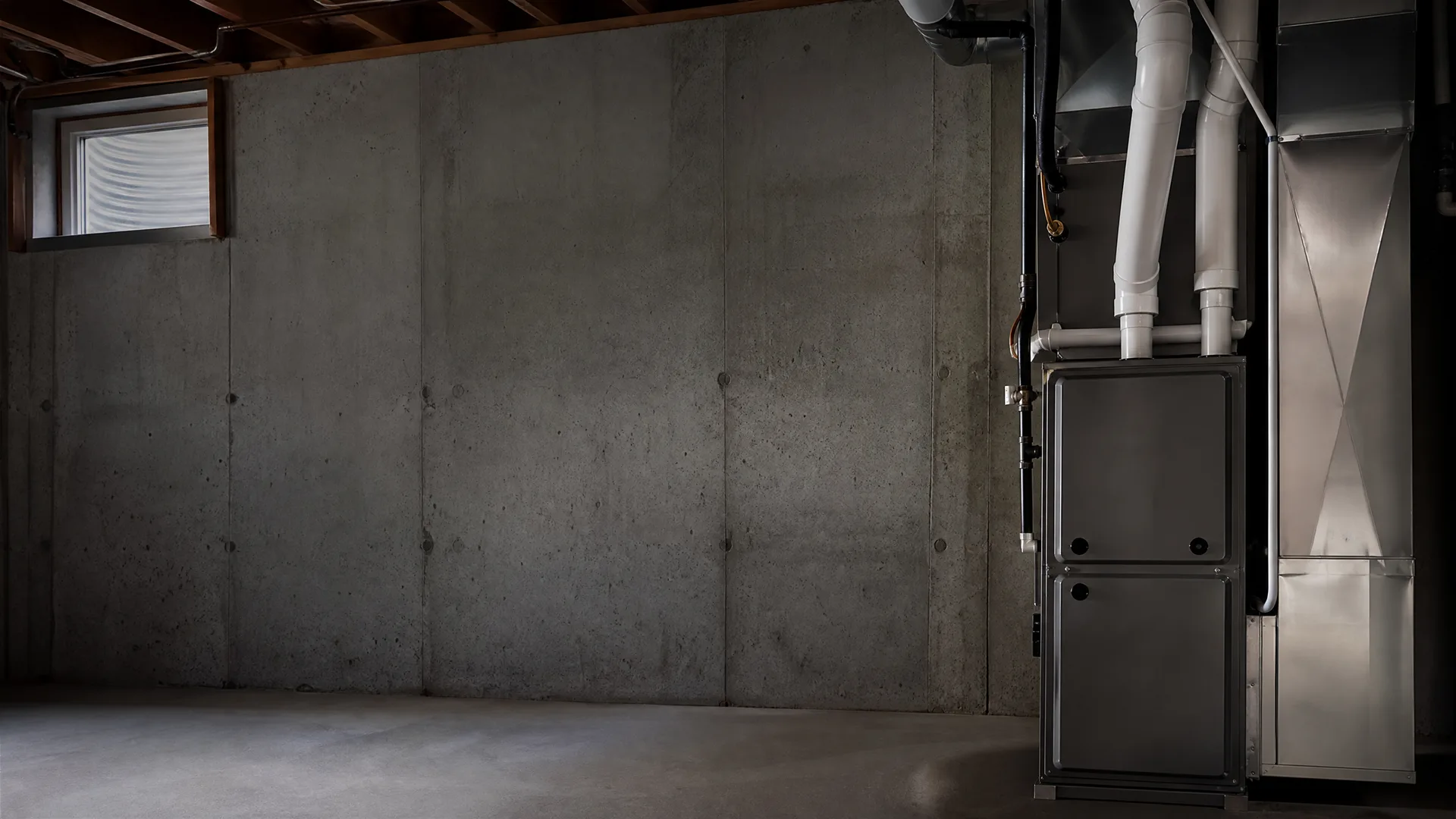
An empty unfinished basement with bare concrete walls and floor, a small window at upper left, and a furnace with white PVC vent pipes and metal ductwork at right.

Get the right pro for your furnace

Send the request today and let a furnace pro reach out to you.

RepairFurnace or heatingSan Joaquin County, CA
Step 1 of 2

What ZIP code is the job in?