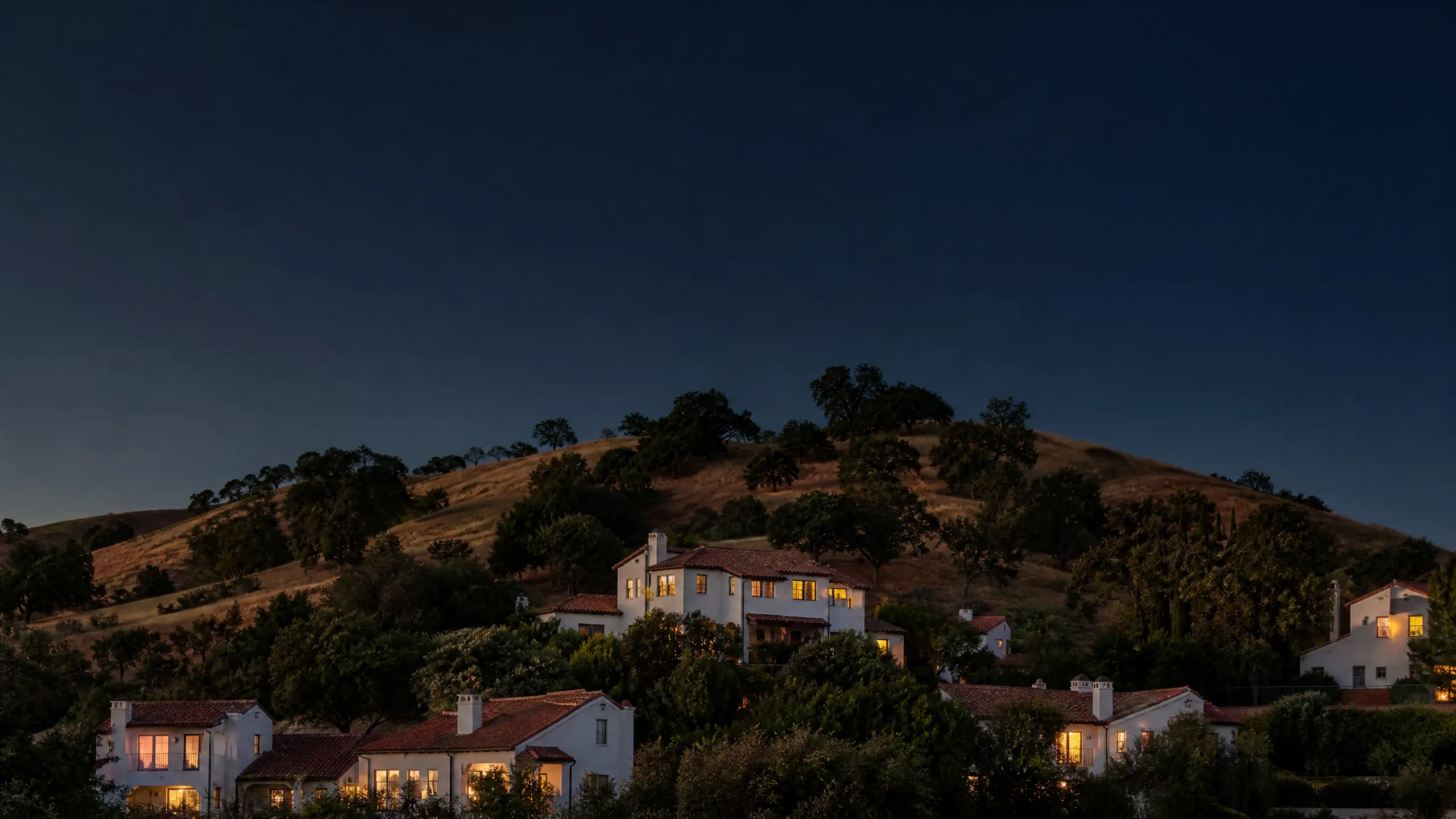

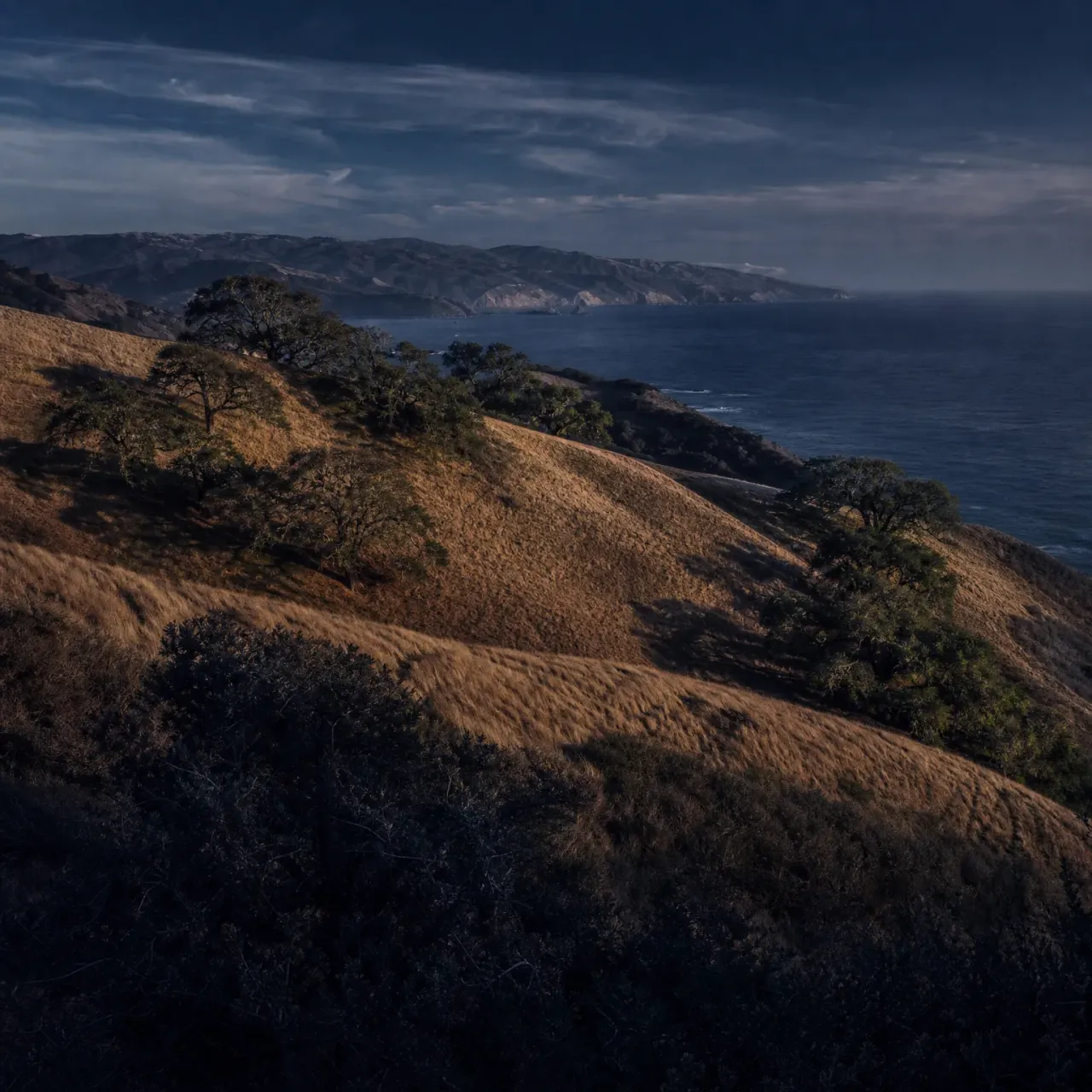

White stucco houses with red tile roofs glowing with interior light at dusk, nestled at the foot of a dry oak-covered hill.

Furnace Installation in Madera, CA

Tell us about the job

Takes about a minute. No obligation.

New system or replacementFurnace or heatingMadera County, CA
Step 1 of 2

What ZIP code is the job in?

Madera County saw 282 severe weather events between 2015 and 2024. Most of that was winter storms, 185 of them, with damaging wind showing up 88 times. Hail and tornadoes hit too, less often but still on the record. A new furnace doesn't ride out weather on its own. When wind or snow takes down a power line, the furnace stops, even a gas one, because the blower and the control board both run on electricity. Statewide, 17% of households went at least a day without power in 2024. That's the kind of outage that turns a cold night into a real problem if nothing's in place to cover it.

8 months
October through May, your furnace is on duty
33°F
the average winter night it heats against
80% AFUE
the federal minimum any new unit must meet
Isometric cutaway illustration of a house showing interior rooms with furniture, a furnace unit with a tall flue pipe outside, and ductwork running through the attic.
Your furnace works hardest from November through April.

NOAA nClimDiv, 1991–2020 normals

Gas cost California homes $18.44 per million Btu in 2024, on the high side for the country.

A high-efficiency furnace earns back its extra cost more slowly here, so backup power and a unit that holds up matter more than squeezing out another point of AFUE.

Eight months of heat is a long time to gamble on a tired furnace

Heat runs October through May
Climate zone 3B
Winter nights average 33°F
Gas Heats Madera County37.8% of homes here run on gas, more than any other fuel

Madera County falls in climate zone 3B under the 2021 energy code, a warm zone with a long cooling season and a short, mild winter. Any furnace installed here still has to meet the federal minimum: 80 percent efficiency for units built before December 18, 2028. After that date, new units have to hit 95 percent. That jump doesn't change what's already in a home or on a truck today, but it narrows what gets manufactured going forward. A furnace bought well ahead of that date can still be a standard 80 percent unit and meet code. Homeowners installing now may also qualify for a federal tax credit on qualifying high-efficiency equipment, worth checking against the specific model before deciding which way to go.

Build this furnace to keep working when the power doesn't

Plan the install with the outage in mind. Ask where the outdoor unit goes and what shields it from wind and debris. Ask what keeps the blower and control board running if the power drops, since a gas furnace still needs electricity to start and push air. Settling that now means less to figure out when a storm actually takes the line down.

Find a contractor
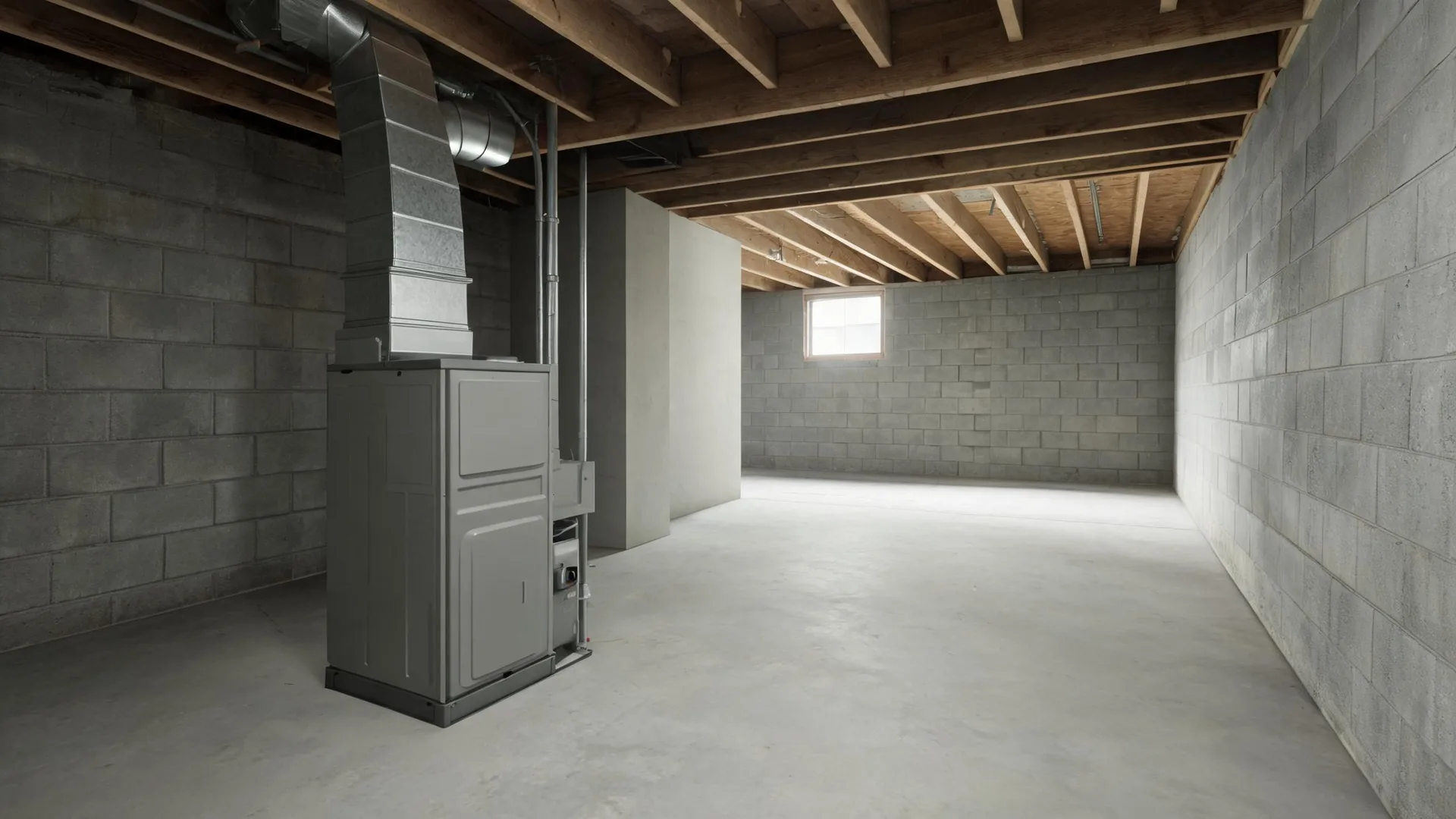
A gas furnace with attached ductwork, gas piping, and condensate lines installed in a concrete-block basement.

Eight months of runtime, every year

Furnaces here run from October through May, eight months out of twelve. That's a long stretch for a blower motor and an igniter to cycle on and off, season after season. Winter storms hit Madera County 185 times between 2015 and 2024, and every one of those is a stretch where the furnace is working hardest right when it's most likely to lose power or take on strain from the cold. A furnace sized and installed for this has a better shot at holding up through that kind of year after year than one picked for the lowest price on the quote.

Ask what size the job calls for, not what size the old one was

A furnace that's too big short cycles, heating the house fast then shutting off before it's wiped out the chill, which wears the heat exchanger and leaves rooms uneven. One that's too small runs constantly and still can't keep up on the coldest nights. Sizing it right means a contractor has to run a load calculation on the house, not just swap in a match for the nameplate on the unit coming out.

Ask how the ductwork factors into the quote

A furnace only moves the air the ducts let it move. If the return side is undersized or a run is crushed or disconnected somewhere in a wall, a brand new furnace will still struggle to heat certain rooms. Any contractor quoting an install should be looking at the duct system, not just the box going in the closet or the attic.

An unfinished basement containing a gas furnace with ductwork in the foreground and miscellaneous stored items along the far concrete wall.

A high-efficiency gas furnace would save about $80 a year to run in Madera County compared with a gas furnace.

  • A high-efficiency gas furnace$420 a year
  • A gas furnace$500 a year

Estimates for a typical Madera County home, from EIA household energy data, California fuel prices and NOAA climate normals. Your home will differ.

Installation day starts with the old furnace coming out, and that alone can take a few hours once the ductwork, gas line, and venting are disconnected. The crew sets the new unit, usually in the same spot unless the layout's changing, then reconnects the gas line and checks it for leaks before anything gets powered on. Venting gets tied in next, and this matters as much as the furnace itself, since a vent pipe that's the wrong size or sloped wrong can let combustion gases back into the house instead of outside. The electrical connections come after that: the blower motor, the control board, the thermostat wire all have to be hooked up and tested. Once it's running, a tech checks the temperature rise across the heat exchanger and adjusts the gas pressure to match what the furnace is rated for. The last step is usually a full cycle test, running the furnace through a heating cycle start to finish to make sure the igniter lights clean, the blower kicks on at the right time, and the system shuts down the way it's supposed to.