






An unfinished basement interior showing a gray furnace unit beneath a bare incandescent bulb, surrounded by exposed joists, concrete walls, cardboard boxes, and utility pipes.

Furnace Installation in Anaheim, CA

Tell us about the job

Takes about a minute. No obligation.

New system or replacementFurnace or heatingOrange County, CA
Step 1 of 2

What ZIP code is the job in?

Most houses in Anaheim heat with gas, 67.2% of homes across Orange County. If a gas furnace is what you have now, a straight swap is usually the simplest install, since the gas line and venting are already in place. Electric heat comes next at 26.8%, and homes without a gas hookup typically go that route or look at a heat pump instead. Either way, matching what the house already has avoids running new lines or wiring to the furnace location.

4 months
December through March, your furnace is on duty
47°F
the average winter night it heats against
67%
of homes here heat with gas, so most furnaces here burn gas
80% AFUE
the federal minimum any new unit must meet
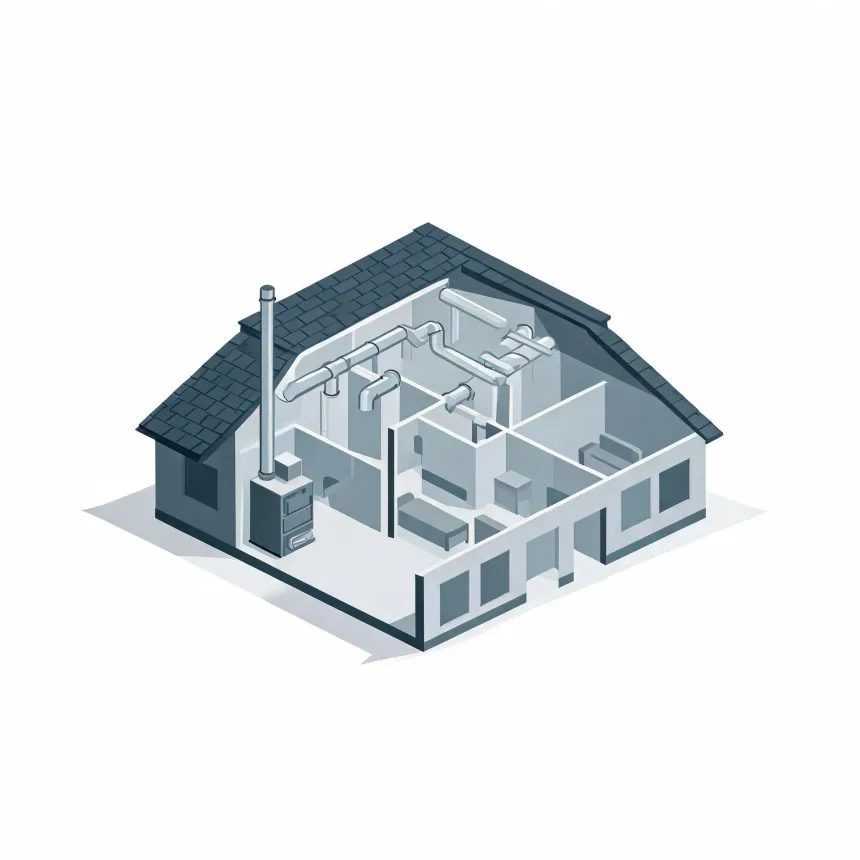
Isometric grayscale illustration of a cutaway house showing interior rooms, ceiling ductwork, a flue pipe, and a furnace unit on the left side.
Your furnace works hardest from December through March.

NOAA nClimDiv, 1991–2020 normals

Half the homes in Orange County were built in 1977 or earlier.

An older furnace location doesn't call for an oversized or special unit, a standard size fits a house whatever year it was built.

Anaheim winters are short and mild, so the furnace you pick matters more for reliability than for the efficiency rating

Heat runs December through March
Winter nights average 47°F
2 winter storms from 2015 to 2024
A standard furnace holds up fine hereOrange County saw 138 damaging wind events between 2015 and 2024

Gas here runs $18.44 per million Btu, on the cheaper side nationally, so a high-efficiency furnace takes longer to earn back the difference in your bill. That changes what's worth paying for. A furnace with a solid repair history and parts that are easy to find will serve you better than one that's a percentage point or two higher on the efficiency rating. Ask the contractor what brands they install most, and why, not just what the AFUE sticker says.

A mild four-month winter doesn't call for a high-efficiency furnace

Furnace season here runs December through March, and overnight lows average 47°F. That's a light load for a furnace to carry. You don't need the top efficiency model to stay warm through a winter like that.

Find a contractor
A man in a dark T-shirt and tan work pants, seen from behind, climbs porch steps toward a blue front door while carrying a canvas tool bag filled with hand tools.
A gray residential gas furnace installed in an unfinished basement, surrounded by ductwork, a metal flue pipe, and a gas supply line.

Install before December, not after

Furnace season here runs December through March, four months a year. November is the month before it starts, and that makes it the month to get a new furnace in. You get to pick the contractor and the unit on your own schedule, instead of calling around while the house is cold. A furnace that's already struggling tends to show it in November, longer run times, a harder time keeping the house even. If yours is doing that now, waiting for December to make the decision for you means fewer options and less time to compare.

Size comes from a load calculation, not the old unit's rating

A contractor works out the right size by looking at the square footage, the windows, the insulation, and the ceiling height, not by matching whatever furnace is already there. A furnace installed years ago may have been sized wrong from the start, or sized for a house that's since had windows or insulation changed. Pulling the old nameplate and ordering the same number skips the one step that actually matters.

Bigger isn't safer, it's harder on the house

An oversized furnace heats the air fast, hits the thermostat setting, and shuts off before it's pulled moisture out of the air or warmed the walls and furniture. That cycle, on and off and on again, wears the heat exchanger and the igniter faster than a furnace that runs longer stretches at a steadier pace. A furnace sized to the house runs longer, warms it more evenly, and holds up better over the years.

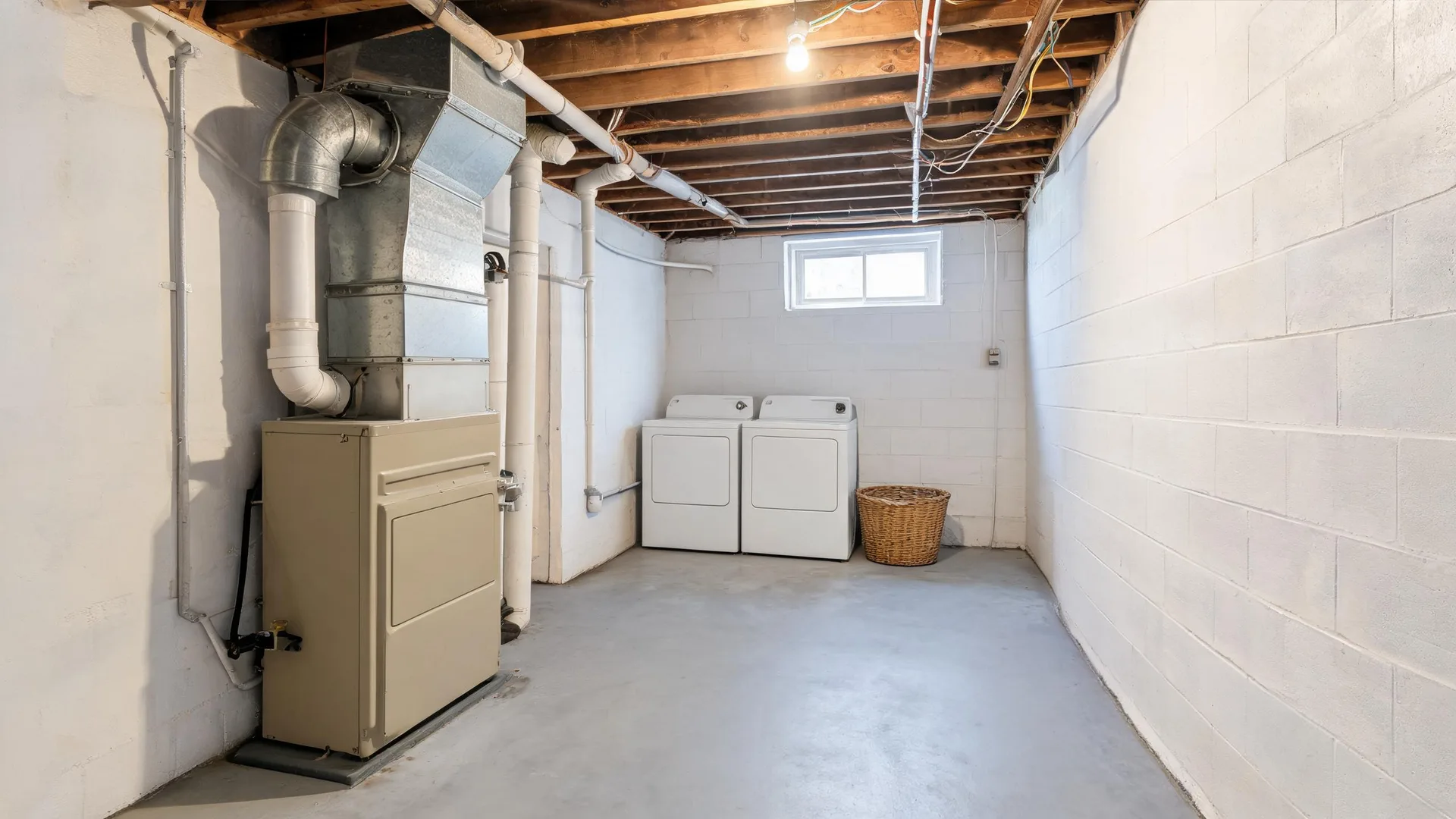
A gray forced-air furnace with ductwork stands in an unfinished concrete basement surrounded by storage items and clutter.

A high-efficiency gas furnace would save about $30 a year to run in Orange County compared with a gas furnace.

  • A high-efficiency gas furnace$150 a year
  • A gas furnace$180 a year

Estimates for a typical Orange County home, from EIA household energy data, California fuel prices and NOAA climate normals. Your home will differ.

Installation takes most of a day, sometimes longer if the venting needs rework to meet current code. The contractor starts by pulling the old furnace and checking the ductwork, the gas line, and the vent pipe for anything that needs to change. Setting the new unit, connecting the gas line, and running the vent takes up the middle of the day. Near the end comes the part that matters most. The contractor checks the gas pressure, confirms the flue is drawing right, and checks the temperature rise against what the manufacturer specs for that furnace. A unit that gets fired up and left without those checks hasn't really been finished. Expect the house to be without heat for stretches during the day, and some noise while the work is going on. Before the contractor leaves, you should get a walkthrough of the new thermostat and the filter location.