Heat pump vs furnace in Orange County, California

Find a Local Installer

Get a price before you decide

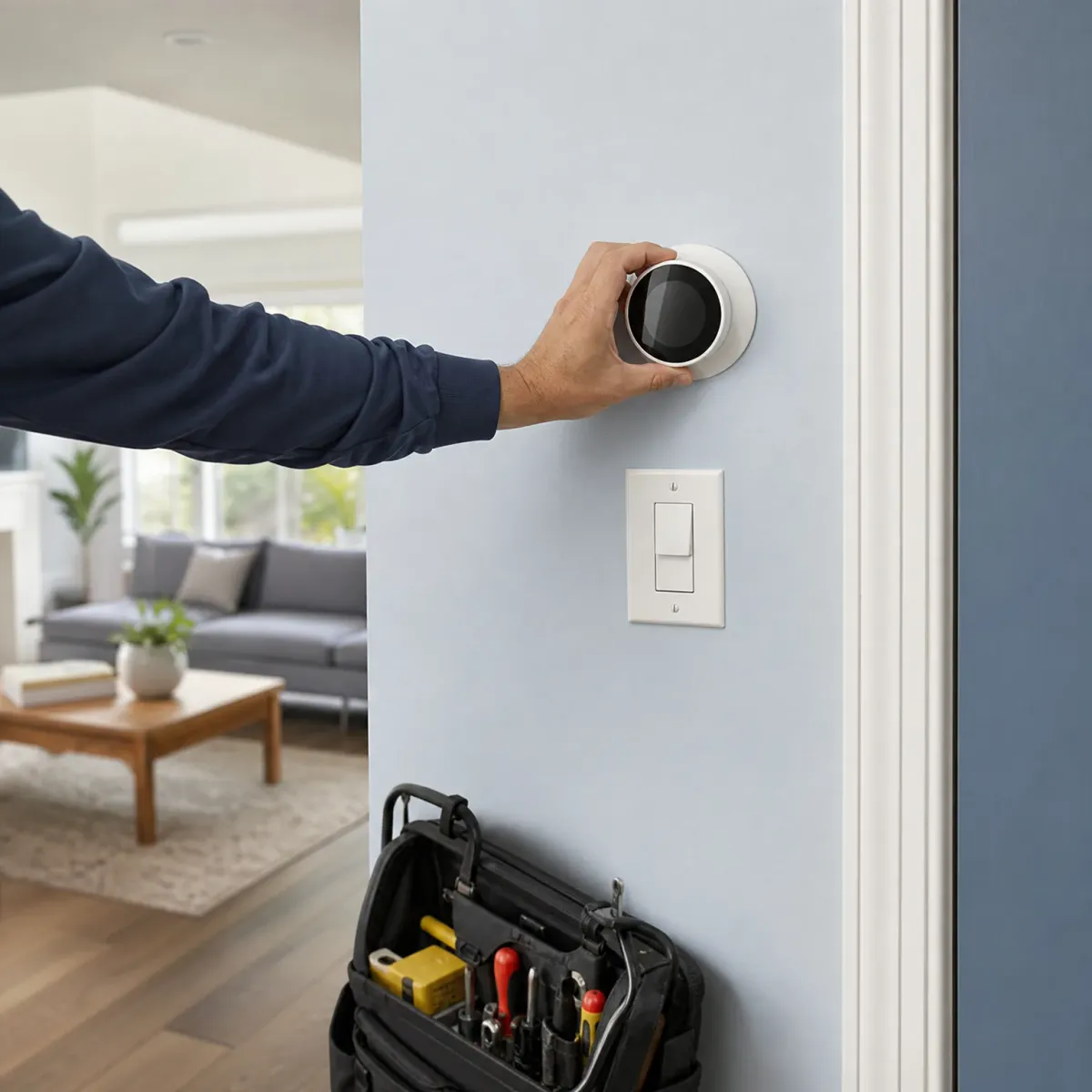
A person's arm in a navy sleeve reaches to adjust a round white wall-mounted thermostat above a light switch, with an open tool bag below and a living room with a sofa in the background.

Tell us about the job

Takes about a minute. No obligation.

New system or replacementOrange County, CA
Step 1 of 3

What kind of equipment?

Which costs less to run in Orange County?

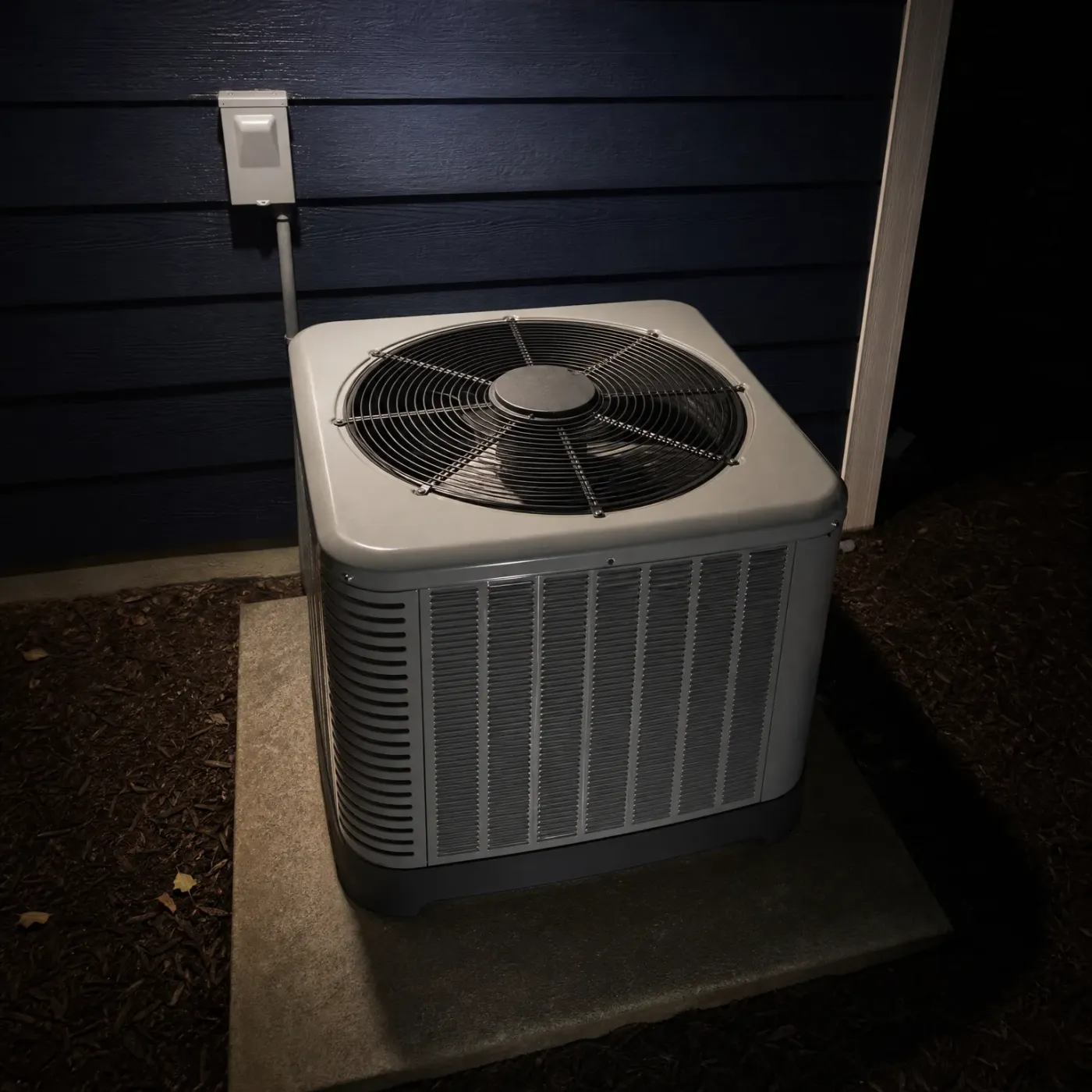
An outdoor air conditioning condenser unit with a top-mounted fan grille sits on a concrete pad beside a dark blue lap-sided wall with a small electrical disconnect box and conduit above it, surrounded by mulch at night.

Heat pump

To heat your home here$4.26per 100,000 Btu

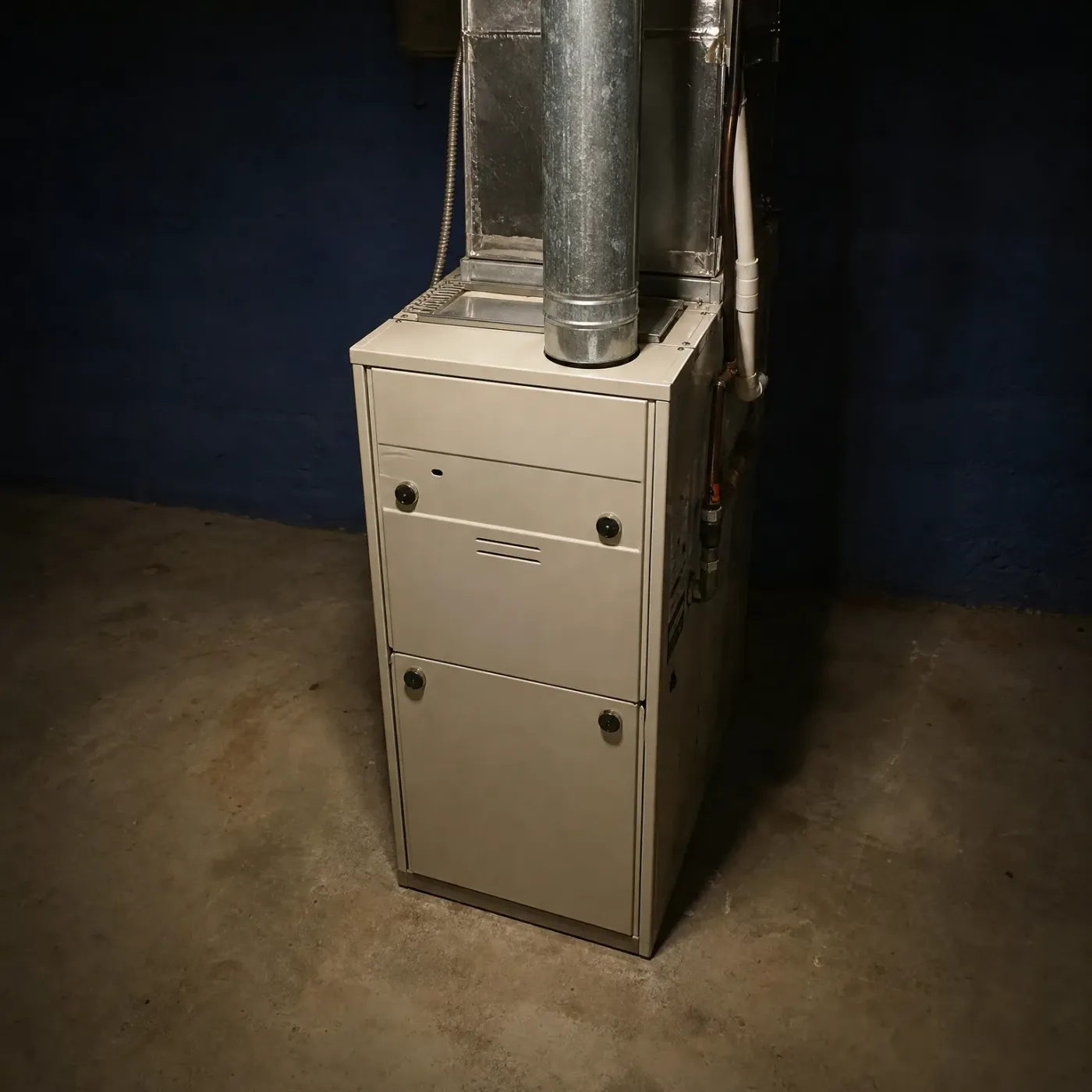
A beige residential furnace stands on a concrete basement floor against a dark blue painted wall, with galvanized metal ductwork and a flue pipe rising from its top and white pipes running along its right side.

Furnace

To heat your home here$2.31per 100,000 Btu

At California's gas and electricity prices, a gas furnace makes the same heat as a heat pump for at least 45% less.

Btu stands for British thermal unit, the standard measure of heat energy.

Where does a heat pump shine?

  • Made for mild winters

    Winter nights in Orange County average 47°F, nowhere close to freezing. A heat pump handles that kind of cold easily, so it can carry your house through the winter on its own.

    A covered white porch on a navy clapboard house with a light blue front door, a white rocking chair draped with a blue blanket, a pair of brown boots by the door, and dried hydrangeas and shrubs with patches of snow on the ground.
  • Covers a long cooling season

    Cooling runs June through October here, so the compressor side of a heat pump stays in steady use most of the year. A system built to do that job well all season is worth having, since it's not sitting idle most months.

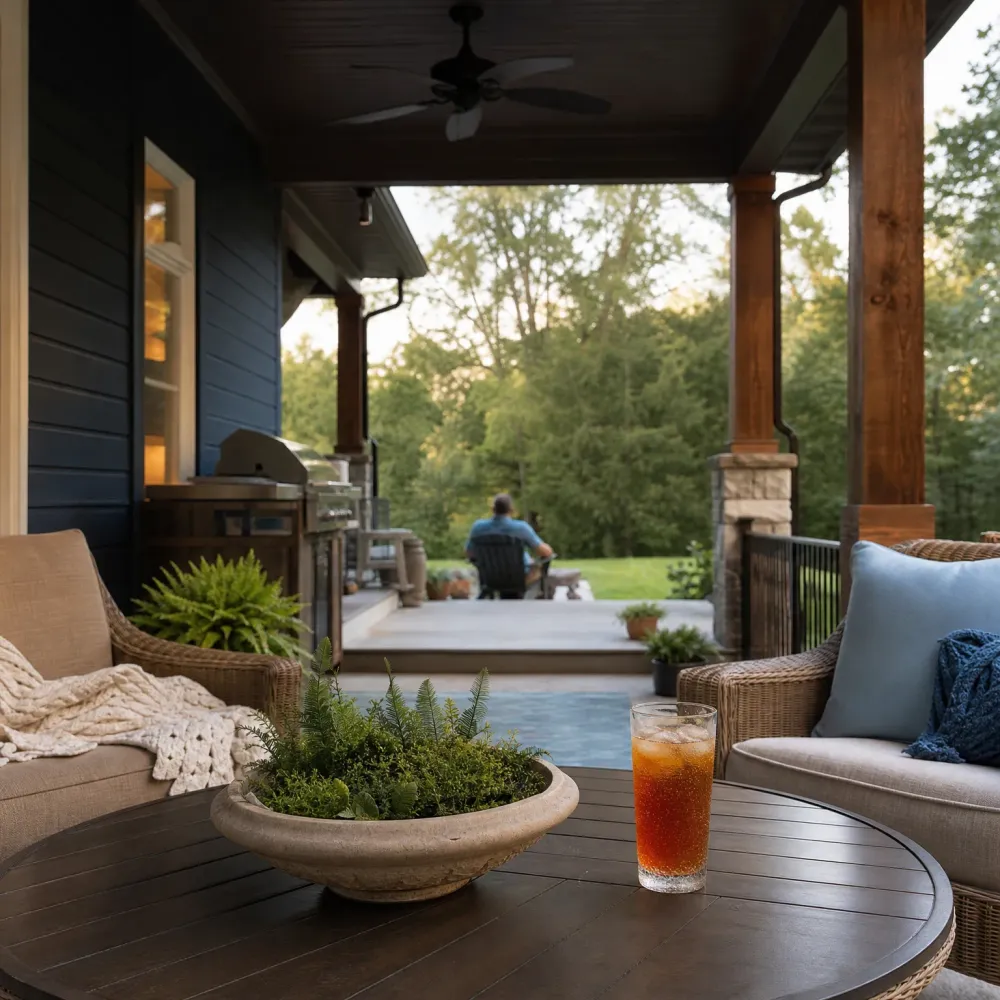
    Covered porch with wicker chairs, cushions and a throw blanket, a dark round table holding a glass of iced tea and a stone planter of greenery, with a ceiling fan above and a seated person on a patio beyond.
  • No gas line, nothing burning in the house

    There's no gas line to the unit and no flame anywhere in it. Carbon monoxide isn't part of the picture.

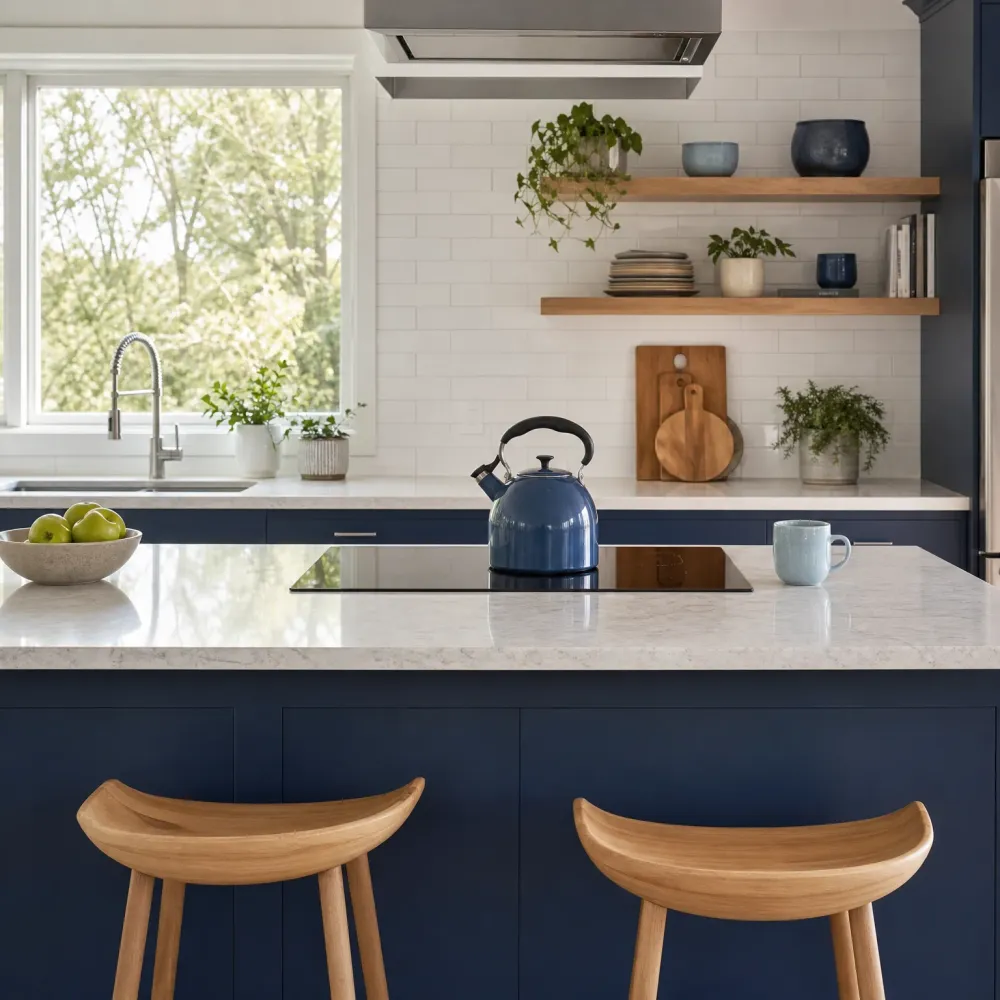
    A kitchen with navy cabinets, white subway tile backsplash, wooden open shelves holding bowls and plants, a light speckled island with an induction cooktop, a blue kettle and mug, two wooden stools, and a window over the sink.

Where does a furnace shine?

  • Runs on the gas most homes here already use

    Most homes in Orange County already heat with gas, 67.2 percent of them. If your house is one of those, a furnace just uses the line that's already run to it.

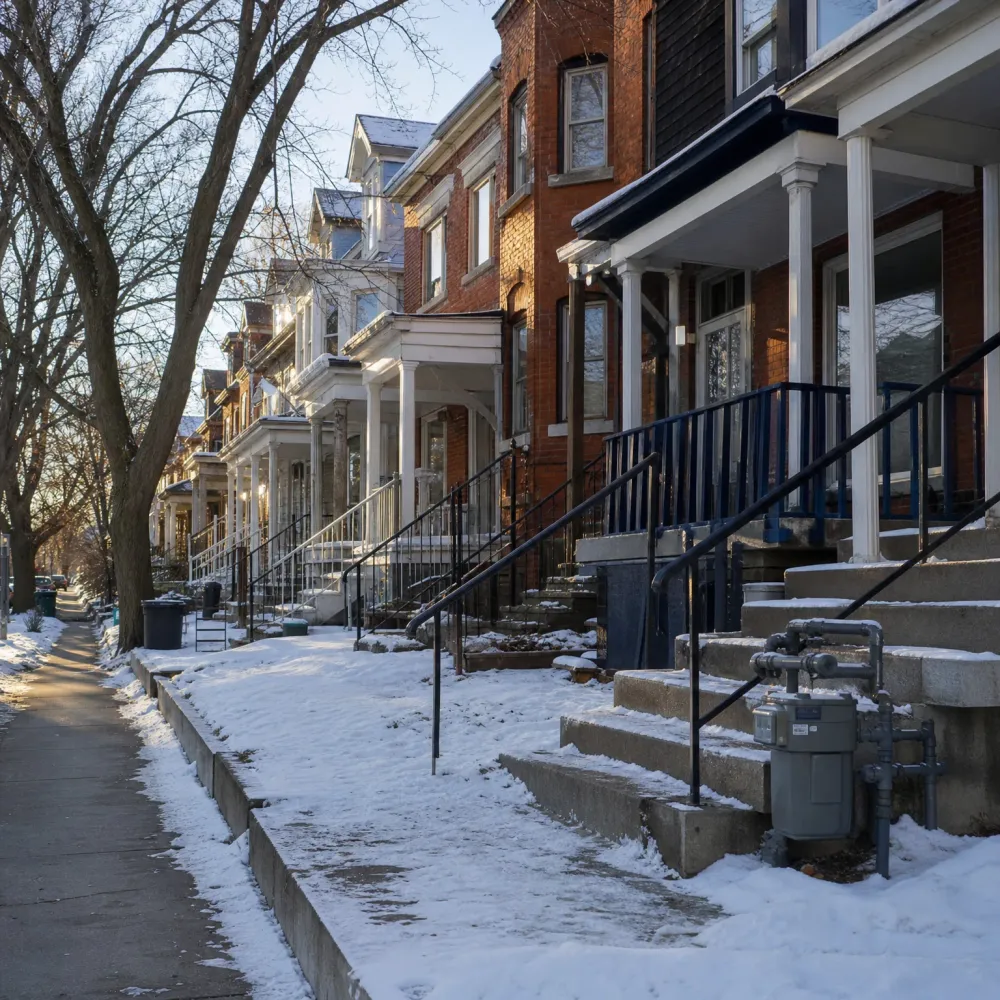
    A row of brick houses with covered porches, concrete front steps and metal handrails along a snow-covered residential street with bare trees and a cleared sidewalk.
  • Pairs with any central AC

    Most central air systems are built around a furnace. The two share the blower, the ducts and the thermostat.

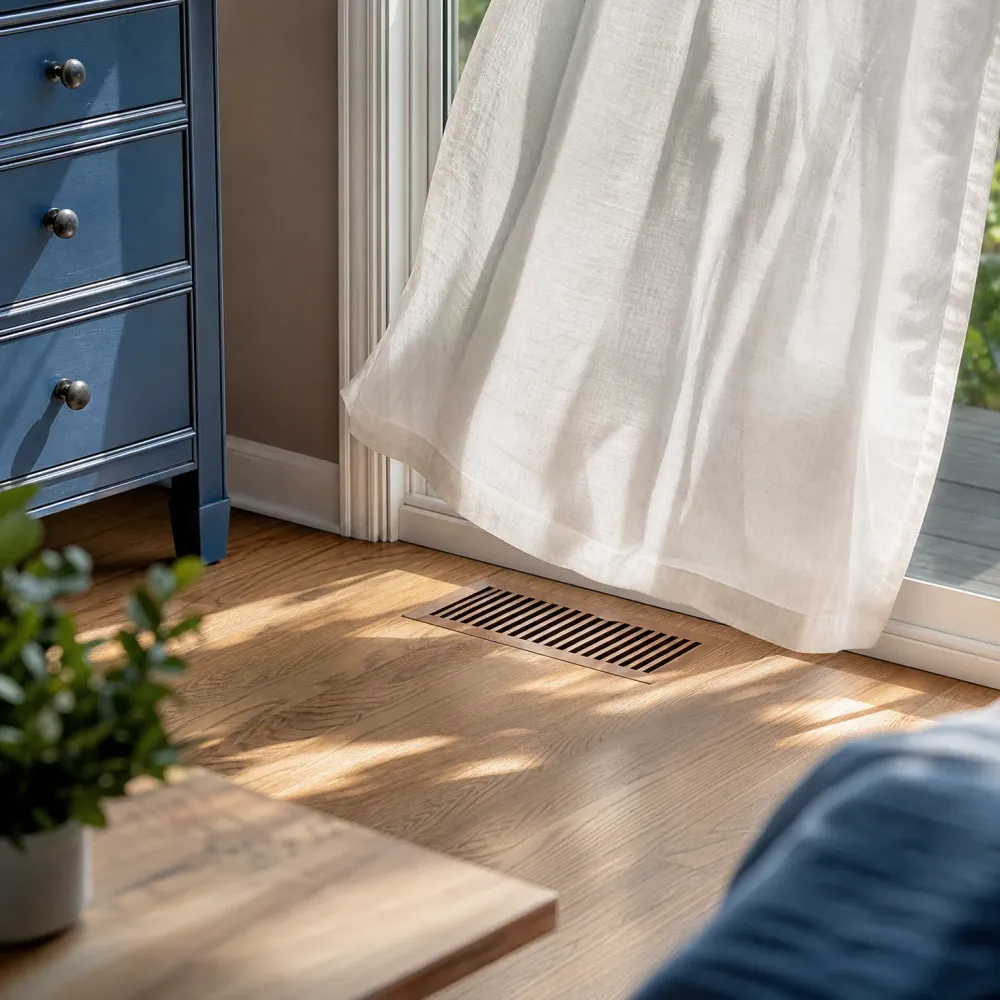
    A rectangular floor vent set into light wood flooring near a glass door with a white sheer curtain, beside a blue dresser and a potted plant.
  • Proven, simple, easy to get serviced

    Gas furnaces have heated homes for generations. Almost every HVAC tech knows them inside and out.

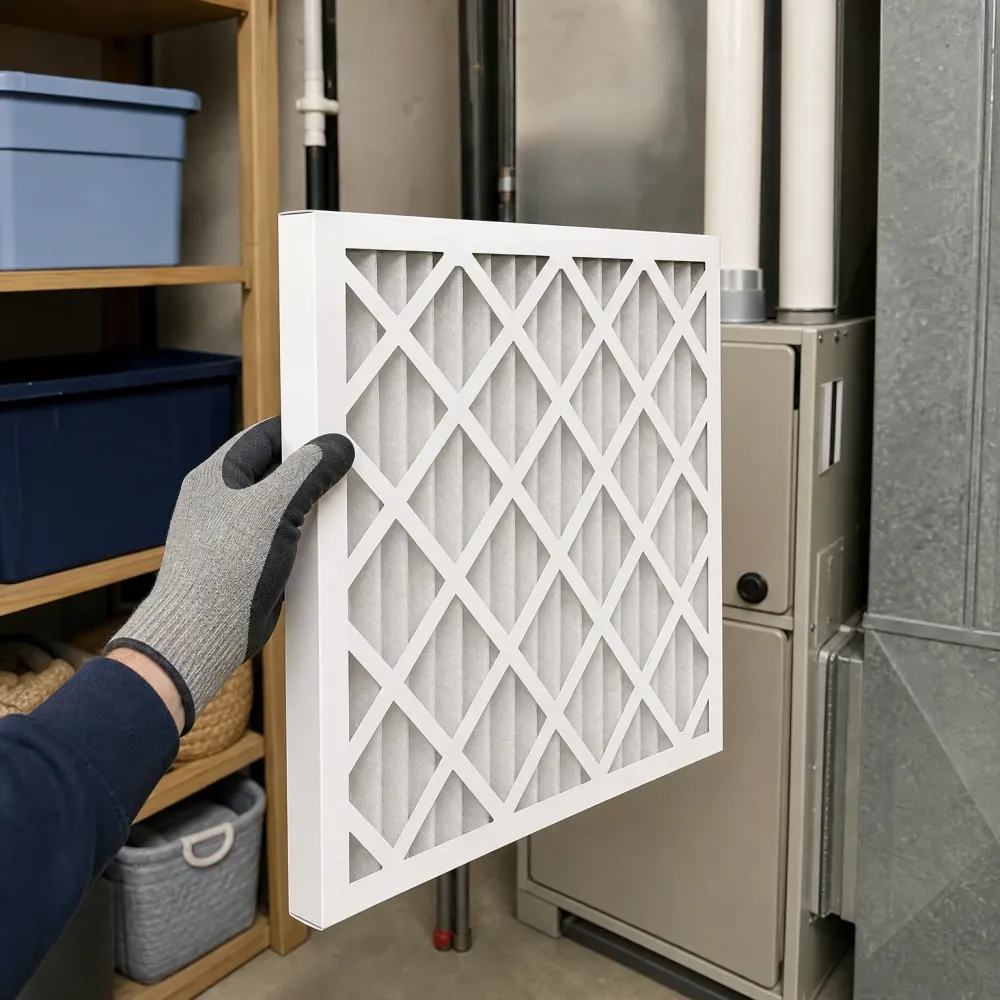
    A gloved hand holds a pleated air filter with a white cardboard frame in front of a furnace and ducting, beside shelving with plastic storage bins.

Why a furnace costs less to run here

Winter here is short and mild, and that shapes this whole decision. The heat runs about four months, December through March, and the overnight low averages 47 degrees. Freezing nights happen fewer than one night a year. A heat pump never has to fight real cold in Orange County, which is exactly the weather it's built for.

Even so, a gas furnace is cheaper to run. A heat pump built to the federal minimum makes heat here for $4.26 per 100,000 Btu. A furnace built to the same minimum makes it for $2.31. That gap is electricity against natural gas: California charges $93.69 per million Btu for electricity and $18.44 for gas, and no amount of mild weather closes a gap that size.

Two in three homes here already heat with gas, and one in four with electricity. That split is worth noting because of what it means for installation, not just operation. A home already piped for gas can put in a furnace without touching the gas line. A home with no gas line would need one run before a furnace is an option, and that's a cost the running numbers above don't include.
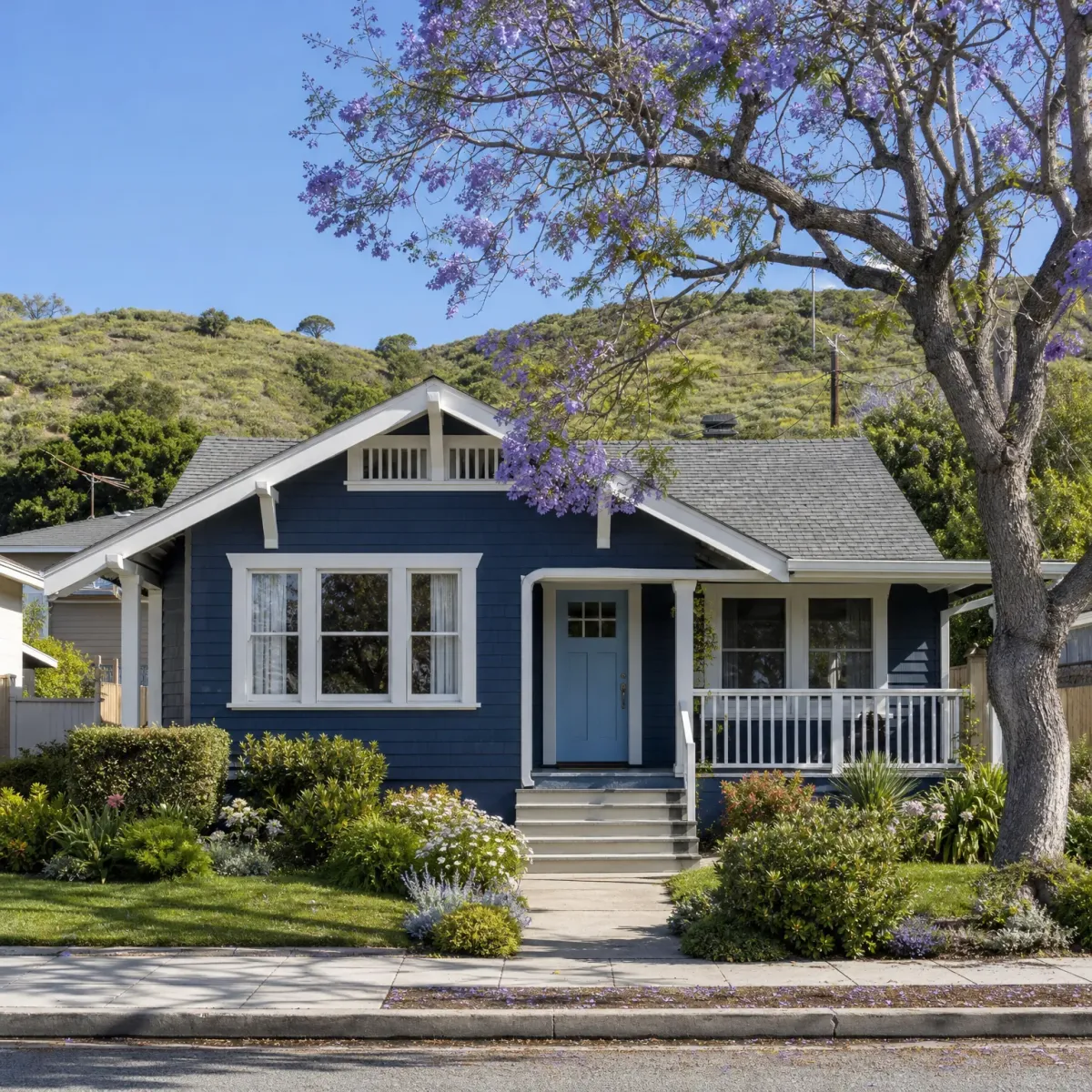
A navy blue single-story craftsman bungalow with white trim, a light blue front door, covered porch, and shingled roof, fronted by garden beds and a concrete walkway, with a flowering purple tree at right and a green hill behind.

What this means for your air conditioning

Cooling runs longer than heating here, about five months against four, which is worth sitting with before you decide. A furnace only ever does one job. It heats the four months from December through March and sits unused the other eight, including all five months of cooling season. It has to be paired with a separate central air conditioner to cover the rest of the year.

A heat pump does both from one system. It heats the four winter months and cools the five summer ones, with no second machine and no gas line feeding it. For a house with a longer cooling season than heating season, that's one piece of equipment doing a job a furnace needs help with.

So the choice comes down to what you're optimizing for. If the lowest cost to heat your home is what matters most, the furnace wins clearly, paired with a central AC for summer. If you'd rather run one system year-round and keep gas out of the house, the heat pump does that, at a higher running cost for its four months of winter work.

Sources: NOAA nClimDiv · NOAA 1991–2020 seasonal normals · EIA SEDS 2024 · Census ACS 2020–2024 · 10 CFR 430.32

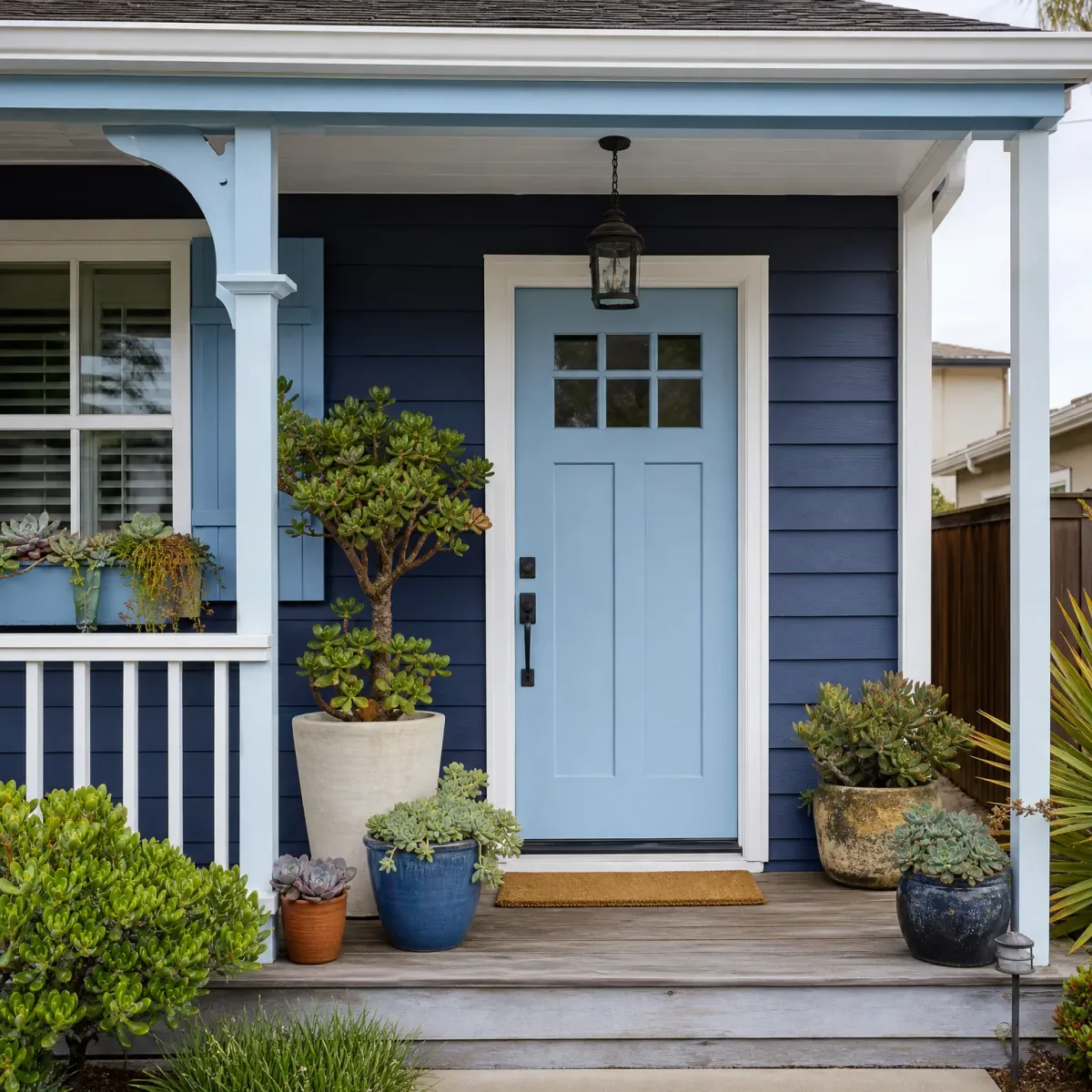
A navy blue house with a covered porch, white trim and columns, a light blue front door with six glass panes, a hanging lantern, a coir doormat, and potted succulents and a jade plant on the wooden deck.