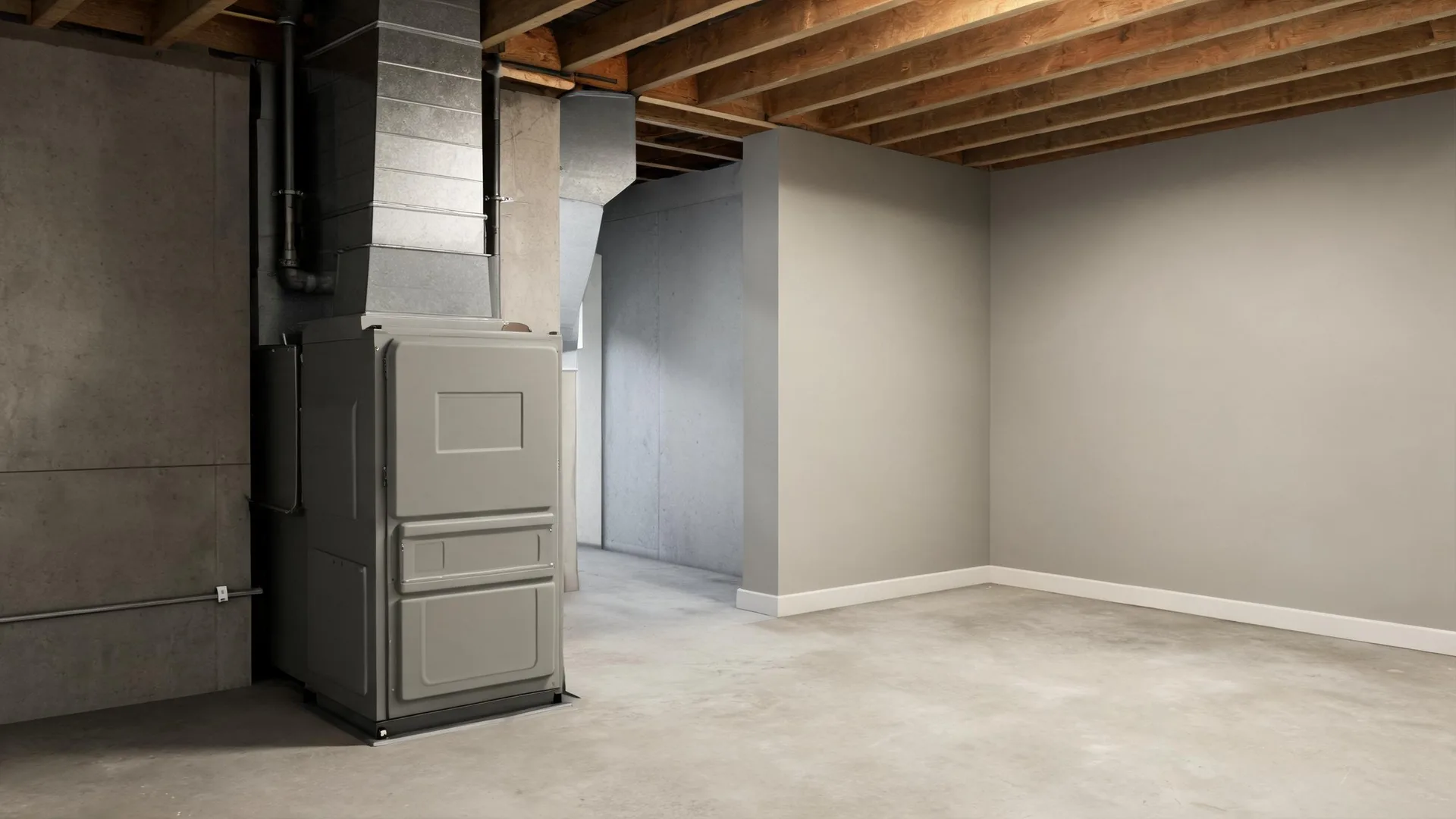
Gas is the default here
Utility gas heats 56.9% of Sacramento County homes, more than any other fuel. If your house already has a gas line run to a furnace, replacing it with another gas furnace is usually the straightforward path.
Takes about a minute. No obligation.
Utility gas heats 56.9% of Sacramento County homes, more than any other fuel. If your house already has a gas line run to a furnace, replacing it with another gas furnace is usually the straightforward path.
Electricity heats 38.7% of homes in the county, so a gas furnace isn't the only system going in here. If your current setup is electric, the replacement options are different, and worth asking about specifically.
NOAA nClimDiv, 1991–2020 normals
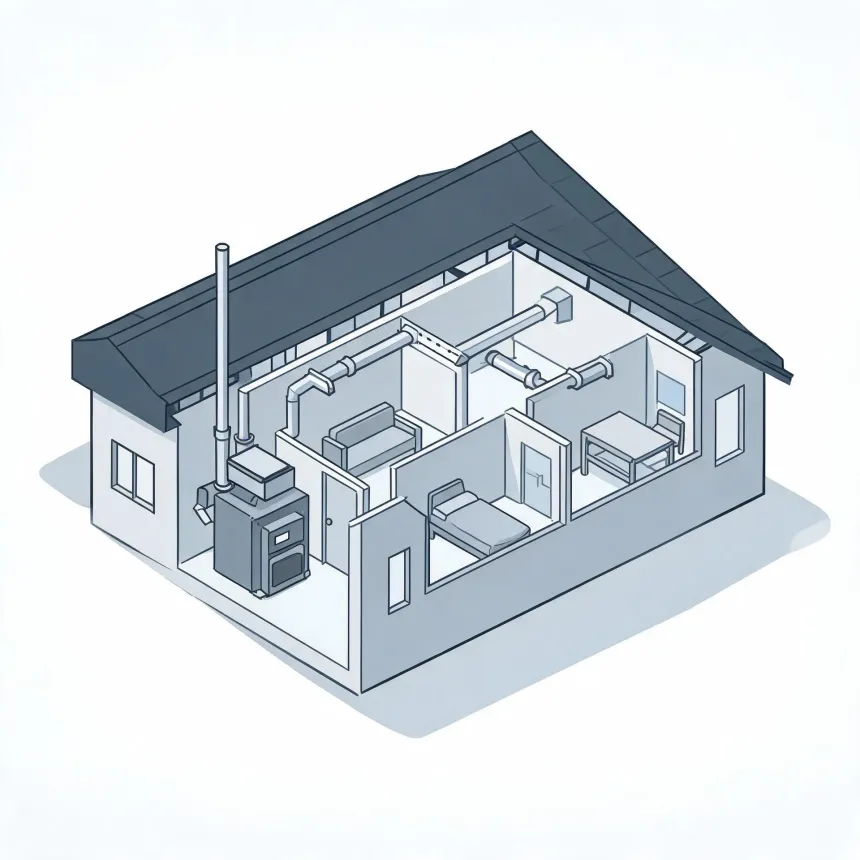
The furnace itself is only part of the bill, the ductwork it ties into often costs more to get right.
If your ducts are undersized or leaking, fixing them before the new furnace goes in is what makes it actually heat the house.




Any furnace installed here now has to hit at least 80 percent AFUE. That's the federal minimum for non-weatherized gas furnaces, and it holds regardless of how mild winters are here. The standard does tighten, to 95 percent AFUE, but that's tied to when a furnace is manufactured, not something your household has to plan around now. A high-efficiency furnace can still make sense even with a short winter, since a federal tax credit is available on qualifying equipment. Sacramento's winters are short, but summers run long and hot, so it's worth asking what a system does on the cooling side too, not just how it heats.
Cheap gas means a high-efficiency furnace takes years longer to pay back here. Put the weight on how it's built and how it runs over time, and let a contractor help you weigh that against the rating.
Find a contractor
Heat runs here from November through April, about six months. The rest of the year the furnace sits idle. Overnight lows average 40°F even at the coldest part of winter, so it isn't being asked to fight single-digit nights or hold a house warm against a hard freeze. That's a light load for a furnace to carry. A system here racks up far less wear than the same furnace would in a colder state over the same years. When one does fail early, age or a skipped service is the more likely reason, not the workload.
The gas line gets capped or rerouted, the flue is removed or sealed off, and the old unit is cut loose from the ducts and carried out. None of that metal goes back in. It's scrapped.
Whatever ducts are already running through the house are what the new furnace ties into. If they were sized for the old unit, a contractor checks that they still match the new one before it's hooked up, not after.
Estimates for a typical Sacramento County home, from EIA household energy data, California fuel prices and NOAA climate normals. Your home will differ.
The old furnace comes out first. Then the contractor checks the gas line, the vent or flue, and the electrical connection before the new one goes in. Each gets tested on its own. Gas pressure gets checked. The flue gets checked for proper draft. The blower gets checked for the right airflow. Once it's all connected, the system runs through a full cycle, heat on, then off, so any adjustments happen before anyone's relying on it. The last step is usually a walk-through, where the contractor shows you the thermostat settings and anything you need to know about filters and upkeep going forward. A furnace installed right shouldn't need attention again beyond routine service.