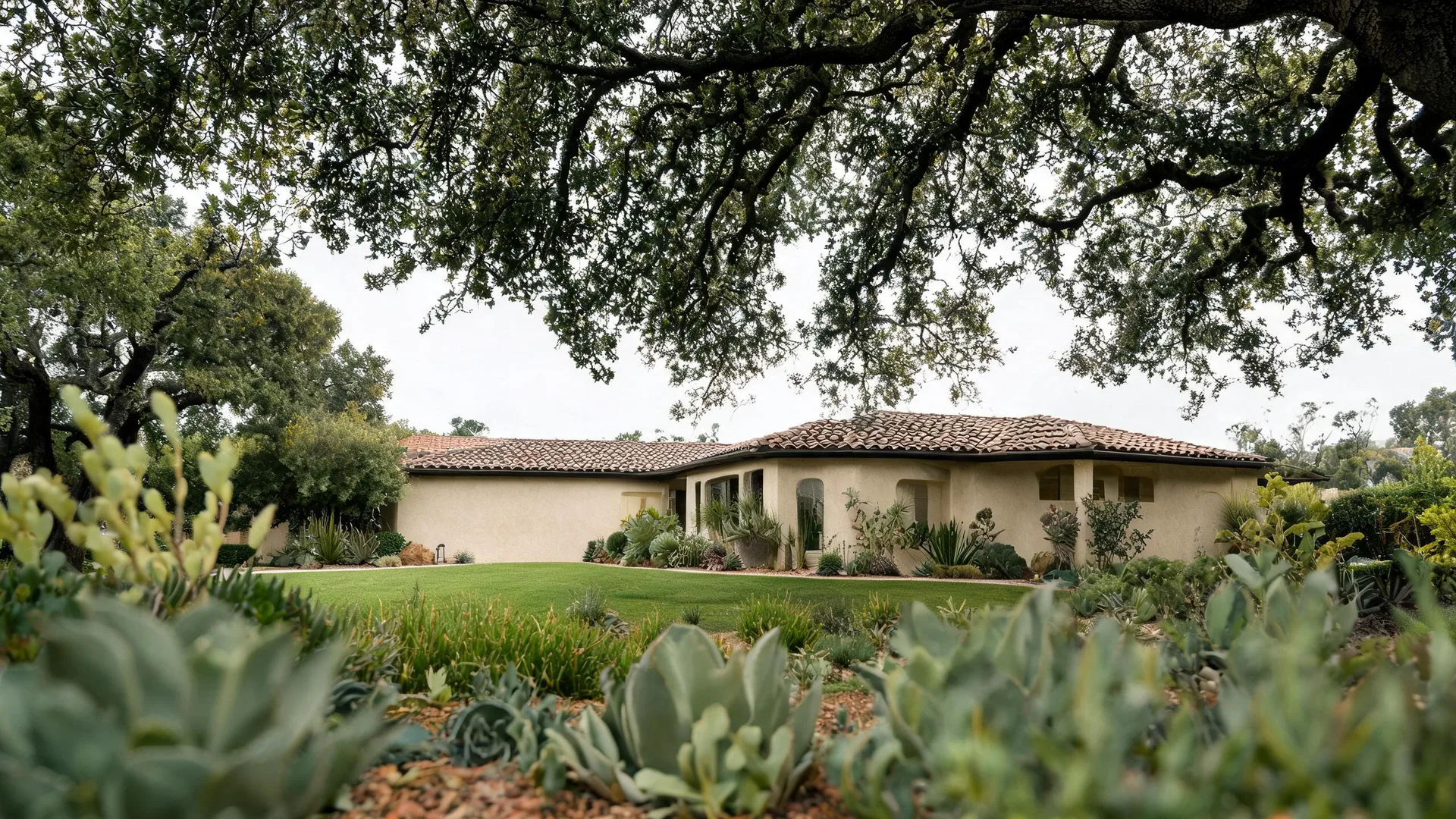





A single-story stucco house with a tiled roof sits behind a lawn, framed by overhanging oak branches and a foreground of succulents and agaves.

Furnace Installation in Davis, CA

Tell us about the job

Takes about a minute. No obligation.

New system or replacementFurnace or heatingYolo County, CA
Step 1 of 2

What ZIP code is the job in?

Gas heats most homes in Yolo County, close to six in ten. If your old furnace runs on gas, putting in another gas furnace is usually the straightforward call. The gas line is already there, the venting is already there, and a contractor can size the new unit to the ductwork you have. Electric heat is the next most common here, and those homes have a different set of options. Either way, the right size for your furnace depends on your house, not just what was there before.

6 months
November through April, your furnace is on duty
39°F
the average winter night it heats against
60%
of homes here heat with gas, so most furnaces here burn gas
80% AFUE
the federal minimum any new unit must meet
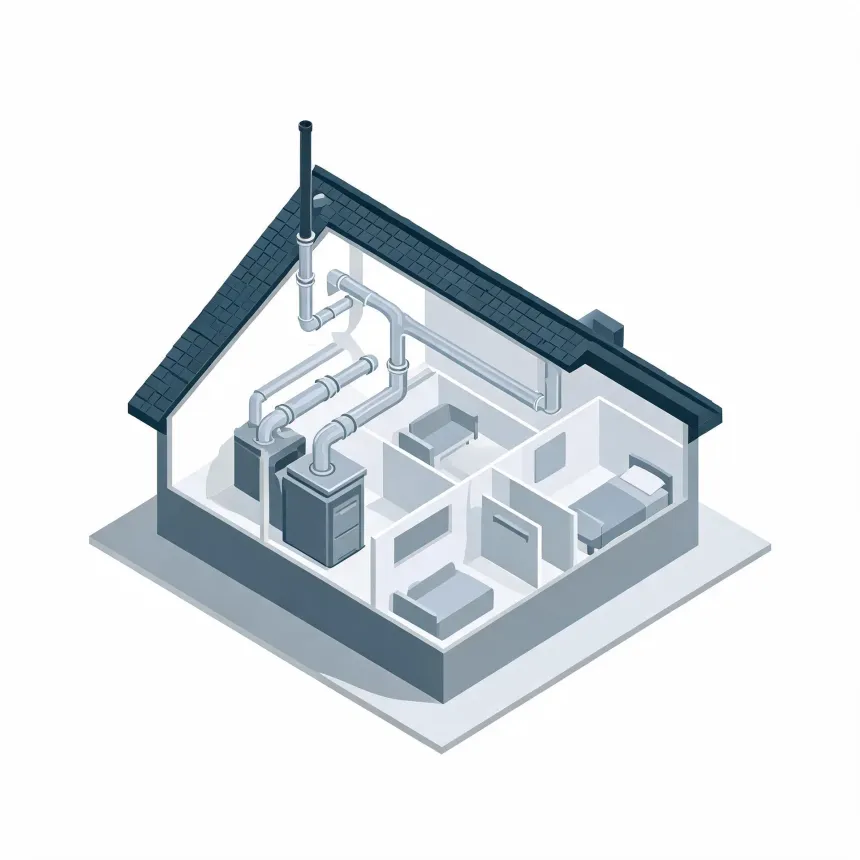
Isometric illustration of a cutaway house showing a furnace unit with ductwork and a flue pipe running through the interior rooms, which contain simple furniture.
Your furnace works hardest from November through March.

NOAA nClimDiv, 1991–2020 normals

Furnaces in Davis start working in November.

October is the month to have the new one in, before you need it.

Gas costs more here, so the furnace you pick matters more than the sticker on it

Heat runs November through April
Winter nights average 39°F
Climate zone 3B

Your furnace only has to carry Davis through about six months, November to April. Overnight lows average 39°F in December and January, which is cold enough to need heat but not the kind of deep freeze that pushes a system hard. That makes this a short, mild season as far as furnaces are concerned. A well-built mid-range furnace will keep up fine without strain. The harder question is sizing it to your house and your ductwork, not chasing the highest efficiency number on the shelf.

Any new furnace here has to meet 80 percent AFUE

Any furnace sold here has to clear 80 percent AFUE, so that floor is already decided. For a mild zone like this one, a unit at or near that minimum does the job without trouble. The bigger question is matching the furnace to your ductwork, which a licensed contractor works out when sizing the install.

Find a contractor
A man in a dark shirt and tan pants carries a canvas tool bag as he walks up concrete steps toward a blue front door on a porch with a potted shrub.
A gas furnace with attached ductwork, gas piping, and condensate lines installed in a concrete-block basement.

The rating measures the burner, not your house

AFUE tells you how much of the fuel your furnace burns turns into heat for the house. The rest goes straight out the flue. A higher number means less waste. It also means more parts, because a high efficiency furnace adds a second heat exchanger and a condensate drain and a different venting setup. More parts means more that can need service over the years. The rating is measured the same way for every furnace, so it is one of the few numbers on the sheet you can actually compare side by side. What it cannot tell you is how the furnace will perform in your house. That comes down to sizing and ductwork, not the combustion process. A furnace sized wrong will run longer and less evenly than the label suggests, no matter how high the number is.

Bigger isn't the same as better

An oversized furnace heats the house fast, then shuts off, then starts again a short while later. That start-stop pattern wears on the igniter and the blower motor faster than steady, longer cycles do. A furnace sized to the house runs longer stretches at a time and holds the rooms more evenly, which is easier on the equipment over the years.

The math comes from the house, not the old unit

Sizing a furnace right means a contractor works out how much heat the house loses through its walls, windows, and roof, room by room, then matches the furnace output to that number. The ductwork has to move the air the furnace puts out, so a contractor checks duct sizing too, not just the furnace rating. None of that comes from matching the new unit to whatever was there before. The old furnace could have been sized wrong from the start.

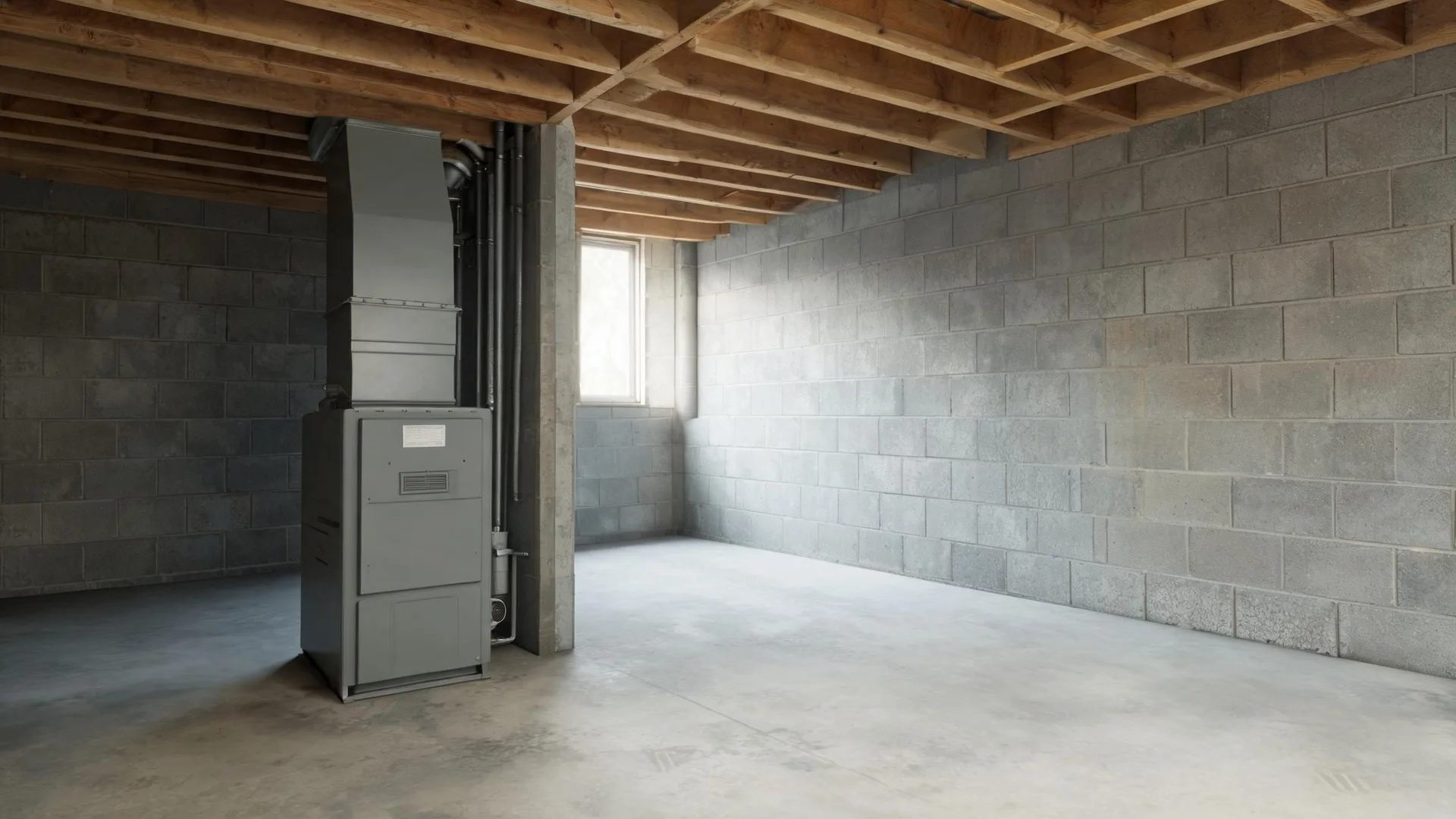
An unfinished basement featuring concrete block walls, exposed floor joists, a bare concrete floor, and a forced-air furnace with a large metal exhaust duct in the corner.

A high-efficiency gas furnace would save about $50 a year to run in Yolo County compared with a gas furnace.

  • A high-efficiency gas furnace$260 a year
  • A gas furnace$310 a year

Estimates for a typical Yolo County home, from EIA household energy data, California fuel prices and NOAA climate normals. Your home will differ.

Installation day starts with the old furnace coming out, along with anything about the venting or gas line that doesn't meet current code. That part often takes longer than people expect, especially if the new furnace needs different clearances or a different vent pipe than the old one used. Once the old unit is clear, the new furnace gets set, connected to the gas line, the ductwork, and the venting, then checked for a tight seal everywhere air or exhaust passes through. A contractor runs the system through a full cycle before calling it done, checking the flame, the temperature rise across the heat exchanger, and the draft pulling exhaust out correctly. The thermostat gets wired in and tested last, since it has to talk to the new furnace correctly, not just power on. A straightforward swap, same fuel type and similar ductwork, is usually a one-day job.