Heat pump vs furnace in Yolo County, California

Get an Install Quote

For homes in Yolo County

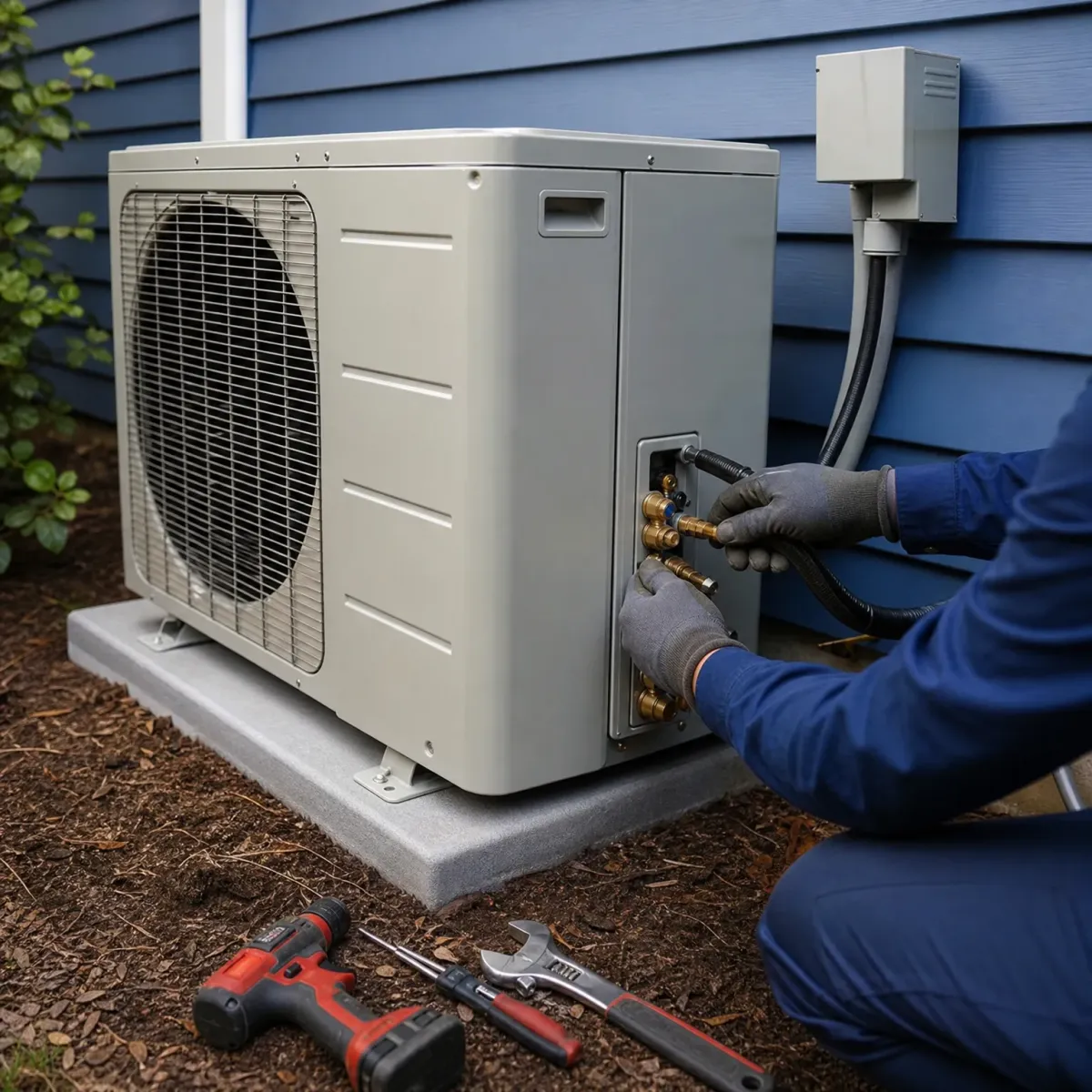
A person in a blue uniform and gray gloves works on the pipe connections of a gray outdoor condenser unit mounted on a concrete pad beside a blue clapboard wall, with a drill and wrench lying on mulch in the foreground.

Tell us about the job

Takes about a minute. No obligation.

New system or replacementYolo County, CA
Step 1 of 3

What kind of equipment?

Which costs less to run in Yolo County?

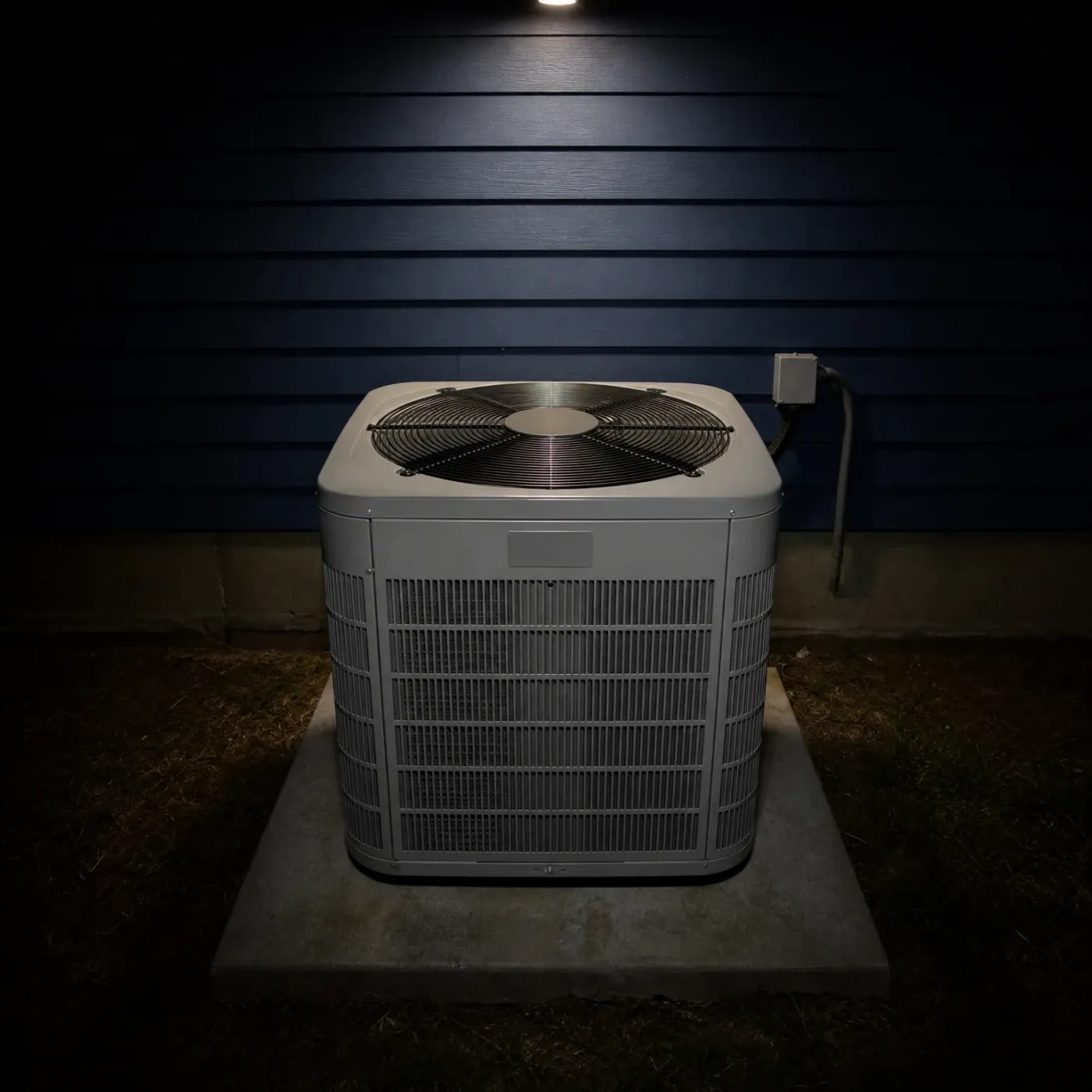
An outdoor condenser unit on a concrete pad against dark blue horizontal lap siding at night, lit from above, with a disconnect box and conduit on the wall behind it.

Heat pump

To heat your home here$4.26per 100,000 Btu

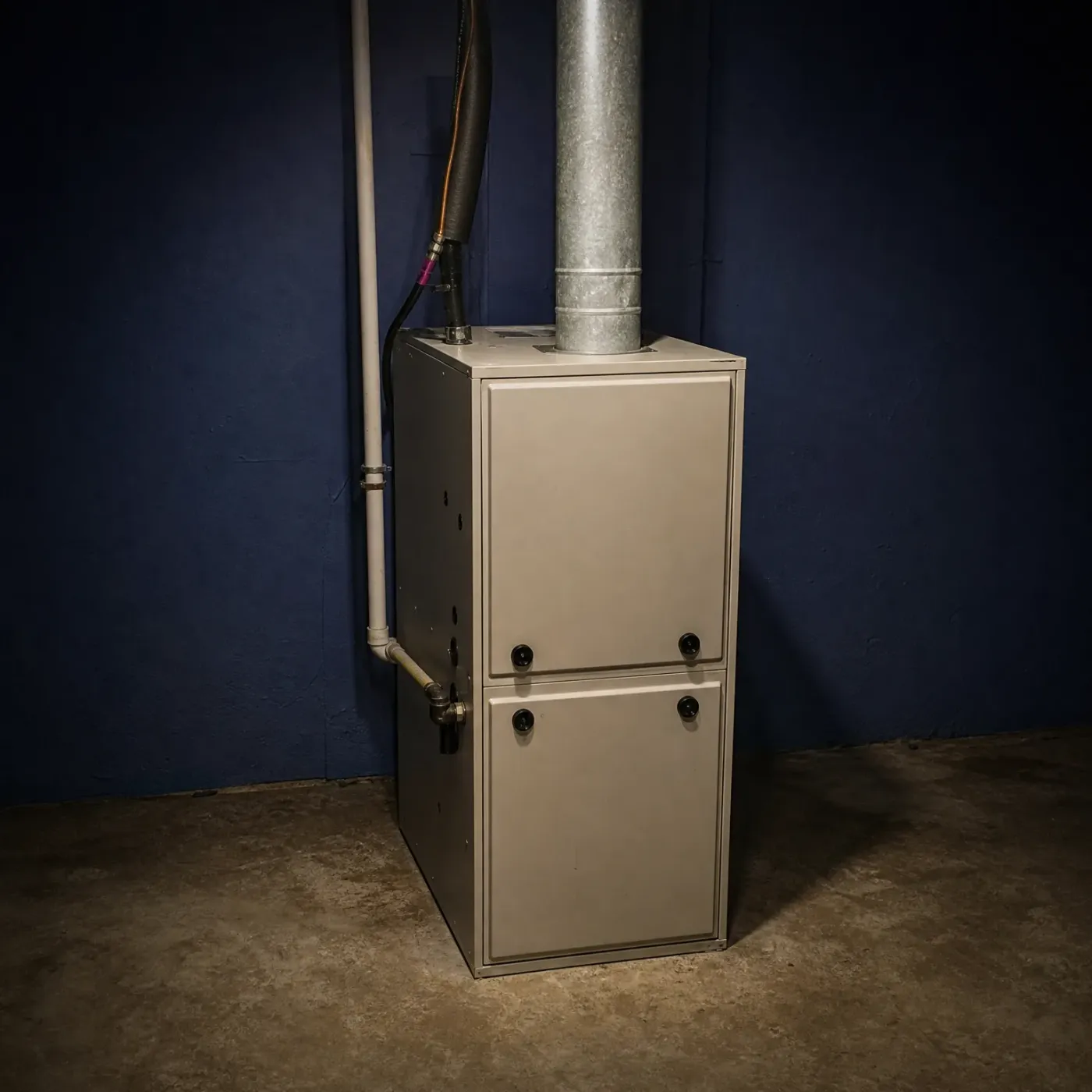
A beige furnace cabinet stands against a dark blue wall on a concrete floor, with a galvanized metal flue pipe rising from its top and white and insulated pipes running down the wall beside it.

Furnace

To heat your home here$2.31per 100,000 Btu

At California's gas and electricity prices, a gas furnace makes the same heat as a heat pump for at least 45% less.

Btu stands for British thermal unit, the standard measure of heat energy.

Where does a heat pump shine?

  • Made for mild winters

    Winter nights here average 39°F, which is well within the range a heat pump handles without strain. It can pull heat from that outside air all winter long and keep up without working overtime.

    A covered porch with a light blue paneled front door flanked by narrow glass sidelights, a white column, a gray striped doormat, a wooden bench with a blue throw blanket and mug, leather boots, a potted evergreen, and a hanging wind chime, with frost-covered lawn and a distant water view.
  • Covers a long cooling season

    Cooling runs May through September here. A heat pump is doing real work most months of the year, not sitting idle, so it earns its keep covering both sides of the job.

    A covered porch with dark wicker furniture, cream cushions, a ceiling fan with light, a hanging fern, a wooden dining table beyond the railing, and a glass of iced tea on a round table in the foreground.
  • Steady, even comfort

    Instead of short bursts of heat, it keeps a gentle, steady output going. The house stays at one comfortable temperature.

    A dimly lit living room with a navy armchair holding an open book, a gray throw and light blue pillow, a lit table lamp, built-in bookshelves, a lit gas fireplace with stone surround, and a golden retriever sleeping on a patterned rug.

Where does a furnace shine?

  • Runs on the gas most homes here already use

    Most homes in Yolo County already run on utility gas for heat. If yours is one of them, a new furnace just connects to the gas line that's already there.

    A row of wood-sided houses with white-railed front porch stairs, a gas meter beside the foundation, and patchy snow covering the lawn next to a concrete sidewalk.
  • Fast, strong heat on demand

    A furnace pushes out hot air within minutes of switching on. A cold house warms up fast.

    A mudroom entry with a dark blue door showing snowy shrubs through its window, snow-covered boots on a stone floor, a sheer curtain, a floor vent with visible vapor, and a steaming mug on a wooden bench beside a knit blanket and hanging coats.
  • Proven, simple, easy to get serviced

    Parts are easy to find and most repairs are routine. Getting one fixed rarely means waiting on a specialist.

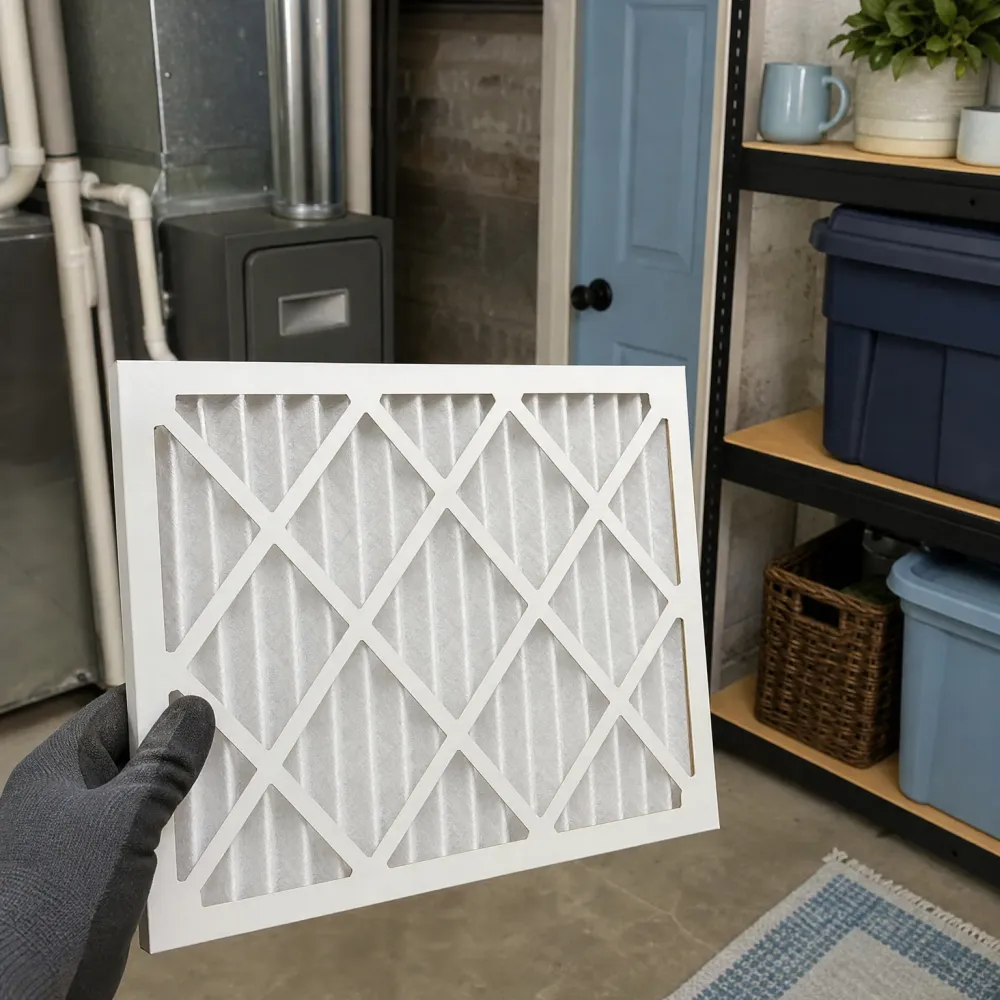
    A gloved hand holds a white pleated air filter in a basement with a furnace, pipes, a blue door, and shelving holding storage bins and potted plants.

What this choice actually costs you

Run the numbers for your house and a furnace wins on the bill. Gas costs $2.31 per 100,000 Btu of heat here against $4.26 for a heat pump, so a furnace heats your home for close to half the price at today's California rates. That gap is built into what the two fuels cost in this state, not into how either machine is installed or sized, so it holds for most houses in the county.

Heat is also the bigger job here. Yolo County runs heat about six months a year, November through April, and cooling about five, May through September. Whichever machine handles heat is working the longer season, so the fuel it runs on carries more of your year than the fuel that runs the air conditioning.

Winters here are mild. The overnight low averages 39°F across December, January and February, and it only drops to freezing or below on about 16 nights out of the roughly 180 the heat is running. A heat pump does its best work in exactly this range. It is not straining against deep cold most of the season, it is working in weather it was built for.
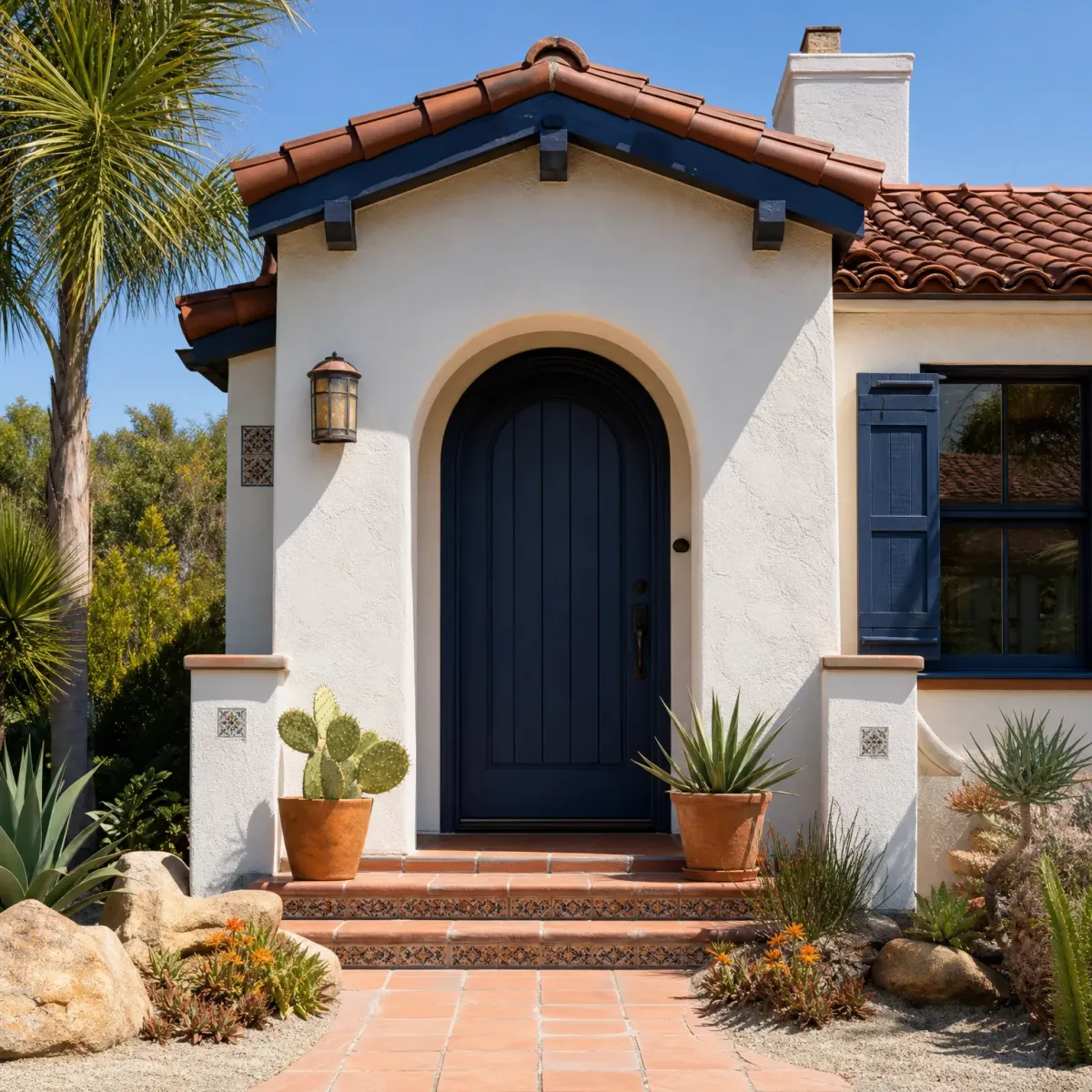
White stucco house entrance with an arched dark navy door, red clay tile roof, wall lantern, tiled steps, potted cactus and agave, and palm and succulent plantings under a clear blue sky.

What it means for your air conditioner

A furnace only heats. For the other six months of the year, including the roughly 90 days that hit 90°F or above, it has nothing to do, and your house still needs a separate air conditioner. A heat pump is that air conditioner. The same unit that heats your home from November through April cools it from May through September, so buying one means buying your heating and cooling as a single piece of equipment instead of two.

That is the real trade here. A furnace costs less to run but only answers one of your two seasons. A heat pump costs more to run but answers both. Which one makes sense depends on whether you are pricing a heating system or pricing a heating and cooling system together, and on the air conditioner you would otherwise have to buy alongside that furnace.

Utility gas already heats about three in five homes in Yolo County, electricity about one in three, so neither setup is unusual here. If your house already has gas line and ductwork sized for a furnace, that favors staying with gas. If you are weighing a new air conditioner anyway, a heat pump is doing that job at the same time it heats your house.

Sources: NOAA nClimDiv · NOAA 1991–2020 seasonal normals · Census ACS 2020–2024 · EIA SEDS 2024 · 10 CFR 430.32

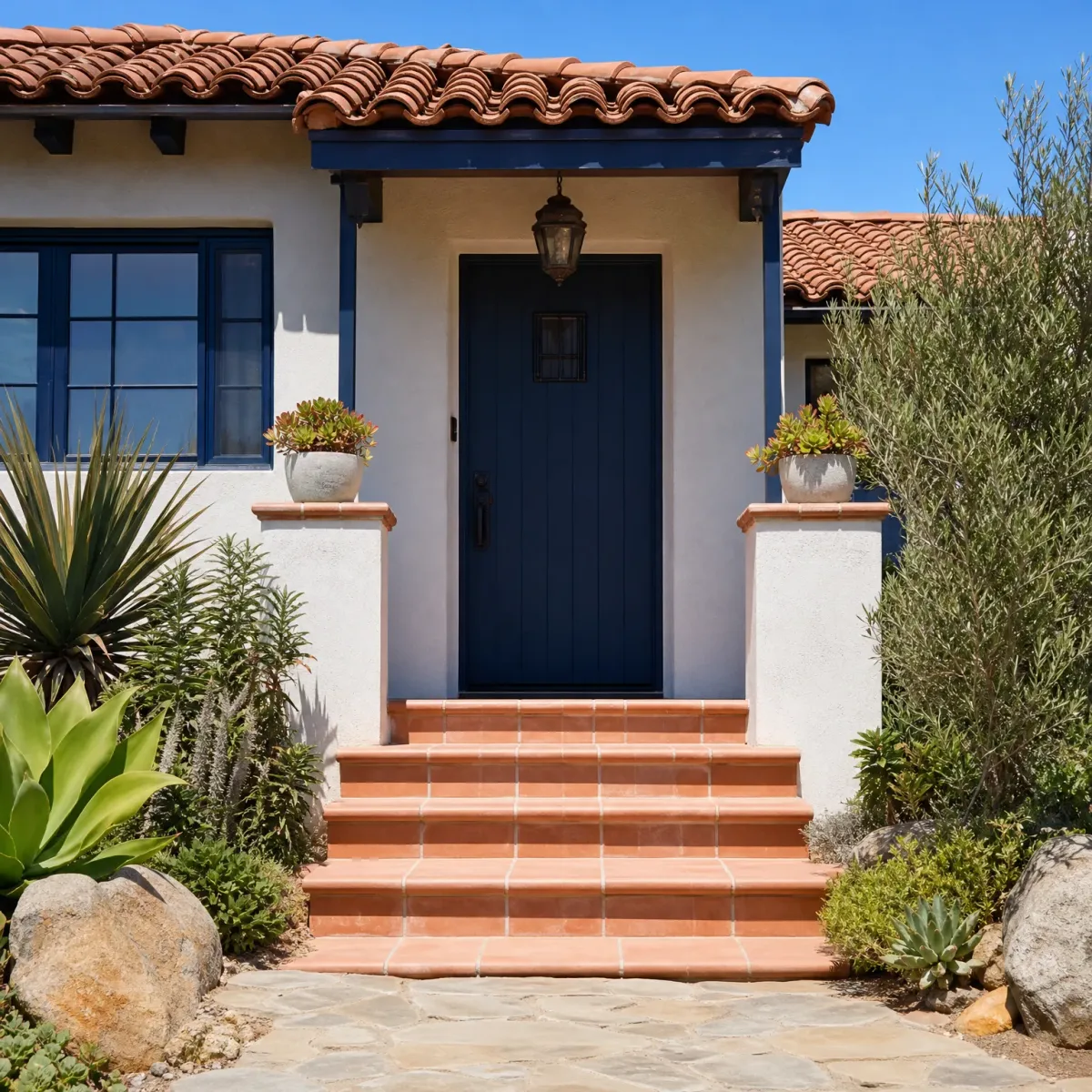
Entrance of a white stucco house with a red clay tile roof, navy blue front door and window trim, terracotta tiled steps flanked by stucco pillars holding succulent planters, with agave, yucca and an olive-like tree in the surrounding garden under a clear blue sky.

Common questions about heat pumps and furnaces

  • Will a heat pump keep my house cool enough here?

    Yes. A heat pump is a central air conditioner in the summer, running the same cycle one in reverse, so it covers the cooling season here from May through September the same way any central AC would, including the 90 or so days a year that reach 90°F or above.

  • Can I keep my furnace and add a heat pump?

    Yes, that setup is called a dual fuel system. The heat pump handles most of the winter and the furnace kicks in on the coldest nights, which here means about 16 nights a year at or below freezing. The rest of the roughly 180 nights heat runs, the heat pump can do the job on its own.

  • Is a heat pump cheaper to run than a furnace in Yolo County?

    No, not here. A gas furnace makes the same heat for $2.31 per 100,000 Btu against $4.26 for a heat pump, because natural gas runs cheaper per Btu than electricity in California. That gap holds for the full 6 months heat runs in Yolo County, not just the cold nights.