




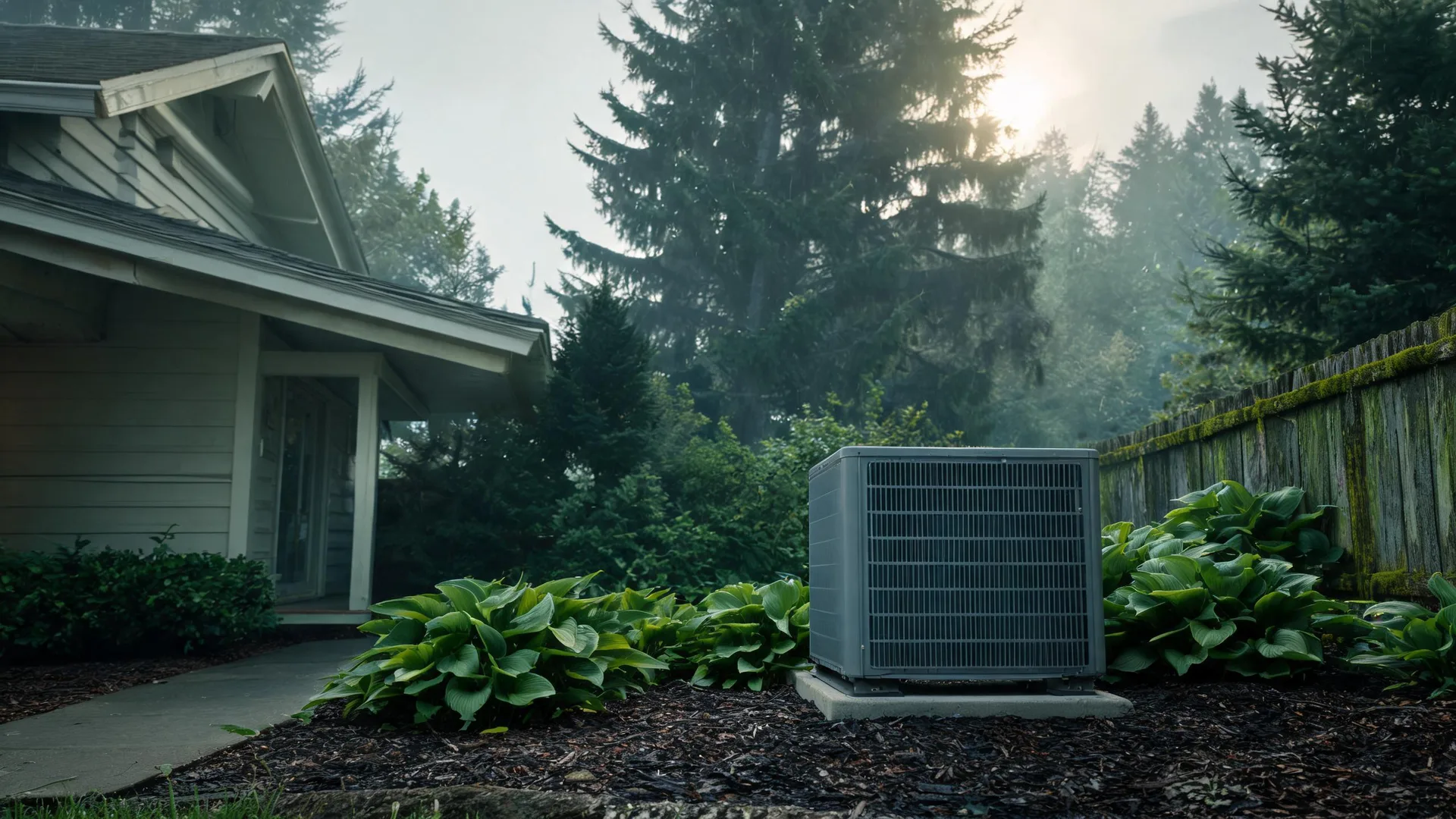
A large outdoor air-conditioning unit mounted beside a vinyl-sided house, surrounded by mulched garden beds and green shrubs.

Heat Pump Installation in Davis, CA

Tell us about the job

Takes about a minute. No obligation.

New system or replacementHeat PumpYolo County, CA
Step 1 of 2

What ZIP code is the job in?

Gas heats close to 6 in 10 homes in Yolo County, with electric heat a distant second and propane barely a factor. A heat pump going into a gas-heated house usually means moving the cooling and heating load onto a new electric system, sometimes alongside the existing gas furnace as backup. Either way, the question of what gas line, electrical panel capacity and ductwork you already have matters more than what the neighbors did. If your ducts and panel came with the house, a contractor can check them before anything gets sized or quoted.

6 months
November through April, your system heats
5 months
May through September, it cools
39°F
the average winter night it heats against
93°F
the average summer afternoon it cools against
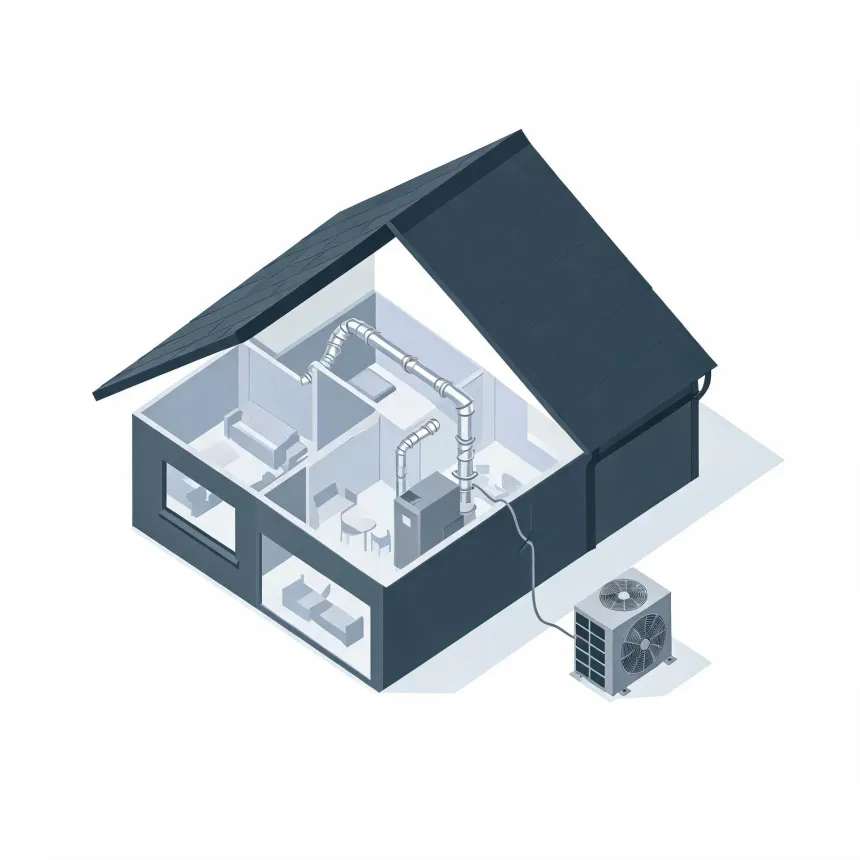
Isometric illustration of a cutaway house showing interior rooms with furniture, a furnace and ductwork, connected by a line to an outdoor condenser unit on the ground outside.
Your system heats November through April and cools May through September.

NOAA nClimDiv, 1991–2020 normals

Davis doesn't get hailstorms or hurricane winds to speak of.

A heat pump here just has to run its hours, not survive a beating, so a dependable mid-range system is a fair choice.

A standard heat pump is the right call here

Power costs 31.97 cents a kWh statewide
46 damaging wind events from 2015 to 2024
Climate zone 3B

Heat here comes on in November, so October is the month to get a heat pump installed. A new install takes longer than swapping one unit for another. A contractor has to size the system, check the panel, and in some homes adjust the ductwork before it ever runs. Getting that done in October means it's tested and working before the first cold morning, not during one. Wait until you actually need the heat and you're choosing under pressure, with whatever unit happens to be in stock instead of what fits your house. An October install also gets a full winter to work out any issues before summer puts the cooling side to work.

A new heat pump here has to meet real minimums, and one of them also comes with a credit

Any heat pump installed here now has to hit 14.3 SEER2 and 7.5 HSPF2 at minimum, and the cooling side has its own efficiency floor to meet under the regional rule. That narrows the field to units built for this, not whatever was cheapest to stock. A federal tax credit is available on top of that for equipment that qualifies.

Find a contractor
A gray heat pump condenser unit mounted on a concrete pad against the gray lap-siding exterior wall of a house.

One day of work, years of running

Installation day itself runs long. A contractor sets the outdoor unit on a pad or mounting brackets, runs new refrigerant line sets if the old ones don't suit the new system, and connects the air handler or indoor coil to the existing ductwork. Every joint in that line set gets brazed, then the whole system gets pressure tested before any refrigerant goes in. A leak found after charging means pulling it all back out and doing it over. Once it holds pressure, the system gets evacuated to pull out moisture and air, then charged to the weight the manufacturer specifies for that line length. Electrical work runs alongside this, a circuit sized for the unit, a disconnect box mounted near the condenser, low voltage wiring run to the thermostat. Last comes startup, where the contractor checks refrigerant pressures, airflow, and the temperature split at the vents, and runs the system in both heating and cooling before calling it done. All of that happens in a day. What it sets up is years of running, mostly unattended, through whatever the weather does.

Sizing comes from a load calculation, not the old unit's label

A contractor works out heating and cooling load room by room, looking at square footage, window area, insulation and orientation. What's currently installed doesn't factor in, since the old system may have been wrong from day one. The result tells the installer what capacity to put in, and it's specific to this house, not a rule of thumb.
Oversized or undersized both cause real problems

A heat pump too big for the house cools or heats the air fast, shuts off, then starts again a few minutes later. That short cycling leaves rooms uneven and puts more wear on the compressor than steady runtime would. A heat pump too small runs constantly and still can't keep up on the coldest or hottest days. Getting the size right is what lets the system run in long, steady cycles, which is how it's meant to operate.

When you're comparing quotes, ask each contractor what they rated the heat pump against, HSPF2 and SEER2 numbers mean little without knowing whether they sized the unit for this house or just matched what was there before. Ask about the backup heat strategy too. A heat pump loses capacity as the outdoor temperature drops, and the system needs a plan for the coldest mornings, whether that's the existing furnace kicking in or electric strip heat built into the air handler. Ask what sound rating the outdoor unit carries, since heat pumps run longer cycles than a furnace and sit outside year round. And ask what happens to the existing ductwork, whether it gets tested for leaks or just reused as is. A heat pump moves a different volume of air than a gas furnace did, and ducts sized for one don't always suit the other. The answers tell you more about the contractor than the brand name on the unit does.

The old furnace and outdoor condenser don't just get left in place. A contractor disconnects the gas line to the furnace and caps it off, since a line that's no longer feeding anything still needs to be sealed safely. The refrigerant in the old condenser gets recovered, not vented, that's a legal requirement, not an option. Once it's drained and disconnected, both units get hauled off and the materials get broken down for scrap, the metal cabinets and coils are worth recycling. If the furnace is staying on as backup heat alongside the new heat pump, only the outdoor condenser comes out and the gas line stays live. Either way, the old thermostat usually comes out too, since a heat pump needs one that can run the backup heat strategy, not just a simple on off switch.