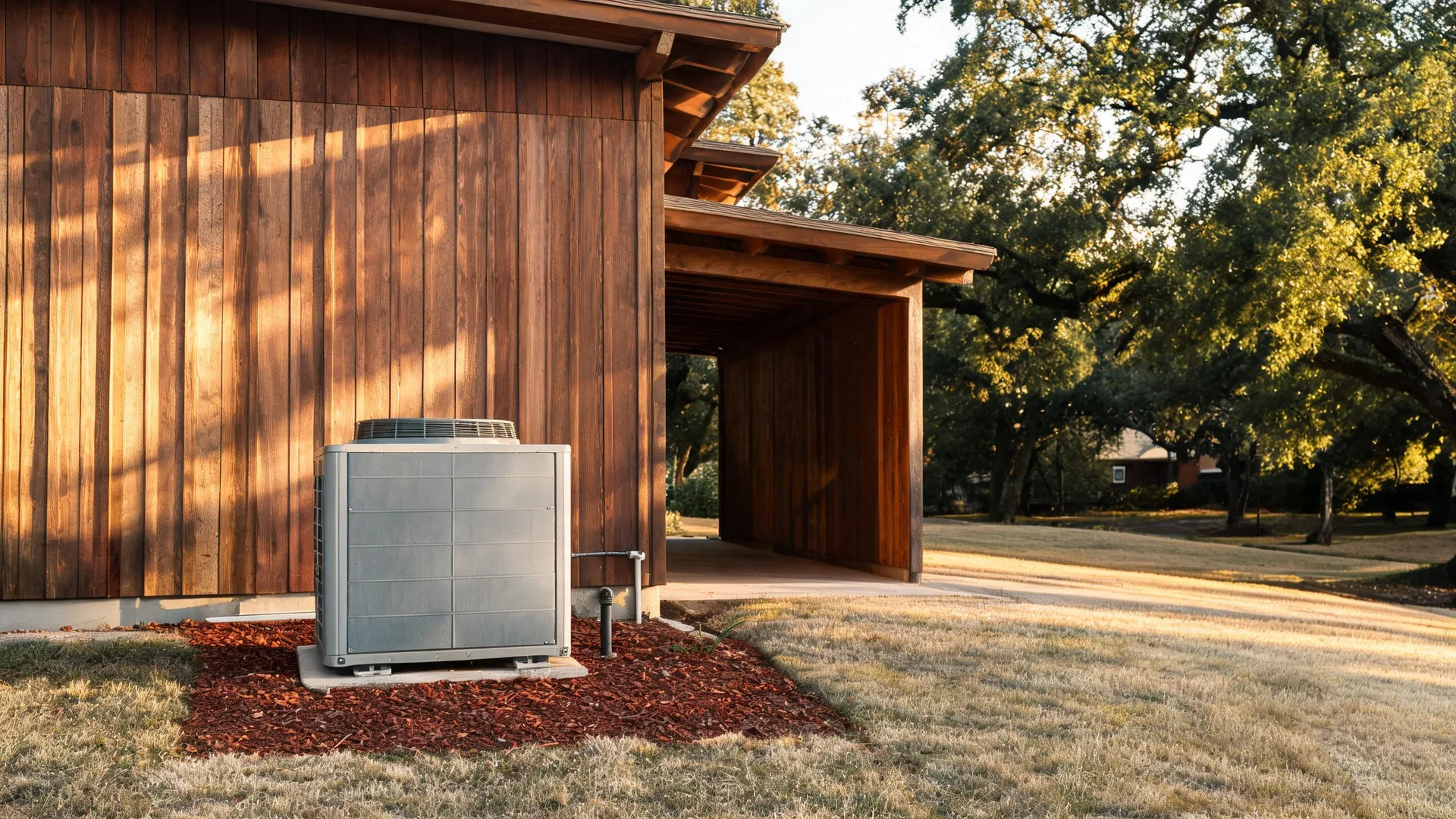
Half the homes here were built in 1983 or later
That's what the county's housing data shows. A heat pump that came with one of these newer houses hasn't had decades of old ductwork or an outdated system design working against it.
Takes about a minute. No obligation.
That's what the county's housing data shows. A heat pump that came with one of these newer houses hasn't had decades of old ductwork or an outdated system design working against it.
A heat pump installed with a newer home is more likely to still be well within its working life. When the age points that way, fixing what's wrong is usually the better call than replacing it.
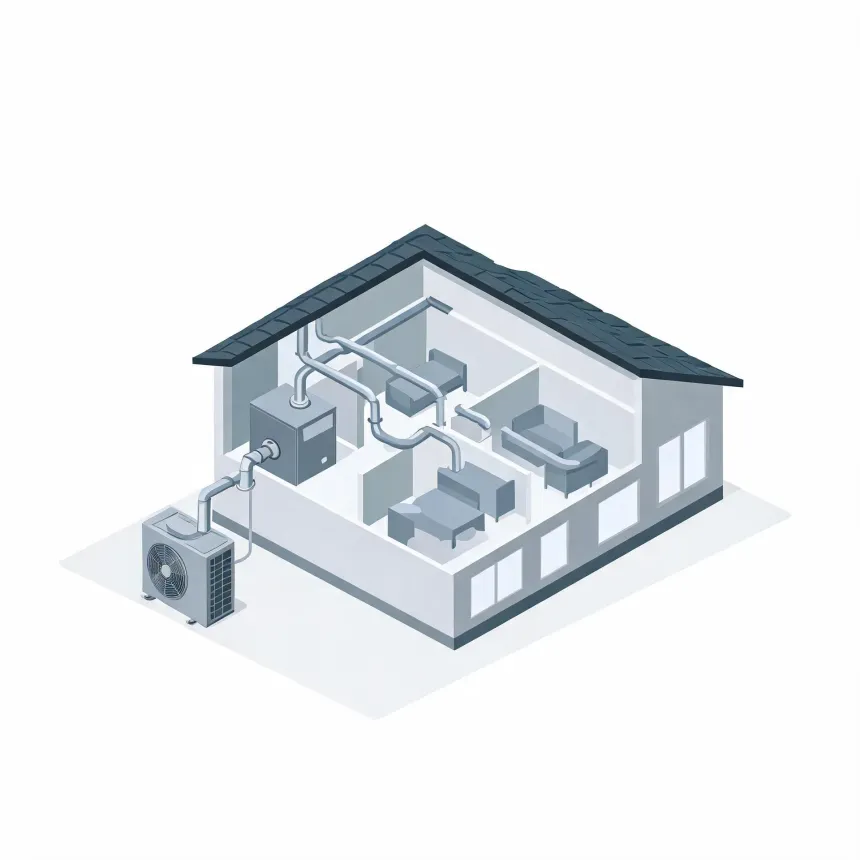
NOAA nClimDiv, 1991–2020 normals
Summer air in Davis stays dry, with a dew point around 48 degrees, so a heat pump here isn't fighting moisture the way it would almost anywhere else.
Less moisture to pull out of the air means less strain on the system, so a repair is more often the right call than a replacement.



Electricity here runs 32.97 cents per kilowatt-hour on average, among the highest rates in the country. A heat pump that's low on refrigerant or struggling to start works harder to do the same job, and every one of those extra hours shows up on the bill at that rate. This system isn't running the long hours it would in a harsher climate, so the cost of letting a problem sit isn't about the whole summer. It's about what each hour it runs badly is costing you right now.
If your house was built in 1983 or later, your heat pump likely was too, and it's probably not due for replacement on age alone. Getting it looked at now gets it back to running the way it should.
Find a contractor
Yolo County saw damaging wind 46 times between 2015 and 2024. That's an outside unit that spends most of its years just sitting there running, with a rough day now and then rather than a hard season every year. If yours is acting up after a windstorm, check the outdoor unit for a bent fan cage or debris caught in the coil before assuming the worst. Most of what wind does is cosmetic or a quick fix, not a reason to walk away from a system that's otherwise had an easy run.
The parts that fail first are the ones that move or switch: the reversing valve, the contactor, the capacitor, the defrost board. A capacitor weakens over years of starting the compressor and fan, and when it goes the unit hums but won't start, or it short cycles. A reversing valve that sticks will leave you with heat when you want cooling, or the other way around. These are wear parts. They fail on a schedule that has nothing to do with the rest of the system being sound.
A failed part is usually an isolated job, not a sign the whole unit is done. Swapping a contactor or a capacitor brings the system back to full working order, because the compressor and coils behind it aren't touched by that failure. The exception is a refrigerant leak left to run for a long time, which can take the compressor down with it. Caught early, almost everything that goes wrong with a heat pump is a repair, not a reason to replace it.
Most heat pump trouble announces itself before it strands you. The unit runs constantly without the house getting to temperature, which usually means refrigerant is low or the compressor is struggling to keep up. Ice on the outdoor coil in weather that shouldn't allow it points to a defrost board that isn't cycling right. A hissing or bubbling sound near the lines is refrigerant escaping somewhere it shouldn't. Warm air blowing when it should be cool, or the other way around, often means the reversing valve has stuck. If the outdoor fan isn't turning but you can hear the unit trying to start, that's usually the capacitor. None of these mean the system is finished. They mean something specific is wrong, and specific problems get fixed.
A system that's low on charge or struggling to start doesn't shut off. It just runs longer to hit the same temperature, and every one of those extra hours is billed at some of the highest electricity rates in the country. Waiting doesn't make the repair any simpler, it just means paying for those extra hours a while longer. Most of what causes this, a weak capacitor, a stuck reversing valve, a slow leak, is a straightforward fix once someone's looking at it. Getting it checked now stops the bill from climbing before the next hot stretch hits.