




An unfinished basement featuring a forced-air furnace, exposed wooden ceiling joists, bare concrete walls, and miscellaneous items including cardboard boxes and coiled cables on the floor.

Furnace Installation in Marysville, CA

Tell us about the job

Takes about a minute. No obligation.

New system or replacementFurnace or heatingYuba County, CA
Step 1 of 2

What ZIP code is the job in?

Gas here runs $18.44 per million Btu, on the low side for California. That changes the math on which furnace to install. A high-efficiency model with a condensing coil costs more up front and the payback stretches out further when gas is already cheap. That doesn't make it the wrong choice, but it means the decision should rest on what the furnace needs to handle and how long it should last, not on a monthly savings number. Given the power outages that hit Marysville, a furnace that starts back up reliably on its own matters more than squeezing out another percentage point of efficiency.

6 months
November through April, your furnace is on duty
38°F
the average winter night it heats against
80% AFUE
the federal minimum any new unit must meet
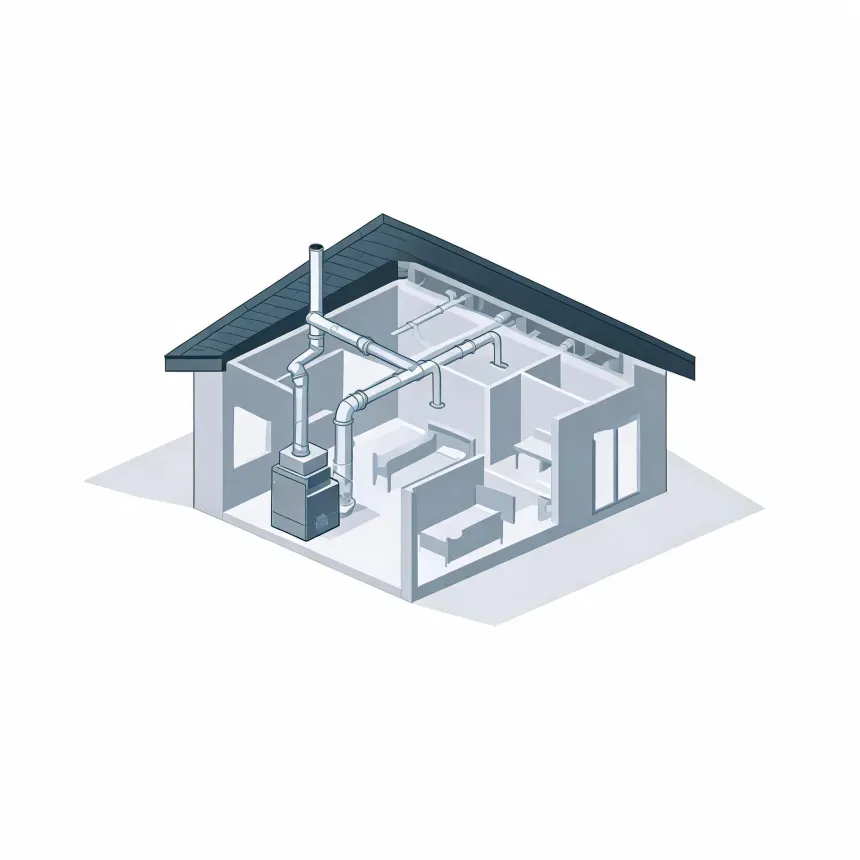
Isometric cutaway illustration of a small single-story house showing interior rooms, a furnace unit with a flue, and connected ductwork running below the dark gabled roof.
Your furnace works hardest from November through March.

NOAA nClimDiv, 1991–2020 normals

Furnaces in Marysville start working in November.

Install before October ends and it's done on your timeline, not a cold snap's.

Marysville sees storms and long outages, so a furnace that restarts on its own matters

295 severe weather events from 2015 to 2024
17% of homes statewide lost power a day or more in 2024
54 damaging wind events from 2015 to 2024

Gas heats close to half the homes in Yuba County, more than electric and propane combined. If your house already has a gas line run to it, a gas furnace is the straightforward replacement. The furnace itself is only part of the install. A contractor still has to check the vent, the gas line sizing, and whether the existing ductwork matches what the new unit needs. Where a home runs on electric or propane instead, that's its own setup with its own answer, and worth saying plainly if that's your situation.

Any furnace installed here has to meet the federal minimum. That's a floor, not a compromise.

Any furnace installed here has to clear 80.0 percent AFUE. That's the federal minimum, and it holds until the end of 2028, when new units will have to hit 95.0 percent. Nothing about Yuba County's climate zone pushes the requirement higher than that. A furnace that meets the minimum is a legitimate, fully compliant choice here, not a corner cut.

Find a contractor
A man in a dark jacket and tan pants, seen from behind, carries a canvas tool bag up concrete steps toward a blue front door of a house with light horizontal siding and a potted shrub in a blue planter.
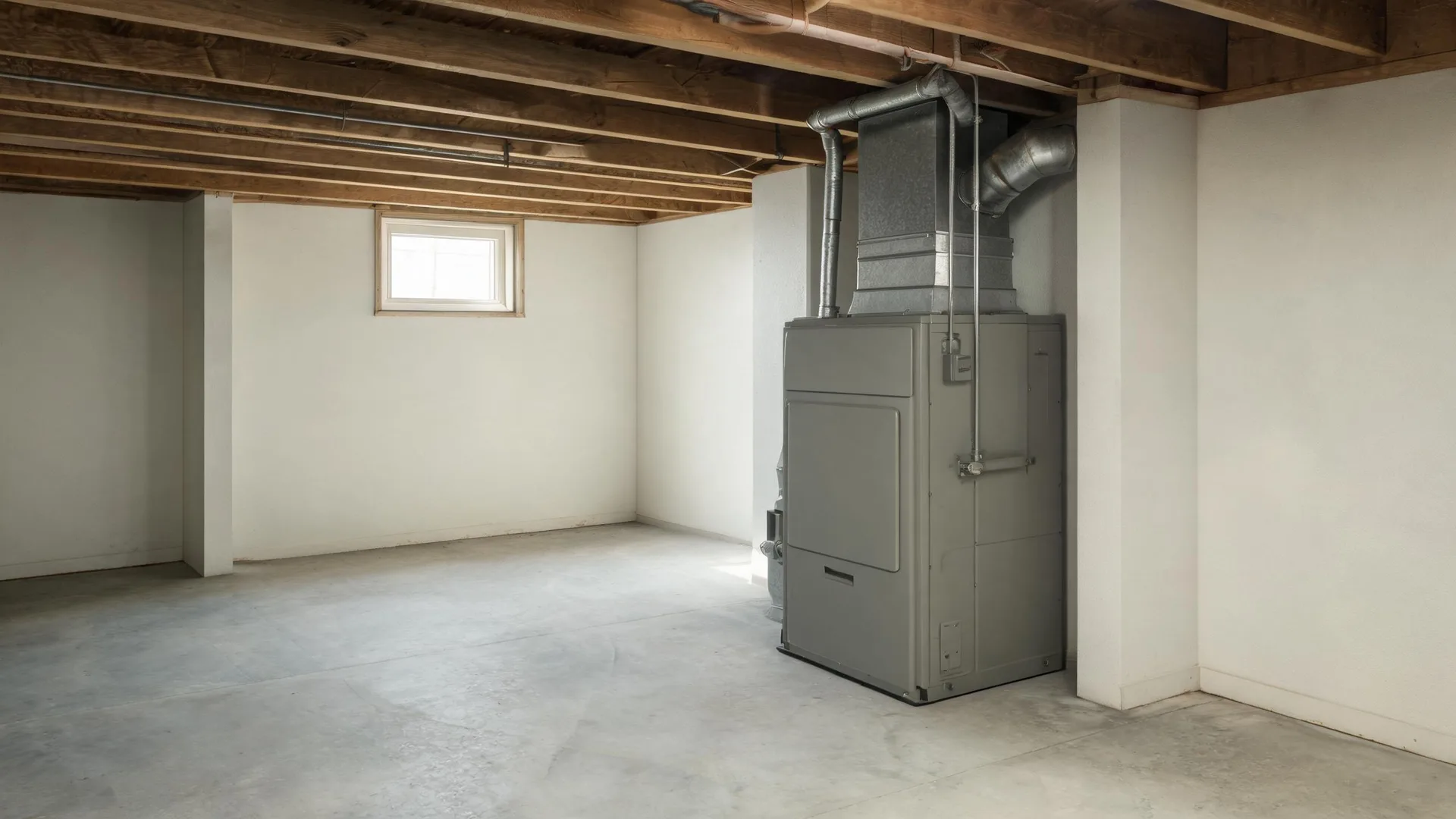
A gray residential gas furnace installed in an unfinished basement, connected to sheet-metal ductwork and PVC pipes.

The furnace is the easy part to price

The unit itself is a small part of what you're paying for. Sizing takes real work. A contractor has to calculate the heat loss for the specific house, not just match the old tonnage, because the last furnace may have been wrong for the place from the start. Ductwork is where the money moves. If the existing ducts are undersized or leaky, extending or sealing them costs more than the furnace swap does, and skipping that step means the new furnace never runs the way it's rated to. Venting matters too. A higher-efficiency furnace vents differently than a standard one. It often needs new PVC pipe run to the outside instead of using the old metal flue, and that's labor, not equipment. The gas line gets checked for size against the new unit's input rating. None of this shows up if you only compare the sticker price of one furnace to another.

Bigger isn't safer

An oversized furnace heats the house fast, shuts off, then starts again a few minutes later. That cycling wears the ignition system and the blower harder than steady runtime does. The rooms farthest from the furnace never even out because the air never runs long enough to reach them.

The math behind the number

Sizing comes from a heat loss calculation done on the house itself. A contractor works from the square footage, the window area, the insulation, how the walls and attic hold heat. Houses the same size can need different furnaces if one loses heat faster than the other. Matching the old unit's size skips that math and just repeats whatever the last contractor got right or wrong.

An unfinished basement featuring exposed ceiling joists, a metal HVAC unit with round ductwork, a hanging light bulb, and scattered boxes and debris along the left wall.

A high-efficiency gas furnace would save about $50 a year to run in Yuba County compared with a gas furnace.

  • A high-efficiency gas furnace$310 a year
  • A gas furnace$360 a year

Estimates for a typical Yuba County home, from EIA household energy data, California fuel prices and NOAA climate normals. Your home will differ.

Installation day starts with the old furnace coming out, and that alone takes longer than people expect once the duct connections, gas line, and venting all have to come apart cleanly. The new unit gets set in place and leveled, because a furnace that sits even slightly off can affect how the blower and drain work later on. From there it's the gas line connection, the duct connections at the plenum, and the venting, each checked and sealed rather than just fitted together. The electrical gets tied in, including the thermostat wiring. Once everything's connected, a contractor runs the furnace through a full cycle, checking gas pressure, airflow, and temperature rise against what the manufacturer specifies for that model. That last check matters as much as anything done earlier. A furnace that's installed but never tested under load can run for weeks before a pressure or airflow problem shows itself.