




A gray forced-air furnace with metal ductwork stands in an unfinished basement with exposed wooden joists, concrete walls, and a single hanging light bulb.

Furnace Installation in Hanford, CA

Tell us about the job

Takes about a minute. No obligation.

New system or replacementFurnace or heatingKings County, CA
Step 1 of 2

What ZIP code is the job in?

Gas heats 65.2% of homes in Kings County, the fuel most furnaces here are built to run on. Electricity covers another 26.3%, and a small share run on bottled or LP gas. If your home already has a gas line run to a furnace, putting in another gas furnace is usually the straightforward choice. The venting, the gas line and the layout the old unit used are already there. A contractor can tell you quickly whether that setup still meets current code or needs work before the new furnace goes in.

6 months
November through April, your furnace is on duty
39°F
the average winter night it heats against
65%
of homes here heat with gas, so most furnaces here burn gas
80% AFUE
the federal minimum any new unit must meet
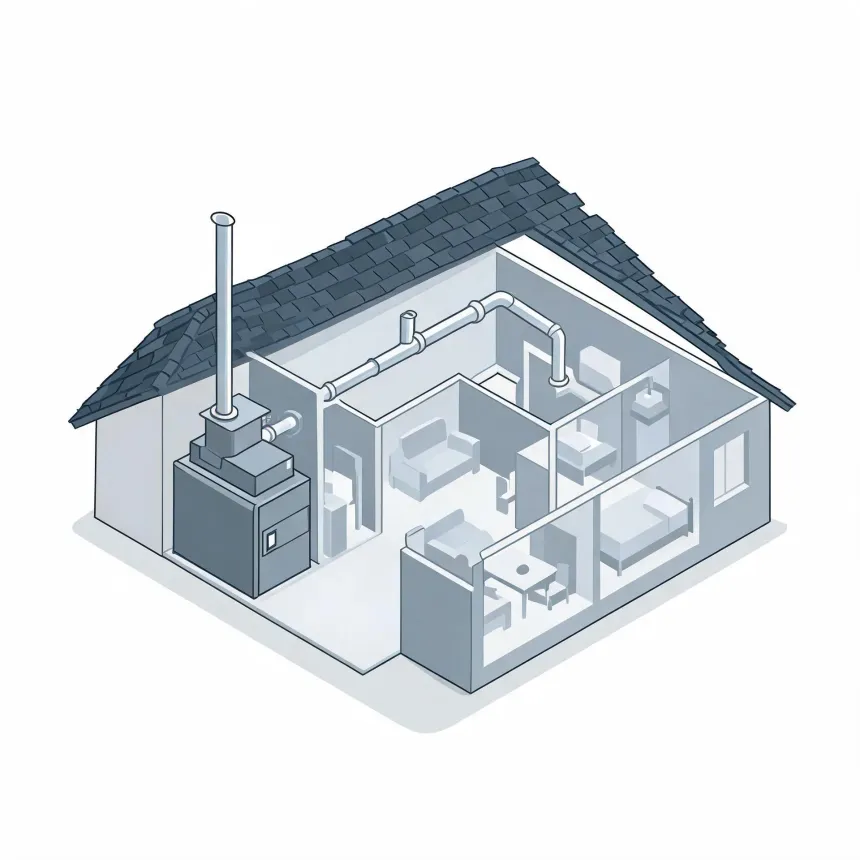
Isometric cutaway illustration of a single-story house showing interior rooms with furniture, ceiling ductwork, and a large furnace unit with a tall flue pipe in a corner room.
Your furnace works hardest from November through February.

NOAA nClimDiv, 1991–2020 normals

Furnaces in Hanford run about six months a year, November through April.

A furnace that sees that light a workload doesn't need to be the highest-efficiency model on the lot, just one sized right for your house.

October is the month to get it done, before November asks the furnace to work

Heat runs November through April
Winter nights average 39°F
Climate zone 3B

Natural gas in California runs about $18.44 per million Btu, among the higher rates in the country. That changes the math on efficiency upgrades. A high-efficiency furnace costs more up front, and the fuel savings it earns back each month are smaller here than in a state with cheaper gas. Given how few months a year a furnace here actually runs, that payback stretches out further still. That doesn't make efficiency a bad idea. It just means picking the right size and a unit that will hold up matters more than chasing the highest efficiency rating on the shelf.

Pick reliable, not top of the line

It won't be worked hard here, so pick a reliable system that fits. You don't need the top efficiency model.

Find a contractor
A gas furnace with attached ductwork, gas piping, and condensate lines installed in a concrete-block basement.

A light enough job that fit matters more than rating

Six months of work a year is a light schedule for a furnace, and 39°F is a mild low to heat against next to what furnaces in colder states handle every winter. That's the case for putting the money into sizing and installation rather than the efficiency rating on the sticker. A contractor who measures your house and sizes the unit to it will get you a furnace that runs well for years. Chasing the highest AFUE number on the lot won't make up for a unit that's the wrong size for your house.

Size drives the cost more than the badge on the front

A furnace is priced by how much heat it can put out and how the cabinet and blower are built to move air through your ducts. A contractor sizes it with a load calculation based on your home's square footage, windows, insulation and layout, not a guess off the old unit's rating plate. Going a size up because it seems safer just means paying more for capacity your house will never call for.

The work around the furnace adds up too

The unit itself is only part of the job. Running new venting, resizing ductwork, upgrading the gas line, or moving the thermostat all add labor and material beyond the furnace price. A straight swap where the old equipment already fits the space and the venting still meets code is the cheaper path. Anything that needs rerouting or rebuilding around it costs more, no matter which furnace gets installed.

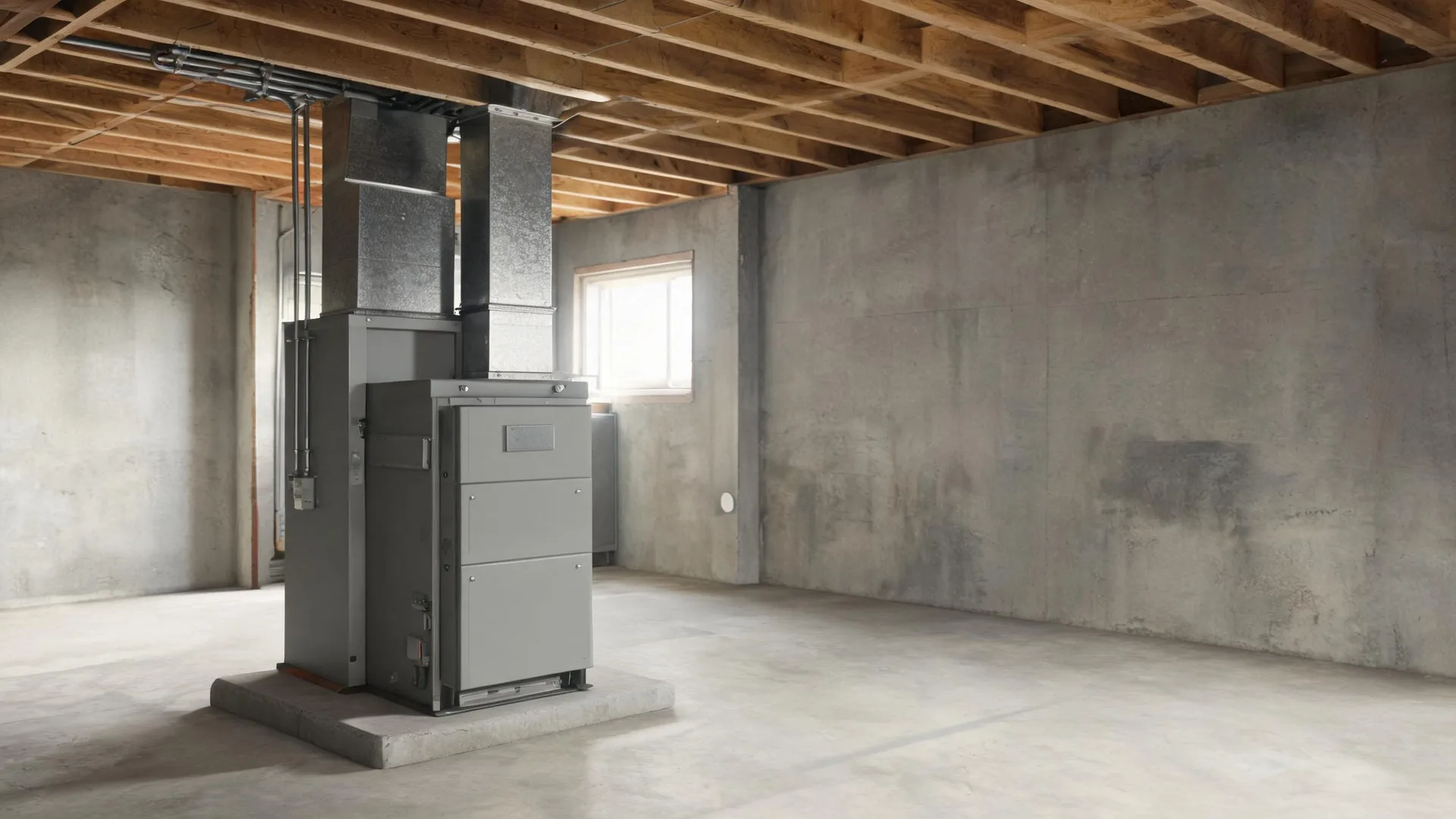
An unfinished basement featuring concrete block walls, exposed floor joists, a bare concrete floor, and a forced-air furnace with a large metal exhaust duct in the corner.

A high-efficiency gas furnace would save about $40 a year to run in Kings County compared with a gas furnace.

  • A high-efficiency gas furnace$250 a year
  • A gas furnace$290 a year

Estimates for a typical Kings County home, from EIA household energy data, California fuel prices and NOAA climate normals. Your home will differ.

Install day starts with the old furnace coming out. The contractor disconnects the gas line, the venting and the ductwork, then pulls the unit from the closet or attic or basement it's sat in. With the space open, they check what the new furnace needs that the old one didn't. Maybe a different vent size, a gas line that has to be run to current code, a return duct that needs resizing to match the new blower. Setting the furnace in place and leveling it is quick. Connecting it correctly is not. Every joint on the gas line gets tested for leaks before anything is fired up. The venting gets checked for proper pitch and clearance so exhaust actually leaves the house instead of backing up into it. Once it's hooked up, the contractor runs the furnace through a full cycle, checking the flame, the airflow at the vents and the temperature rise across the unit against what the manufacturer specs for it. A furnace installed right shouldn't need a callback for the same problem again.