
Heat pump vs furnace in Kings County, California

Get a Replacement Quote

Installers who work on both

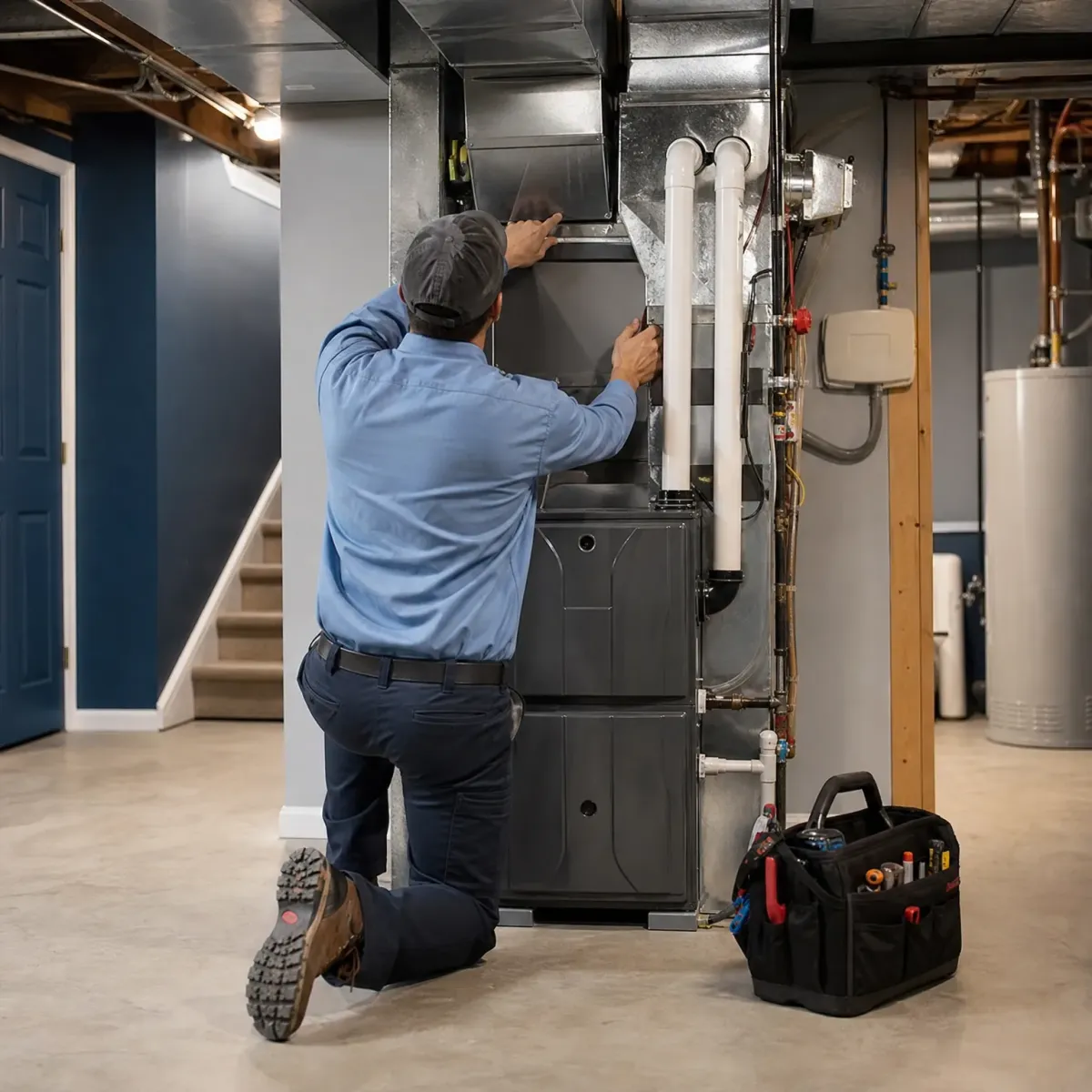
A man in a blue shirt and cap kneels in a basement, working on a furnace with attached ductwork and white PVC vent pipes, with an open tool bag on the floor beside him and a water heater in the background.

Tell us about the job

Takes about a minute. No obligation.

New system or replacementKings County, CA
Step 1 of 3

What kind of equipment?

Which costs less to run in Kings County?

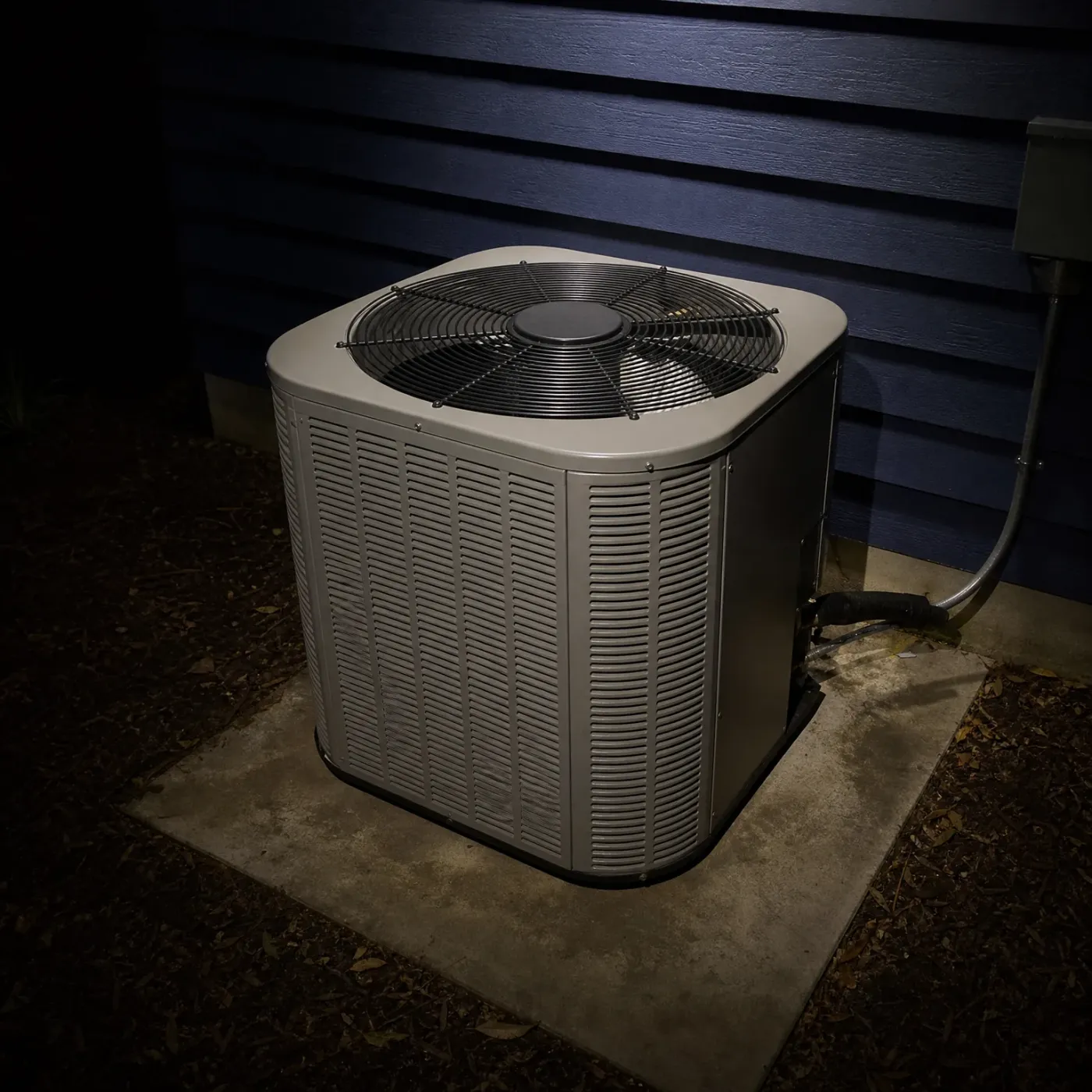
An outdoor air conditioner condenser unit with a top-mounted fan sits on a concrete pad beside a dark blue lap-sided wall at night, with refrigerant lines and conduit running to the wall.

Heat pump

To heat your home here$4.26per 100,000 Btu

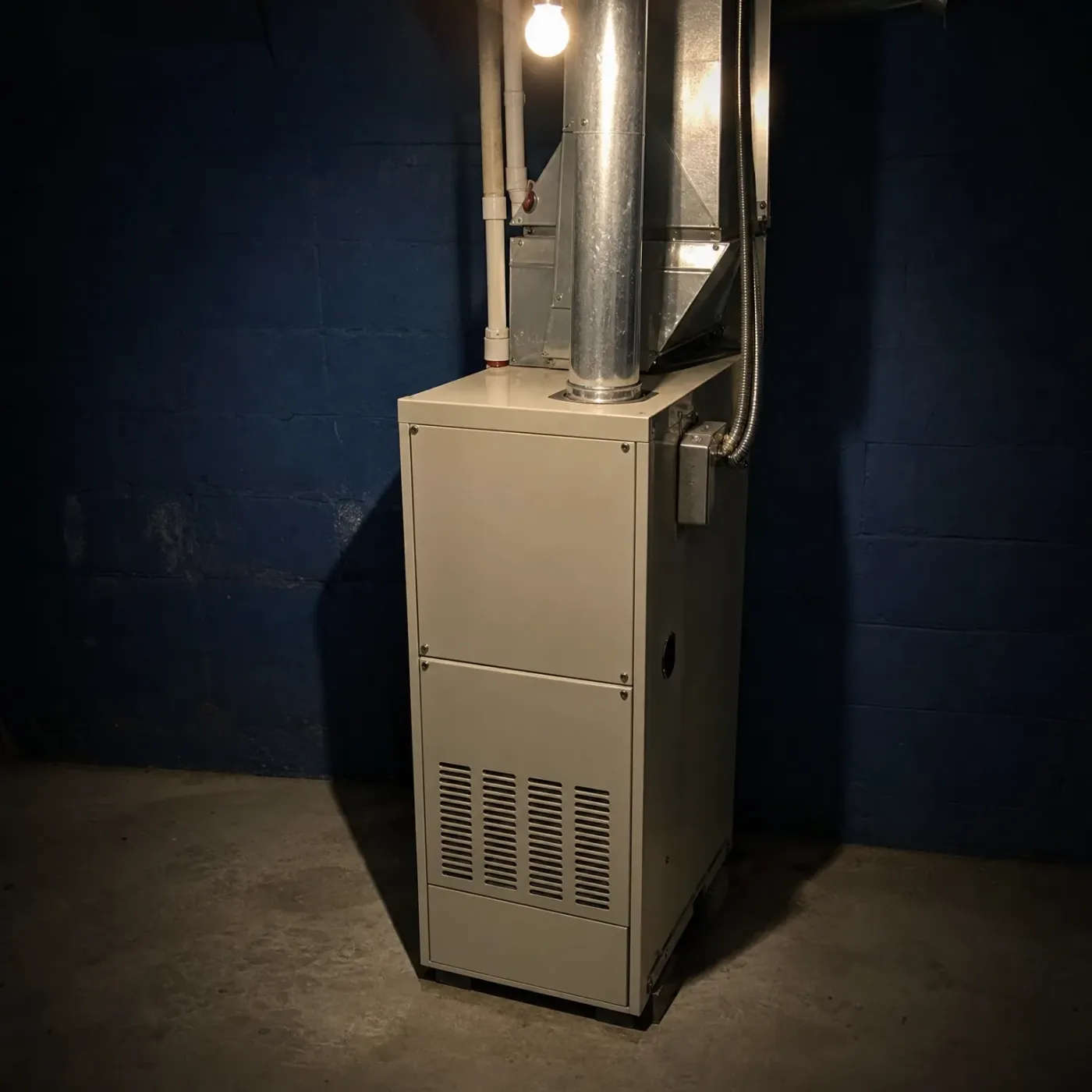
A beige upflow furnace stands against a blue-painted concrete block basement wall, with galvanized sheet-metal ductwork, a flue pipe, white PVC piping and a flexible metal conduit above it, lit by a bare hanging bulb.

Furnace

To heat your home here$2.31per 100,000 Btu

At California's gas and electricity prices, a gas furnace makes the same heat as a heat pump for at least 45% less.

Btu stands for British thermal unit, the standard measure of heat energy.

Where does a heat pump shine?

  • Made for mild winters

    Winter nights here average 39°F, not the deep cold a heat pump struggles with. It can pull heat from outside air all season without losing ground.

    A navy blue clapboard house with a white-railed porch, light blue front door, wooden steps, boots and a doormat, a crate of evergreen branches with a plaid blanket, and potted dried plants, with patchy snow on the ground.
  • Covers a long cooling season

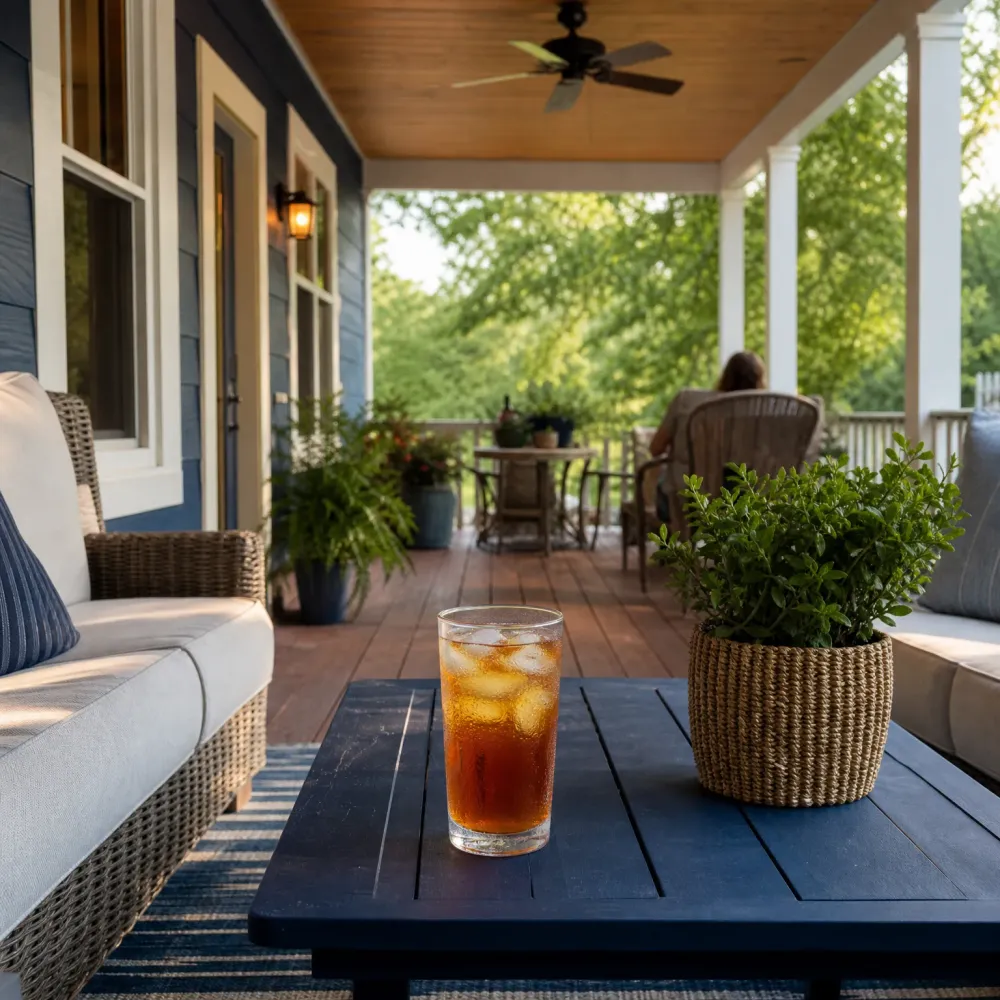
    Cooling runs May through October here. A heat pump handles both jobs, so it's working through most of the year instead of sitting unused outside of winter.

    A covered porch with blue lap siding, wicker sofas with cushions, a navy slatted table holding a glass of iced tea and a woven basket planter, and a person seated at a bistro table in the background surrounded by green trees.
  • Steady, even comfort

    A heat pump runs long and low instead of blasting on and off. Rooms hold an even temperature all day.

    A dimly lit living room at dusk with a navy armchair holding an open book, pillow and gray throw, a yellow dog sleeping on a patterned rug, a lit floor lamp and side table with a mug, and frost-edged windows showing evergreen trees outside.

Where does a furnace shine?

  • Runs on the gas most homes here already use

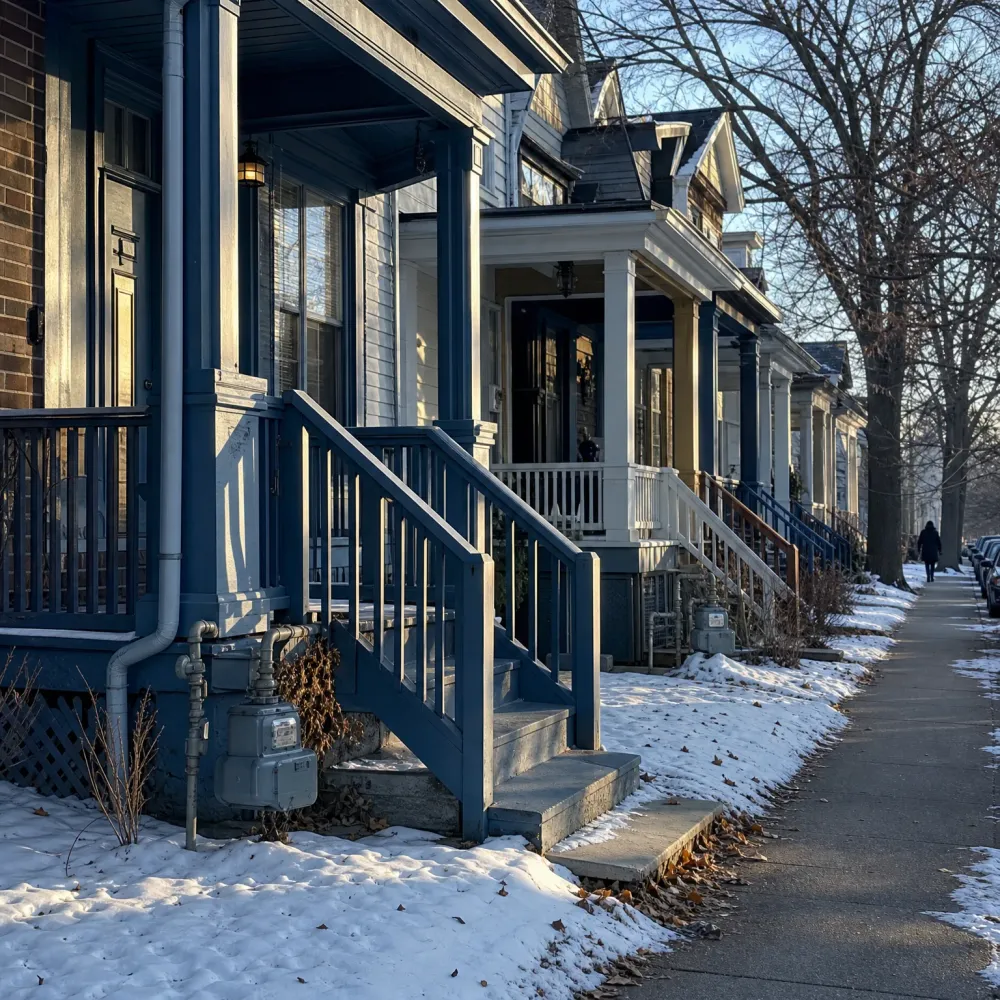
    Most homes in Kings County already heat with gas, 65.2% of them. If yours is one, a furnace just uses the line that's already run to your house.

    A row of houses with blue-painted porches and front steps along a snow-edged sidewalk, with bare trees and a distant person walking away.
  • Pairs with any central AC

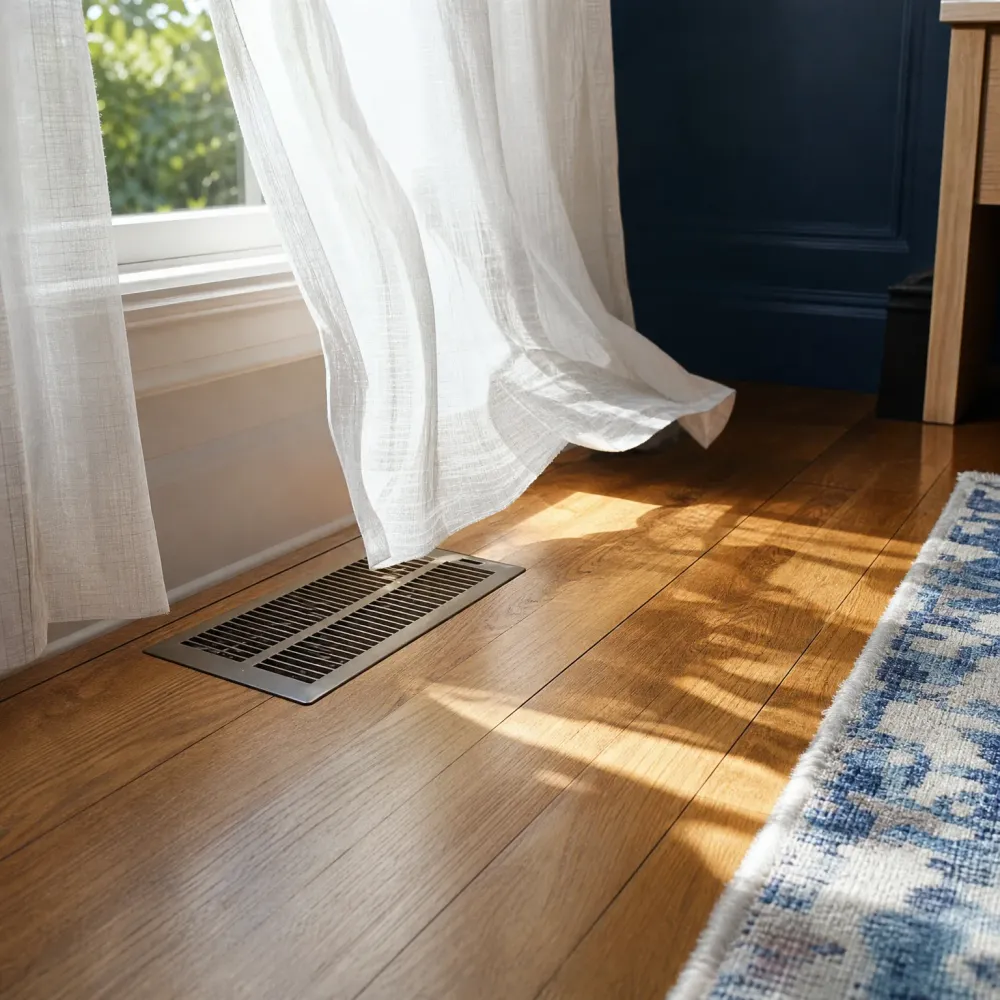
    A furnace's blower and ducts carry cooled air too. Adding central AC uses the same system.

    A metal floor vent set into hardwood flooring beside a window with sheer white curtains, with sunlight and leaf shadows on the floor and a blue-and-cream patterned rug at right.
  • Proven, simple, easy to get serviced

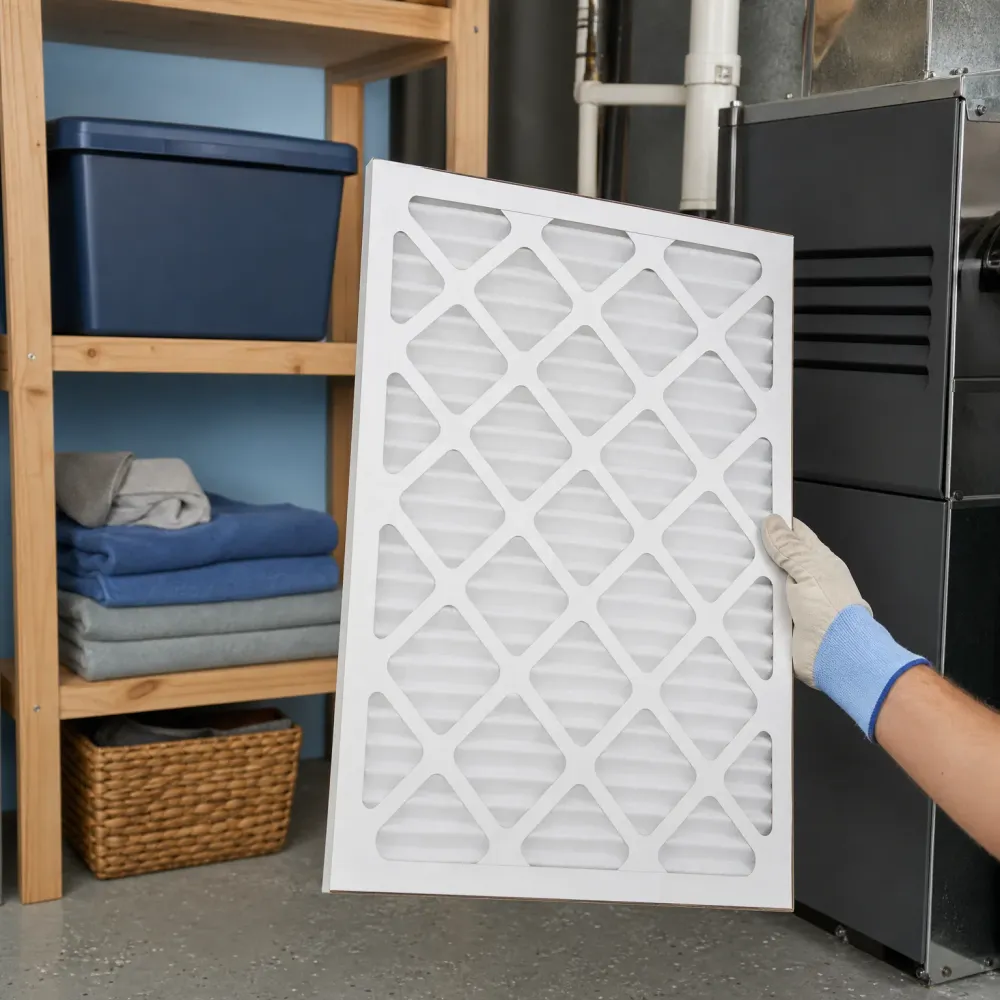
    The design is simple and well understood. That keeps service calls short.

    A gloved hand holds a large white pleated air filter in front of a dark furnace, beside wooden shelves holding a storage bin, folded clothes, and a wicker basket.

What a furnace costs you here versus a heat pump

Run the numbers for your house and gas wins. A furnace makes the same heat for $2.31 per 100,000 Btu where a heat pump runs $4.26. That gap holds all winter, every winter, because it comes from the price of the fuel itself, not from one cold snap or one mild one.

Winter here is not harsh. The overnight low averages 39°F through December, January and February, and it only drops to freezing or below on about 25 nights a year, out of roughly 180 nights in the six months the heat runs. That is a heat pump's kind of winter. It is not working against deep cold most nights, so it is not leaning on backup heat to make up the difference. But the federal minimum heat pump's cost of $4.26 already accounts for the whole season, mild nights included, and it still runs almost double the furnace. A gentle climate makes the heat pump a more sensible buy than it would be somewhere colder. It does not make it the cheaper one.

Two in three homes in Kings County already heat with utility gas. If yours is one of them, the gas line and venting are already in place, and a furnace is the machine that uses what your house already has.
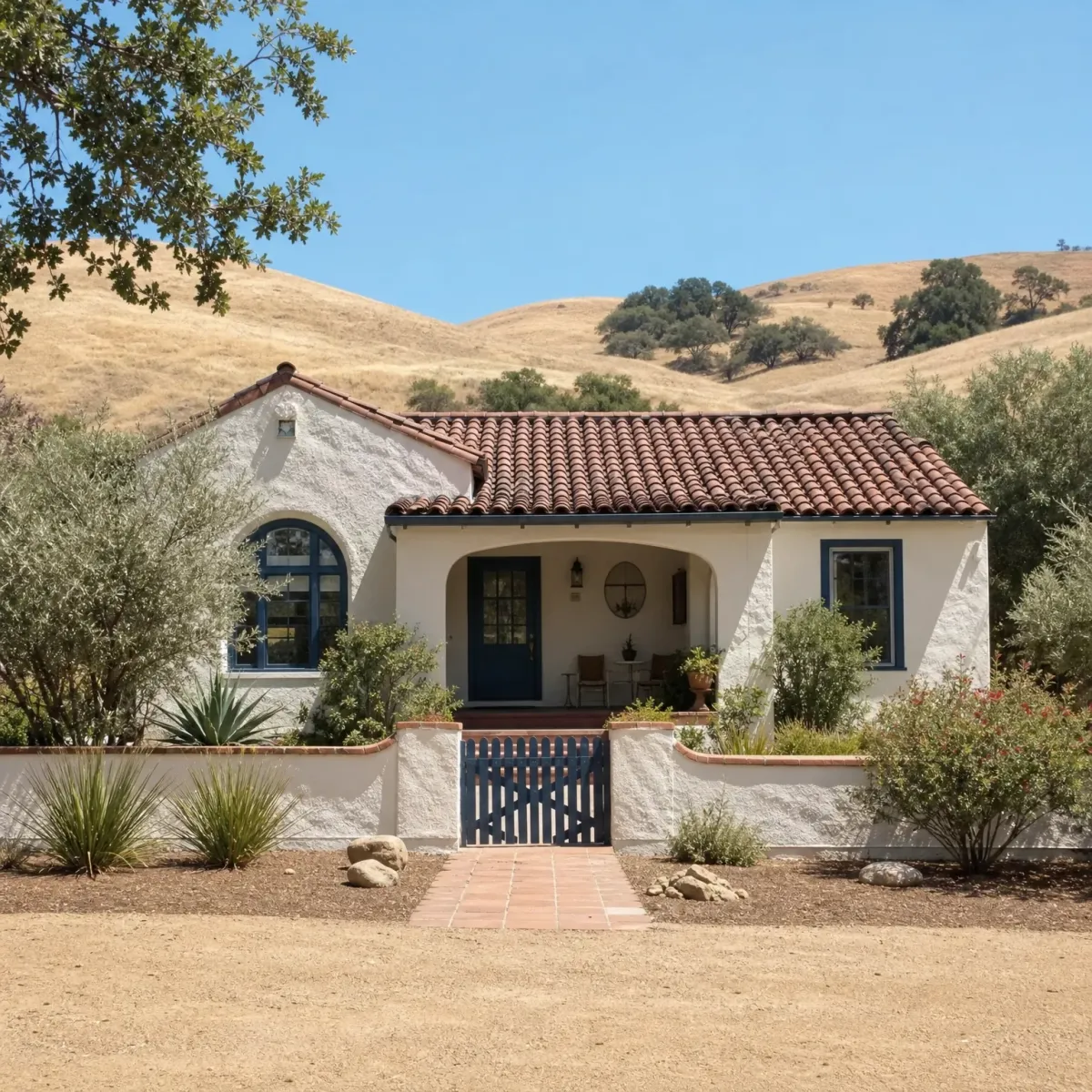
A single-story white stucco house with a red clay tile roof, blue-framed windows and door, a low stucco wall with a blue picket gate, and a brick walkway, set against dry golden hills under a clear blue sky.

What the heat pump buys you the other six months

A furnace only heats. For the six months it is not running, November through April aside, it has no part in keeping your house cool. A heat pump runs the other side of the year too, covering the same six months of cooling, May through October, that your furnace sits out entirely.

That cooling season is a real one here. The afternoon high averages 95°F across June, July and August, and hits 90°F or above on about 115 days a year, close to a third of the year. A furnace still needs a separate central air conditioner to get through that, bought, installed and maintained on its own. A heat pump is that air conditioner, already built in.

So the choice is not simply which machine is cheaper to run. A furnace paired with a central AC costs less to heat your home with and still needs that second machine for summer. A heat pump costs more to heat with but is already doing both jobs. Which one wins depends on whether you are pricing the furnace alone or the furnace plus the air conditioner it needs to get you through a Kings County summer.

Sources: NOAA nClimDiv · NOAA 1991–2020 seasonal normals · EIA SEDS 2024 · 10 CFR 430.32 · Census ACS 2020–2024

A single-story stucco house with a shingled gable roof, dark blue shutters and front door, brick lower trim, a concrete walkway to the street, a mailbox on a post, mown lawn, shrubs, and palm trees under a clear blue sky.

Common questions about heat pumps and furnaces

  • Will a heat pump keep my house cool enough here?

    Yes. A heat pump cools the same way a central air conditioner does, through the same ducts, and Kings County's cooling season runs about six months, May through October. It will handle the 115 days a year that hit 90°F or above the same way an AC would.

  • Can I keep my furnace and add a heat pump?

    Yes, and that setup is common. The furnace handles the coldest nights and the heat pump's outdoor unit doubles as your air conditioner the other six months. A contractor can tell you whether your ductwork and electrical panel support adding one.

  • Is a heat pump cheaper to run than a furnace in Kings County?

    No, a furnace costs less to run here. Gas runs $2.31 per 100,000 Btu of heat against $4.26 for a heat pump at California's average prices, so the furnace costs at least 45% less to make the same heat. That gap is why two out of three homes here heat with gas.