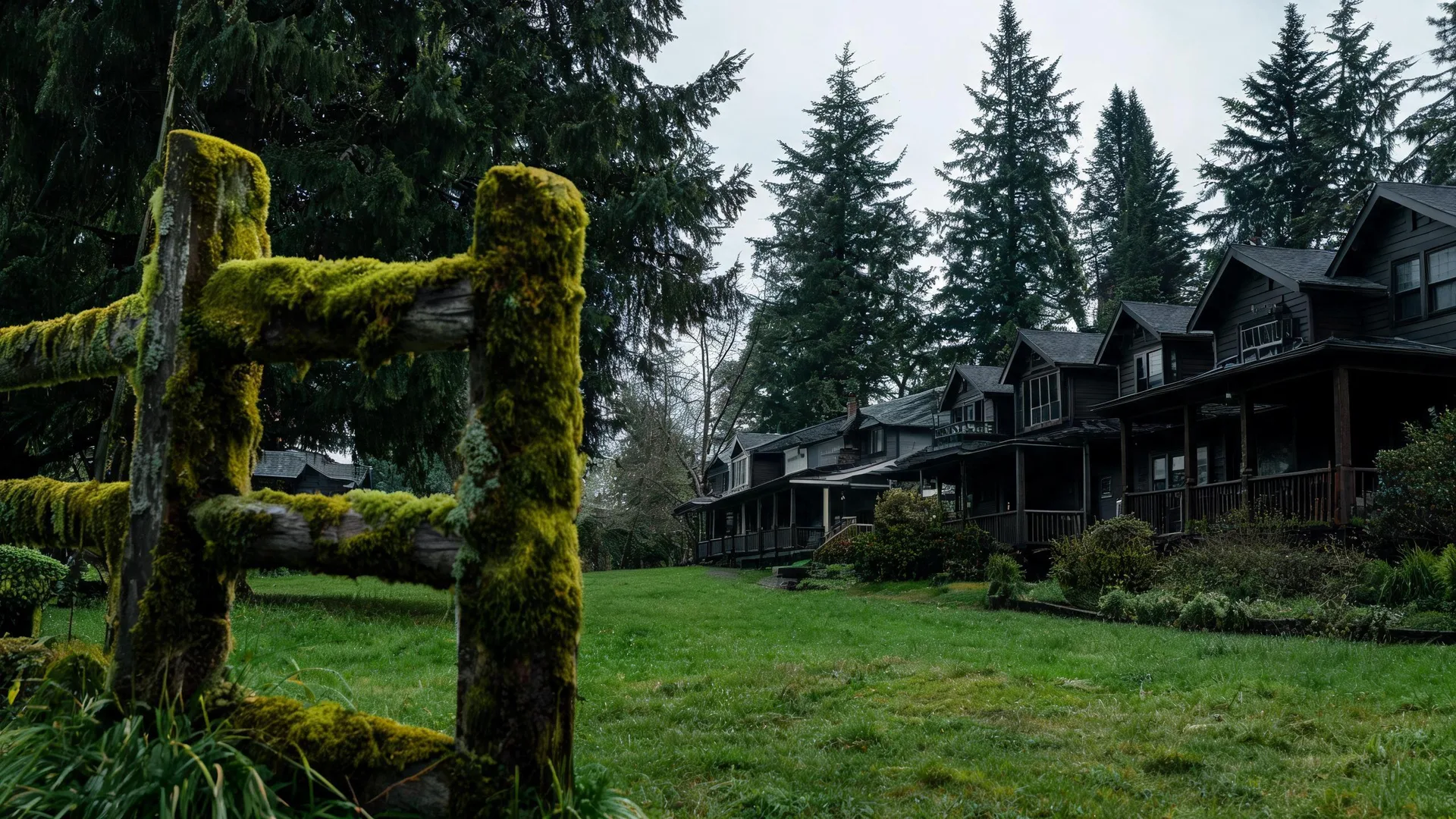
A moss-covered wooden fence in the foreground of a grassy lawn, with a row of dark wood-clad houses with porches to the right and tall conifers under an overcast sky.

Furnace Installation in Eureka, CA

Tell us about the job

Takes about a minute. No obligation.

New system or replacementFurnace or heatingHumboldt County, CA
Step 1 of 2

What ZIP code is the job in?

Storms hit this county often

Humboldt County recorded 282 severe weather events between 2015 and 2024. That included 145 damaging wind events, 115 winter storms, 21 hail events, and a tornado. A new furnace here has to stand up to more than an average install.

Power doesn't always hold

Statewide, 17% of California households went at least a day without power in 2024. A furnace that needs electricity to run, even a gas one, stops working when the power does. That's worth planning for before the install, not after an outage.

8 months
October through May, your furnace is on duty
37°F
the average winter night it heats against
56%
of homes here heat with gas, so most furnaces here burn gas
80% AFUE
the federal minimum any new unit must meet
Isometric cutaway illustration of a single-story house showing interior rooms with furniture, a furnace unit with connected ductwork and a tall vertical flue pipe extending above the dark shingled roof.
Your furnace works hardest from November through April.

NOAA nClimDiv, 1991–2020 normals

Gas heats 55.5% of the homes in Humboldt County, more than any other fuel.

Installing gas furnace in Eureka means matching the house to what the fuel lines and venting here are already built for.

Half these homes were built by 1973. A new furnace has to fit the one you have.

Half the homes here were built by 1973
Heat runs October through May
Winter nights average 37°F

Furnaces here run from October through May, about eight months of the year. That's most of the calendar spent heating, not just a few cold snaps. Winter storms have hit this county 115 times between 2015 and 2024, so the system is working through rough weather on top of a long season. A furnace sized wrong, too small or too big for the house, will struggle through that stretch and show its weak points sooner. Picking the cheapest unit on the lot isn't the same as picking the right one for how much this county asks of it.

Plan the install around the outages, not just the cold

A gas furnace still needs power to run the blower and controls, so an outage takes it down with everything else. Ask about where the unit gets placed and what backup options make sense for this house before the install is done, not after the next storm.

Find a contractor
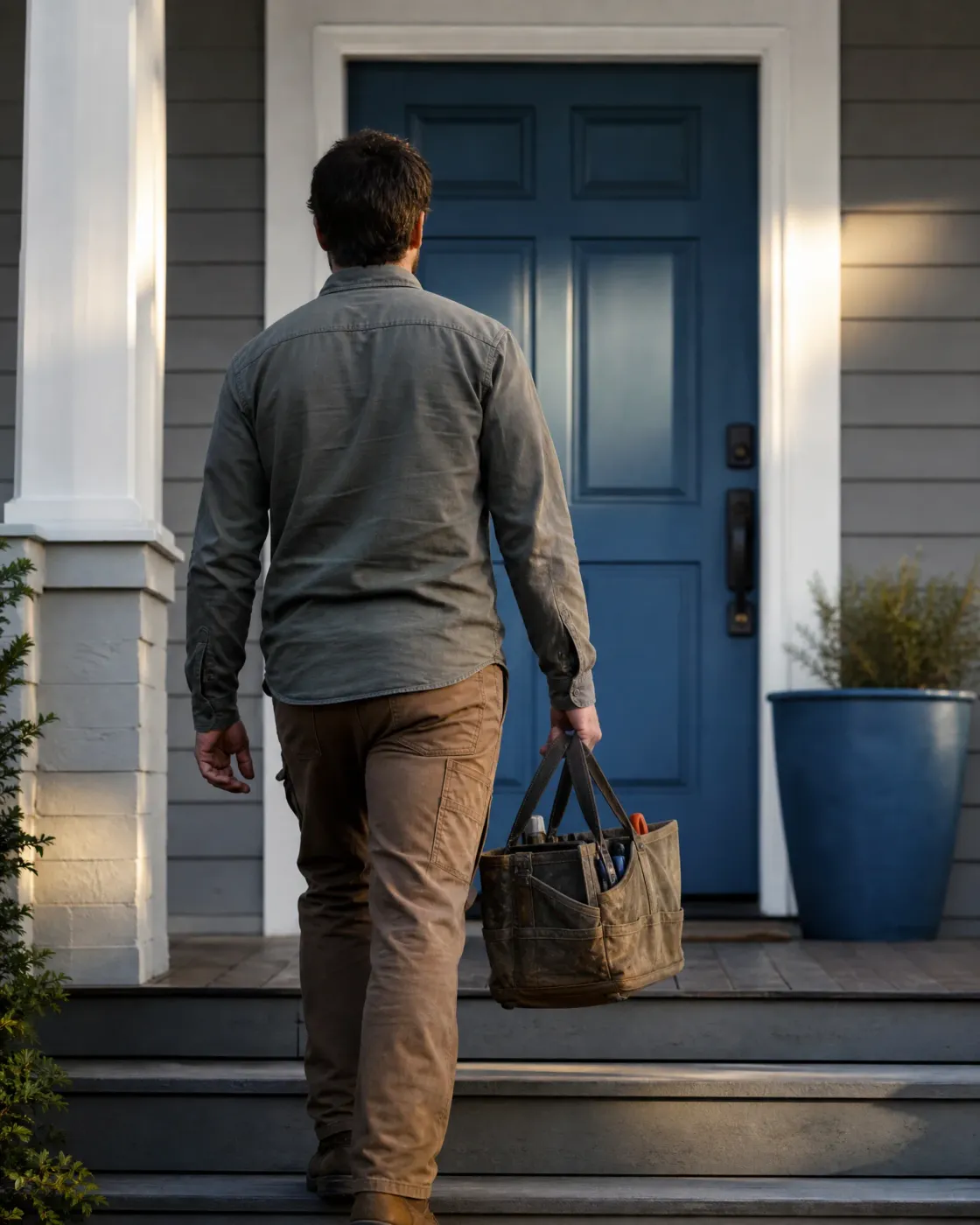
A man in a gray shirt and brown pants, seen from behind, carries a canvas tool bag up porch steps toward a blue front door beside a potted shrub.
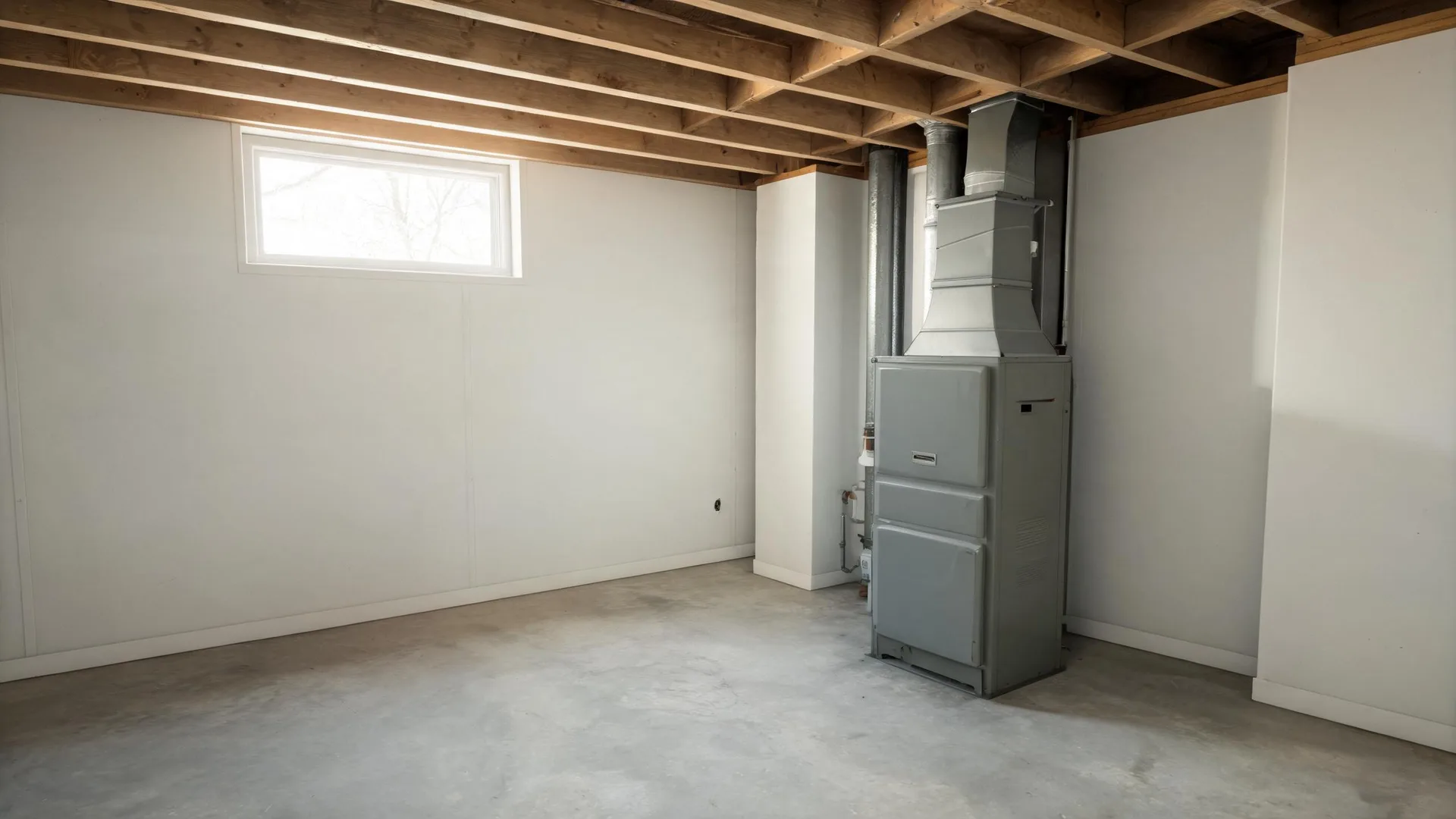
A gray residential gas furnace installed in an unfinished basement, surrounded by ductwork, a metal flue pipe, and a gas supply line.

September is the month to get this done

Furnaces here start running in October and keep going through May. September is the last month before that stretch begins, and it's the easiest time to put in a new unit. No rush, no cold snap forcing a decision, no space heaters running while you wait for a crew. Once October hits, every week the furnace runs is a week you're finding out whether it was sized and installed right. Get that settled before the first cold morning, not during it.

The old furnace has to come out first

A furnace isn't just unbolted and swapped. The gas line gets capped or disconnected, the vent or flue gets removed or adjusted, and the ductwork connection has to be opened up and refitted to the new unit. If the old furnace shares a flue with a water heater, that venting often needs a second look once the furnace is gone, since the flue was sized for both appliances running together.

Hauling it off isn't the homeowner's job

The old unit gets disconnected, drained if it has any standing water in a coil or trap, and carried out as part of the install. A contractor handles the disposal. The thing worth asking about beforehand is what happens to the old ductwork and venting, since those often get reused rather than replaced, and it's worth knowing which parts of the old system are staying before the crew shows up.

A gray forced-air furnace with ductwork stands in an unfinished concrete basement surrounded by storage items and clutter.

A high-efficiency gas furnace would save about $80 a year to run in Humboldt County compared with a gas furnace.

  • A high-efficiency gas furnace$440 a year
  • A gas furnace$520 a year

Estimates for a typical Humboldt County home, from EIA household energy data, California fuel prices and NOAA climate normals. Your home will differ.

The crew starts by shutting off gas and power to the old unit before anything gets disconnected. Once the old furnace is out, they check the ductwork and venting against what the new furnace needs, since not every old connection fits a new unit without some adjustment. Setting the new furnace in place and running gas, venting and ducting to it takes most of the day. Once it's connected, the furnace gets fired up and run through a full cycle so the technician can check the flame, the airflow coming out of the registers, and the rise in temperature across the unit. Gas line connections get checked for leaks before the crew leaves, and the thermostat gets set up and tested. A walkthrough at the end covers where the shutoff is, what the filter looks like and where it sits, and what the first few cycles should sound and feel like.