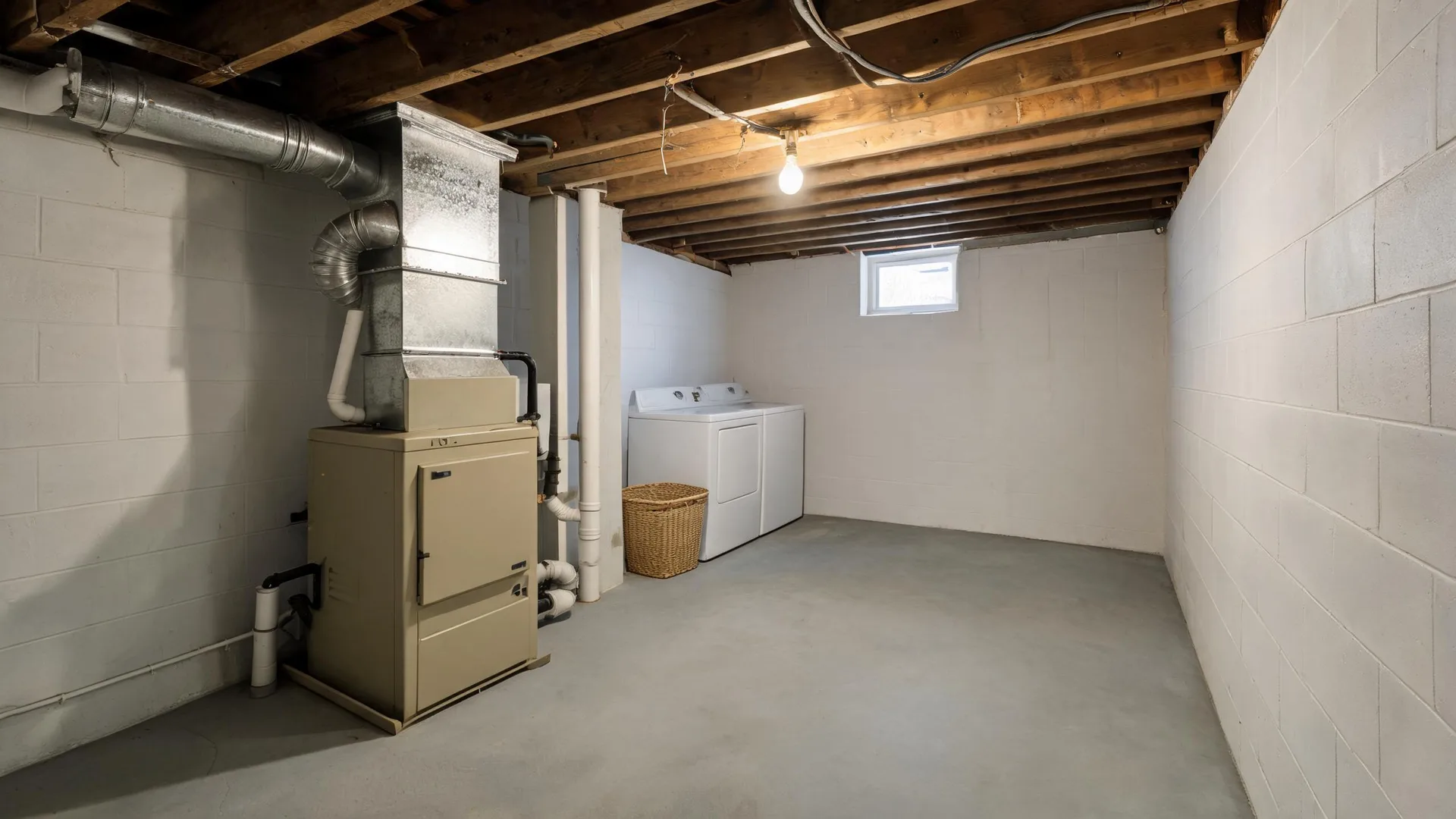
Gas is the normal setup here
Utility gas heats 60.2% of homes in Sutter County, more than any other fuel. A gas furnace isn't an unusual request in Yuba City. It's what most of the installers in this area work on week in and week out.
Takes about a minute. No obligation.
Utility gas heats 60.2% of homes in Sutter County, more than any other fuel. A gas furnace isn't an unusual request in Yuba City. It's what most of the installers in this area work on week in and week out.
If your old furnace ran on gas, keeping the same fuel is usually the straightforward path. The gas line is already run to the house, and the vent is already in place. Switching to electric heat instead means new wiring and ductwork changes, so it's worth asking what that adds to the job before you decide.
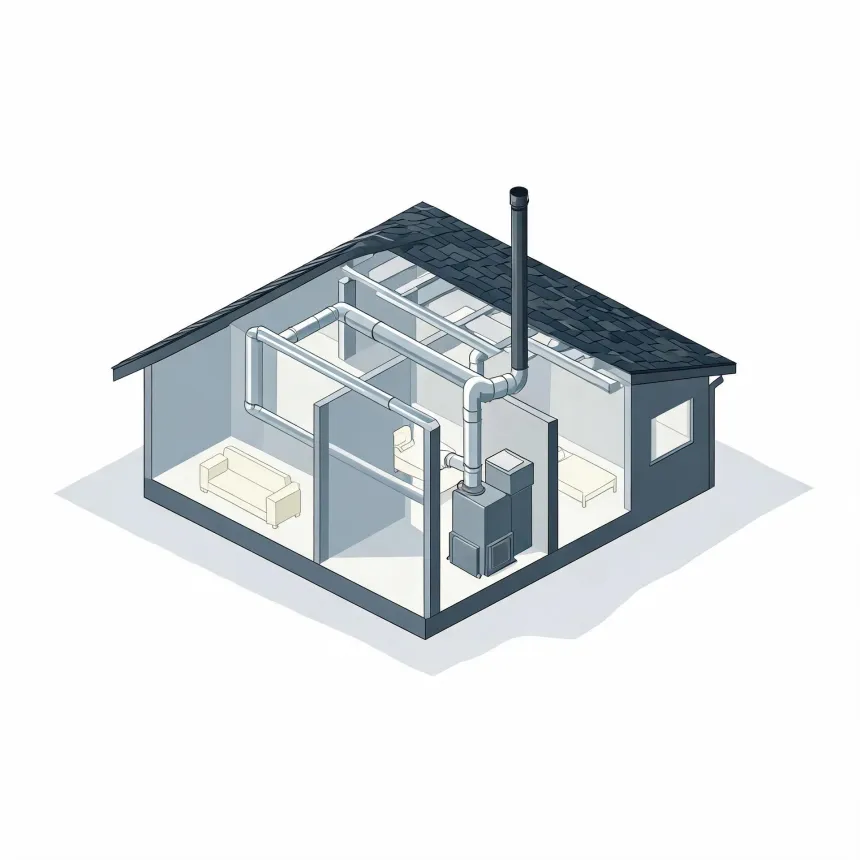
NOAA nClimDiv, 1991–2020 normals
Gas in California ran $18.44 per million Btu in 2024.
A high-efficiency furnace still saves fuel here, but the payback stretches out longer than it would somewhere with pricier gas.




Any furnace installed in Yuba City has to clear 80 percent AFUE. That's the federal floor for new gas furnaces, and it applies everywhere, not just here. Sutter County has a short, mild winter and stays dry most of the year, so the furnace is working fewer months than it would somewhere colder. Mid or high-efficiency units are still worth looking at if you want lower gas bills during the months it does run. That floor rises to 95 percent AFUE in 2028, so a furnace bought now still only has to meet the lower number.
With gas priced where it is here, a high-efficiency furnace earns its keep slower than it would elsewhere. That makes the choice less about the AFUE number and more about picking a unit that fits your home and holds up. Get a few contractors out to look at the job before you decide.
Find a contractorInstallation price moves with what the job requires, not just the unit itself. A straight swap, same fuel, same spot, same duct layout, is the simplest version of this job. Add a bigger blower, a change in venting, or a furnace sized differently than the one it replaces, and the labor grows with it. Ductwork matters too. A furnace that's too big for the ducts feeding it will short cycle, and a contractor worth hiring will size the unit to the house, not just swap in whatever matches the old nameplate. The cabinet, the heat exchanger, the gas valve all vary by tier, and higher-efficiency furnaces need a condensate line the older ones didn't. None of that shows up until someone's actually looked at your setup, which is why the quote comes after the visit, not before it.
A contractor shuts off the gas line, disconnects the vent, and pulls the old unit out of the cabinet space or closet it sat in. Hauling it away is usually part of the job, so it's not left for the homeowner to deal with.
The vent, the gas line, and the duct connections the old furnace used don't automatically fit the new one. A contractor checks whether the venting still meets code for the new unit and whether the gas line is sized right before anything gets installed.
Estimates for a typical Sutter County home, from EIA household energy data, California fuel prices and NOAA climate normals. Your home will differ.
Setting the new furnace in place is the fast part. Most of installation day goes to the connections around it. The gas line gets hooked up and checked for leaks. The vent gets sealed tight. The ductwork gets tied back in so air isn't leaking out at the joints. Once it's wired in, the contractor fires it up and runs it through a full cycle, checking the flame, the gas pressure, and the temperature rise as air moves through the ducts. That's also when the thermostat gets set up and tested. A furnace that looks installed but hasn't been run and checked isn't finished yet.