Heat pump vs furnace in Sutter County, California

Get Matched With a Pro

Replacement quotes in Sutter County

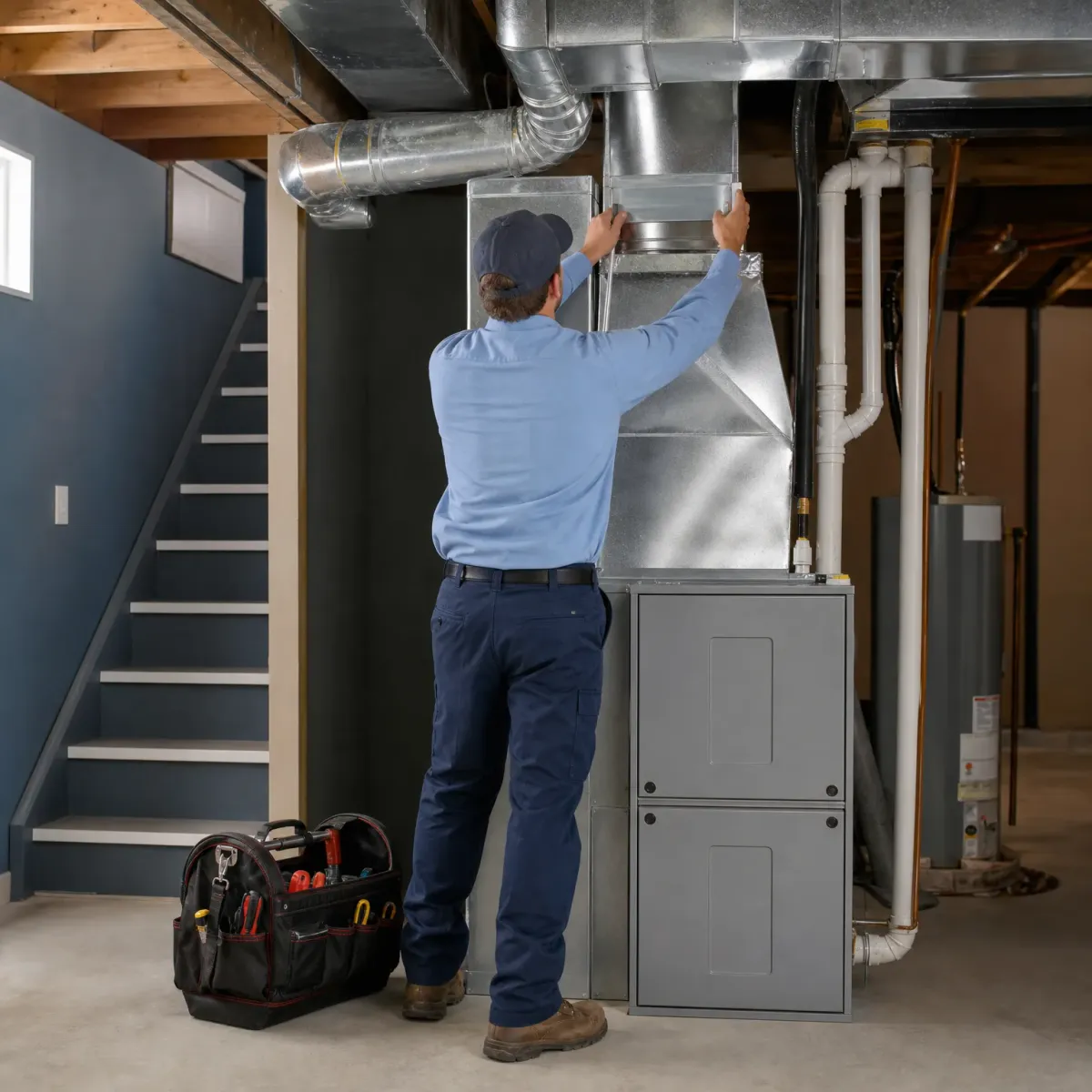
A man in a blue shirt, navy pants and cap works on sheet metal ductwork above a gray furnace in a basement, with an open tool bag on the floor and stairs to the left.

Tell us about the job

Takes about a minute. No obligation.

New system or replacementSutter County, CA
Step 1 of 3

What kind of equipment?

Which costs less to run in Sutter County?

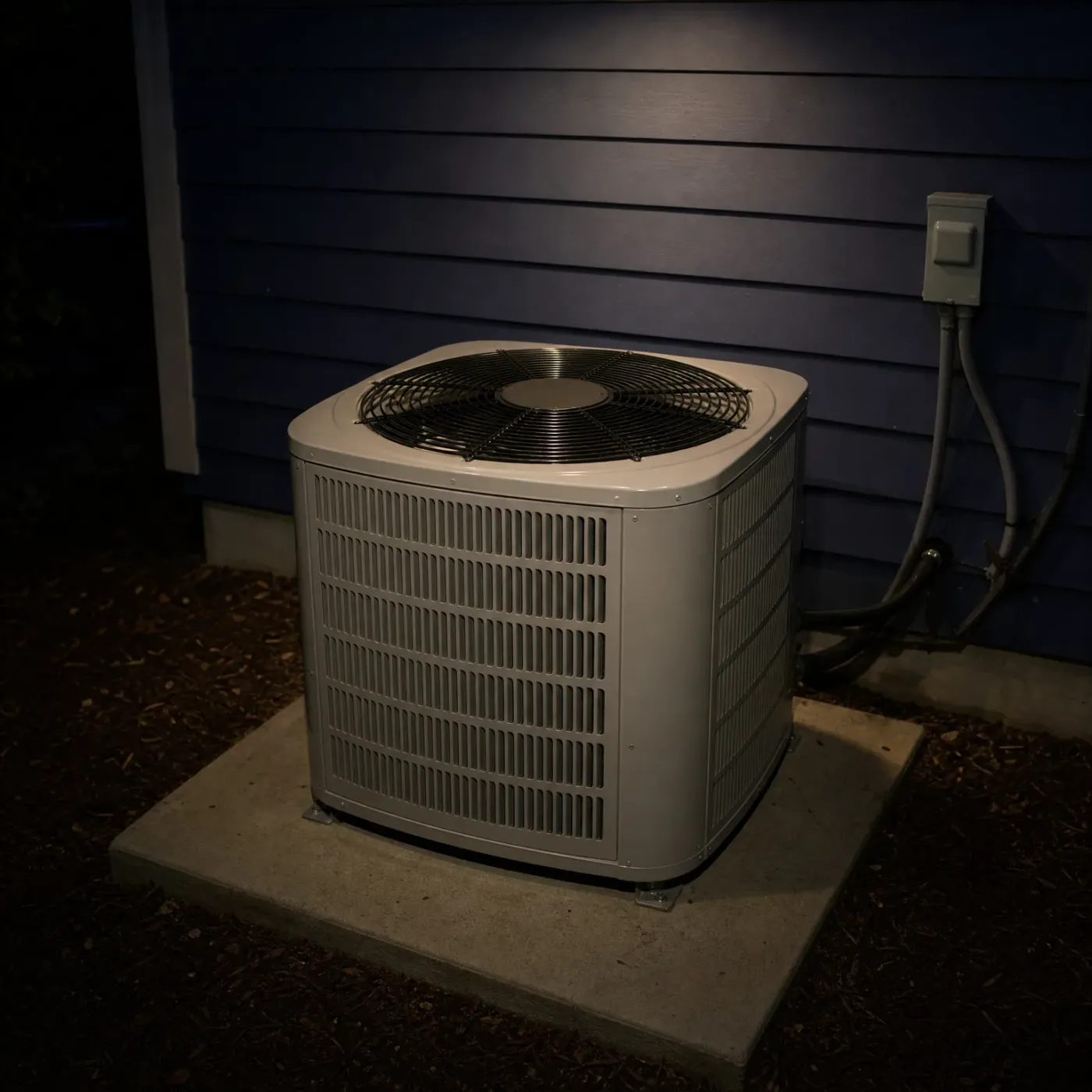
A beige outdoor condenser unit with a top fan grille sits on a concrete pad beside a dark blue horizontal-siding wall at night, with a wall-mounted disconnect box and conduit to the right.

Heat pump

To heat your home here$4.26per 100,000 Btu

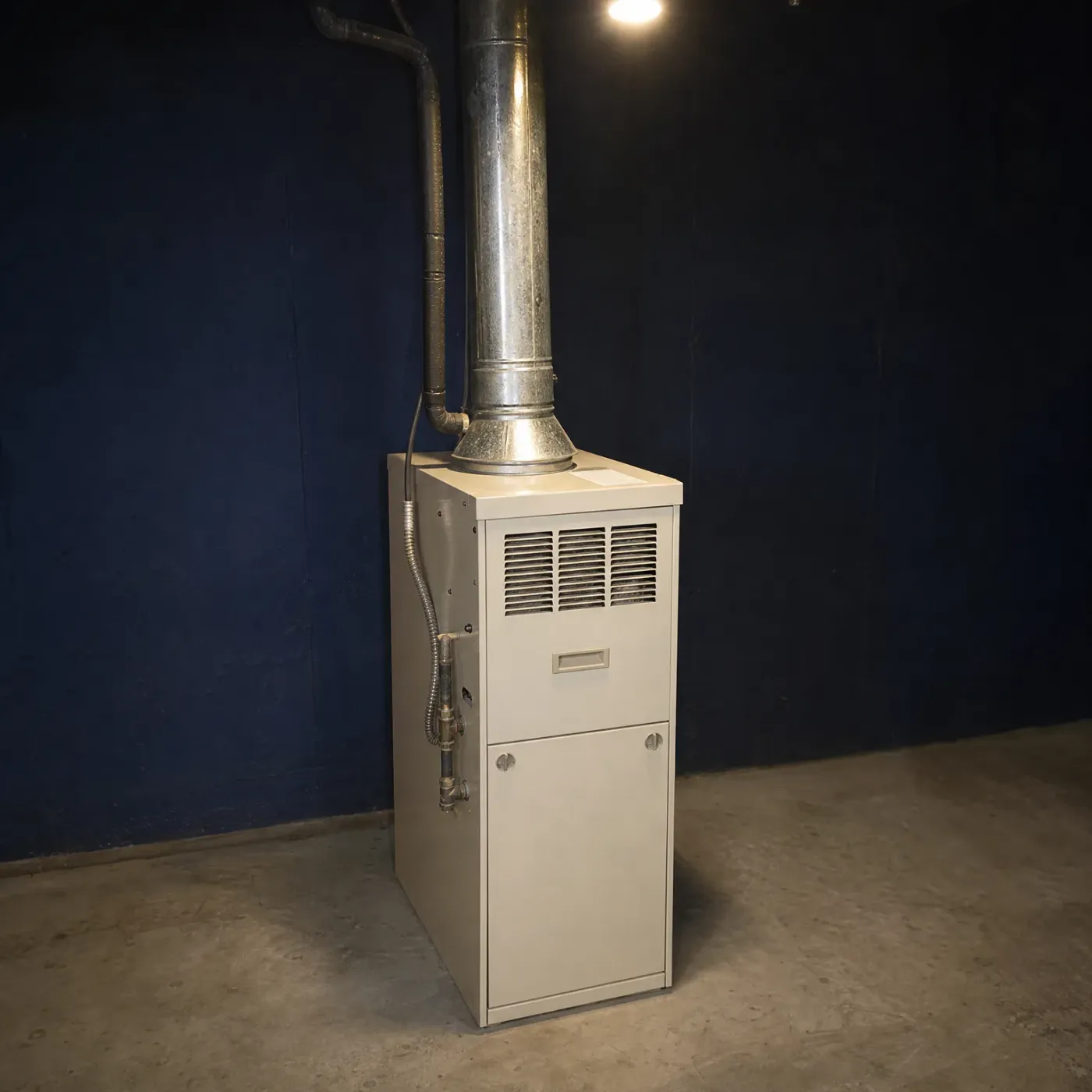
A beige residential furnace with a louvered vent panel stands against a dark blue wall on a concrete floor, with a metal flue pipe and a smaller duct rising from its top.

Furnace

To heat your home here$2.31per 100,000 Btu

At California's gas and electricity prices, a gas furnace makes the same heat as a heat pump for at least 45% less.

Btu stands for British thermal unit, the standard measure of heat energy.

Where does a heat pump shine?

  • Made for mild winters

    Winter nights here average 40°F, not the teens or single digits a heat pump struggles with. That's mild enough for a heat pump to keep your house warm all winter without a backup heat source kicking in.

    Front porch of a navy-sided house with a light blue door, white columns and railings, concrete steps with a doormat, potted small evergreens, a bench with a blue blanket and brown boots, and frost on the surrounding lawn.
  • Covers a long cooling season

    Cooling runs May through September here. A heat pump is doing that job for most of the year, so it's worth having one built to handle long stretches of cooling, not just short bursts.

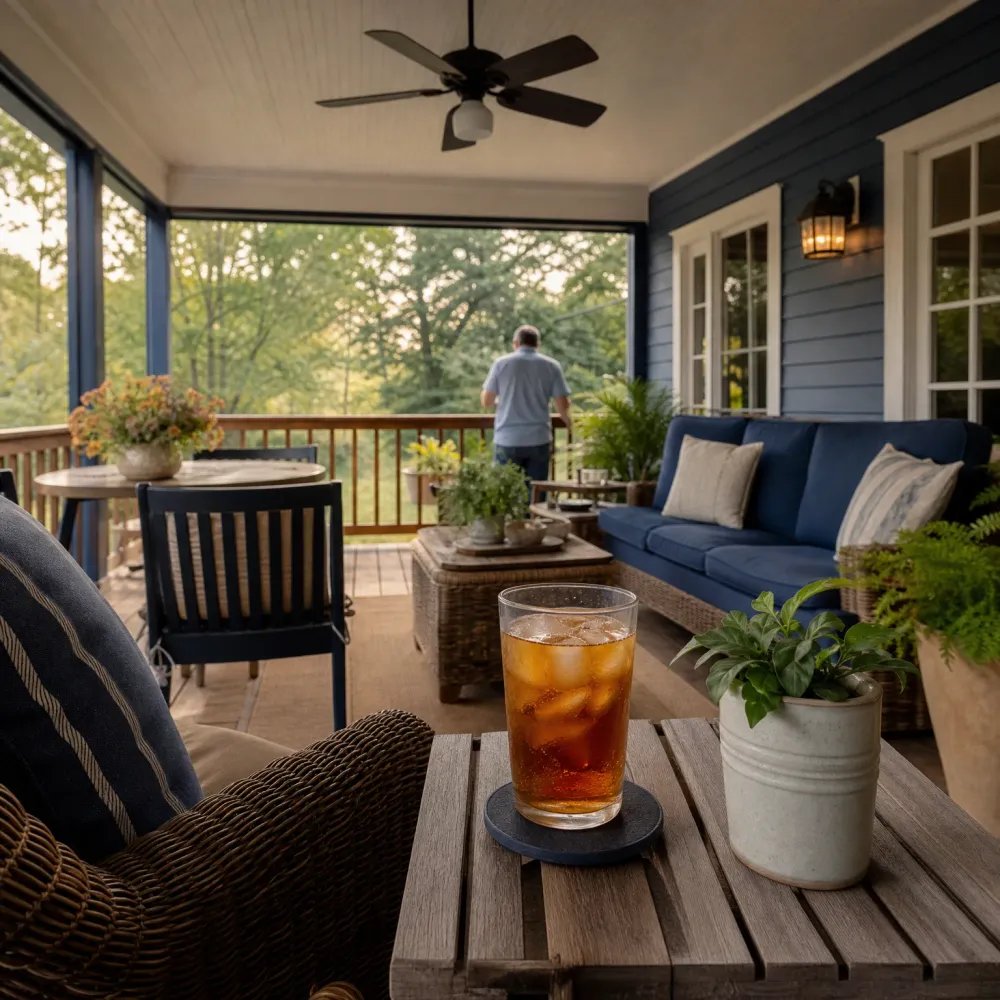
    A covered porch with blue lap siding, a ceiling fan, a navy cushioned sofa and wicker furniture, where a glass of iced tea sits on a coaster on a weathered wooden table beside a potted plant, with a person standing at the railing looking out at green trees.
  • Heats and cools in one system

    One machine handles the heat in winter and the cooling in summer. There's no second system to buy or keep up.

    A beige sofa with a navy cushion and light blue knit throw sits beside a large window overlooking a green garden, with a wooden coffee table holding a mug, bowl and vase of flowers, and navy built-in shelving with stone wall at right.

Where does a furnace shine?

  • Runs on the gas most homes here already use

    Most homes in Sutter County already heat with gas, so a furnace just hooks into a line that's probably already there. No new fuel setup to deal with, no separate system to learn.

    A row of houses with blue-painted porches and front steps along a snow-edged sidewalk, with bare trees and a distant person walking away.
  • Fast, strong heat on demand

    The air coming from the vents feels genuinely hot. That's welcome on a freezing morning.

    Entryway with a navy paneled door, snow-dusted winter boots on a wood floor, a floor air vent, a sheer white curtain, a navy built-in bench with a plaid throw and a steaming light blue mug, and coats hanging at upper right.
  • Pairs with any central AC

    The ductwork that delivers heat in winter delivers cool air in summer once an AC coil is added.

    Sunlit wood floor with a metal floor vent near sheer white curtains at a window, a blue-trimmed doorway and tall potted plant at left, a blue patterned rug in the foreground, and a wooden chair draped with a blue fringed throw at right.

Why gas wins the running cost here

Winters in Sutter County are mild. The overnight low averages 40°F through December, January and February, and it only drops to freezing or below on about 14 nights a year. A heat pump does its best work in exactly this kind of weather, because the colder the air outside, the harder it has to work to pull heat from it. Here, it rarely has to work hard.

But mild winters don't make a heat pump the cheaper choice. At California's current prices, electricity runs $93.69 per million Btu against $18.44 for natural gas, and that gap is wide enough that a gas furnace still heats your home for less even though it's the less efficient machine on paper. Worked through the federal minimum rating for each, a heat pump costs $4.26 to deliver 100,000 Btu of heat and a furnace costs $2.31. That's a gas furnace heating your home for at least 45 percent less than a heat pump would.

Heat is also the bigger job here, not the smaller one. The heat runs about six months a year, November through April, against five months of cooling. Whichever machine handles heat is working the longer season, so what it costs to run that machine for heat matters more here than what it costs to run for cooling.
White stucco house with red clay tile roof, an arched navy blue front door, terracotta tiled steps with patterned risers, a wall lantern, and cacti and agave plants in a gravel bed under a clear blue sky.

What a furnace gives up, and what decides it

A gas furnace only heats. For the six months it isn't needed, it sits there doing nothing, and your cooling has to come from a separate central air conditioner. A heat pump does both jobs in one system, which matters more in a place with a long cooling season, and afternoons here reach 90°F or above on about 100 days a year.

So the choice comes down to what you're set up for and what you're optimizing. Three in five homes in Sutter County already heat with utility gas, and if yours is one of them, the gas line and venting are already in place, and a furnace is the straightforward swap. If your home heats with electricity now, a heat pump avoids adding a gas line, and it covers the long cooling season with the same equipment that handles winter.

If running cost is what matters most to you, the furnace is cheaper to operate at today's prices, by a wide enough margin that mild winters don't close the gap. If you want one system instead of two, or you're not on gas already, the heat pump earns its keep differently, by combining the two jobs your house needs done all year. Either way, check what your house is already set up for before you decide, because that, more than the weather, is what makes the switch simple or not.

Sources: NOAA nClimDiv · NOAA 1991–2020 seasonal normals · EIA SEDS 2024 · 10 CFR 430.32 · Census ACS 2020–2024

A stucco house entry with an arched dark blue door under an archway, terracotta tile steps with patterned blue and white risers, a lantern wall light, and agave and succulent plantings on both sides.

Common questions about heat pumps and furnaces

  • Will a heat pump keep my house cool enough here?

    Yes, a heat pump cools the same way a central air conditioner does, through the same ducts. The afternoon high hits 90°F or above on about 100 days a year here, and a heat pump built for this climate is sized to handle that stretch.

  • Can I keep my furnace and add a heat pump?

    Yes, that pairing is called a dual fuel system, and a contractor can set it up so the heat pump carries most of the season and the furnace steps in on the coldest nights. The overnight low here only drops to 32°F or below about 14 nights a year, so the furnace would have a small, specific job rather than running all winter.

  • Is a heat pump cheaper to run than a furnace in Sutter County?

    No, a gas furnace costs less to run here. A furnace built to the federal minimum makes heat here for $2.31 per 100,000 Btu, against $4.26 for a heat pump, because California's electricity price runs far higher than its natural gas price per Btu.