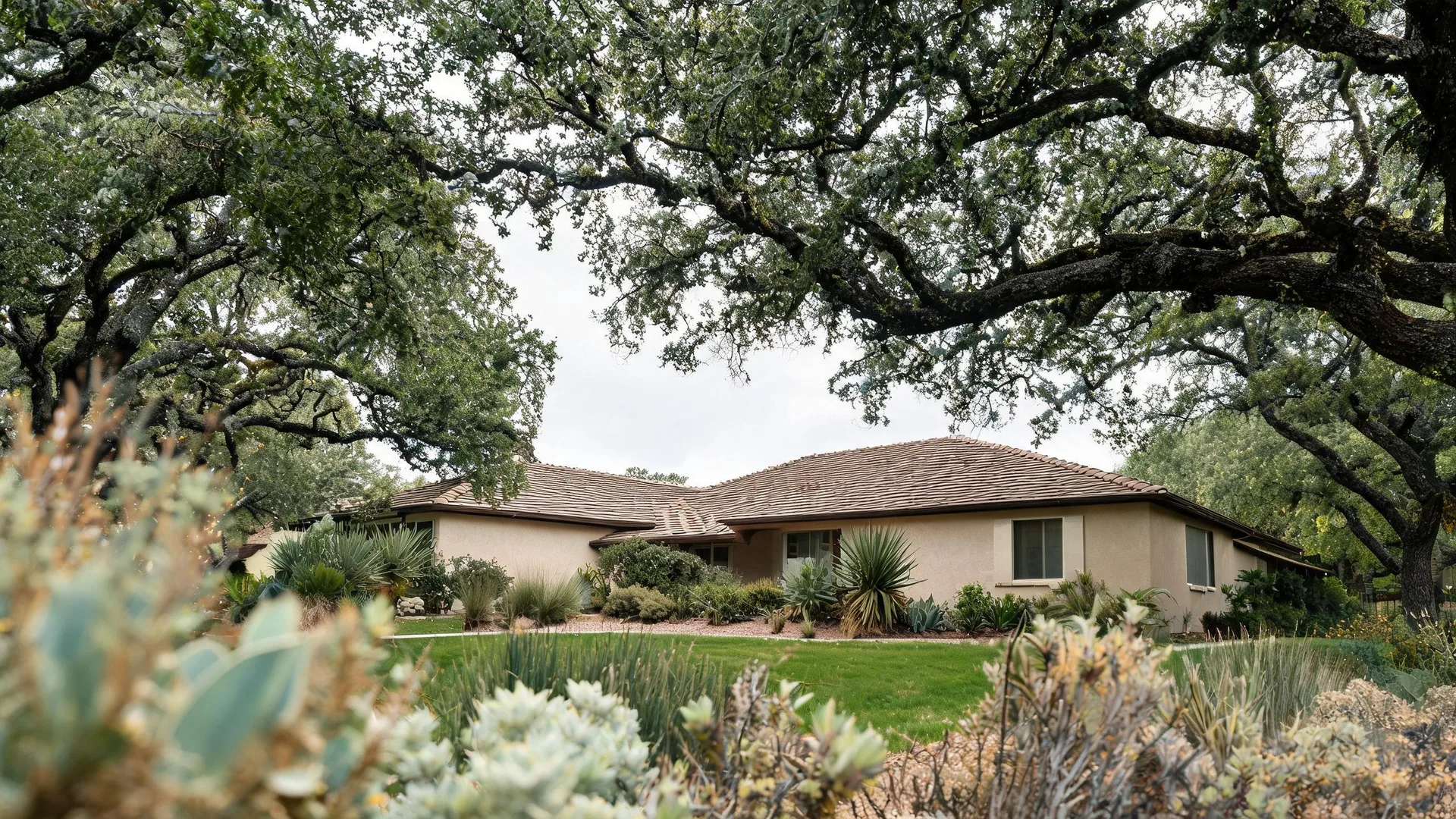






A single-story stucco house with a tile roof seen across a lawn, framed by large spreading oak branches and foreground agave and shrub plantings.

Furnace Repair in Yuba City, CA

Tell us about the job

Takes about a minute. No obligation.

RepairFurnace or heatingSutter County, CA
Step 1 of 2

What ZIP code is the job in?

Half the homes in Sutter County were built in 1982 or later. That puts a lot of furnaces in this area well inside their working life, not past it. A furnace that age with a bad igniter or a failed flame sensor is still worth fixing. The cabinet, the ductwork, the rest of the system around that one failed part are all sound. If your furnace came with a newer house here, repair is the call, not replacement.

6 months
November through April, your furnace is on duty
40°F
the average winter night it heats against
60%
of homes here heat with gas, so most furnaces here burn gas
Isometric line illustration of a cutaway house showing interior rooms with furniture and a furnace with ducting and a flue pipe extending through the roof.
Your furnace works hardest from November through March.

NOAA nClimDiv, 1991–2020 normals

Your furnace only has to run about six months here, November through April.

Winter nights average 40°F, so the furnace in a Sutter County home isn't working against much.

October is when to get it checked, before it has to work

Heat runs November through April
Winter nights average 40°F
Climate zone 3B
A newer furnace is worth fixing, not replacingHalf the homes in Sutter County were built in 1982 or later.

That light workload is good news when a tech has the cabinet open. A part that fails on a furnace like this is more likely to have just worn out or gone unchecked than to have been run into the ground. So a cracked heat exchanger or a worn-out blower motor is usually a sign of age, not a sign the furnace has been overworked. That makes the repair call straightforward. Fix the part and there's no reason the furnace shouldn't see out its working life.

Repair it

If your system came with a newer house, it likely has plenty of life left. Repair is usually the right call.

Find a contractor
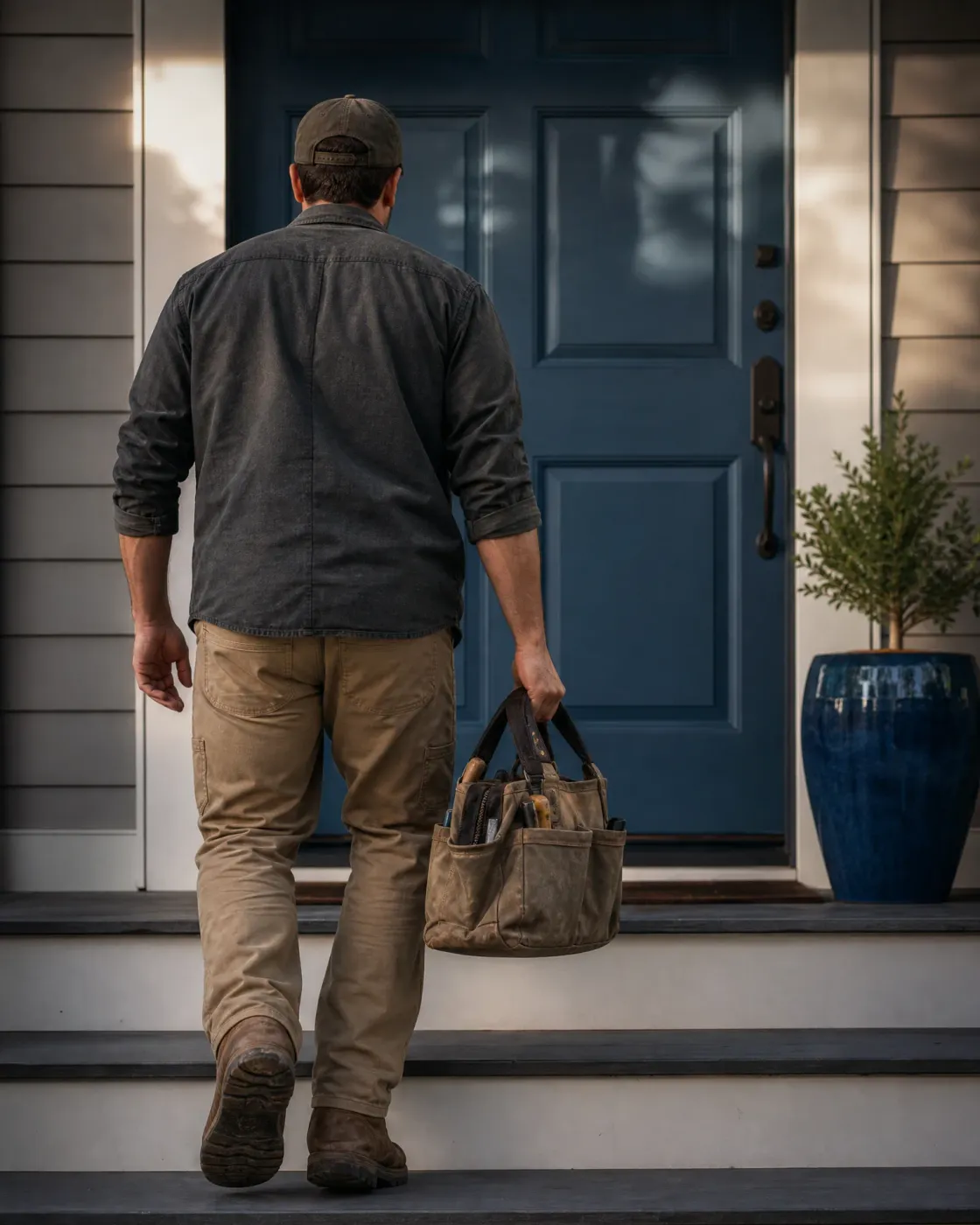
A man in a cap, dark shirt and tan work pants, seen from behind, carries a canvas tool bag up steps toward a blue front door beside a potted shrub.
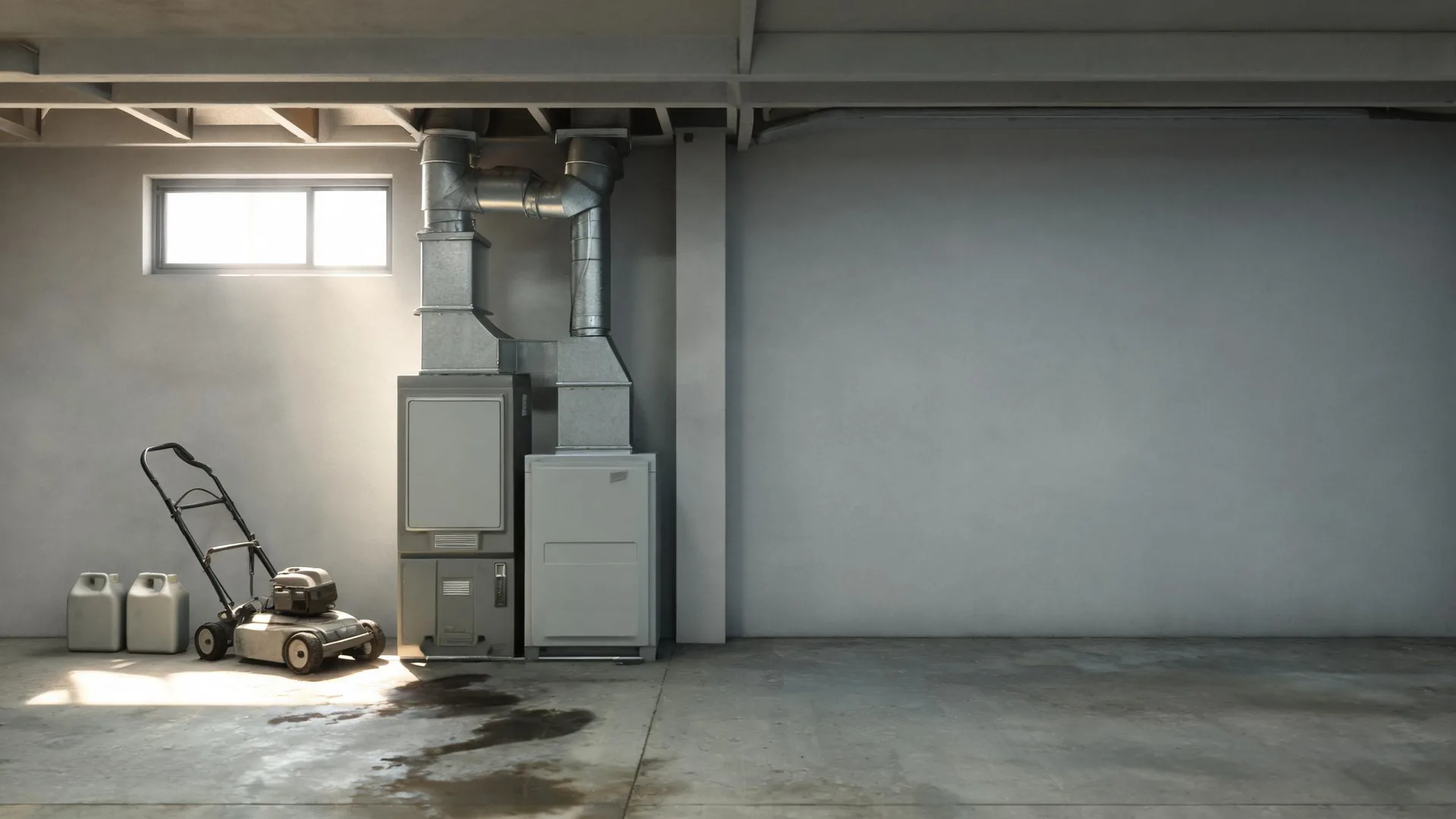
A gray residential gas furnace installed in an unfinished basement, connected to sheet-metal ductwork and PVC pipes.

What a dying part sounds and feels like before it quits

A furnace gives warning before it quits outright. Short cycling is one, where it fires up, runs a couple minutes, and shuts off before the house warms at all. That usually points to a clogged filter or a flame sensor that needs cleaning. A burner that won't stay lit, or one that lights with a bang instead of a steady whoosh, means the igniter or the gas valve is on its way out. Cold air blowing from the vents before the burners catch is normal for a few seconds, but if it drags on, the igniter is struggling. A blower that runs constantly, or one that gets loud, grinding or squealing, is a motor or bearing telling you it's wearing down. None of these mean the furnace is finished. They mean one part failed, and that part can be replaced on its own.

A cracked heat exchanger doesn't heal on its own

Once the metal cracks, every heating cycle flexes it a little more. The crack opens wider, and flue gas has more chance of mixing into the air the blower pushes through the house. Shutting the furnace off and getting it looked at stops that crack where it is.

A failing igniter can take the blower motor with it

When an igniter struggles to light the burners, the furnace tries again and again, each attempt cycling the blower on and off. That extra starting and stopping is harder on a blower motor than running steady would be. Fix the igniter early and the blower never has to take that beating.

An unfinished basement featuring a grey forced-air furnace with metal ductwork, concrete block walls, exposed wooden joists, and a single hanging bare bulb.

A new furnace would cut about $60 a year off heating for a typical Sutter County home.

  • A new high-efficiency furnace$250 a year
  • An older furnace$310 a year

Estimates for a typical Sutter County home, compared with an older unit built to the previous federal minimum, from EIA household energy data, California fuel prices and NOAA climate normals. Your home will differ.

Repair makes sense when one part has failed and the heat exchanger is sound.

Replacement makes sense when the heat exchanger is cracked or the furnace keeps needing parts.

Most furnace repairs are straightforward because the parts that fail are the parts built to fail first. An igniter, a flame sensor, a blower motor, each one does a job that wears it down over time, and each one bolts in or out on its own. None of them are the furnace itself. The heat exchanger and the cabinet around it are built to outlast several of those smaller parts. So when a tech opens the panel, the question usually isn't whether the furnace is worth saving. It's which part failed, and whether anything it touched failed with it. That's a different question than replacement, and most of the time it has a simpler answer.