





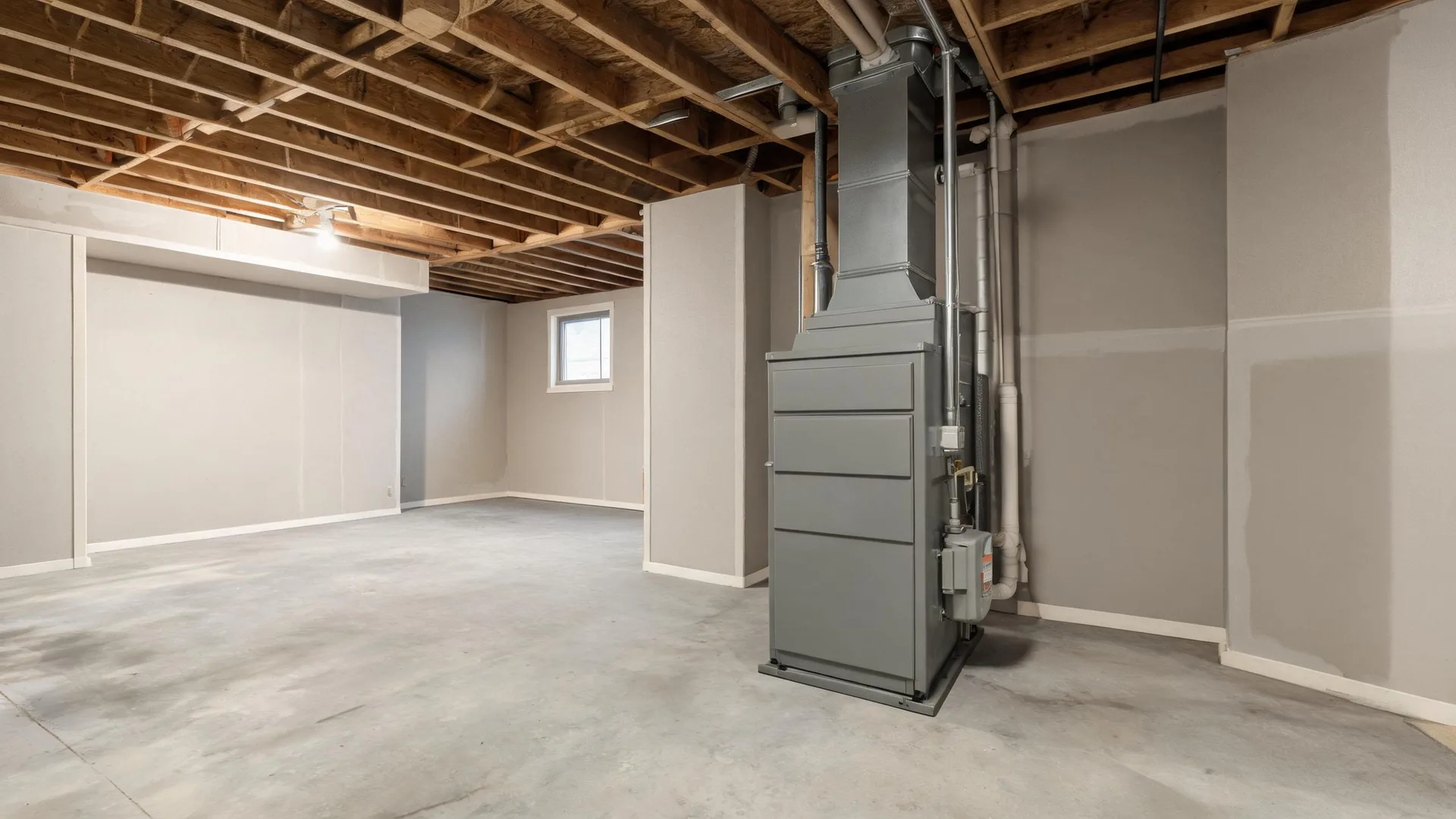
An unfinished basement featuring concrete block walls, exposed floor joists, and a metal forced-air furnace with ductwork near a central pillar.

Furnace Installation in Riverside, CA

Tell us about the job

Takes about a minute. No obligation.

New system or replacementFurnace or heatingRiverside County, CA
Step 1 of 2

What ZIP code is the job in?

The furnace itself is only part of what you're paying for. Size matters more than most people expect. A furnace too big for the house cycles on and off and wears out faster. One too small runs constantly and never quite keeps up. Getting that right means a contractor measuring the house, not just swapping in whatever size was there before. The ductwork plays a role too. If it's undersized or leaky, even a good furnace will struggle, and that can mean repairs to the ducts before the new unit goes in. A higher-efficiency furnace often needs different venting than an older model, and running new vent pipe takes time and material. The thermostat, the wiring and the gas line all have to match what the new furnace needs, and none of that shows up until someone looks at the whole system, not just the furnace sitting in the closet or basement.

5 months
November through March, your furnace is on duty
42°F
the average winter night it heats against
70%
of homes here heat with gas, so most furnaces here burn gas
80% AFUE
the federal minimum any new unit must meet
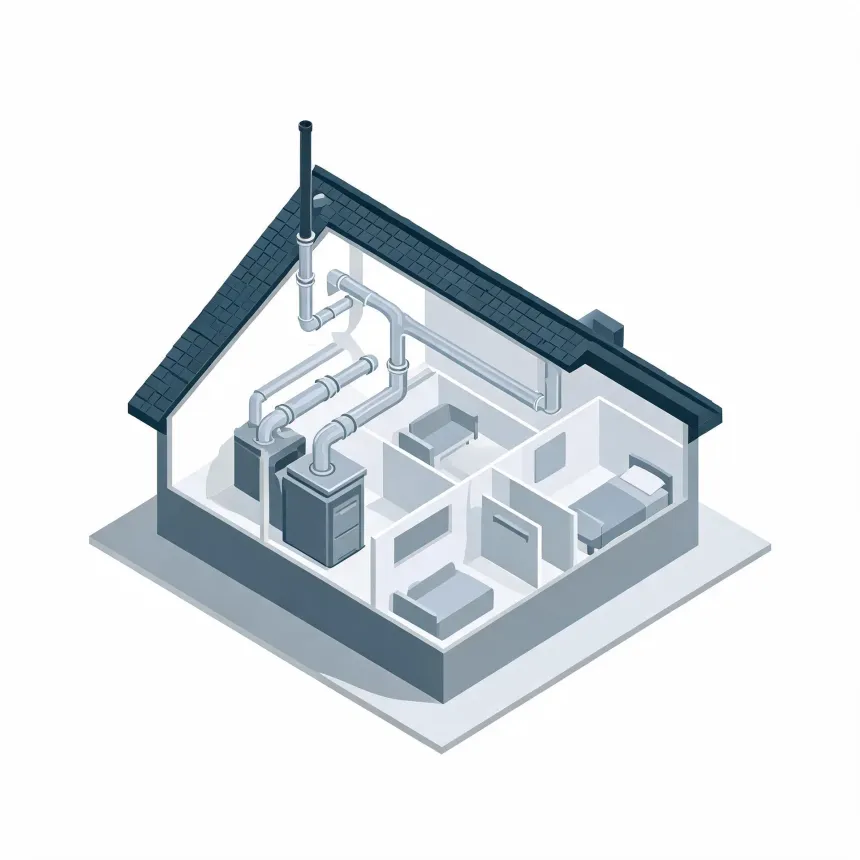
Isometric illustration of a cutaway house showing a furnace unit with ductwork and a flue pipe running through the interior rooms, which contain simple furniture.
Your furnace works hardest from December through March.

NOAA nClimDiv, 1991–2020 normals

70% of homes in Riverside County heat with utility gas.

A gas furnace is the safe default here, and most installs are a straight swap for what's already in place.

Five months of mild nights, not a hard winter workload

Heat runs November through March
Winter nights average 42°F
34 winter storms from 2015 to 2024
Install before NovemberHeat goes on in November. Get a new furnace in before then.

Riverside County falls in zone 3B, a warm, dry climate with a short mild winter. Any furnace installed here still has to meet the federal minimum for that category, not a lower bar because winters are easy. Right now that means 80 percent AFUE for a standard gas furnace. That floor is changing. Furnaces built on or after December 2028 will have to hit 95 percent AFUE, well above today's minimum. A furnace bought now meets the rule in place now, and a contractor can tell you where a given model sits against both standards.

Pick the furnace that won't let you down, not just the one that saves the most

Gas here runs $18.44 per million Btu, on the high side, so a high-efficiency furnace takes longer to earn back its extra cost than it would somewhere with cheaper power. That changes what's worth paying for. A furnace that starts reliably and holds up through a power cut matters more here than squeezing out another point or two of AFUE.

Find a contractor
A gray high-efficiency gas furnace installed in an unfinished basement, surrounded by gas lines, a condensate drain, and sheet-metal ductwork.

What comes out before anything goes in

The old furnace doesn't leave with the truck empty handed. A contractor has to disconnect the gas line, cap or reroute the vent, and pull the unit free of the ductwork without damaging the plenum it sits under. Furnaces run long enough that the sheet metal around them settles, duct seams shift, and whatever was hidden behind the unit for years gets exposed the moment it's gone. Scorch marks on the floor, a cracked heat exchanger, rust where condensation sat. None of that is a reason to worry. It's just what age looks like on a furnace that ran every winter for as long as it was asked to. Hauling it out also means someone has to deal with the refrigerant or combustion residue left inside, which is why this part of the job falls to a licensed contractor and not a demo crew.

Ask what the quote assumes about venting

A furnace quote should say what kind of vent pipe it includes. A standard-efficiency furnace vents through metal flue pipe. A high-efficiency model vents through plastic pipe run to an outside wall, and that pipe has to reach a certain path to work right. If a bid doesn't mention venting at all, ask what's included before you compare it to anything else.

Ask who is checking the ducts before the furnace goes in

A contractor who prices the furnace without looking at the ducts is guessing. Leaky or undersized ductwork will hold back even a well-chosen furnace, and that's a separate job from installing the unit itself. Ask whether the quote includes a look at the ducts, and what it would cost to fix what they find there.

An unfinished basement interior showing a gray furnace unit beneath a bare incandescent bulb, surrounded by exposed joists, concrete walls, cardboard boxes, and utility pipes.

A high-efficiency gas furnace would save about $30 a year to run in Riverside County compared with a gas furnace.

  • A high-efficiency gas furnace$170 a year
  • A gas furnace$200 a year

Estimates for a typical Riverside County home, from EIA household energy data, California fuel prices and NOAA climate normals. Your home will differ.

Install day starts with the old furnace coming out, not the new one going in. A contractor disconnects the gas line, the vent pipe, the electrical and the ductwork connections, then pulls the unit out of the closet or basement. That's when problems hiding behind the old furnace show up, a vent pipe that was never run right, ductwork that doesn't seal the way it should. The new furnace gets set in place, leveled, and tied back into the gas line, the vent and the ducts. Each connection gets tested before anything's buttoned up. Gas pressure gets checked and set to match the furnace, not left wherever the last unit had it. Once it's running, a contractor checks the temperature rise across the furnace and the airflow at the vents, because a furnace can be installed correctly and still perform poorly if the airflow isn't right. The last step is showing you the thermostat and whatever controls came with the new system, since those often work differently than what you're used to.