

Illuminated white stucco houses with terracotta roofs clustered on a dry hillside at dusk.

Furnace Installation in San Mateo, CA

Tell us about the job

Takes about a minute. No obligation.

New system or replacementFurnace or heatingSan Mateo County, CA
Step 1 of 2

What ZIP code is the job in?

San Mateo County logged 266 damaging wind events between 2015 and 2024. Hail is rare here by comparison, only a handful of events in that same stretch. Wind is the one to plan for. Ask the installer to set the outdoor unit away from fences and anything tall enough to fall on it, with open space around it for airflow. Power cuts matter just as much for a furnace. Gas furnaces still need electricity to run the blower and ignition, so a cut takes down your heat even with gas in the line. A good share of California households went at least a day without power last year. If that risk worries you, ask about a battery backup or a transfer switch for the furnace circuit before the system goes in, not after.

7 months
November through May, your furnace is on duty
43°F
the average winter night it heats against
63%
of homes here heat with gas, so most furnaces here burn gas
80% AFUE
the federal minimum any new unit must meet
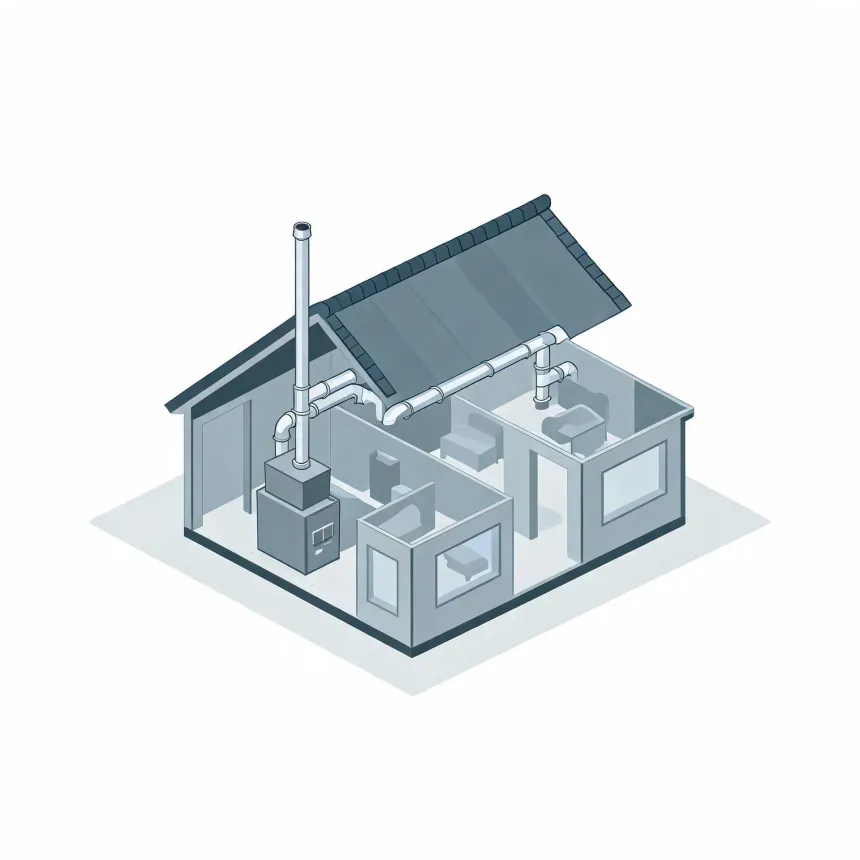
Isometric grayscale illustration of a cutaway house showing an interior furnace with a tall flue pipe and ductwork running to rooms under a partially lifted roof.
Your furnace works hardest from November through April.

NOAA nClimDiv, 1991–2020 normals

Furnaces here start running in November.

Get yours installed in October, while you can still pick the date.

Half the homes here were built by 1966. A new furnace has to work with that house, not the one it was modeled on.

Half the homes here were built by 1966
Heat runs November through May
Winter nights average 43°F
Most homes here run on gasUtility gas heats 62.8% of homes in San Mateo County, replacing like for like is the simplest path.

282 severe weather events were recorded in this county between 2015 and 2024, and that count includes more than wind and hail. Ask the installer where the furnace's electrical disconnect and any exposed wiring will run, and whether it sits clear of branches or debris that could come down near it. If the furnace shares a closet or pad with the outdoor AC unit, it's worth asking about protection for both at once rather than one and not the other. Winter storms are rare here, but a furnace that loses power loses its blower and ignition no matter what caused the outage. Settling the backup question at install time means you're not working it out during the first cold night without power.

Here, the furnace that keeps running matters more than the one that runs cheapest

Gas here runs $18.44 per million Btu, and that number doesn't change based on which furnace you buy. A high-efficiency model still costs more up front, and it pays that difference back slower here than in places with pricier gas. What matters more for San Mateo is whether the unit keeps running when the power or the weather turns. Talk to an installer about a furnace sized and placed for this house, with a plan for what happens when the lights go out.

Find a contractor
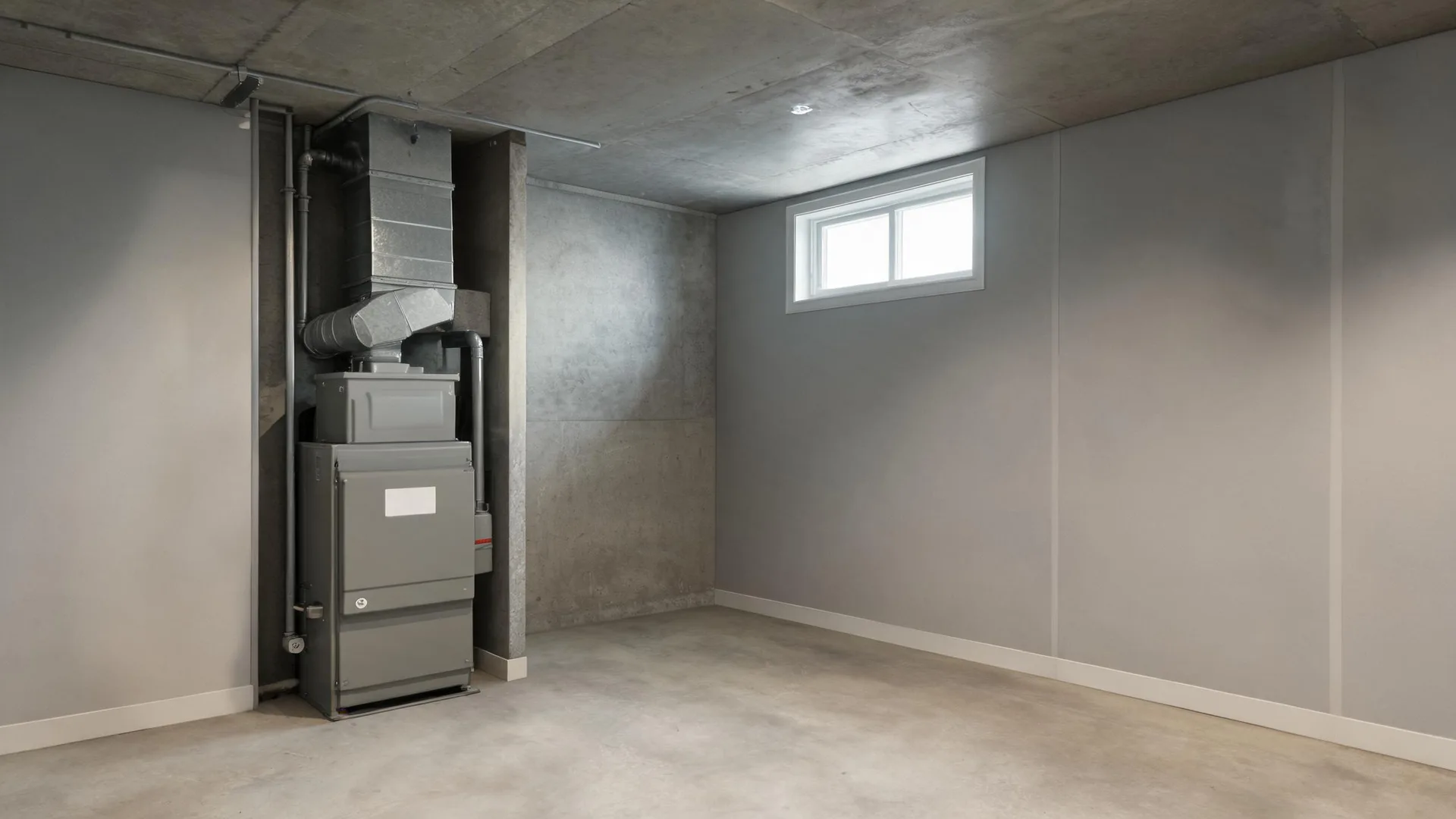
A gray residential gas furnace installed in an unfinished basement, surrounded by ductwork, a metal flue pipe, and a gas supply line.

Seven months a year, and mild ones

Heat runs here from November through May, about seven months, and overnight lows average 43 degrees through December, January and February. That's not a hard freeze. The furnace isn't working against bitter nights or pushing hard for most of the year, so it isn't under the strain one is in colder states. Age and upkeep end up mattering more here than hours run. A dependable mid-efficiency unit does the job fine in this climate. You don't need to pay for the highest efficiency tier to keep this house warm.

The AFUE number is fuel in versus heat out

AFUE tells you what share of the gas burned turns into heat in the house, with the rest going out the flue. A higher number means less fuel wasted doing the job, nothing about how fast the house warms up or how long the furnace lasts.

The rating doesn't tell you if the furnace fits the house

A furnace with a strong efficiency rating can still be the wrong size for a given home. An installer sizes the unit to the house through a load calculation, not off the sticker. A high rating on a furnace that's too big or too small still leaves you with one that runs wrong.

A gray forced-air furnace with sheet-metal ductwork stands in an unfinished basement with exposed wooden joists, concrete walls, and a hanging incandescent bulb.

A high-efficiency gas furnace would save about $60 a year to run in San Mateo County compared with a gas furnace.

  • A high-efficiency gas furnace$320 a year
  • A gas furnace$380 a year

Estimates for a typical San Mateo County home, from EIA household energy data, California fuel prices and NOAA climate normals. Your home will differ.

Install day starts with the old furnace coming out, not the new one going in. The installer disconnects the gas line, the ductwork and the flue before anything new gets set in place. Sizing gets checked again on site, against the load calculation, not just swapped one for one. New duct connections and a new flue often get fitted to match the new unit, since fittings from the old furnace don't always carry over. Once it's set, the installer tests the gas line for leaks, fires the burner, and checks the temperature rise through the blower before signing off. A carbon monoxide test on the flue is part of that check, not an extra step. The whole job usually finishes within a day, with the old unit hauled away at the end.