
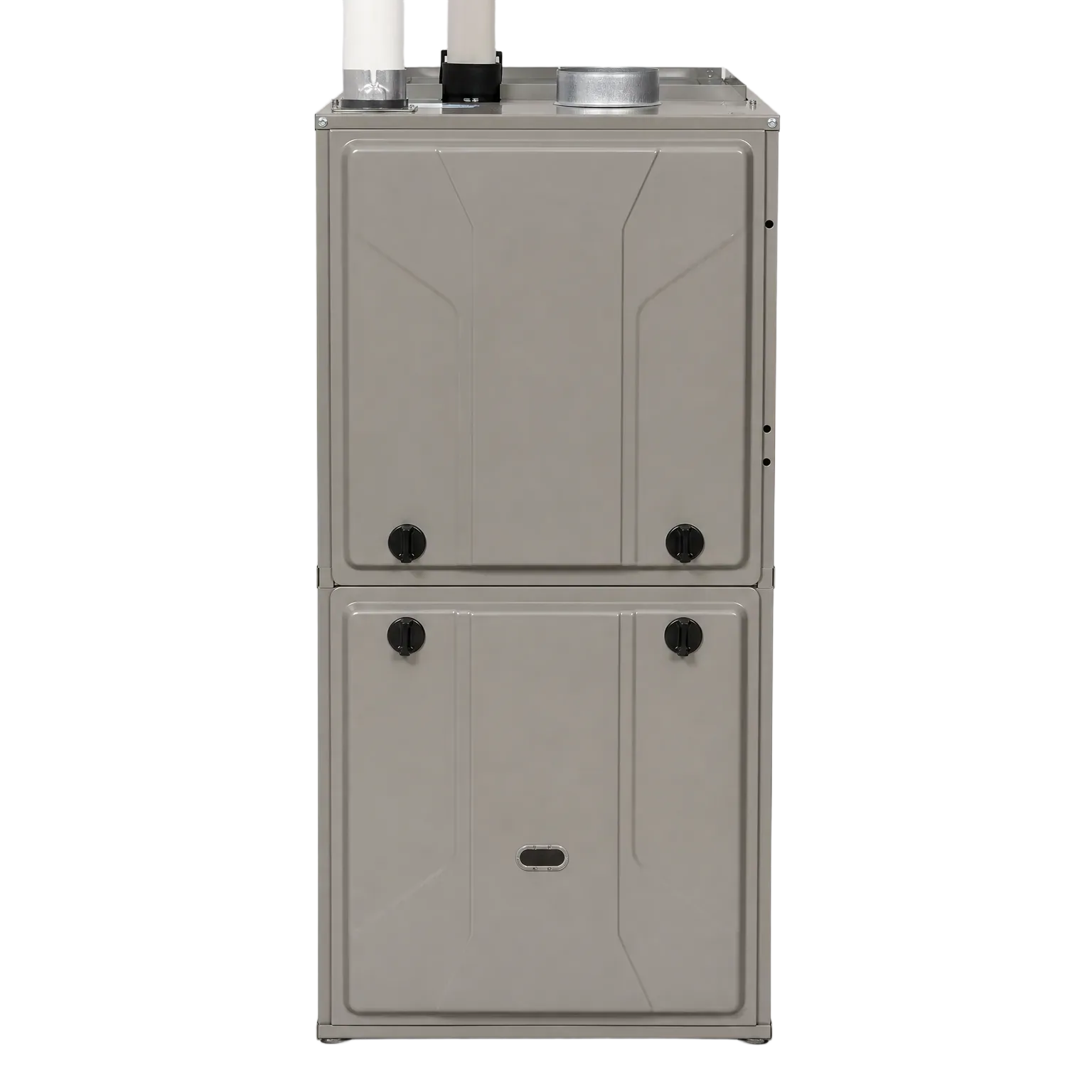
A clogged drain line
The trap or line fills with algae or sediment and backs up. A contractor can often clear this in one visit, and the furnace keeps running.
 Answer a few questions
Describe what your furnace is doing once, in one form.
Water under or around your furnace is never nothing. It might be a clogged condensate line, a cracked heat exchanger, or a drain pan that's rusted through. Some of these are a quick fix. Others mean the furnace is done. Either way, the water needs a licensed eye on it soon, because it can mean damage to the floor underneath or to the furnace itself.
If your furnace is a high-efficiency model, some condensation out of the vent is normal. A steady leak, a puddle that keeps coming back, or water showing up where the furnace sits is not.
Most homes in San Mateo and around the Peninsula heat with gas, and furnaces like yours get worked by a contractor who sees this exact problem all winter. That matters here, because a leak traced wrong can mean a part swapped that didn't need it, or a bigger repair missed until it's worse.
Finding that contractor is usually the slow part. You'd be searching listings, calling a few companies, telling each one the same thing about where the water is and when it shows up, then waiting on quotes to compare before you even know who's coming out. That's the part this page skips. Answer a few questions about your furnace and what you're seeing, and it goes to one licensed contractor local to San Mateo County, not a handful of companies competing for the job and blowing up your phone. You explain the leak once.
From there the contractor takes it from the diagnosis on, whether that's clearing a line, replacing a part, or telling you straight if the furnace itself is at the end of its run. What's below walks through what usually causes a leak like this and what it tends to mean, so you know what you're looking at before anyone shows up.
A puddle under the furnace, or a trail of water across the closet floor, is enough to make anyone nervous about what's going on inside the unit and whether it still works right.
If your furnace is a high-efficiency model, the kind most homes around San Mateo have now, it produces condensation as it runs, and that water leaves through a small drain line. That line clogs with algae or sludge over time, and when it does, the water backs up and finds its way out somewhere it shouldn't. A rusted drain pan can do the same thing. The other cause is more serious: a cracked heat exchanger lets moisture from combustion pool inside the cabinet instead of venting outside. One is a clog you clear. The other means the furnace shouldn't keep running until someone checks it.
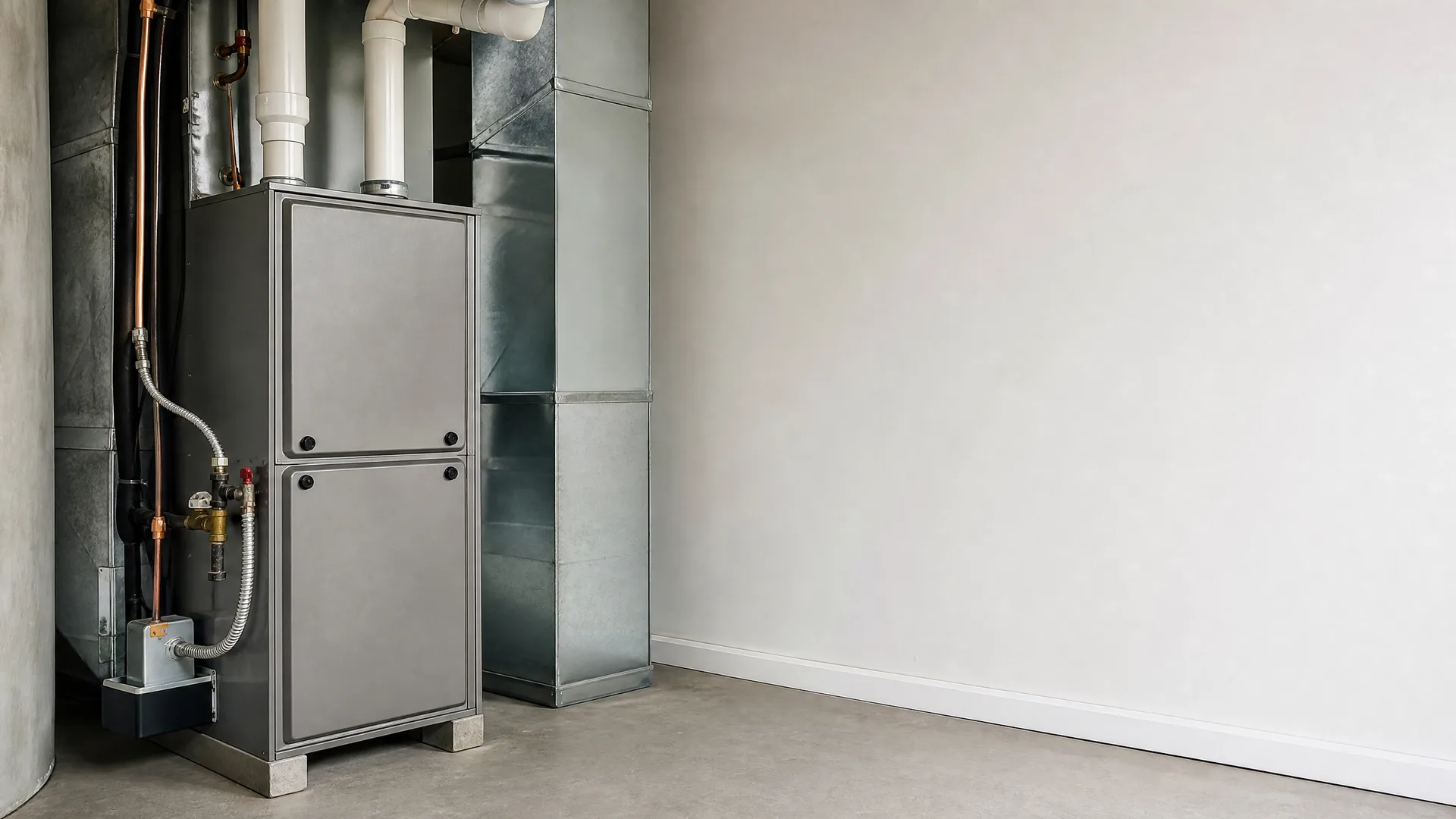
A high-efficiency furnace pulls extra heat out of the exhaust, and that process turns part of the exhaust into water. That water runs down through a PVC drain line to a floor drain or a condensate pump. The line is narrow, and it picks up algae and sediment over time. Once it's blocked, the water backs up and comes out wherever it can, usually at a joint or straight out of the drain port onto the floor.
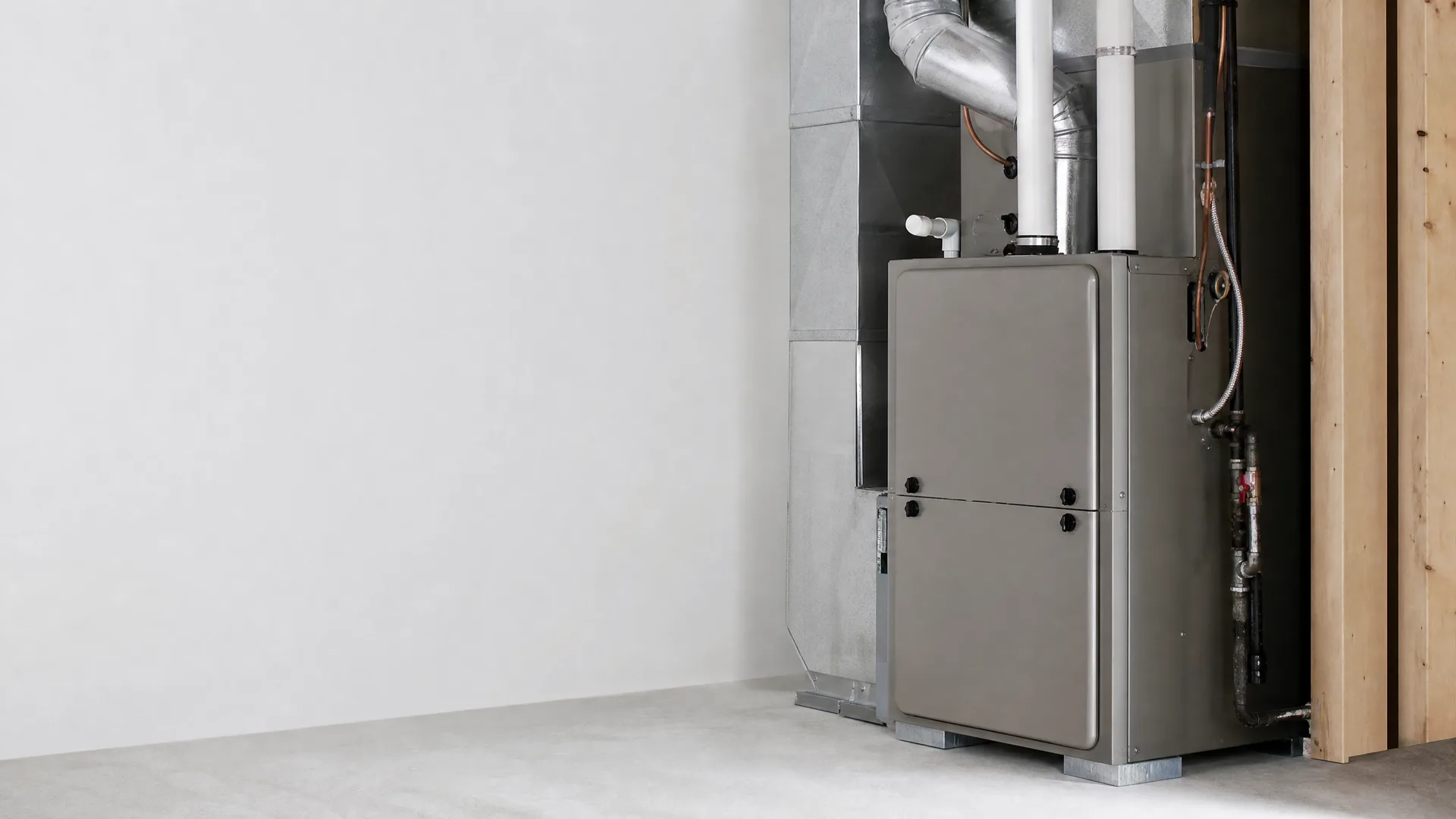
Older furnaces route condensate through a metal drain pan instead of straight to a line. Metal left wet long enough rusts through, and once it does, the pan leaks no matter how clean the drain line is. A rusted pan isn't something to patch. If your furnace came with the house, it's worth finding out whether the pan is metal or plastic before deciding the leak is a simple clog.

A furnace that's leaking water is usually still running, which is what makes it easy to put off. But a closet floor or the subfloor underneath it doesn't dry out on its own, and water that's found its way under the cabinet can reach the blower motor or the control board. Carpet, baseboards, and drywall nearby can start showing damage before you ever see standing water again. If the furnace is in a closet near living space, that's drywall and flooring on the line too.
Finding someone qualified to look at it shouldn't be its own project. You don't need to call around San Mateo explaining the same puddle three different times, or sort through quotes from companies that have never seen your furnace. One licensed contractor who works on these systems all winter, and knows what a condensate line failure looks like versus a cracked heat exchanger, is who you want in that closet.

Winter nights average 43°F
Overnight lows average 43°F here in December, January and February, cold enough that the furnace cycles on most nights, not just on the rare cold snap.
Heat runs November through May
Heat runs here from November through May, about seven months. That's seven months of condensate draining through that line, not just a few weeks in January.
62.8% of homes heat with gas
Gas heats 62.8% of homes in San Mateo County. If that's your furnace, the water you're seeing is condensate, and the drain line or the pan is where to look.
NOAA nClimDiv 1991-2020 · ACS 2020-2024
Humid exhaust gas cools inside the heat exchanger as it runs.
Condensation collects in the drain trap below the exchanger.
Water flows through the PVC line to the drain or pump.
A clog or crack sends that water somewhere it shouldn't go.






A licensed pro who repairs furnaces in San Mateo County gets your request.
You only hire the pro if you want to.
Call around to a few HVAC companies, describe the puddle under the furnace to each one, and wait to see who calls back first with a quote you have no way to check against another.
Or get matched once with a licensed San Mateo contractor who services furnaces in this area all winter and already knows what a leak like this usually turns out to be.


The trap or line fills with algae or sediment and backs up. A contractor can often clear this in one visit, and the furnace keeps running.
The exchanger itself has failed. That's not a repair you patch. The furnace needs to be replaced.

No water anywhere near the cabinet, no staining on the concrete pad, no smell of standing water in the closet. Gas line, PVC condensate pipe and copper plumbing all doing their job out of sight. This is what a clear line looks like.

The shutoff valve and condensate line are right there next to the furnace, same as the working unit, but water is finding its way out somewhere it shouldn't. A contractor who services this equipment can trace it back to where it starts.
A damp patch on the closet floor, a drip you can hear when the furnace kicks on, or a musty smell that wasn't there before. Maybe the drywall near the base has started to bubble or discolor. Maybe you've seen water on the pad and just wiped it up a few times without thinking much of it. If the furnace is still running fine otherwise, it's easy to assume the water is minor. It usually means water is finding a path somewhere it shouldn't, into the subfloor, along the baseboard, or into the drywall, and left alone that leads to soft wood, mold, and warped flooring that costs far more to fix than the furnace itself.


At 43°F most winter nights, your furnace isn't cycling on once in a while, it's running most nights from November through the coldest stretch of winter. That much runtime puts the condensate line to work every night, and a clog has a lot more chances to start.
NOAA nClimDiv 1991-2020
A puddle under the furnace is either a clog you can clear in one visit or a cracked heat exchanger that ends the furnace's life, and the only way to know which one you're looking at is to have someone qualified open it up and check. That's not a job for guessing, and it's not a job for whoever answers the phone first. A contractor who works on furnaces around San Mateo every winter has seen this drain line fail a hundred times before and knows what the water usually means before the panel's even off. You get matched with one licensed local contractor, not a list of five companies competing for the callback, so there's no retelling the problem over and over to people who haven't seen your furnace. Whatever the water turns out to be, you'll know what you're dealing with, and you'll know it from someone who can actually fix it.
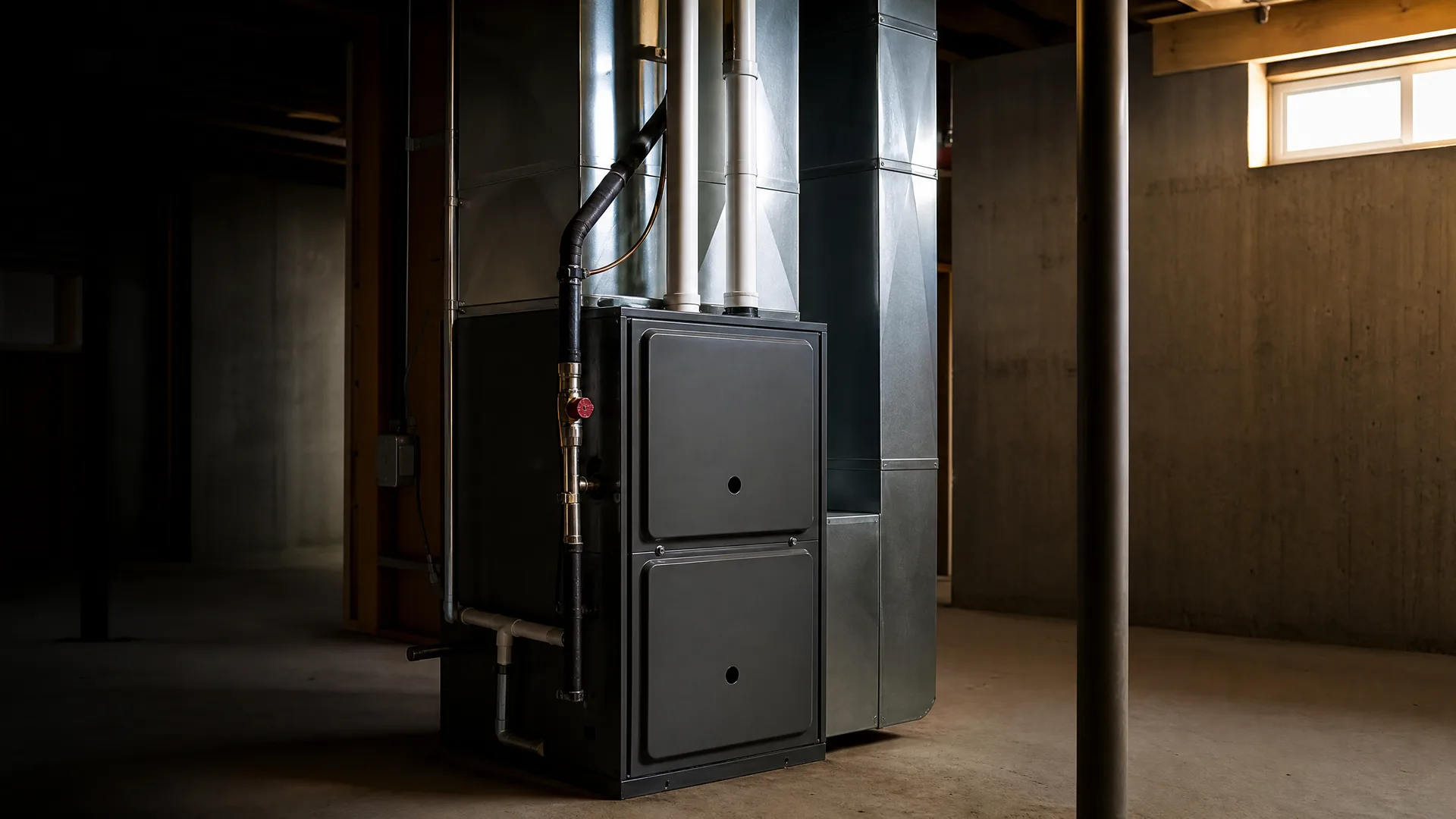
Skip the calls to every shop