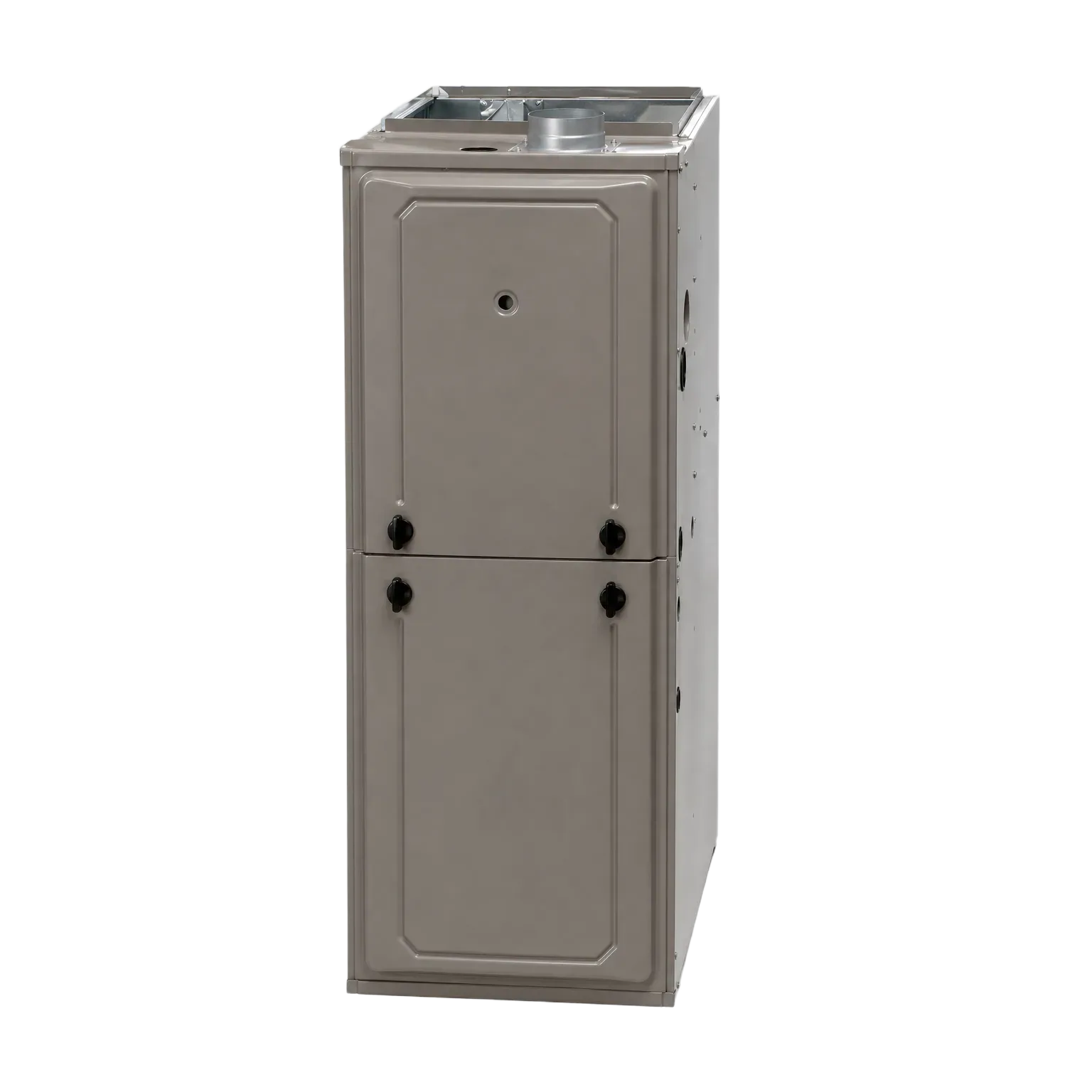
One rod, one job
The thermocouple is a single sensor. When it drifts out of position or wears out, the gas valve reads no flame and shuts off, even with the pilot lit.
One request and it's handed off
A pilot that won't stay lit usually comes down to the thermocouple, a draft near the burner, or dirt in the gas valve assembly. This page walks through what causes each one and what it means for your furnace. If you'd rather not track down a contractor yourself, calling around and explaining the problem more than once, send the form and that part is done.
Hand it offA pilot light that keeps going out almost always means the thermocouple has gone bad. That's the small metal rod the pilot flame touches, and its job is to sense the flame and tell the gas valve to stay open. Once it wears out or sits slightly out of position, it stops reading the flame correctly, and the valve shuts the gas off even though the pilot was lit a minute ago. Dirt or soot built up on the rod can cause the same problem. Less often, a draft near the burner compartment blows the pilot out directly, or debris in the gas valve assembly keeps gas from flowing evenly to the flame. None of these fix themselves by relighting the pilot again. If it keeps happening, the part needs to be replaced or cleaned, and with gas involved, that's not something to keep testing on your own.
Winter nights average 39°F
Winter nights here average 39°F, so a furnace that won't hold a pilot is losing you heat on the coldest part of the day, not some mild afternoon.
Heat runs November through May
Heat runs November through May in Santa Clara County, close to seven months. A pilot that won't stay lit is a problem you'll live with most of the year if it's not fixed.
58.5% of homes heat with gas
58.5% of homes in the county heat with gas, same as yours. A thermocouple or gas valve issue is the most common reason the pilot won't hold, not something unusual about your setup.
NOAA nClimDiv 1991-2020 · ACS 2020-2024
A thermocouple that's starting to fail doesn't always quit all at once. Sometimes the pilot holds for a few minutes, then drops, then relights and holds a little longer next time. It's easy to let that go, especially if the furnace is tucked in a closet or attic you don't look at often. The trouble is that a thermocouple in that state can fail at any point, not just on a convenient afternoon. When it does, you're without heat until someone can get out to replace it, and that part doesn't wait for a good time to go.
Catching it while the pilot is still relighting means you're choosing when to deal with it instead of the thermocouple choosing for you. Instead of pricing out contractors while the house is cold, comparing quotes, and explaining the same pilot light problem to each one, you send the details once. Finding someone who can look at a gas furnace in Santa Clara County stops being a search you run yourself. You still need the part replaced and that takes a visit, but the work of tracking down who can do it is off your plate the moment the form goes in.




The thermocouple is a single sensor. When it drifts out of position or wears out, the gas valve reads no flame and shuts off, even with the pilot lit.
That's the average low here in winter. A furnace that won't hold a pilot leaves you without heat right when you need it most.
A weak pilot and a pilot that goes out are different problems, and the reader wants to know what pushes it from one to the other. They've probably seen the flame burning low and orange instead of a steady blue, and they're trying to figure out if that's a sign the whole thing is about to quit on them, or if it's a separate issue from the thermocouple.
A weak, flickering pilot usually points to a dirty orifice or a gas pressure problem, something restricting how the flame burns. That's different from a pilot that won't stay lit at all. In that case the flame itself can look fine, full and blue, and still go out, because the thermocouple isn't reading it correctly and the gas valve shuts the pilot off as a safety response. The flame doesn't fail on its own most of the time. The sensor tells the valve to cut it off. That's why cleaning the pilot assembly or adjusting the flame doesn't fix a thermocouple problem. The two issues can look similar from across the room, but one is about the fire and the other is about what's reading it.
Pilot flame heats the thermocouple's tip at the burner
Thermocouple sends a small voltage to the gas valve
Voltage tells the valve the flame is lit
Valve stays open and lets gas keep feeding the pilot
You turn the knob, hold it, light the pilot, let go, and it dies within a few seconds. Or it holds fine for a day and then you're back outside at the gas valve again before dinner. Either way you've probably noticed the flame itself looks wrong, thin and orange instead of a steady blue cone, or it's tucked off to one side instead of sitting square on the thermocouple tip. Until it's fixed, the furnace won't run on its own, which means checking on it becomes your job every time the house gets cold. Left long enough, that's a furnace you can't count on through a cold night without you catching it first.


Skip calling shops to ask who repairs furnaces in Santa Clara County.
You only hire the pro if you want to.
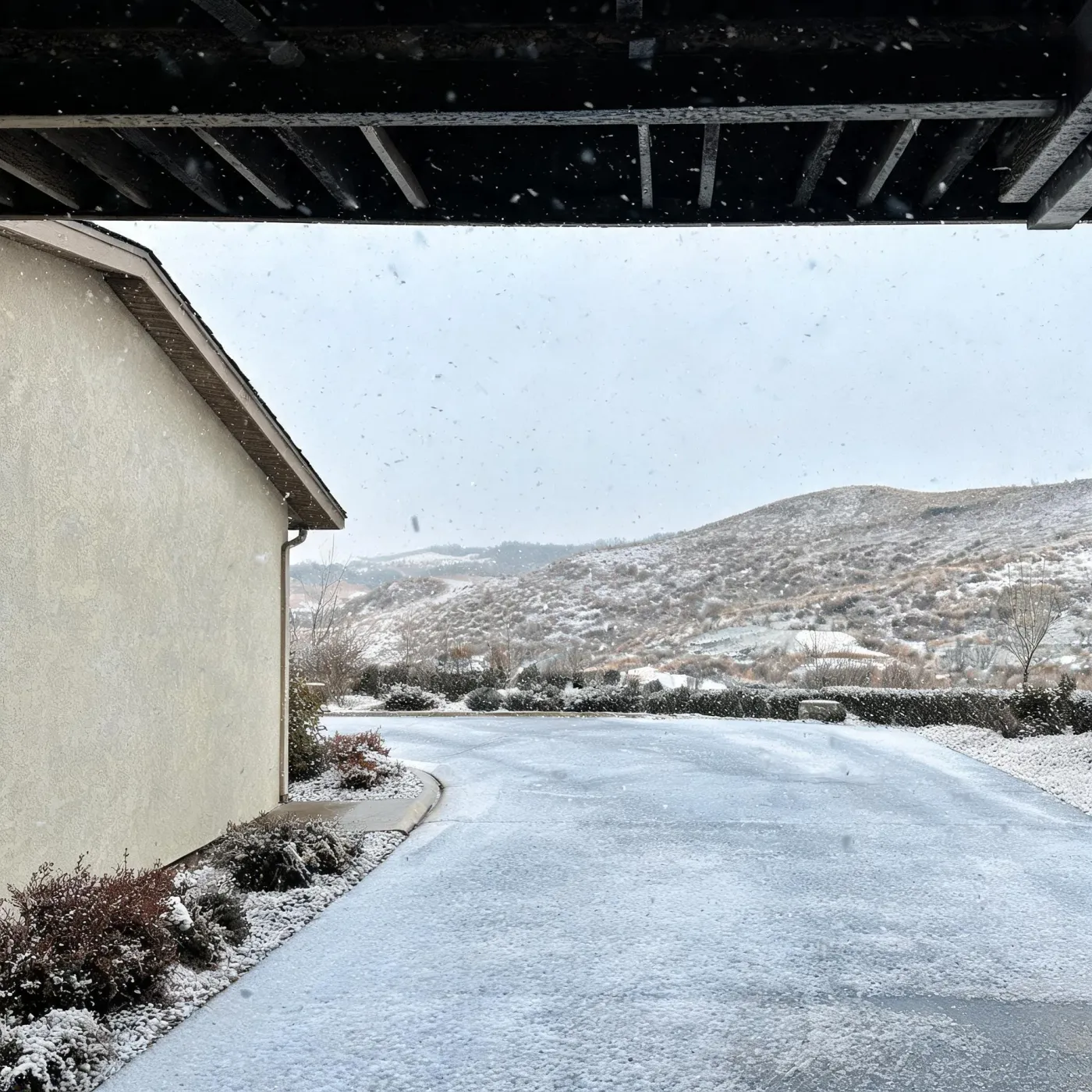
Winter nights in Santa Clara County average 39°F, according to NOAA climate data. That's not a hard freeze, but it's enough to keep your furnace cycling on and off most of the night. A thermocouple that's starting to go won't always fail outright. It'll hold the pilot through a mild stretch, then drop it right as the temperature dips toward that overnight low. If your furnace has quit on you after midnight or first thing in the morning, that's not bad timing. That's the coldest the air gets, and it's exactly when a weak thermocouple gives out.
NOAA nClimDiv 1991-2020
If the pilot drops out at 2 a.m., your furnace doesn't restart on its own. It just sits there, gas valve closed, while the house cools down toward whatever it is outside. Kids' rooms, a nursery, anyone who runs cold feels it first. By morning you're relighting a pilot with cold hands before anyone's had coffee, and if it won't hold again, you're doing the same thing that night.
This is the kind of problem that's easy to chase alone for a week. Look up the model number, call a few places, get put on hold, explain the pilot keeps going out, get asked questions you don't have answers to, wait for a callback that doesn't come. Send this one form instead and that part stops being your job. Someone licensed to work on gas furnaces in Santa Clara County gets your information and takes it from there.

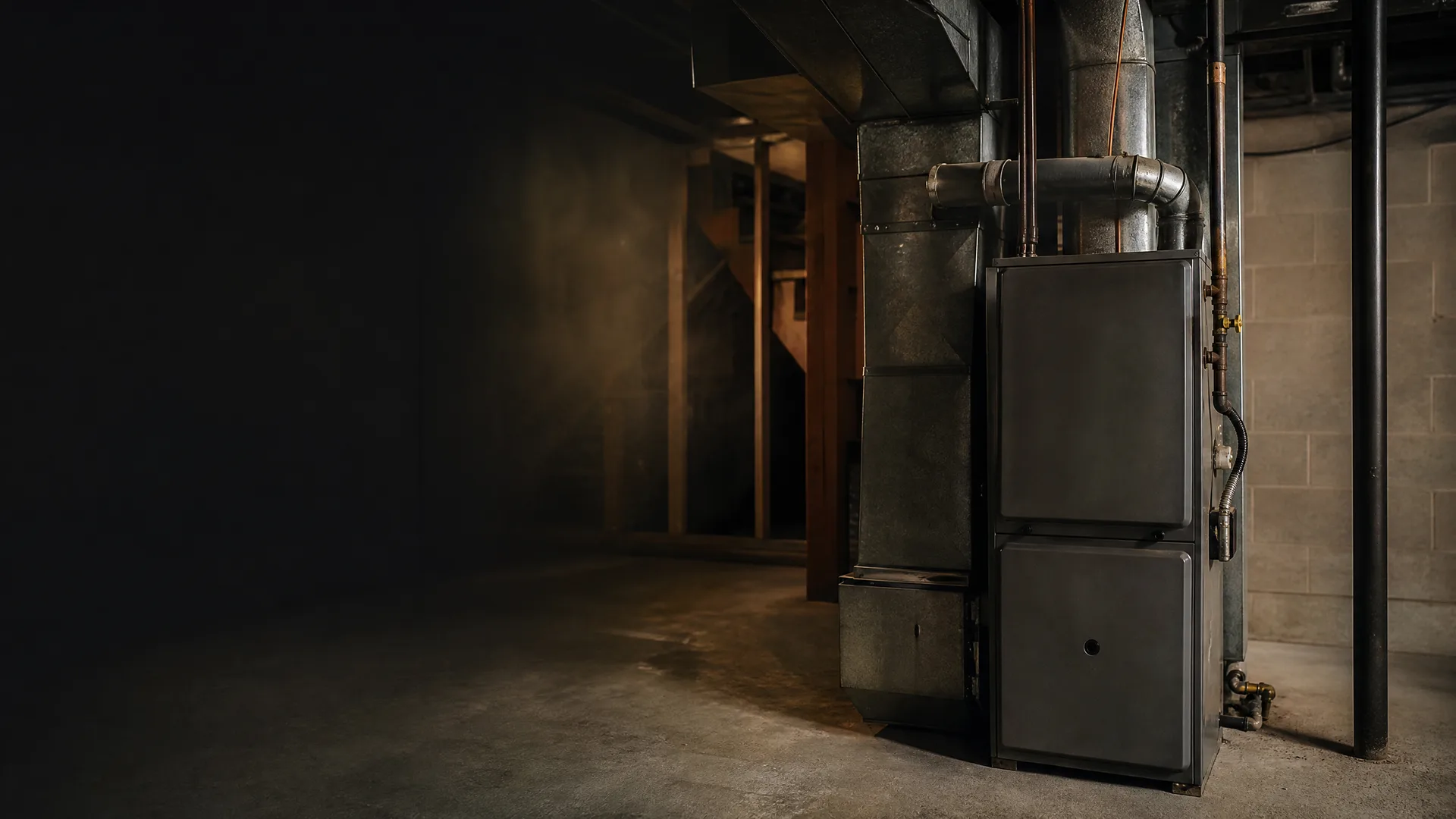
The basement is cold by seven, colder than the rest of the house. You go down to check the furnace and the burner's dark, no flame behind the glass, just that small metal smell gas leaves behind when it's stopped. Dust hangs where the light from the stairs cuts across the unit, the kind you only notice when nothing's moving. You crouch down, pop the panel, reach for the knob. Outside it's gone down into the 30s, the way it does most nights here from November on. You hold the pilot button, light it, watch the flame catch, and wait to see if this is the time it holds.
At 39°F, your furnace isn't just topping off the house, it's holding the line most of the night. A thermocouple that can't keep the pilot lit means those are the hours you lose heat first, long before morning.
NOAA nClimDiv 1991-2020

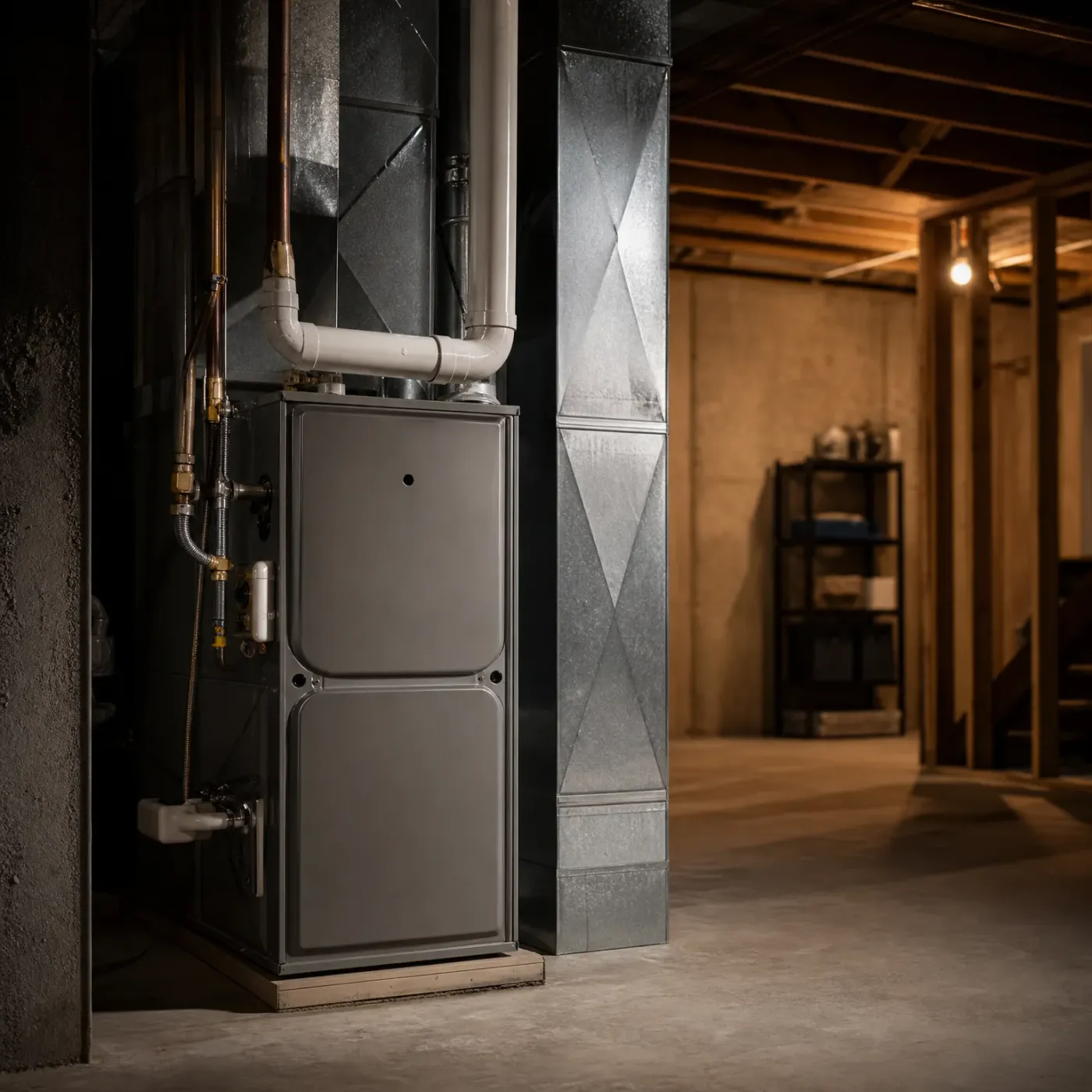
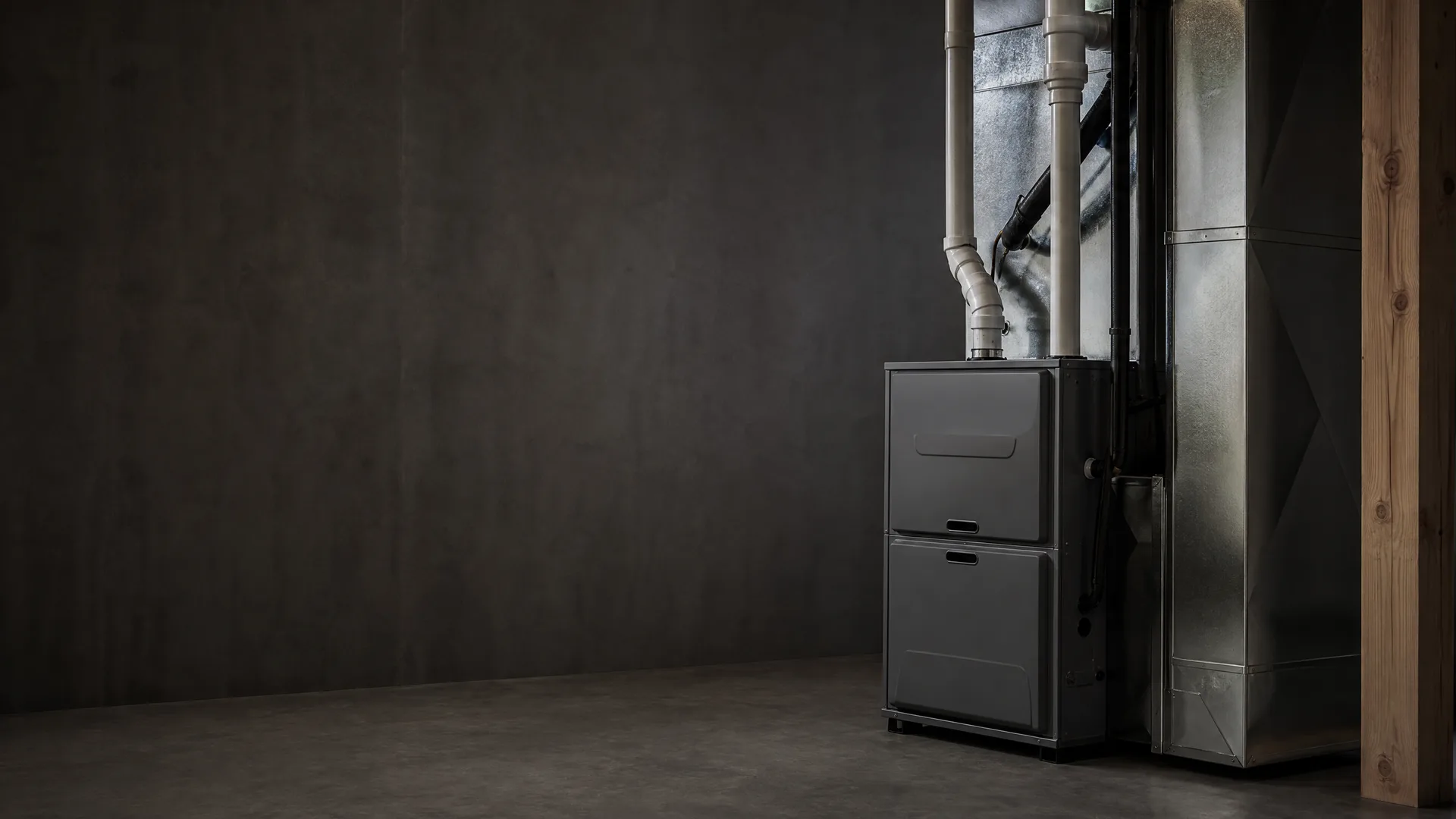
This is what a working setup looks like: flue pipe running clean to the outside, ductwork carrying heat to every room, the condensate pump doing its job at the base of the unit. The pilot stays lit and the burner fires when the thermostat calls for it.

Here the pilot won't hold. The gas valve has shut off because the thermocouple isn't telling it a flame is present, so gas isn't feeding the burner at all. The lines, the flex tubing, the condensate pipe are all still there, but none of it matters while the pilot stays out.


A pilot that won't stay lit comes down to one of three things: the thermocouple, a draft reaching the burner, or dirt sitting in the gas valve assembly. Of those, the thermocouple is the one that's almost always behind it. It's a small part, a single metal rod, and when it wears out or shifts out of position, the gas valve stops reading a flame even though the pilot is burning. That's by design. The valve won't stay open without a signal telling it the flame is real, so the whole system shuts down to be safe.
The timing of that shutdown is what makes it matter here. Winter nights in Santa Clara County average 39°F, and a furnace that drops its pilot at 2 a.m. doesn't come back on its own. It sits there, gas off, while the house works its way down toward whatever it is outside. You find out when you notice the house is colder than it should be, or when you go check the burner and it's dark.
None of this requires guessing which part failed before someone looks at it. What it does require is getting a contractor out to look, and that's usually where the delay happens, not the repair itself. Finding one, explaining the symptoms, waiting on a callback, doing it again with the next name on the list. Sending this form once replaces all of that legwork with a single call back to you.
Answer a few questions instead of calling shop after shop.