Why your furnace won't turn on in a California winter

RepairFurnace or heatingCalifornia
Step 1 of 2

What ZIP code is the job in?

Why won't my furnace turn on?

It's cold, you've turned the thermostat up, and nothing is happening. No blower, no click, no heat coming out of the vents. In most California homes a gas furnace is what's heating the house, and when it won't start at all the cause is usually one of a few specific things rather than a mystery. Before calling anyone, it helps to know what's actually likely going on.

It's usually the thermostat, the pilot or igniter, or a safety switch that's shut the furnace down

A furnace that won't turn on at all almost always traces back to one of three things. The thermostat isn't calling for heat, the igniter or pilot isn't lighting the gas, or a safety switch has cut power to protect the system. That last one is common and often overlooked, a dirty flame sensor or a clogged filter can trip a limit switch and shut the whole thing down even though nothing is actually broken. Since gas furnaces heat most California homes, a furnace that won't start usually means no heat in the house at all, not just a weaker version of it. Checking the thermostat batteries and the breaker first rules out the simplest causes before anything else needs a look.

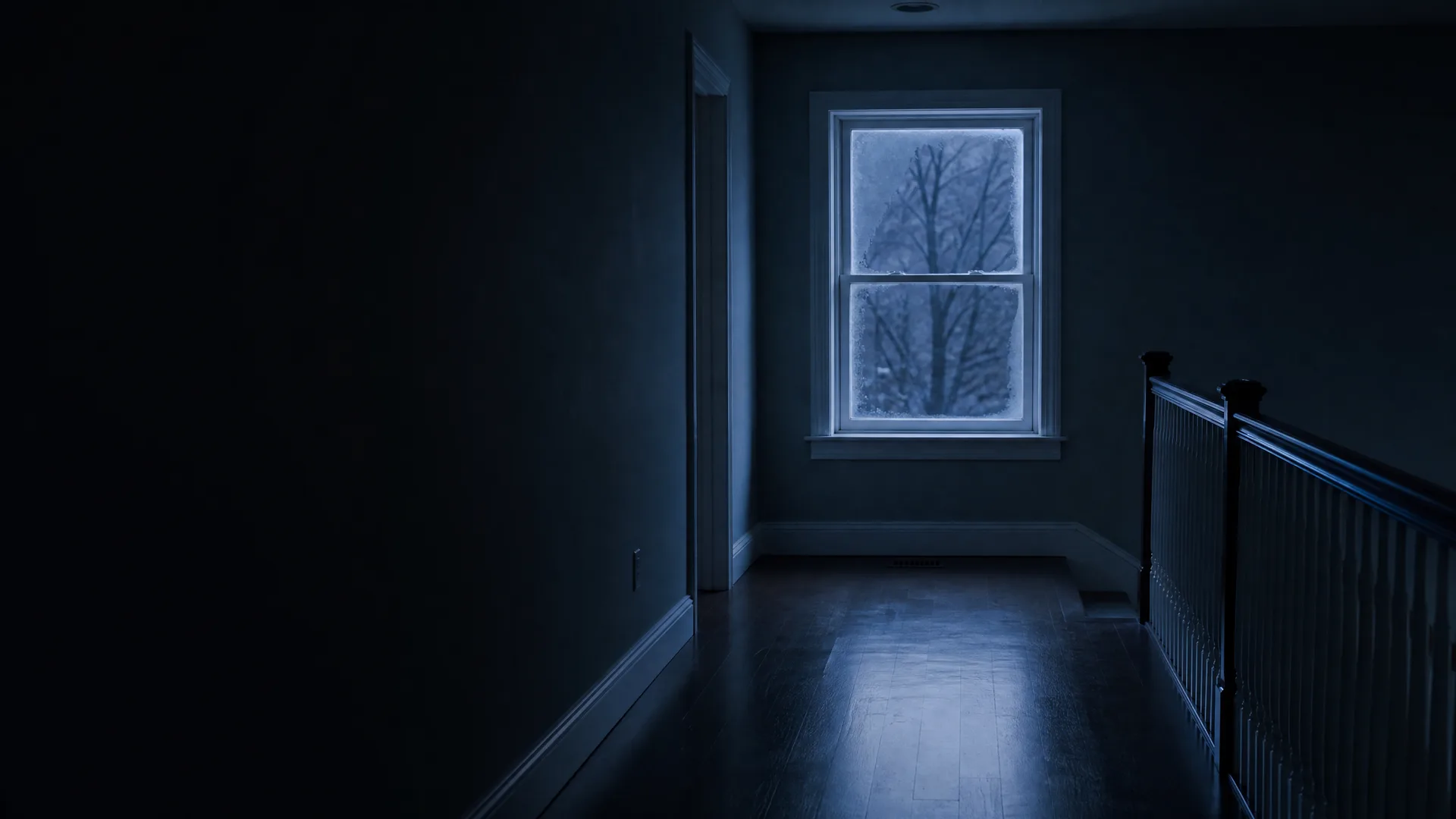
A dark interior hallway with a dark wood floor, a floor vent, a doorway on the left, and a stair railing on the right, lit only by a tall double-hung window showing bare tree branches outside.

You wake up a little before 2 a.m. because the house feels wrong. Your feet find the hallway floor and the vent underneath them is silent, no hum, no warm air pushing out. The window at the end of the hall has frost starting to edge in at the corners, which is not something you see most nights here. You bump the thermostat up a few degrees, standing there in the dark, and wait for the click that usually comes within a few seconds. It doesn't come. The house stays exactly as cold as it was, and now you're awake enough to know it isn't going back to normal on its own tonight.
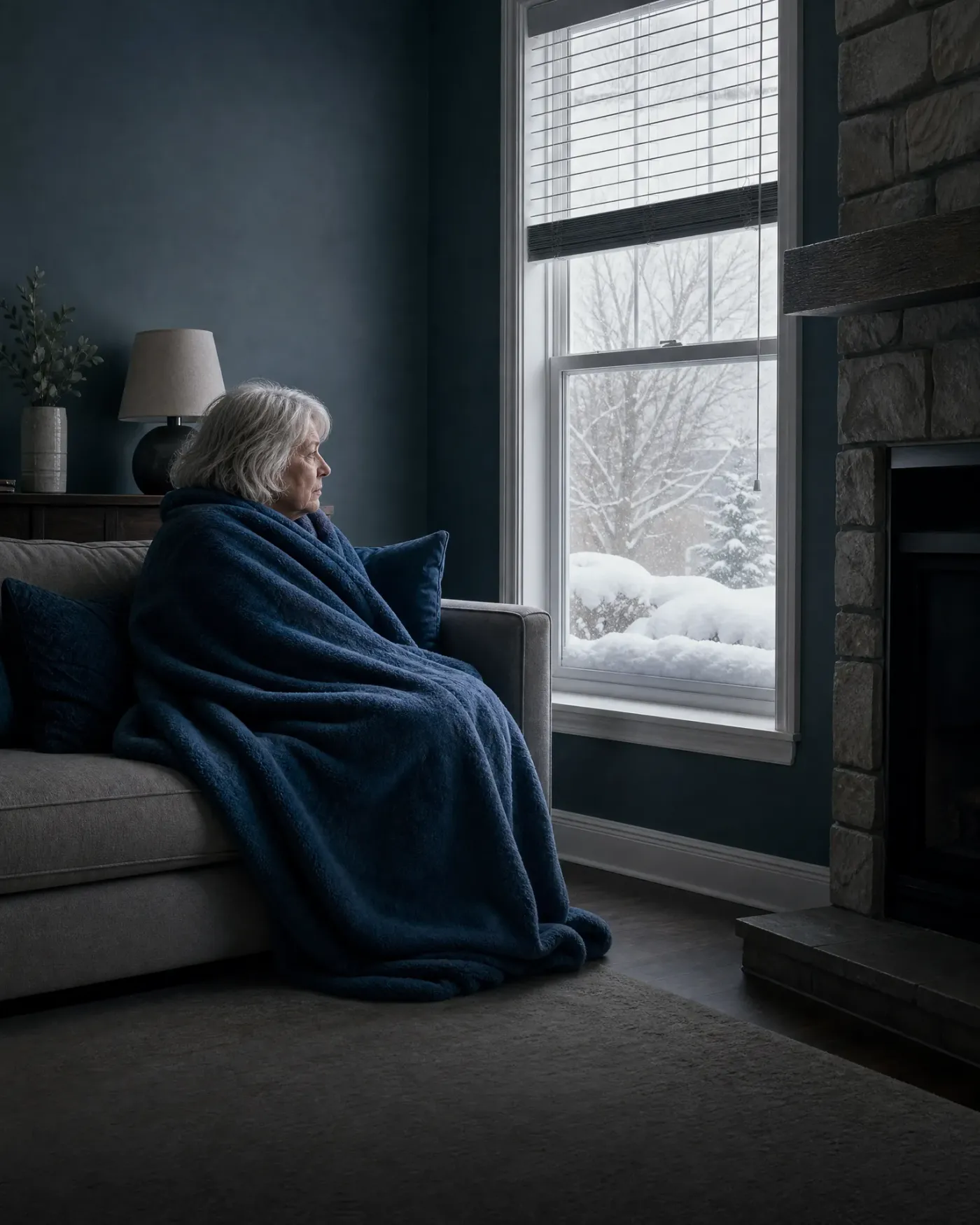
Call Now or Wait It Out

Call Now

  • A furnace that won't start at all usually means no power is reaching the control board, the igniter, or the gas valve.
  • Leaving it until morning doesn't cost you less, and a cold house overnight is harder on everyone in it, especially if temperatures keep dropping.
  • Gas furnaces have safety switches that shut the whole system down rather than risk a bad ignition, so a no-start is often the furnace doing what it's supposed to.
  • A local contractor who works on furnaces all winter has likely seen this exact failure in this exact brand before.
  • Catching the failed part now, whether it's the igniter, a flame sensor, or the control board, usually means a smaller repair than waiting for something else to go with it.

Wait It Out

  • If the breaker tripped on its own with no other cause, flipping it back and watching the furnace start again is a reasonable first check.
  • A furnace that ran fine the night before and fails once could be a fluke in the thermostat connection rather than a failed part.
  • Waiting makes sense if you have another way to heat the house for a night without relying on electric space heaters, which cost more to run on California power rates.
  • Putting it off repeatedly isn't something you'd normally do, since a furnace that won't start tends to need a part replaced, not time to fix itself.
  • If the same no-start happens again within a day or two, that pattern usually points to a failing part rather than a one-time glitch.
A gray furnace with white PVC vent pipes stands beside sheet-metal ductwork in a basement with a smooth concrete floor, exposed wood framing, and plastic sheeting on the walls.

Starting up the way it should

The blower kicks in within seconds of the thermostat call. Air moves through the ducts overhead, warm within a minute or two. The gas line stays steady, the exhaust pipe draws clean, and the cabinet shows no rust at the seams.

A beige furnace with two access panels stands against a concrete basement wall, with galvanized sheet-metal ductwork, a white PVC pipe, flexible conduit and insulated ducting around it.

What a furnace in trouble looks like

Rust spreads across the cabinet where moisture has sat too long. The flue pipe may still rise from the top, but corrosion around the gas piping or the burner compartment is often where ignition problems start. A furnace that looks like this is worth having checked even if it still runs some days.

A gas furnace with a louvered upper panel stands on a concrete pad in a basement, flanked by sheet-metal ductwork, white PVC and metal pipes, and insulated columns.
Before you get your furnace repair
A dark high-efficiency furnace on a concrete pad in a basement, connected to galvanized ductwork, white PVC vent pipes, and copper and black gas piping, with concrete walls and wood framing nearby.
After you get your furnace repair

A furnace pro near you

A furnace that won't fire usually comes down to something small: a flame sensor coated with residue, a limit switch that tripped, a draft inducer that quit turning. None of those fix themselves, and none of them are easy to spot without opening the cabinet and knowing what a working one looks like. That's the kind of thing a local contractor who works on furnaces all winter catches fast, because they've already seen it a dozen times this season in houses near yours. Getting matched means one contractor familiar with California gas furnaces takes your request, not a handful of companies competing for your callback. With gas heating this common here and electricity priced the way it is, a furnace that's actually working matters more than a space heater running all night. The house isn't getting warmer while you wait this out on your own.

What the control board is doing

The control board checks several things before it lets the burners light. It watches for the pressure switch to close, which proves the draft inducer is pulling exhaust the right way. It watches for the limit switch to show the cabinet isn't overheated. It waits for the igniter to reach temperature or for the sparker to prove a spark. If any one of those signals is missing, the board stops and won't send gas to the burners. That's not a flaw, it's the board doing its job. A furnace that won't start is often a furnace correctly refusing to start.

Why a small part stops the whole system

A furnace has no backup path around a failed switch or sensor. The flame sensor is a thin rod that has to detect current through the flame itself, and a film of residue on it reads to the board as no flame at all, so the board shuts the gas valve for safety. The same goes for the limit switch and the pressure switch. Each one is small, each one is cheap compared to the rest of the furnace, and each one can stop the whole system cold. That's why a contractor who works on these year-round can often find the failure in minutes.

A woman in a cream cowl-neck sweater stands in a lamp-lit room looking out a window at a snow-covered yard with shrubs and bare trees at dusk.
A woman in a gray turtleneck sweater stands near a large window in a lamp-lit living room, looking out at falling snow and snow-covered conifers.
A woman in a chunky knit sweater stands by a large window looking out at snow-covered ground, with a dimly lit living room containing a gray sofa, framed artwork, shelves and table lamps behind her.
A woman in a gray turtleneck sweater stands in a dimly lit living room with a lamp and bookshelves, looking out a multi-pane window at falling snow.

Something you can check first

A few things are worth a look before you decide this is a repair call. Check that the thermostat is set to heat, not just a temperature you want. Check the breaker for the furnace, since a tripped one won't always look tripped. If your furnace has a standing pilot, see if it's out. None of this costs you anything but a few minutes, and a surprising number of no-heat calls turn out to be one of these. If you've already checked all three and the furnace still won't respond, that points to something inside the cabinet.

What points to a real failure

If the thermostat is set right, the breaker is fine, and the pilot is lit or the furnace is an electronic ignition model, a furnace that still won't start is telling you something broke. That could be the igniter, the flame sensor, the control board, or the draft inducer motor. These parts don't reset themselves, and testing them means opening the unit and checking each one in order. This is where a local contractor who works on furnaces all winter earns their keep. They've seen which part usually fails on which brand, and they can get to it faster.

Winter nights average 40°F statewide

Statewide, winter nights average 40°F, which doesn't sound severe, but it's enough that your furnace is likely cycling on and off most of the night to hold the house steady. A furnace doing that for months is exactly the kind that will eventually have a sensor foul up or a switch stick.

NOAA nClimDiv 1991-2020 county normals weighted by homes

A furnace that won't turn on almost always traces back to one small part that failed, not the whole system giving out. That's the part a licensed contractor who works on furnaces all winter in your area knows to check first, because they've seen what usually goes wrong in homes around you and how fast it can be found once someone's looking with the right experience. You'll be matched with one contractor, local to you, so you're not fielding calls from three different companies trying to win the job. They come to your house, open the cabinet, and find the part that quit. Until then, the furnace stays off and the house stays cold. Once it's fixed, the blower comes on, the burners light, and the house warms back up the way it did before any of this started.

Interior room corner with sunlight from a window, showing peeling paint and damaged plaster on the wall above a white baseboard, a wooden cabinet with a pale bowl on top, hardwood floor and a patterned rug.
Interior corner of a room with tan walls, white profiled baseboard and window trim, a wood-plank floor in sunlight, and green foliage visible through the window.
An empty room corner with cream walls, white baseboard, two windows with deep sills showing green foliage outside, and a wood plank floor lit by sunlight.
Empty room corner with beige walls, white beadboard wainscoting, chair rail and baseboard, a window with green foliage outside, and sunlight casting leaf shadows on the wall above a wood floor.
Sunlit room corner with a multi-pane window, beige walls, white baseboard, wood floor with a woven rug, and a dark wooden cabinet holding a ceramic table lamp below a framed picture.

A local pro for your furnace repair

Only one pro gets your request, so you hear from one company.

Find a furnace pro

It costs nothing to send, and you don't have to hire anyone.












