




White stucco Spanish Colonial Revival houses with red tile roofs glow with warm light against a dry hillside at dusk.

Furnace Installation in Fresno, CA

Tell us about the job

Takes about a minute. No obligation.

New system or replacementFurnace or heatingFresno County, CA
Step 1 of 2

What ZIP code is the job in?

Fresno County recorded 378 severe weather events between 2015 and 2024. Winter storms accounted for 189 of those, and damaging wind hit the county 179 times in the same stretch. A furnace doesn't run on its own. It needs power for the blower and the control board, and when the grid goes down, so does the heat. Statewide, 17% of households went at least a full day without power in 2024. That's worth knowing before you pick a system, not after the lights go out.

8 months
October through May, your furnace is on duty
32°F
the average winter night it heats against
54%
of homes here heat with gas, so most furnaces here burn gas
80% AFUE
the federal minimum any new unit must meet
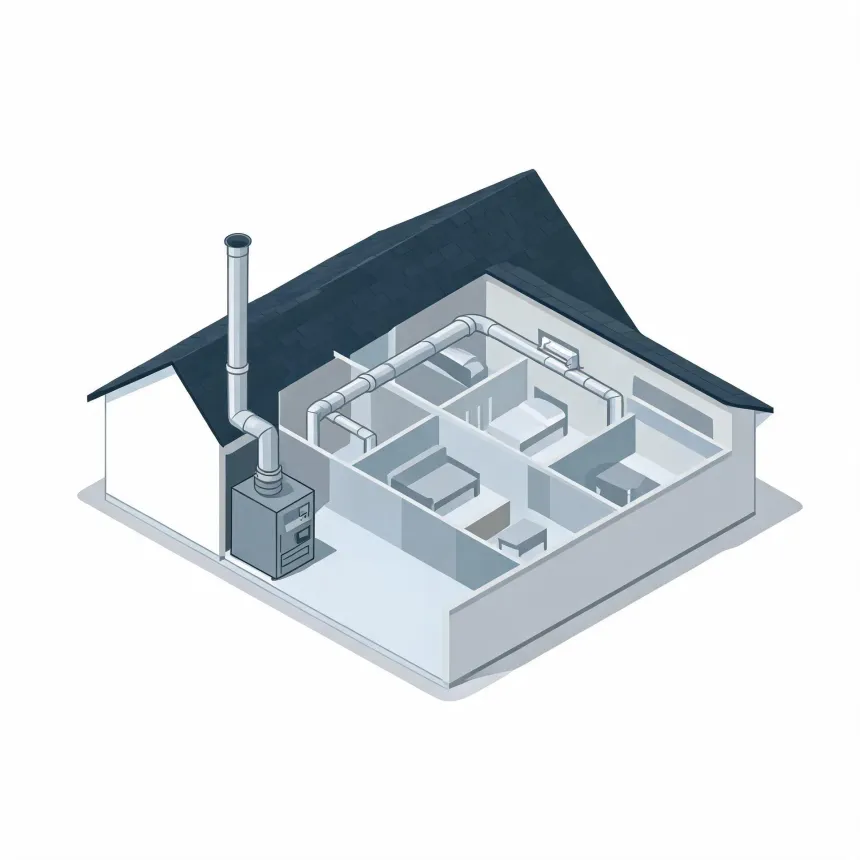
Isometric cutaway illustration of a single-story house with a dark shingled roof, showing interior rooms with beds and furniture, overhead ductwork, and a gray furnace with a tall flue pipe at the exterior wall.
Your furnace works hardest from November through April.

NOAA nClimDiv, 1991–2020 normals

Furnaces in Fresno County start running in October.

Get the install done in September, while you can still pick the date.

Eight months of heat a year means this furnace doesn't get a break

Heat runs October through May
Winter nights average 32°F
189 winter storms from 2015 to 2024
Most homes here run on gasUtility gas heats 53.7% of homes in Fresno County, more than any other fuel.

Natural gas here runs $18.44 per million Btu, one of the lower rates in the country. That changes the math on which furnace to install. A high-efficiency model costs more up front, and with gas this cheap, it takes longer for the lower bills to make up the difference. That doesn't mean skip it. It means the payback math shouldn't be the only thing deciding. What matters more here is whether the furnace keeps running when the power drops and whether it's sized right for your house. Pick on fit and reliability first. Let efficiency be the second question, not the first.

Plan this install around the power going out, not just the heat

A furnace install is also a chance to decide where the system sits and how it's protected before winter storms roll through. That's easier to plan now than during an outage.

Find a contractor
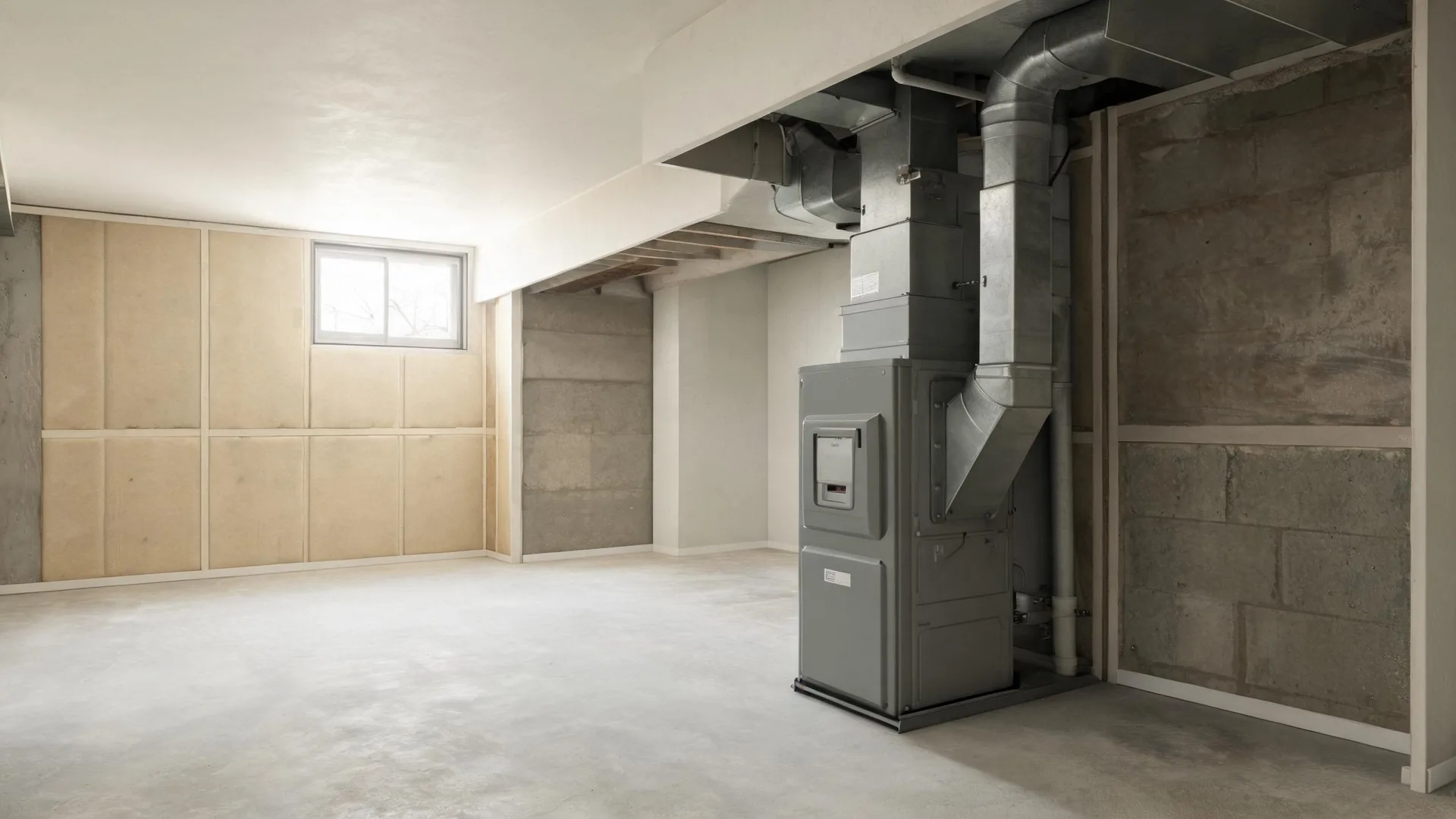
A gray residential gas furnace installed in an unfinished basement, connected to sheet-metal ductwork and PVC pipes.

This furnace runs most of the year, so get the size right before it starts

Eight months of running time adds up. This furnace will cycle on and off for most of the year, and the parts that start it up, the igniter, the blower motor, the control board, take that load every time. When you install, don't just match the old unit's size. Get a load calculation done for your house. A furnace that's too big short cycles and wears out its parts faster. One that's too small runs flat out all winter trying to keep up. Either way, the system that's running eight months a year is the one that needs to be sized right from the start, not the one you can get the fastest.

The AFUE number is about fuel, not comfort

The efficiency rating on the label tells you how much of the gas burned turns into heat in your house versus how much goes out the flue. A higher number means less wasted gas. It says nothing about how evenly the house heats, how quiet the furnace runs, or how long it lasts. Don't read it as a grade on the whole furnace, just on how it uses fuel.

A higher rating changes how the furnace is vented

Furnaces with a higher efficiency rating pull more heat out of the exhaust before it leaves the house, which means that exhaust comes out cooler. Cooler exhaust can't vent straight up through a metal flue the way older furnaces do, so these models vent through a sealed plastic pipe out a sidewall instead. That changes where the furnace can sit and what the installer has to run to it. Worth asking about before you pick a spot for the new unit.

An unfinished basement containing a gray HVAC furnace with ductwork, exposed wooden joists, a concrete floor, and miscellaneous clutter in one corner.

A high-efficiency gas furnace would save about $80 a year to run in Fresno County compared with a gas furnace.

  • A high-efficiency gas furnace$430 a year
  • A gas furnace$510 a year

Estimates for a typical Fresno County home, from EIA household energy data, California fuel prices and NOAA climate normals. Your home will differ.

Installation starts with the old furnace coming out, and that's when an installer can actually see what they're working with. The ducts get checked for leaks and for whether they're sized to move enough air for the new unit. The gas line, the flue or vent pipe, and the electrical connection all get inspected too, since a new furnace doesn't always hook up the same way the old one did. Setting the new unit and connecting the ductwork, gas and venting takes a big part of the day. After that comes startup: checking gas pressure, checking the temperature rise across the furnace, and making sure the blower is moving the right amount of air. A furnace that's never been fired up and tested isn't a finished install, no matter how good it looks sitting there.